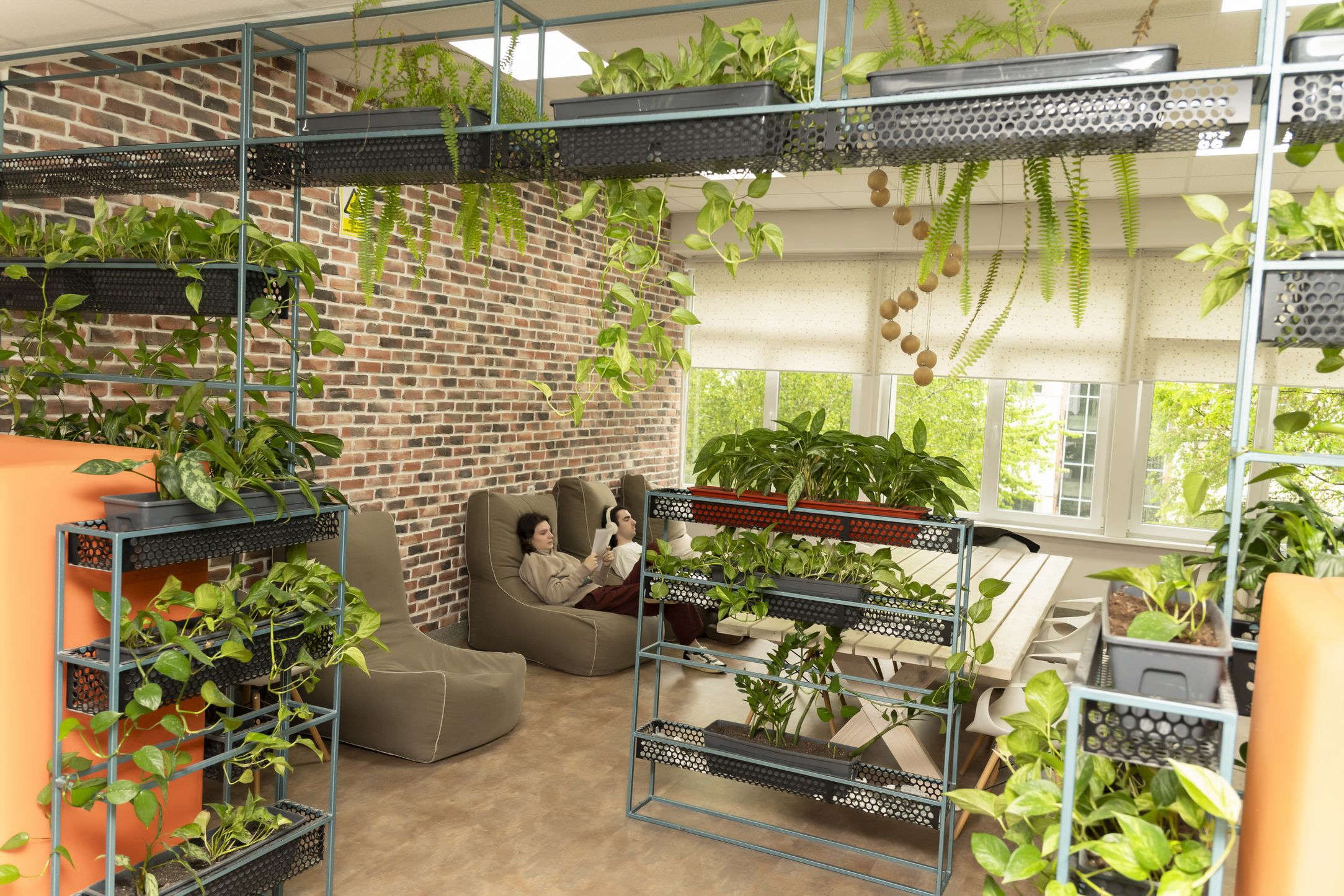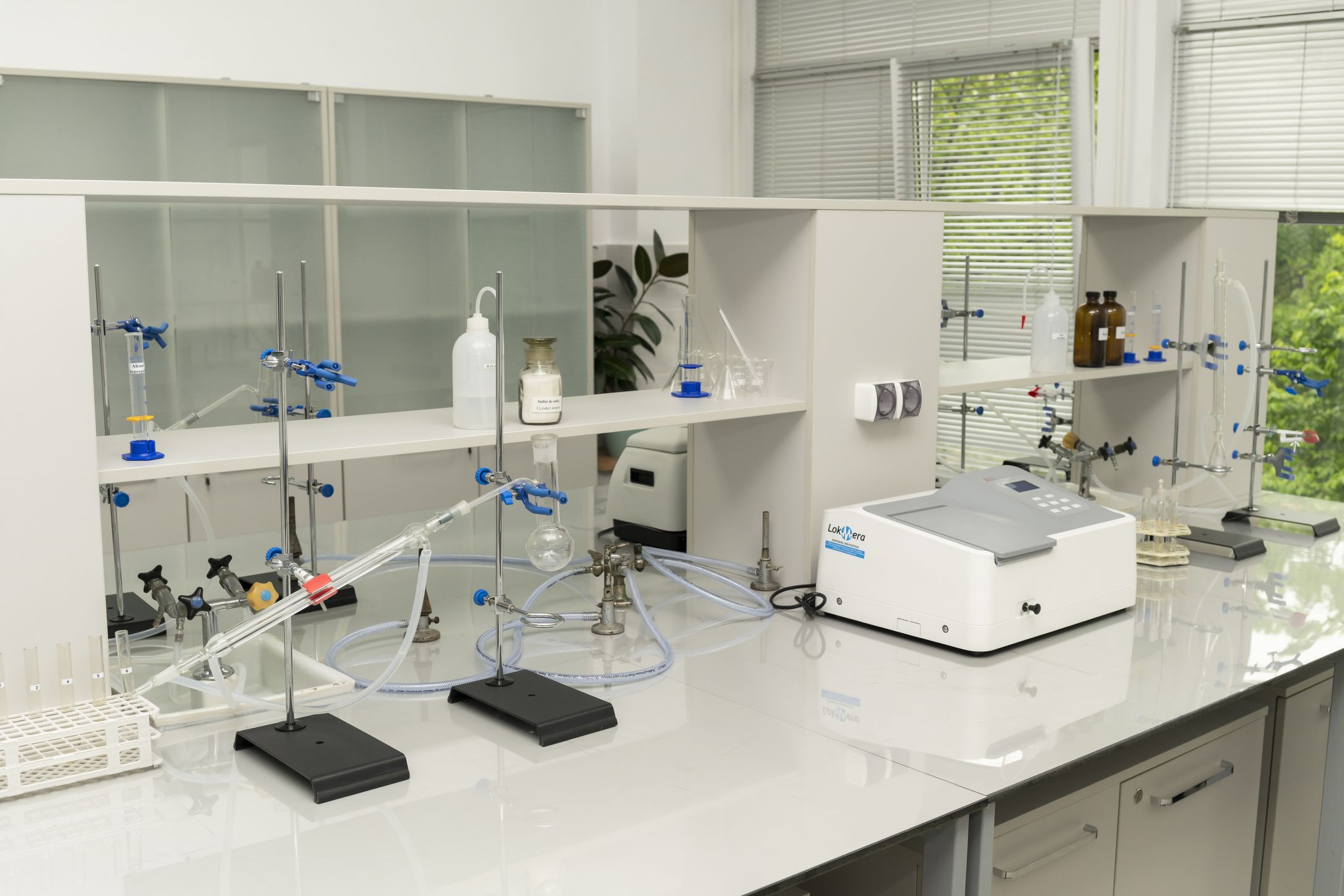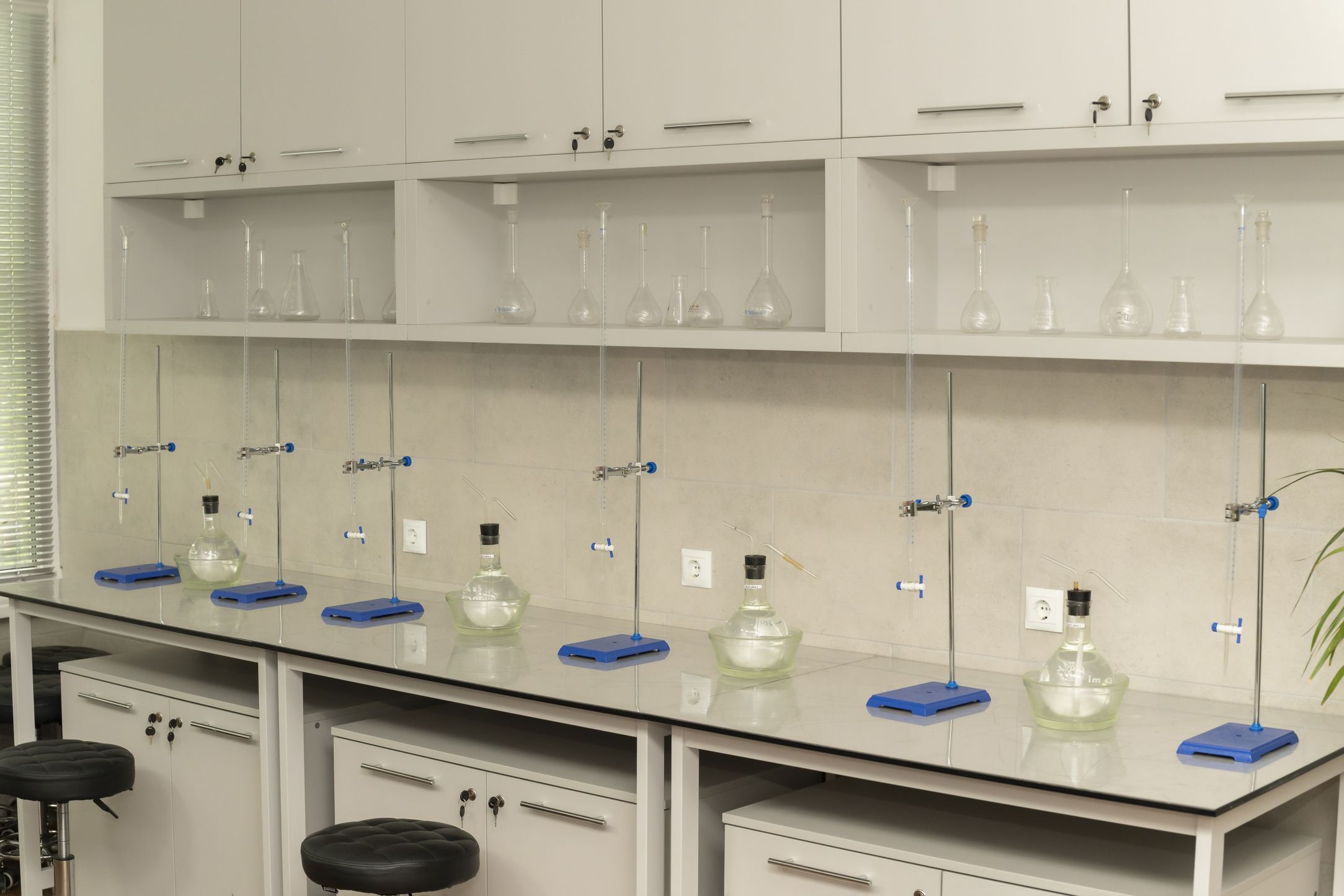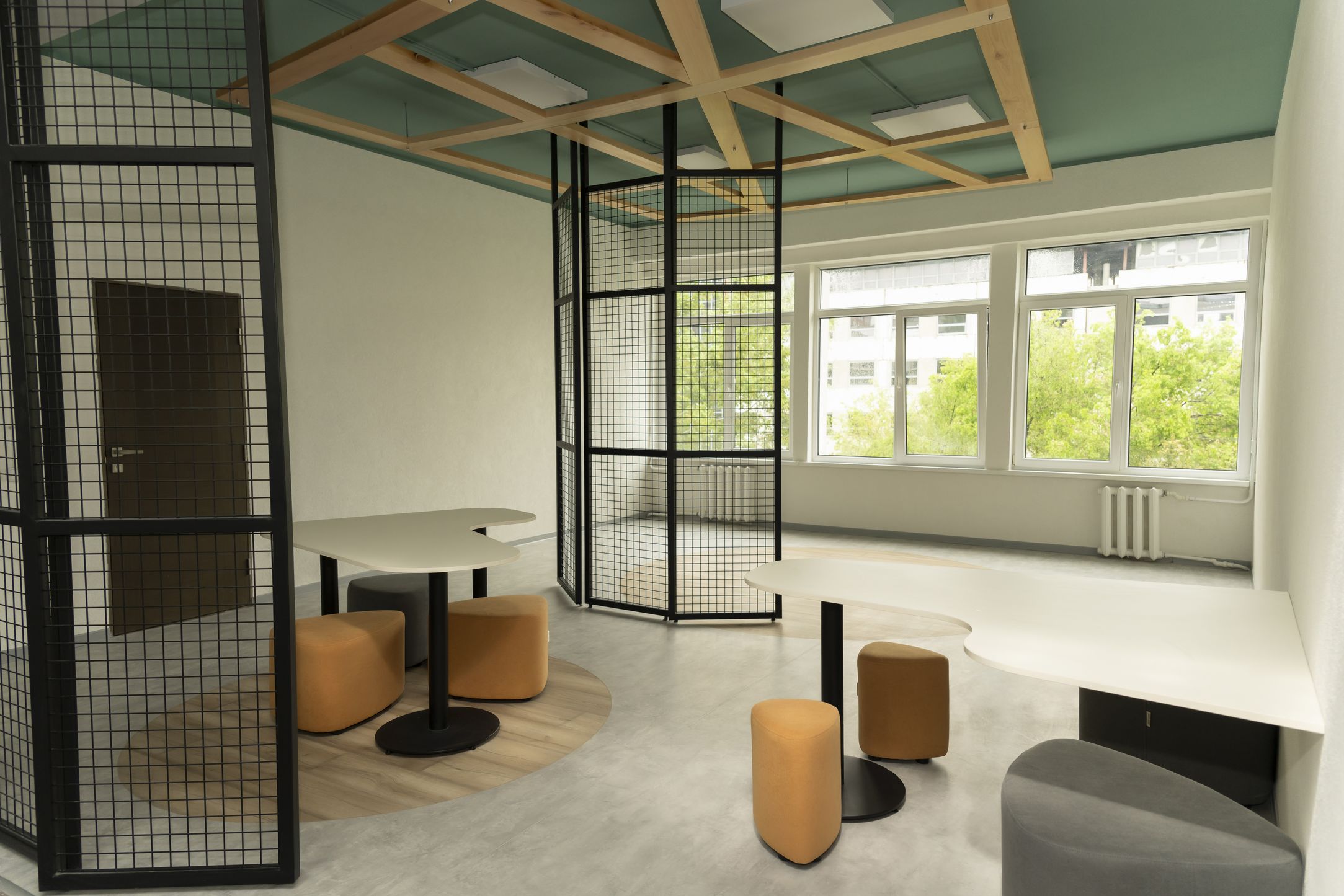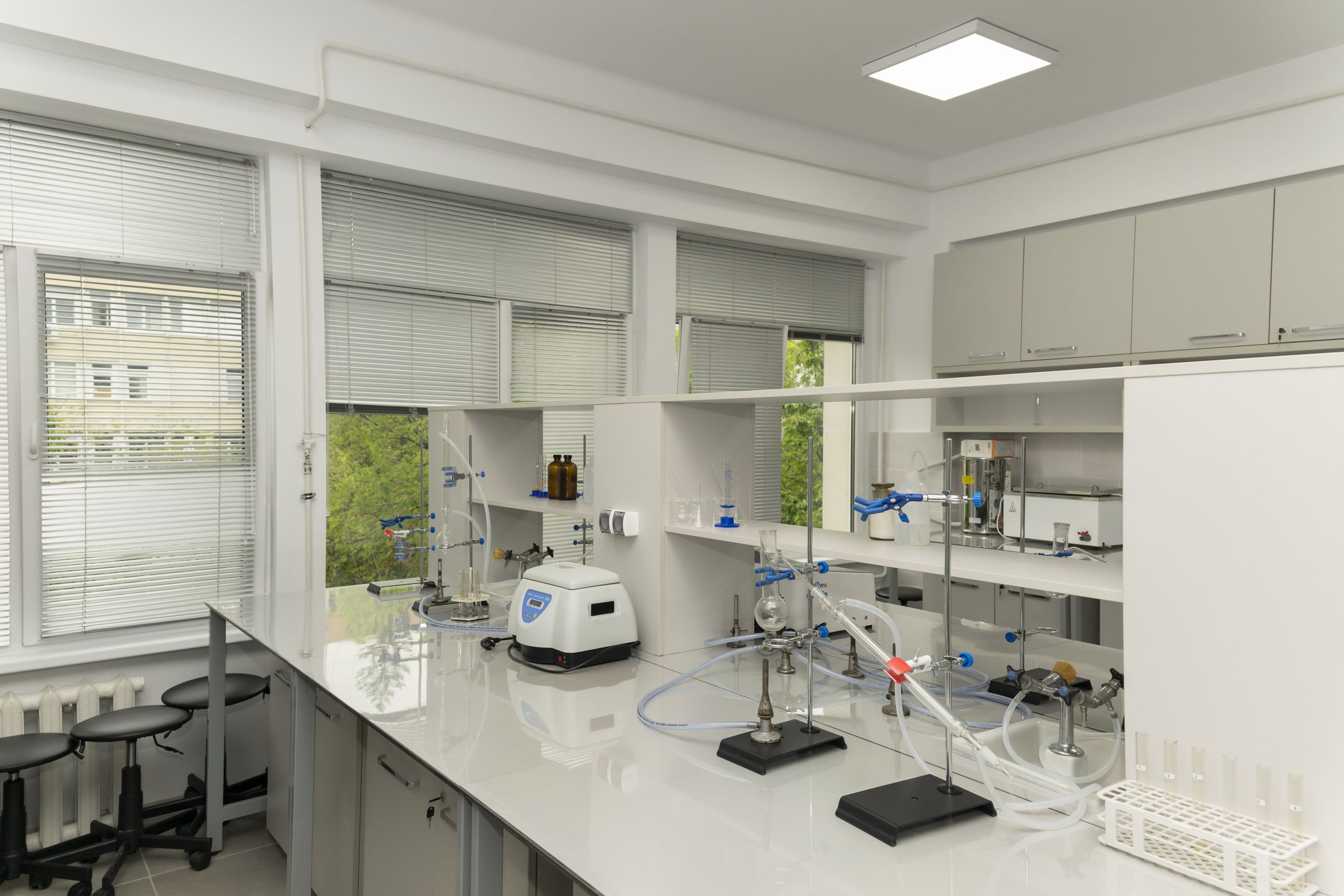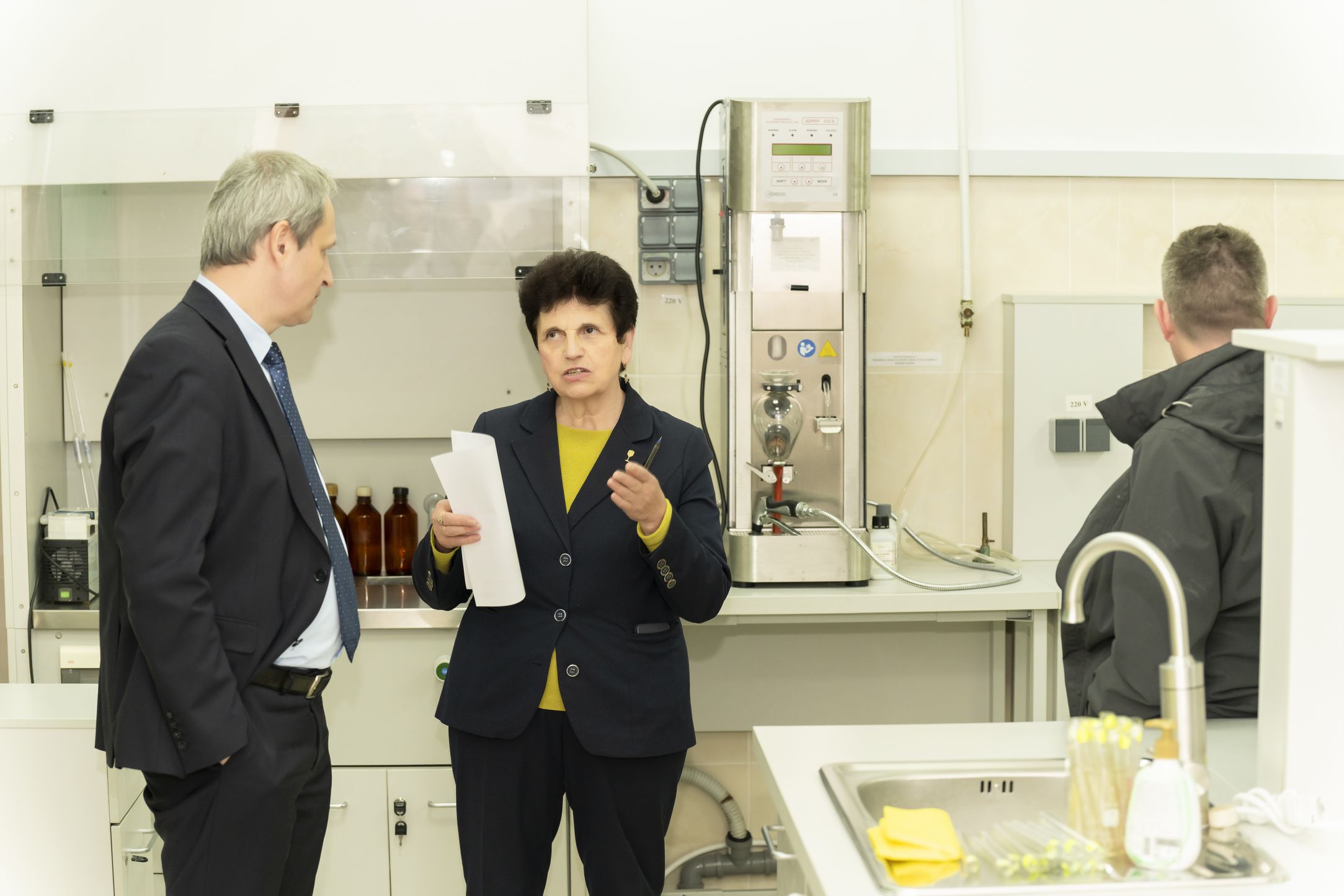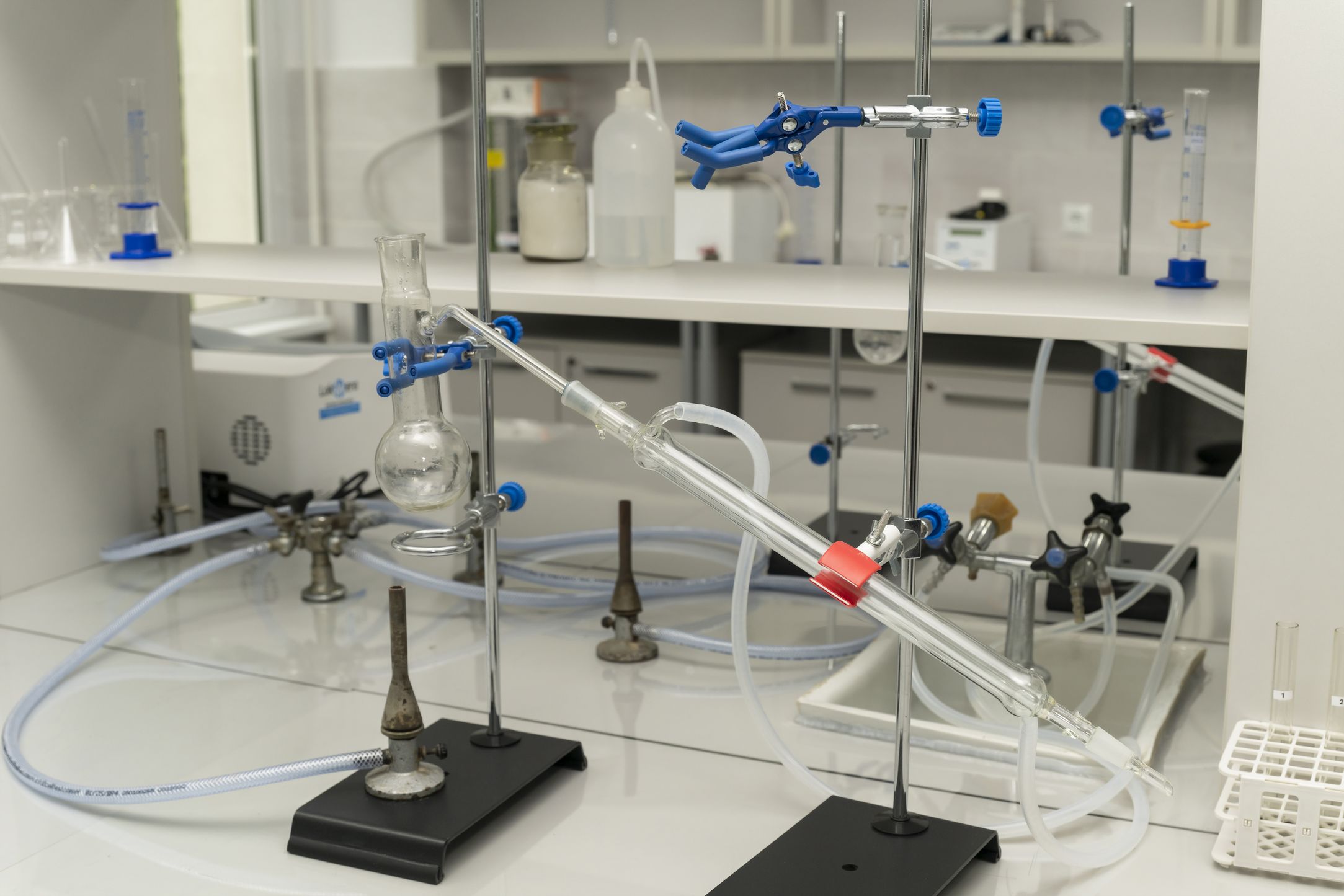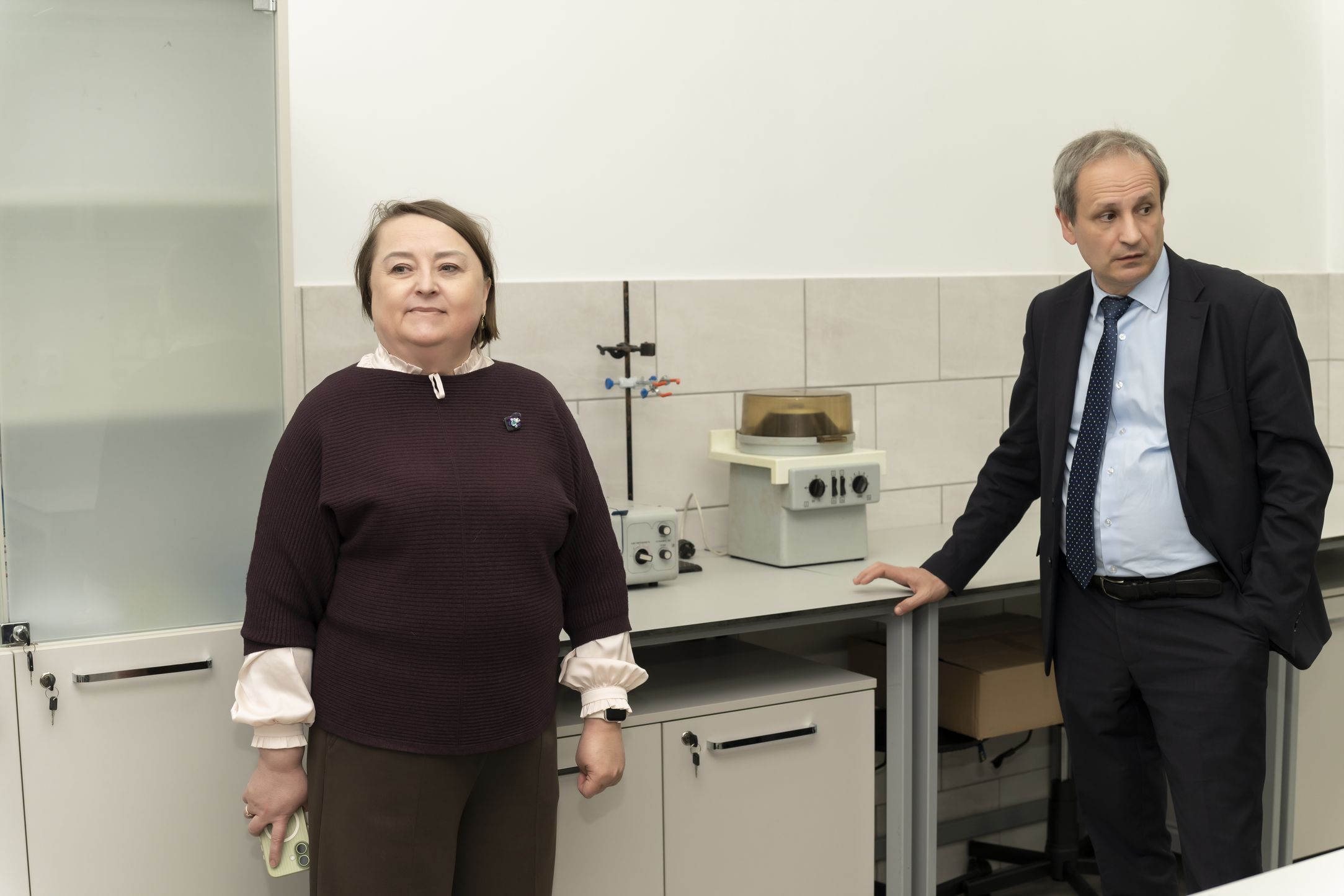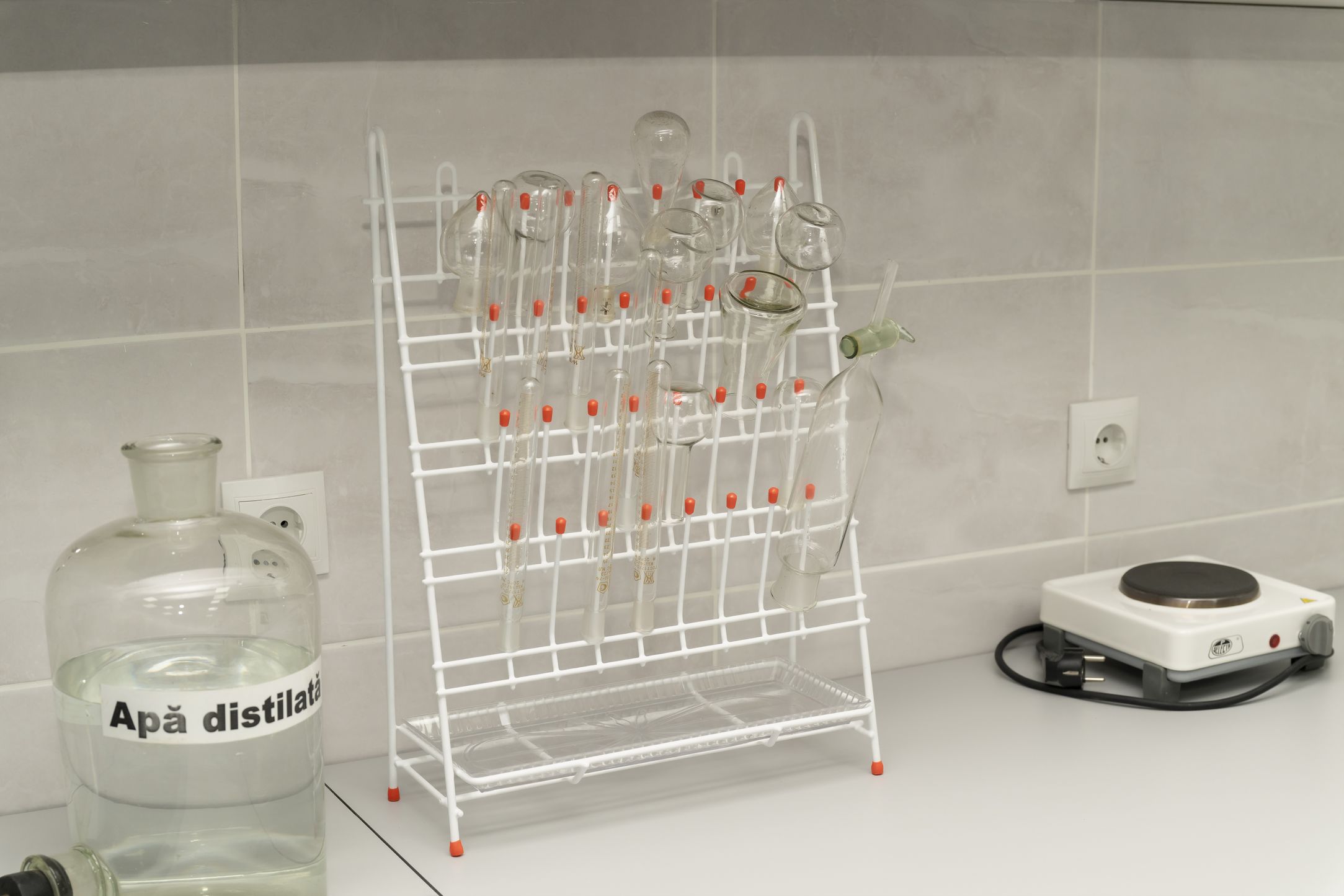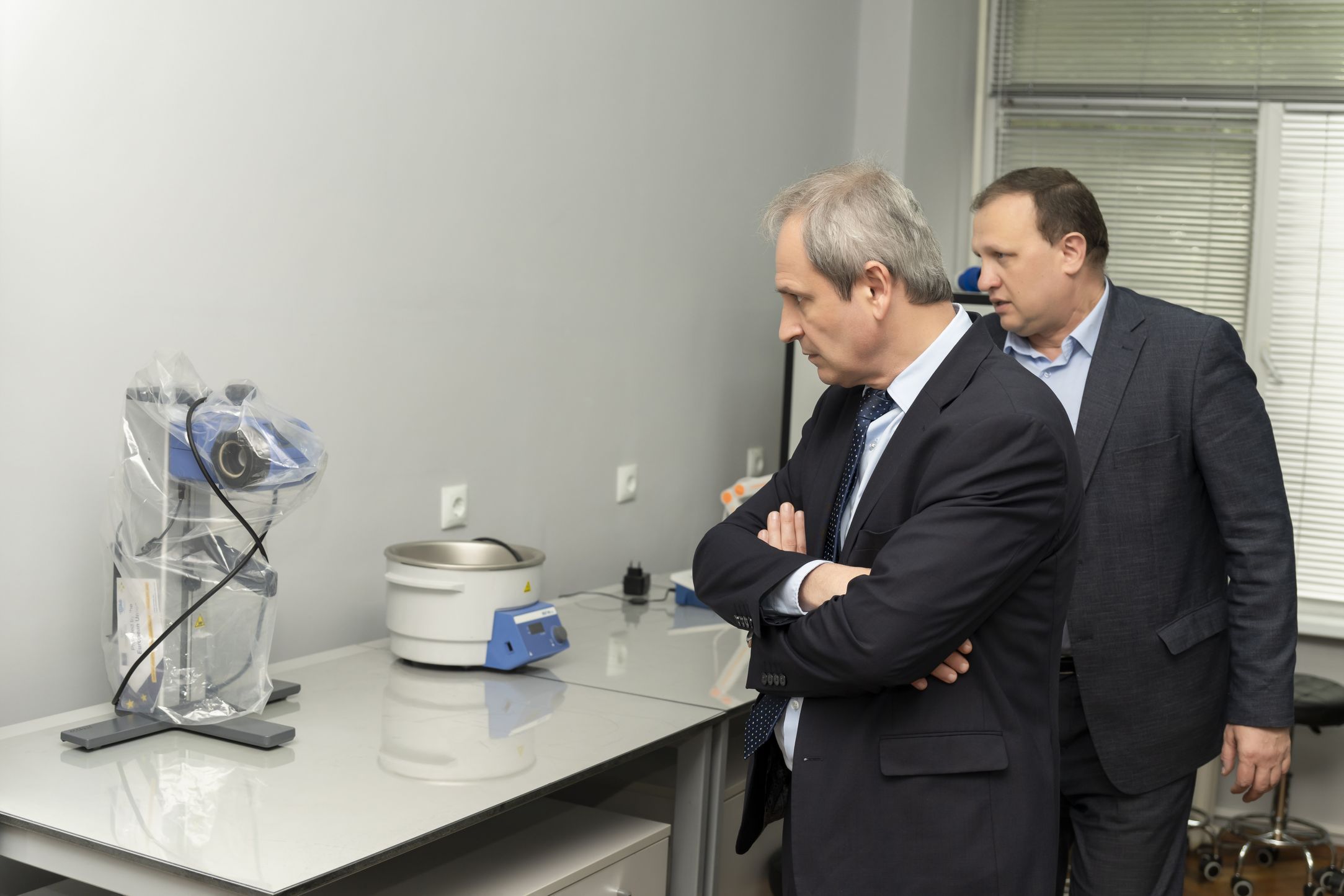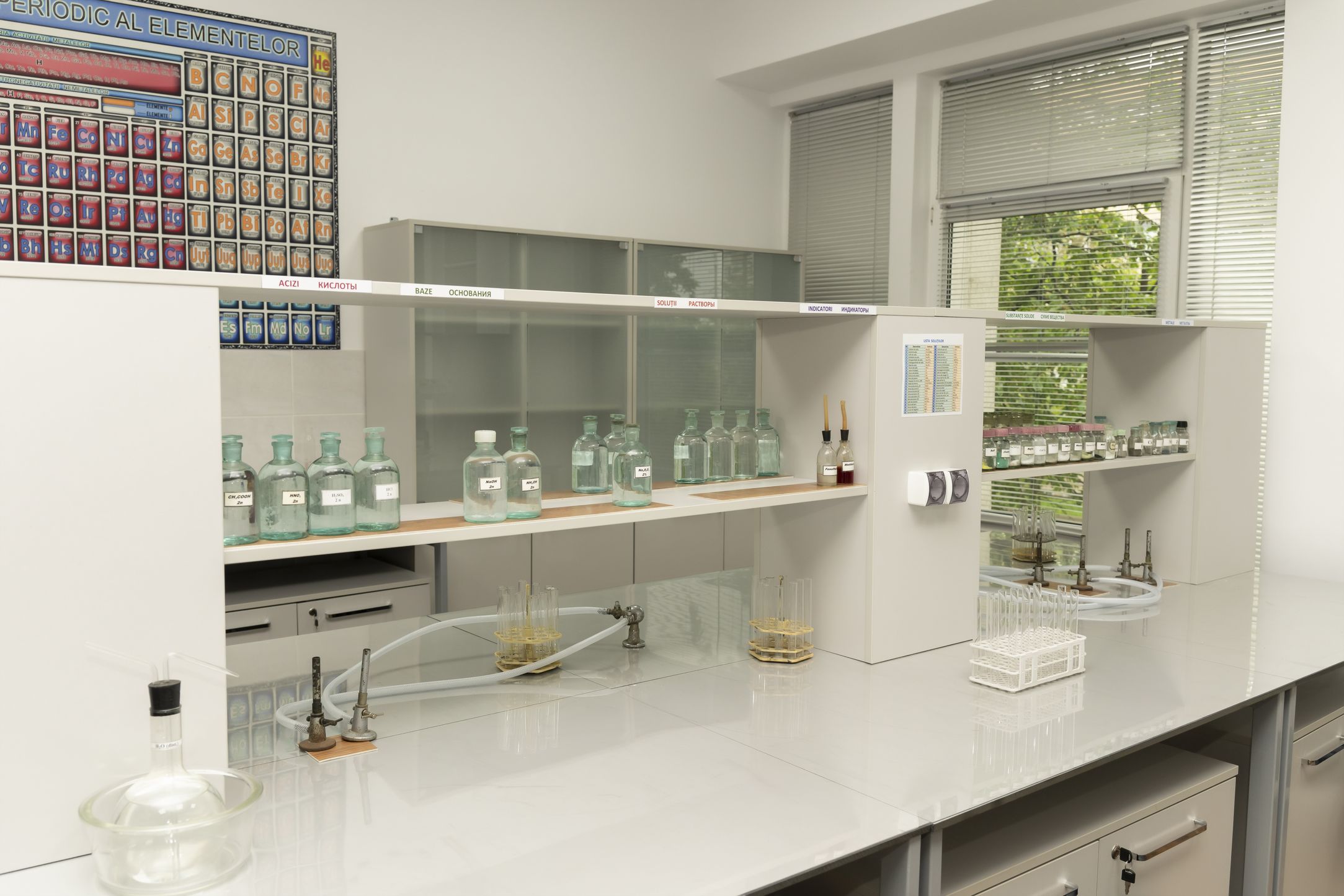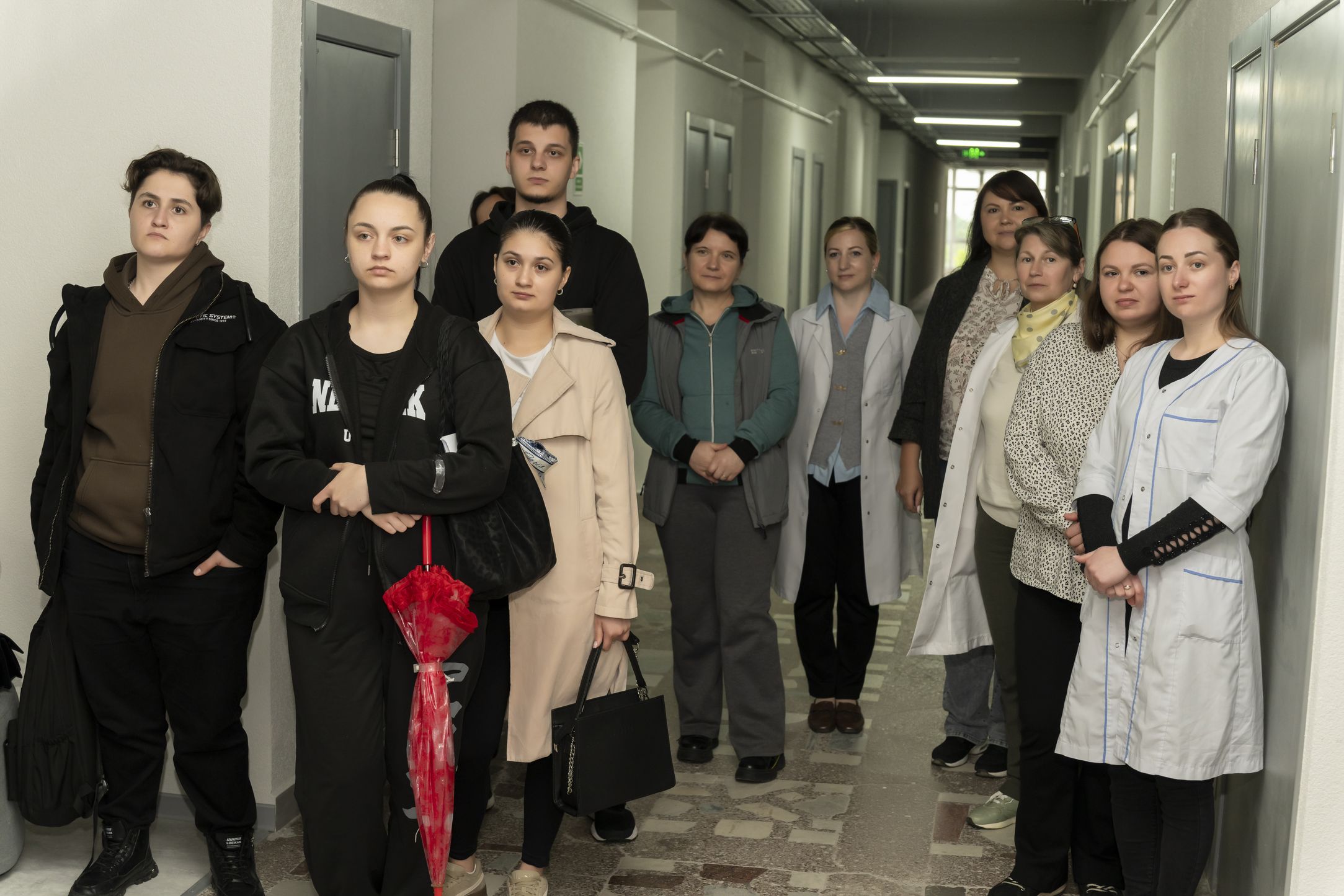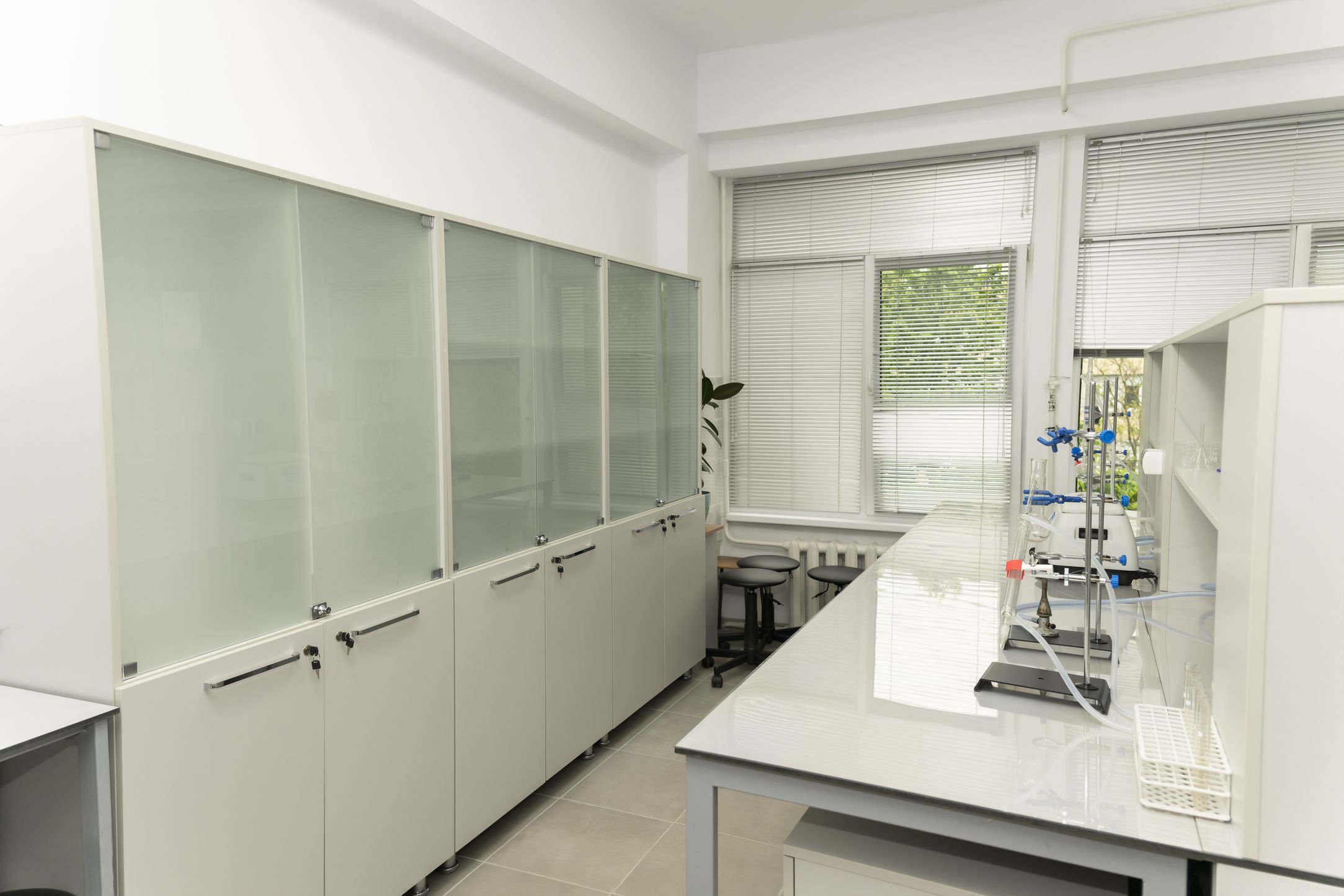









UTM has opened 12 modernized laboratories, creating a new space for applied education. On May 12, the Faculty of Food Technology inaugurated the upgraded facilities, which will support practical training, research and interdisciplinary applied activities.
The laboratories have been equipped and adapted to meet the current needs of technological higher education. They provide the conditions required for teaching, practical work, experiments and applied projects in the food, chemical and agro-industrial fields. Ten of the laboratories are part of the Department of Oenology and Chemistry, while two belong to the Department of Food and Nutrition.
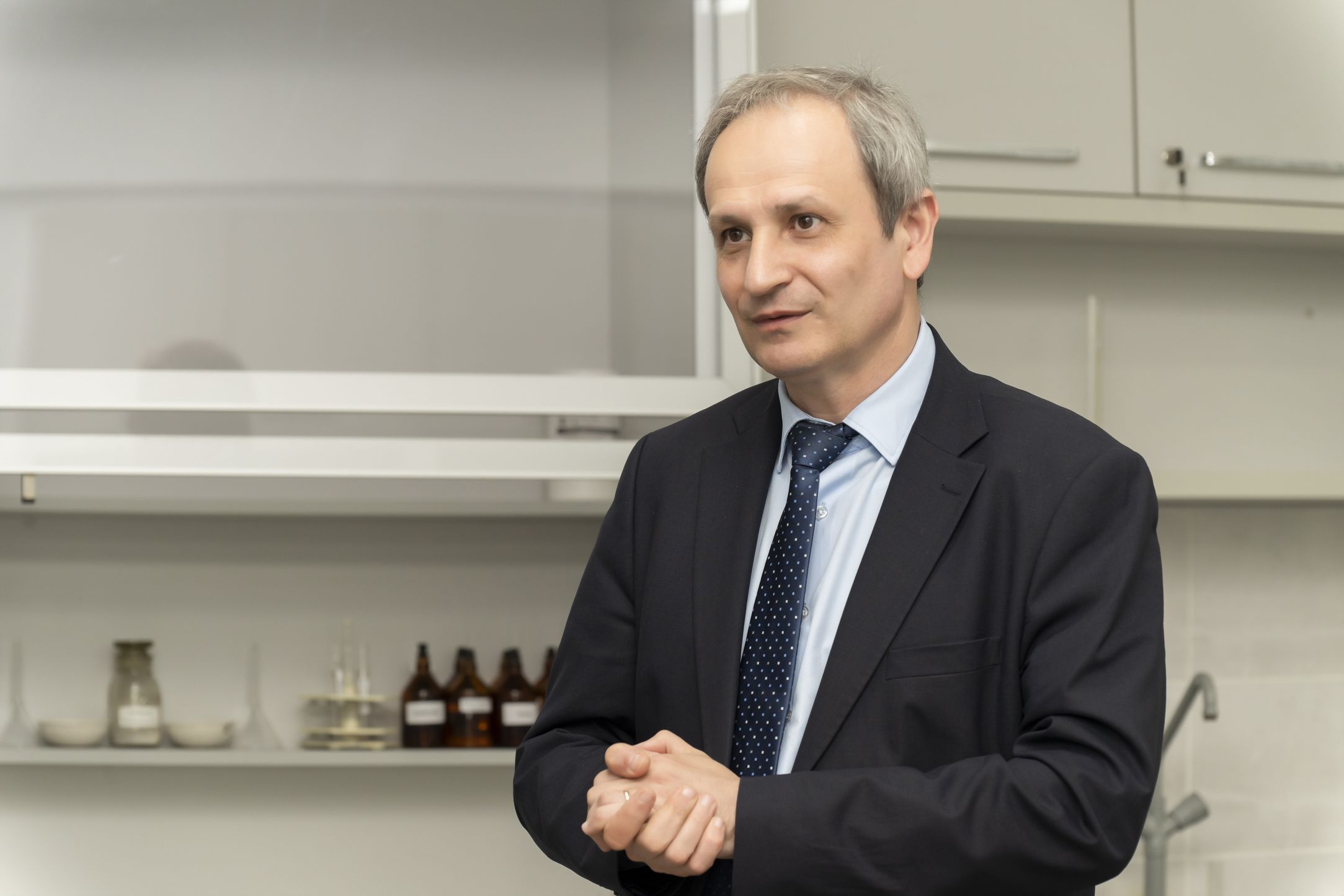
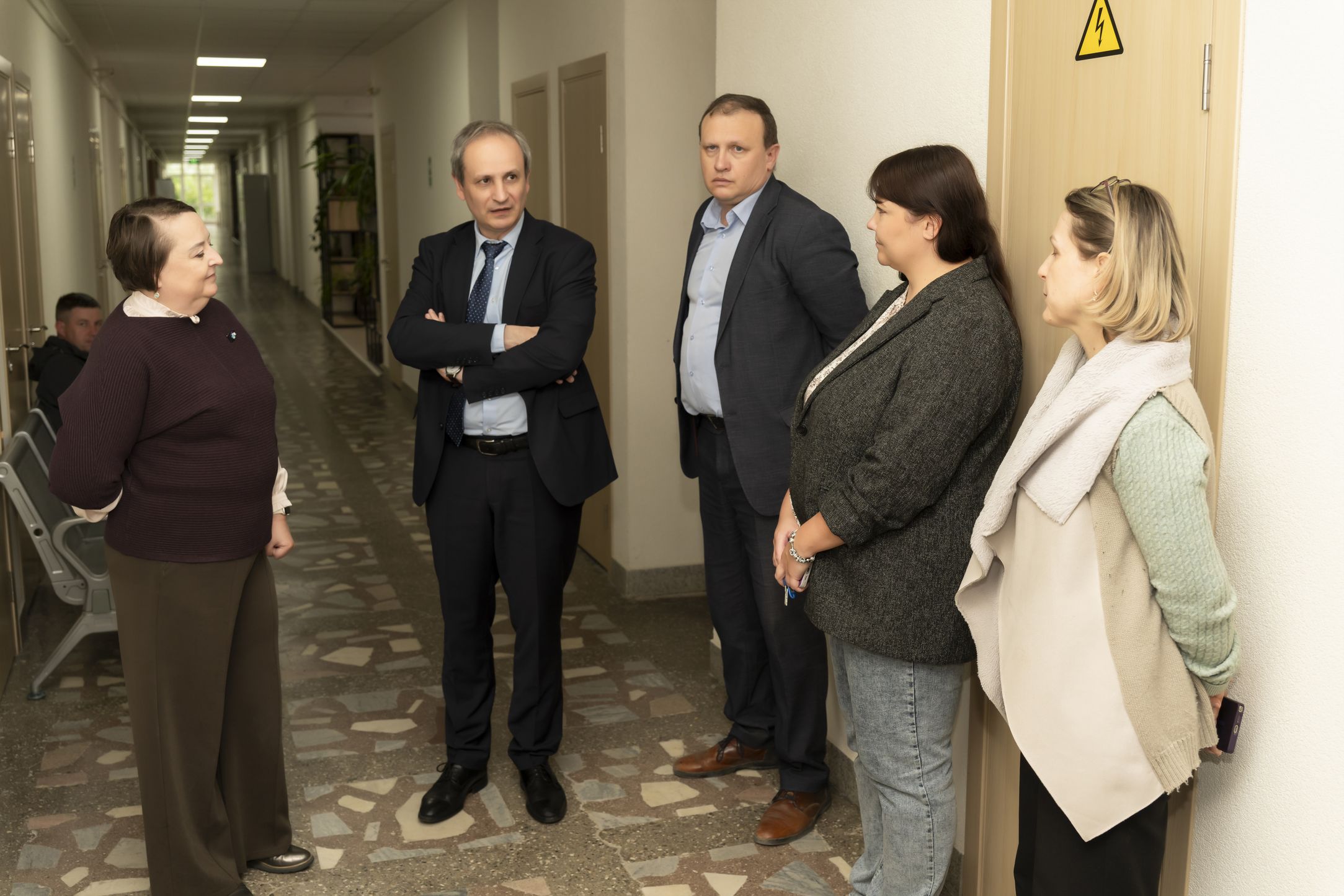
Speaking about student needs and the expectations of the labor market, UTM Rector Viorel Bostan said:
“Students need access to the latest technologies so they can gain the knowledge and skills required for their careers after graduation. Our role is to train strong, well-prepared professionals. We must provide students with the skills they will need when they enter the labor market. We also want to create useful spaces where students can find support and study independently.”
The renovated laboratories will be used by students from the Faculty of Food Technology, as well as students from several other UTM faculties. These include the Faculty of Mechanical Engineering and Transport, the Faculty of Constructions, Geodesy and Cadastre, the Faculty of Architecture and Urban Planning, the Faculty of Energetics and Electrical Engineering, and the Faculty of Agricultural, Forestry and Environmental Sciences.
With these upgrades, UTM is strengthening the infrastructure that supports applied education. Students now have access to laboratories aligned with current professional standards, while academic staff can organize practical activities in conditions that reflect the realities of the food, chemical and agro-industrial sectors.
UTM is continuing to develop spaces where education, research and practice come together. Through these investments, the university is preparing specialists who can respond to the needs of the economy and contribute to Moldova’s technological development.
The infrastucture modernization was carried out with support from the World Bank, as part of an investment project worth approximately 200,000 euros. The funding was complemented by repair and fitting-out works carried out by the Technical University of Moldova.