An electric machine that performs well under normal conditions can quickly fail when just one phase develops a fault. High-power motors used in electric vehicles and industrial systems need to keep running even when this happens.
Researchers from the Technical University of Moldova (UTM), working with the “Gheorghe Asachi” Technical University of Iași (TUIASI), have developed a single framework for evaluating winding topologies in six-phase induction machines. In practical terms, their study shows which motor design copes best when one of its phases fails.
The paper’s authors are Petru Todos, Ghenadie Terțea, Ilie Nuca and Vadim Cazac of UTM’s Department of Electrical Engineering, together with Costică Nițucă and Alin Dragomir of TUIASI.
The study has been published in Technologies, an international Q1 journal indexed in Web of Science and Scopus, with an Impact Factor of 5.2 and a CiteScore of 6.7. It builds on research first presented at the SIELMEN 2025 conference in Chișinău, expanding the original analysis to nine winding topologies and validating the results experimentally.
What does "six-phase" mean?
Conventional motors run on three electrical phases. Six-phase induction machines use six. The extra phases improve electromagnetic performance and can allow the motor to keep running under certain fault conditions. This makes them a strong fit for electric transport, the energy sector and industrial applications where reliability is critical.
How the research was done
The team analysed nine stator winding configurations: single-layer and double-layer, full-pitch and short-pitch, symmetrical and asymmetrical. For each one, the researchers calculated a winding quality factor using the magnetomotive force (MMF) polygon method, also known as the Krondl method.
The results reveal a trade-off. A topology that produces a clean magnetic field in normal operation can lose performance once a fault occurs. Designing six-phase machines therefore calls for a multi-criteria approach that weighs magnetic field quality and fault tolerance together.
Six-phase electric drives used in propulsion systems for cars, electric aircraft and underwater vehicles stand out not only for their high energy efficiency, but also for their reliability and fault tolerance. That's why research in this field matters so much today.
- Petru Todos, professor and principal researcher at UTM
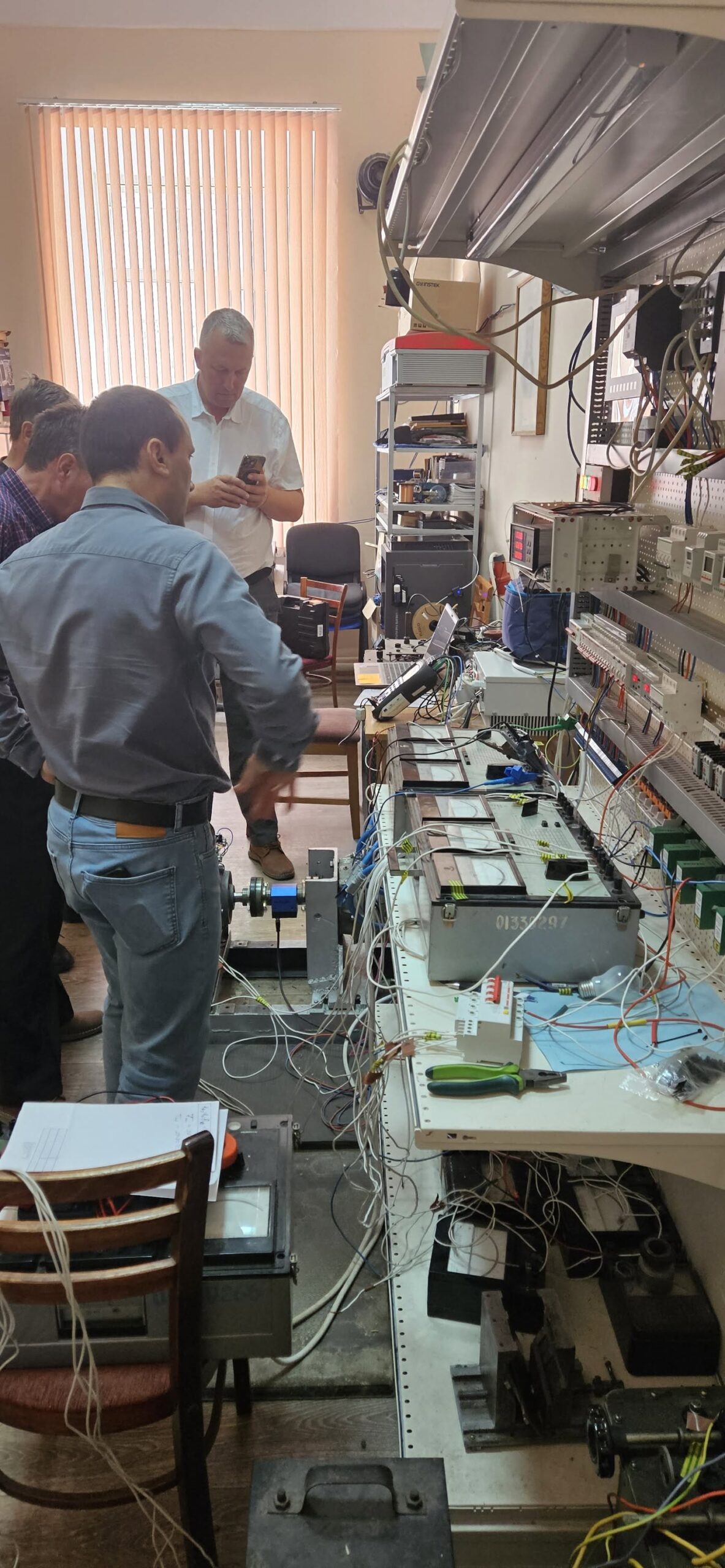
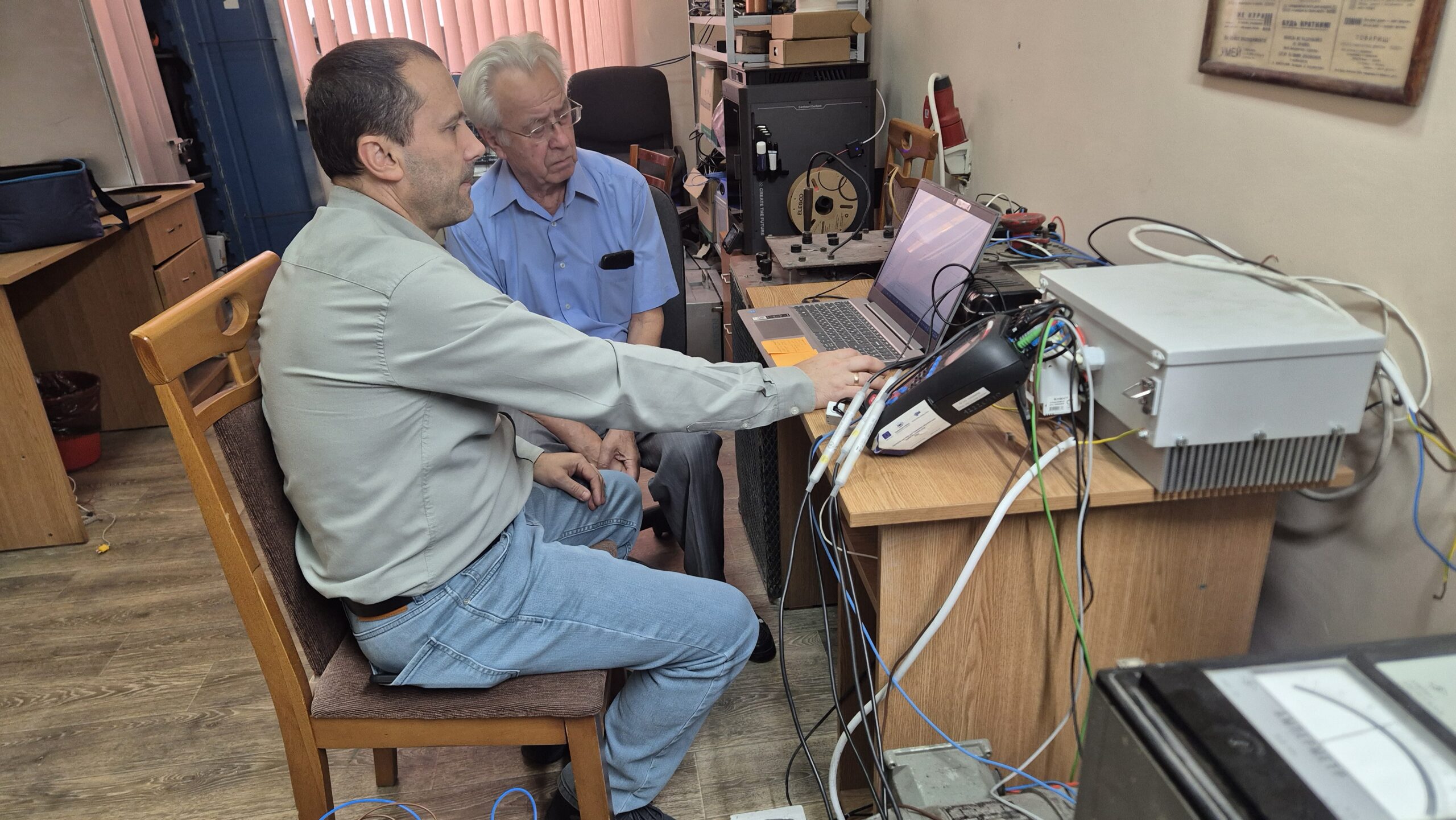
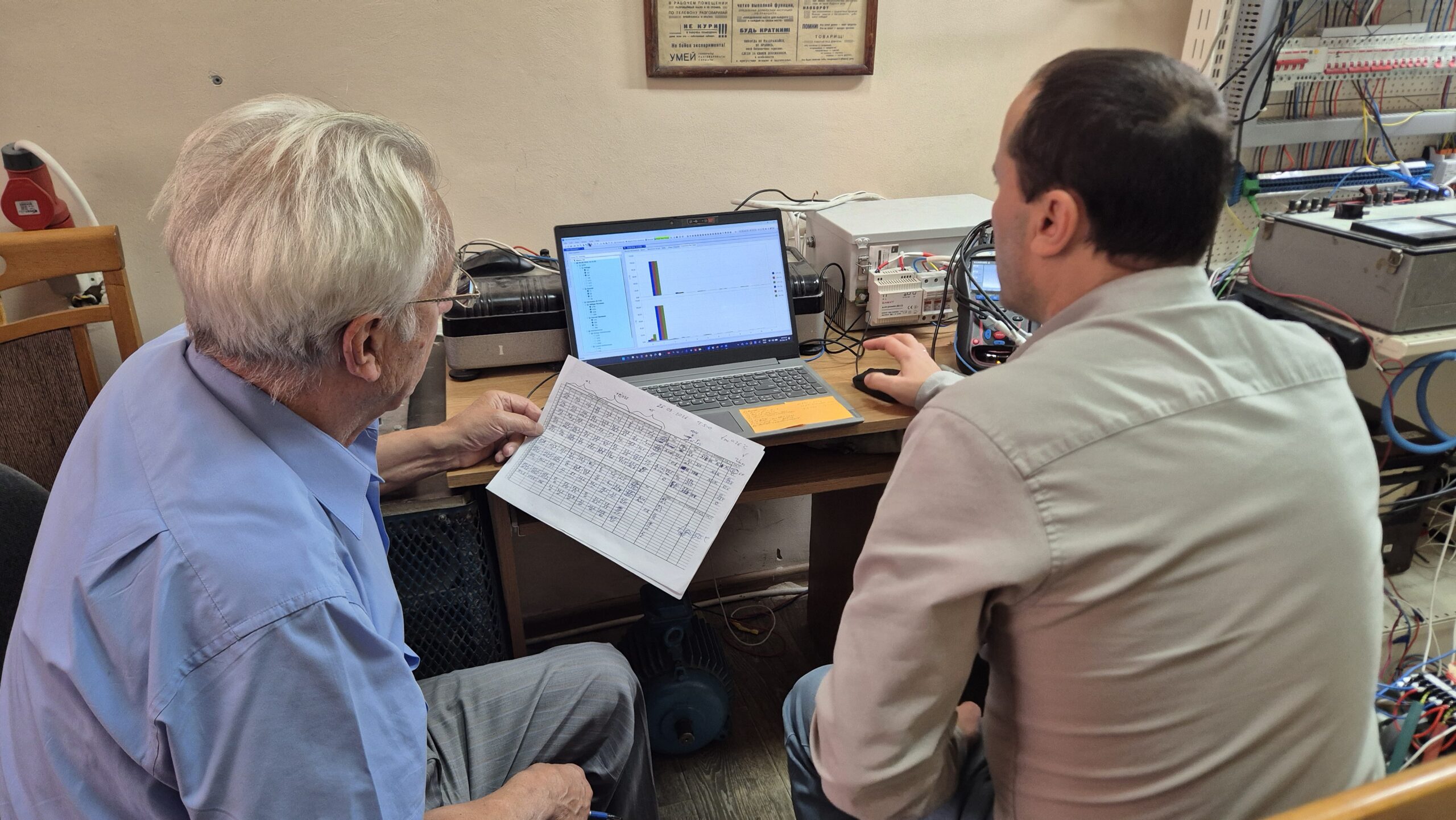
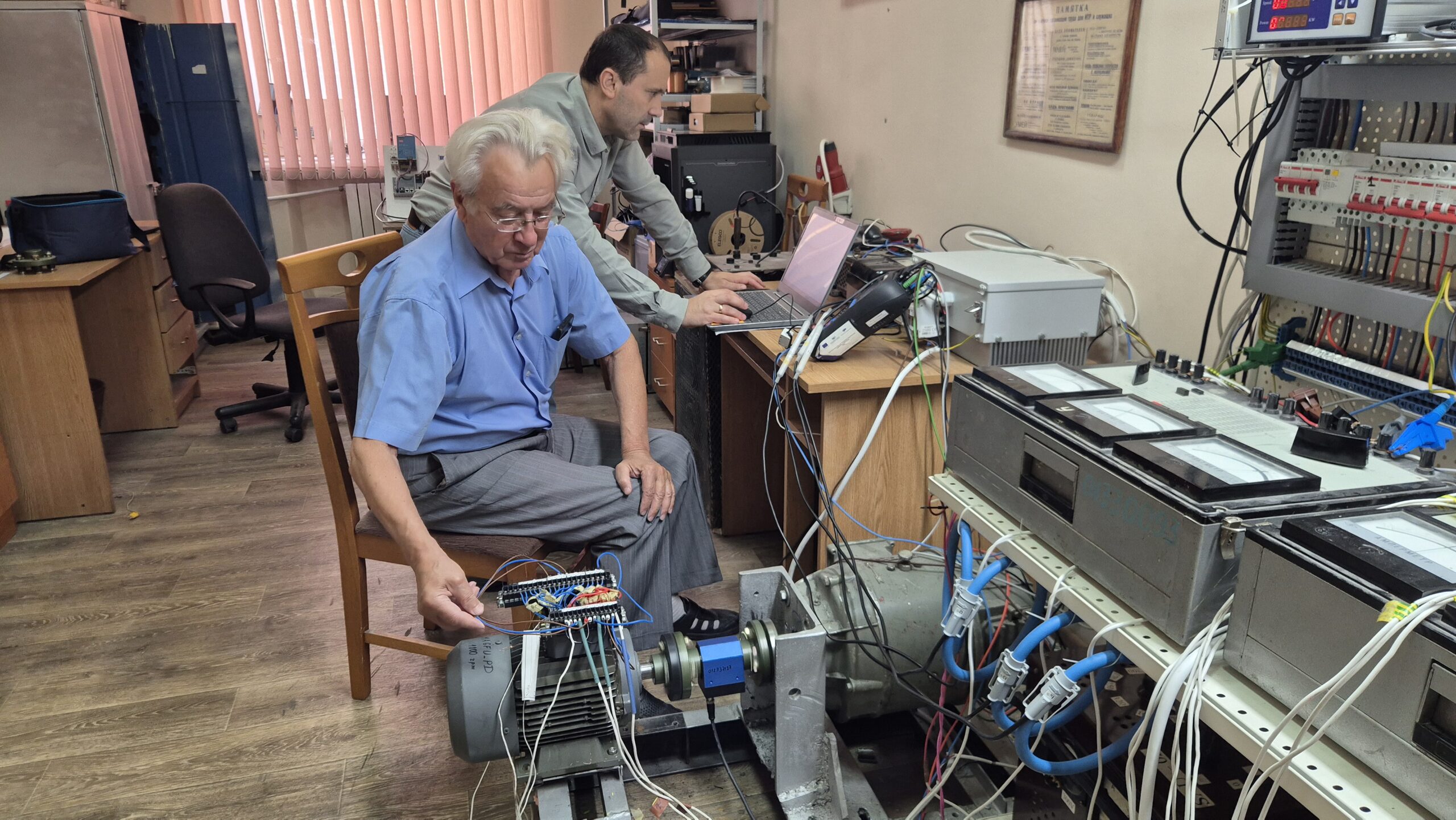
The theoretical findings were tested on a real prototype, the MA6F motor, built specifically for the experiment. The team measured its torque-speed characteristics in three modes: with six, five and three working phases. The experimental data confirmed the analytical predictions.
The research was carried out under UTM institutional subprogramme No. 020406, “Models, Systems and Technologies for Energy Efficiency, Decarbonisation and Digitalisation of Processes in Energy, Industry, Construction and Transport” (MoSiTed), coordinated by Assoc. Prof. Ilie Nuca, PhD. It was also partly supported by the Romania–Moldova bilateral project PN-IV-PCBRO-MD-2024-0264.
The publication is further evidence of UTM’s standing in international research, and the partnership with TUIASI strengthens scientific ties between Moldova and Romania.
The article is open access:
P. Todos, G. Terțea, I. Nuca, V. Cazac, C. Nițucă, A. Dragomir. “Impact of Winding Topology on Magnetic Field Quality and Fault Tolerance in Six-Phase Induction Machines,” Technologies, 2026, 14(9), 542, pp. 1–26.