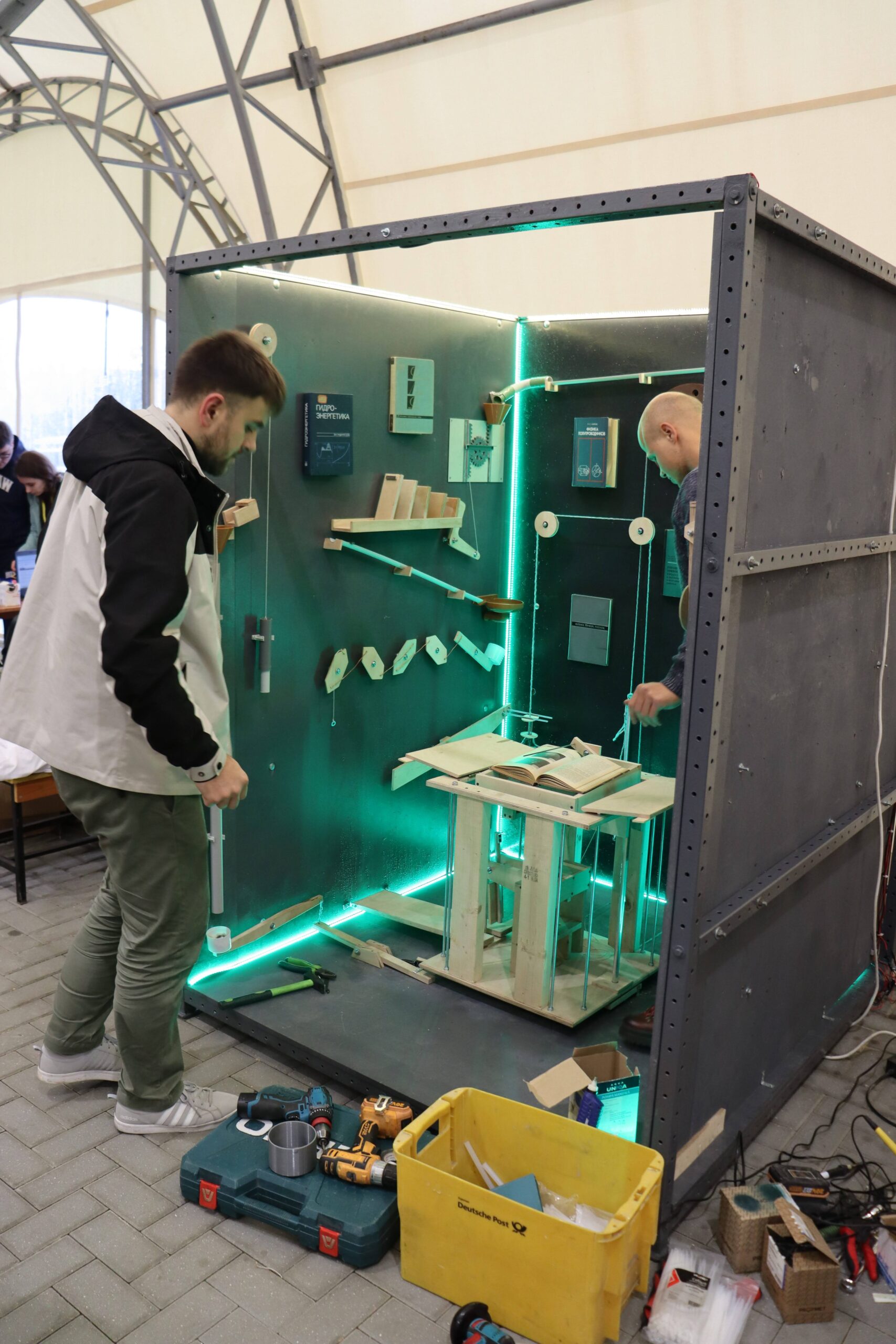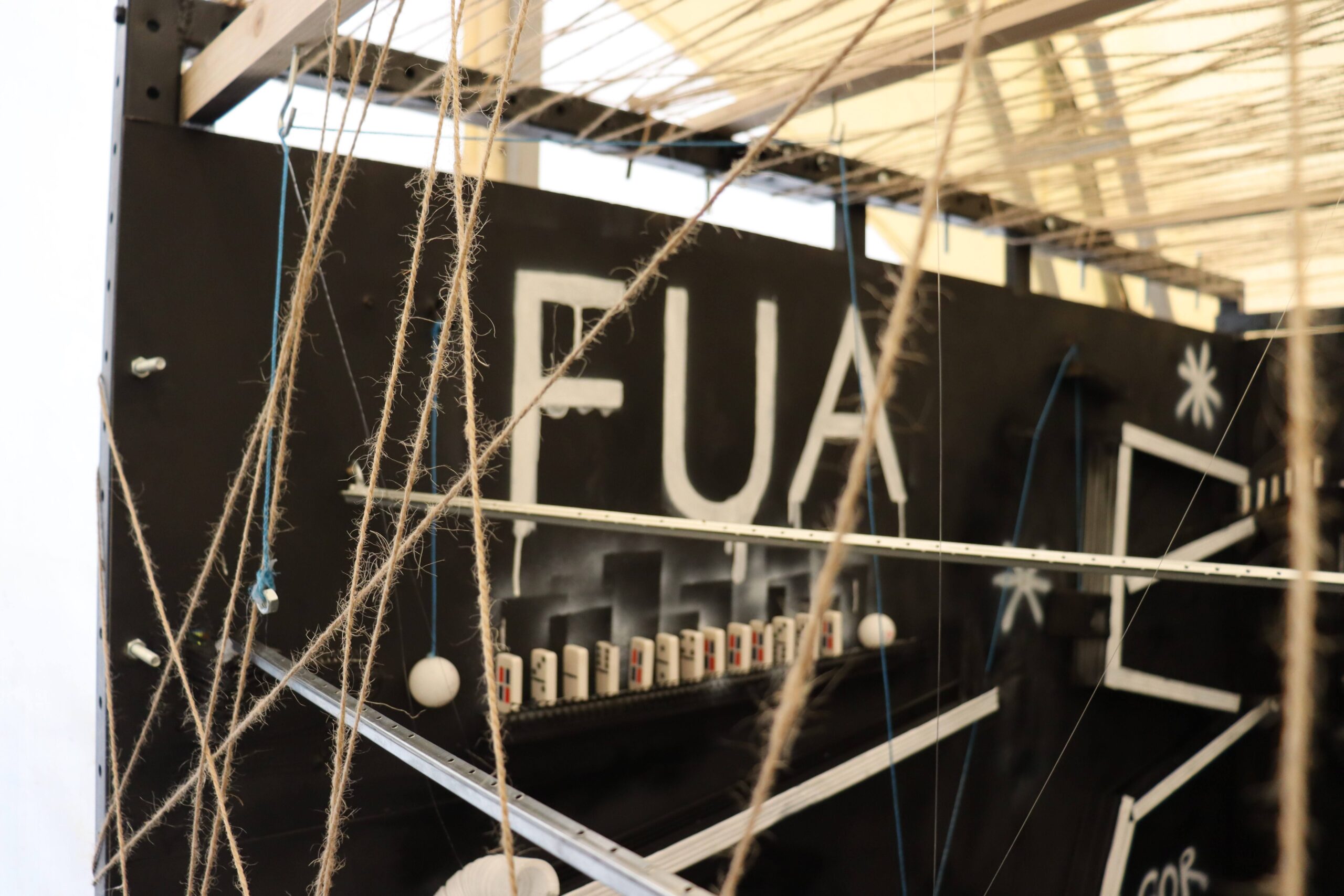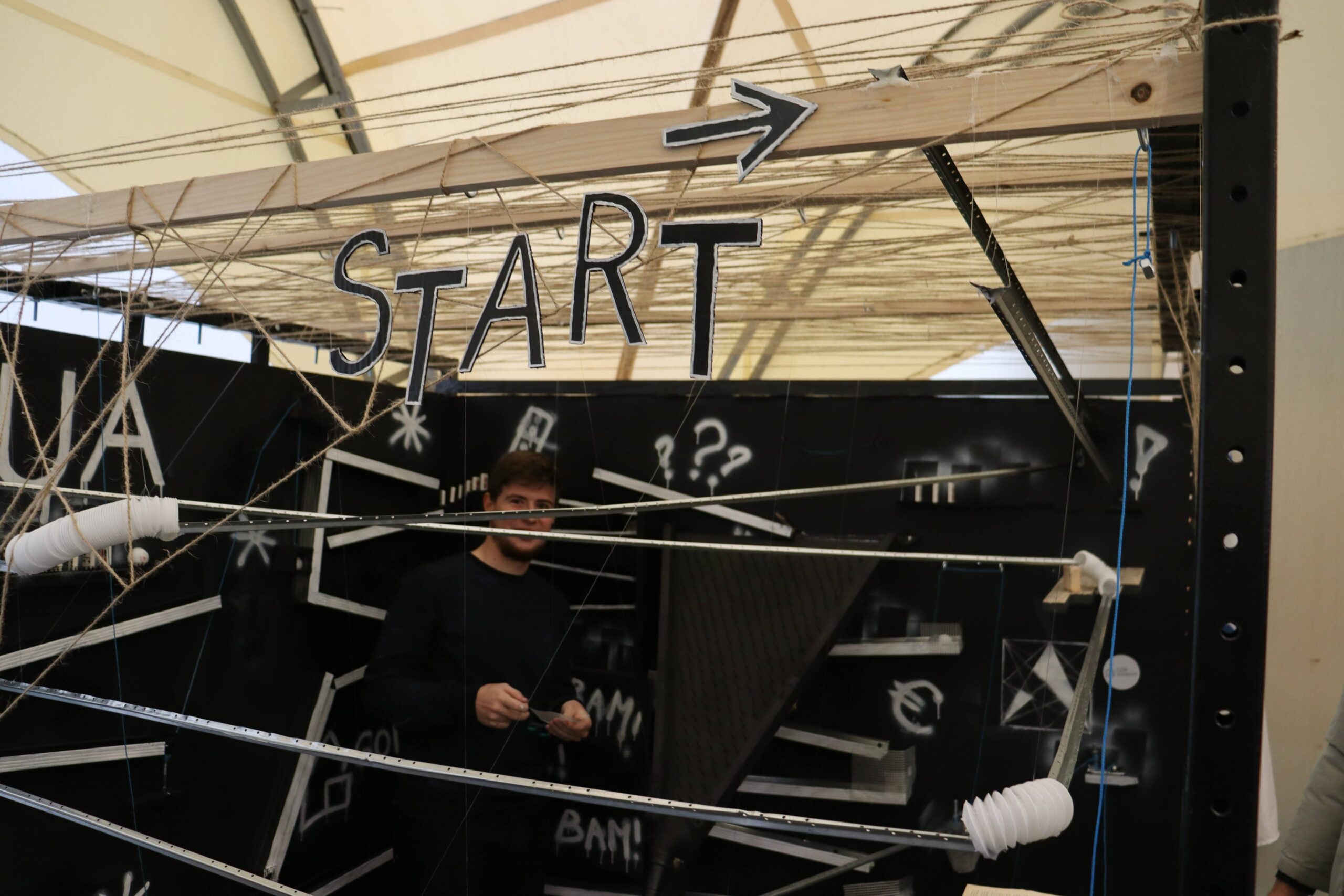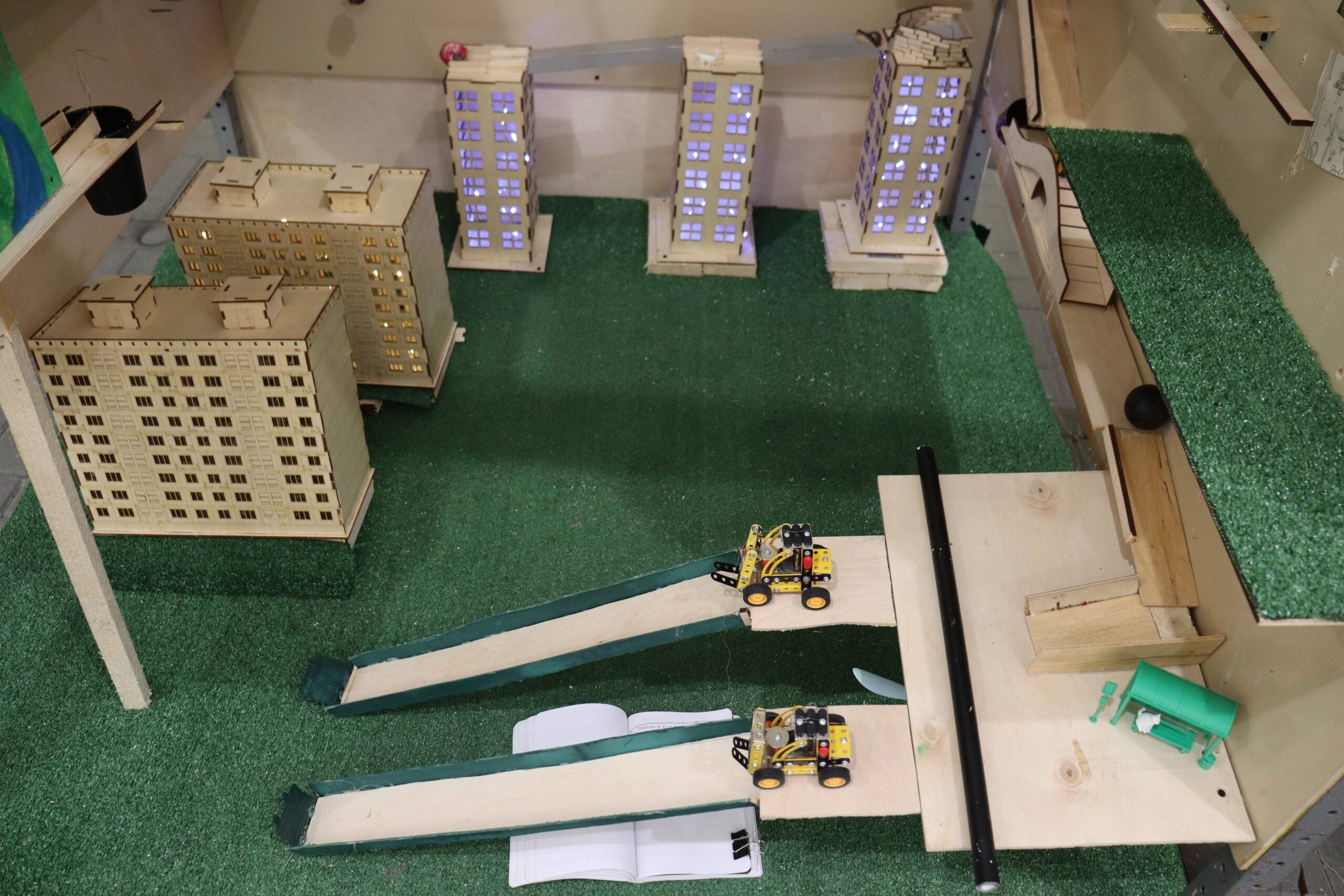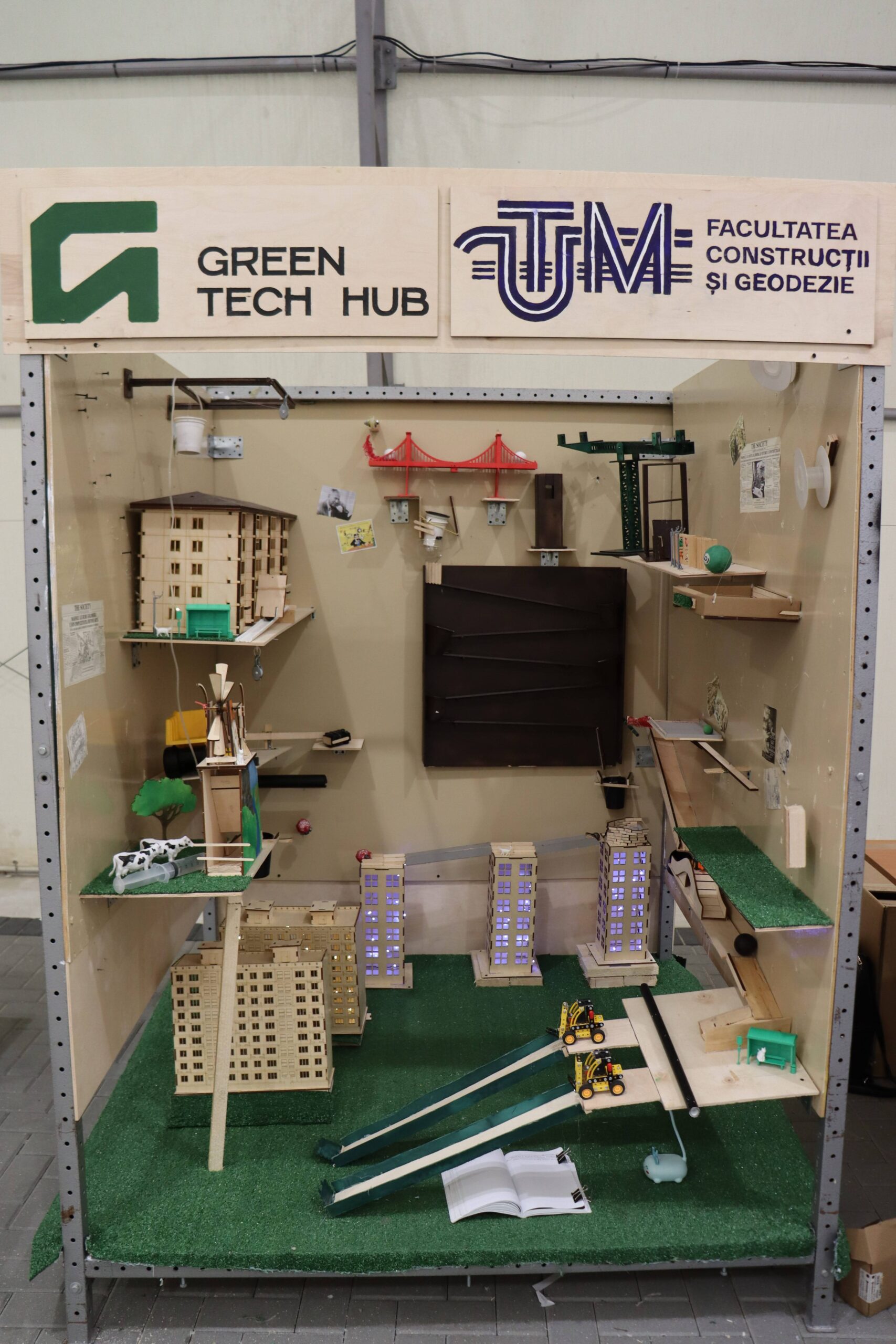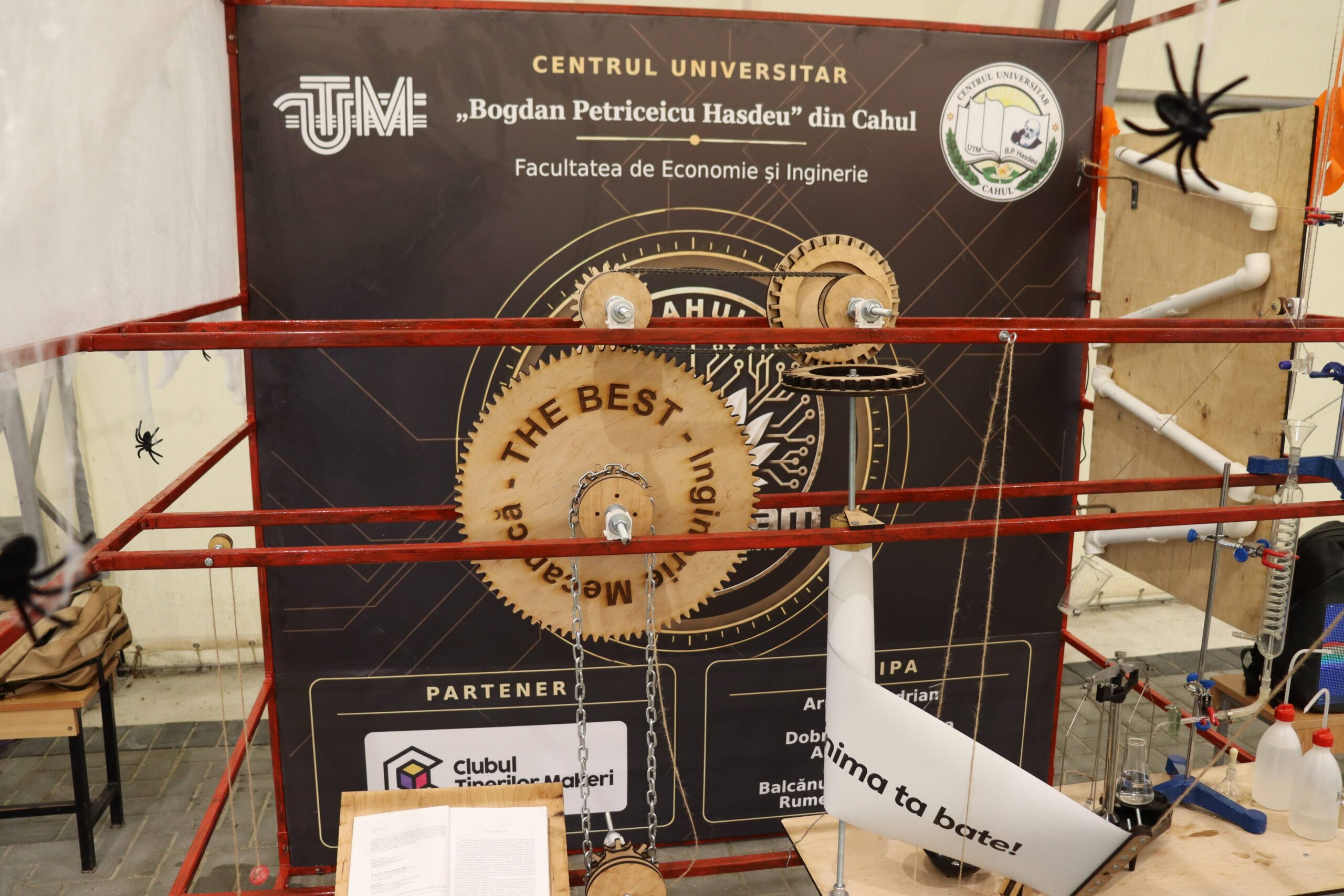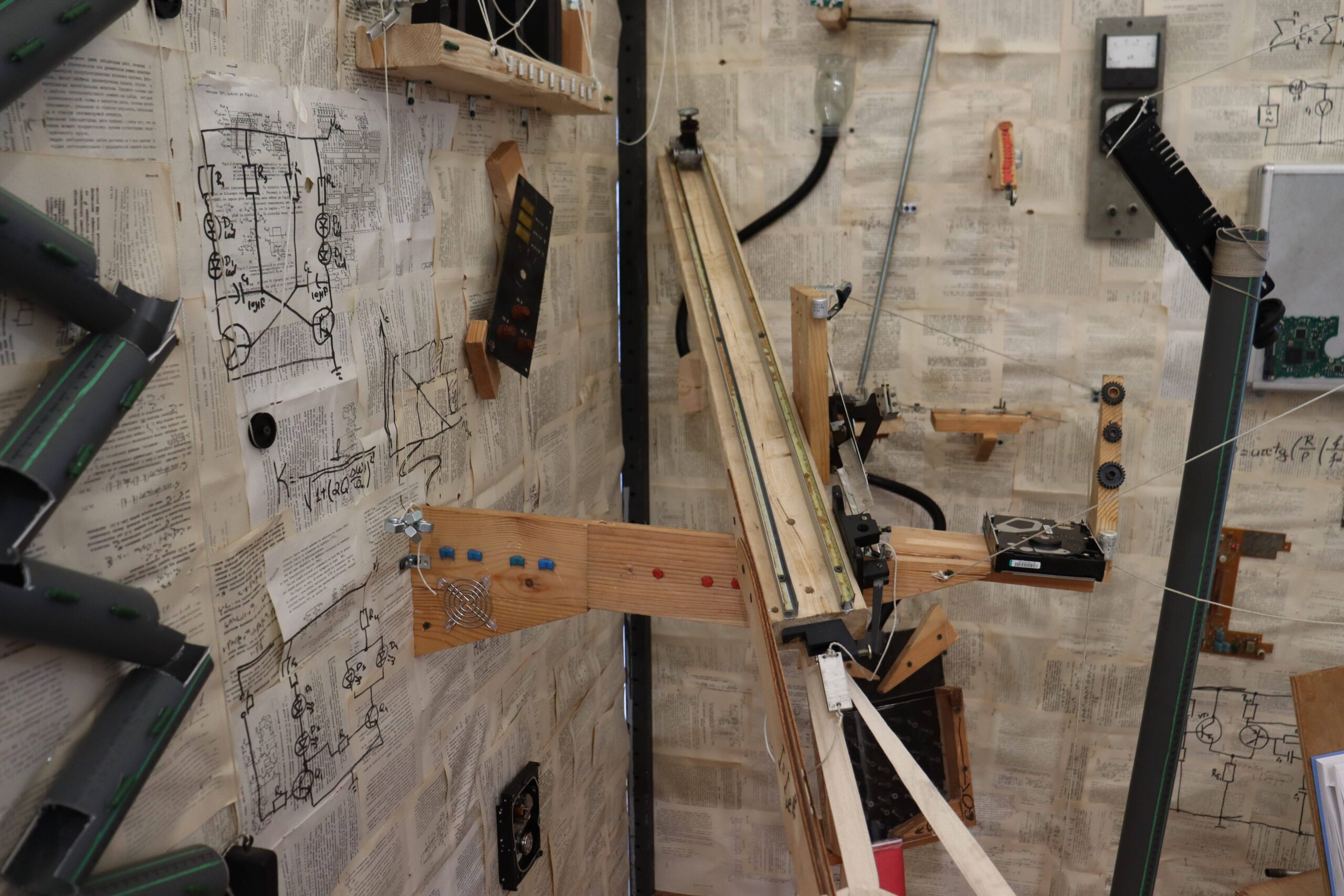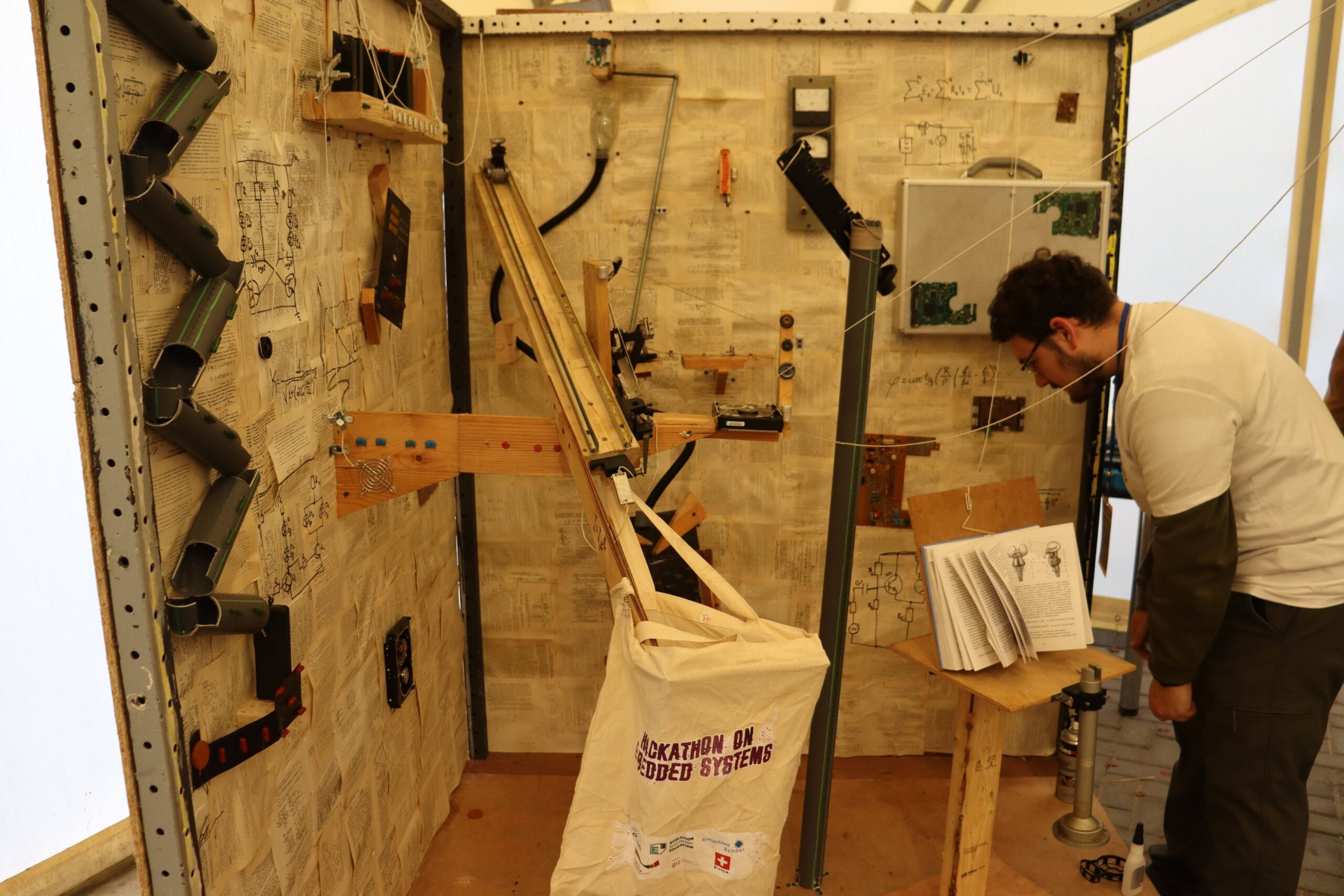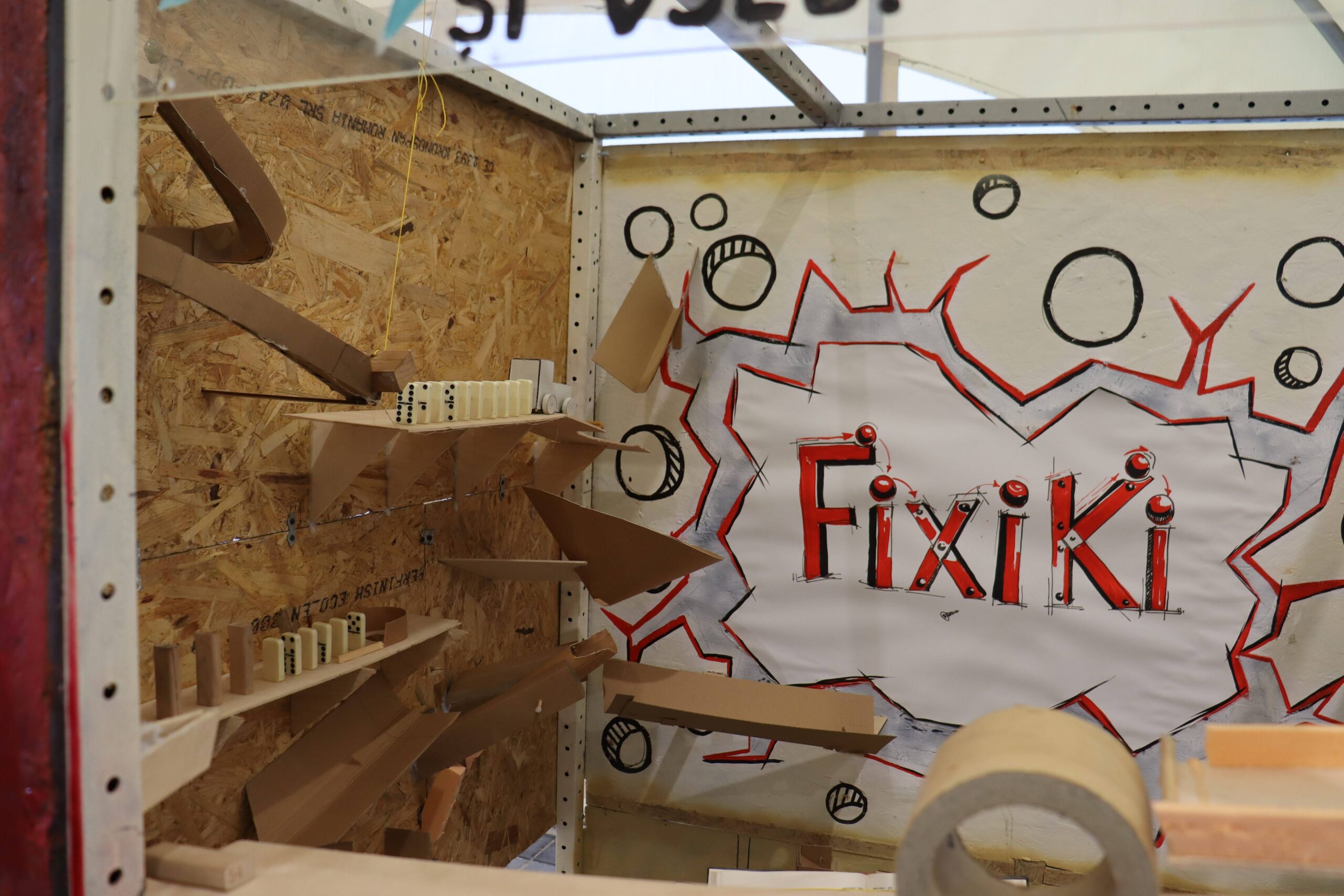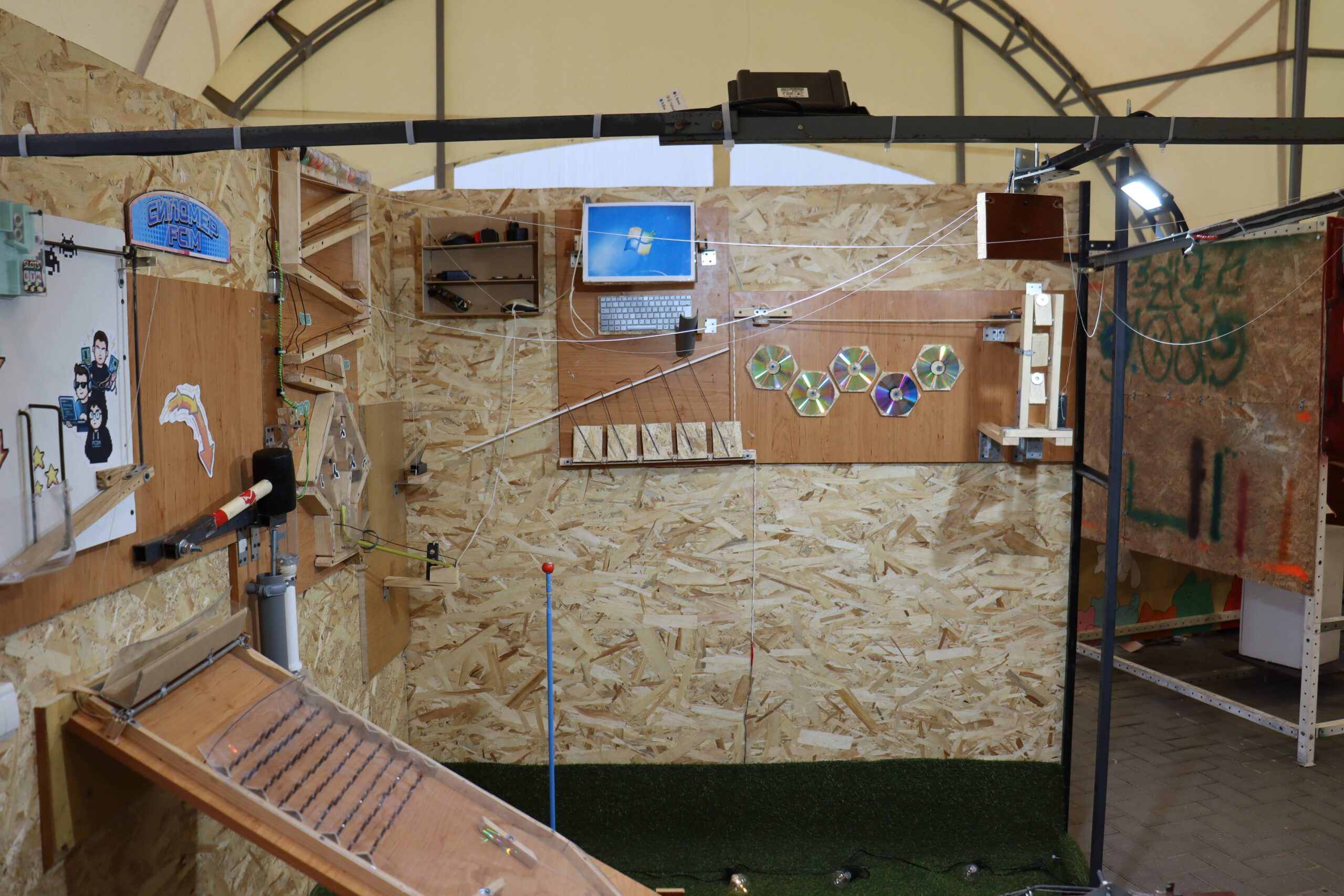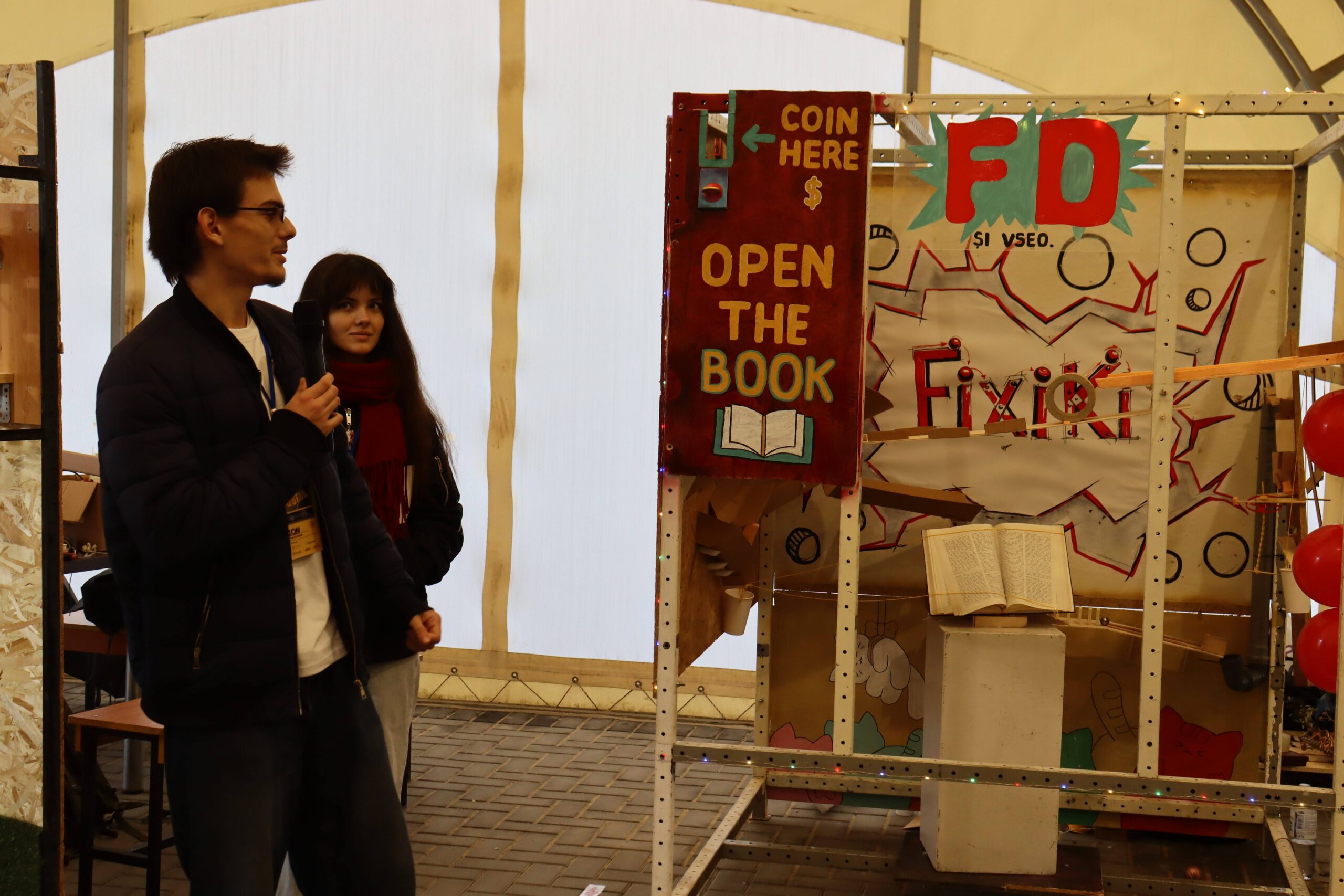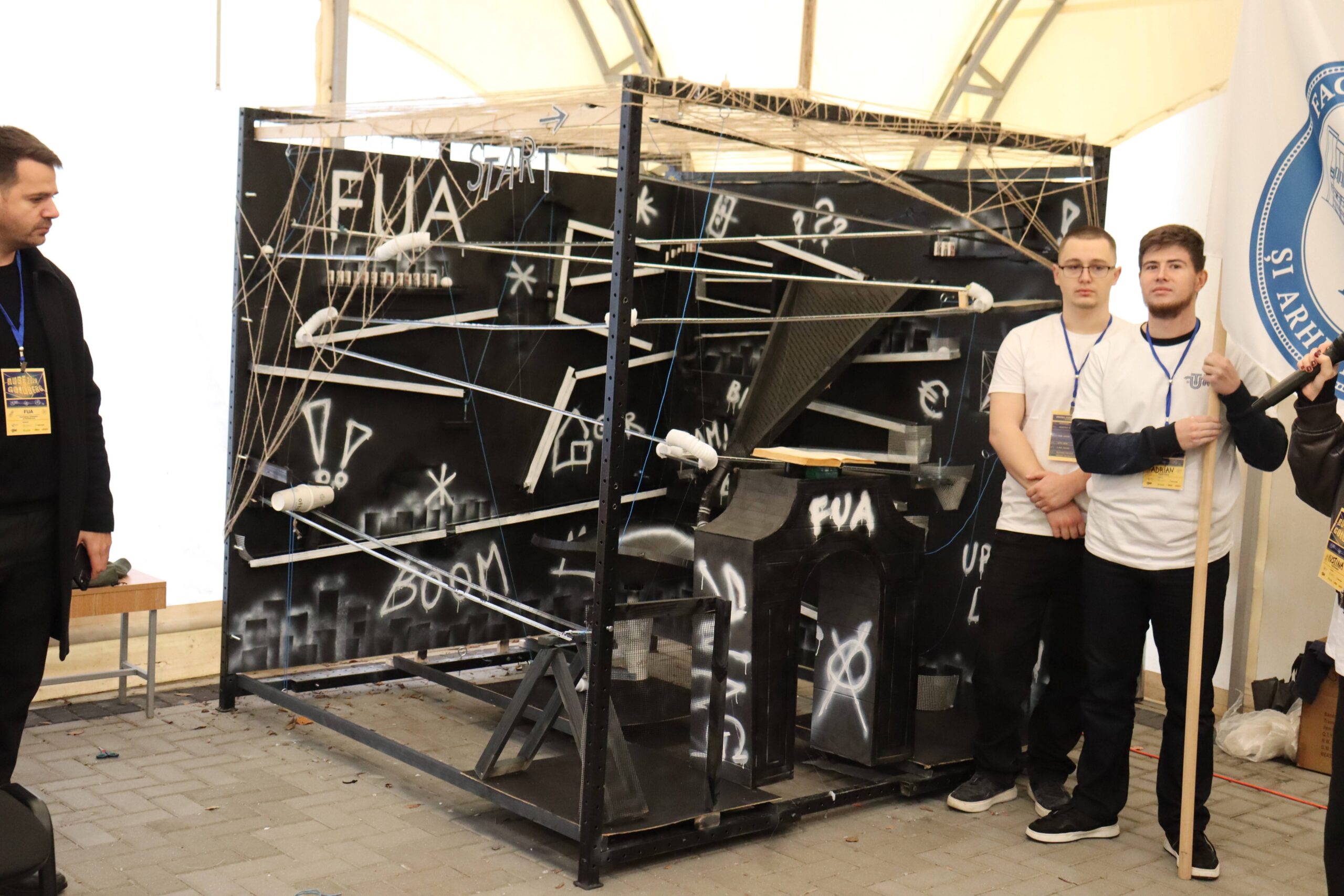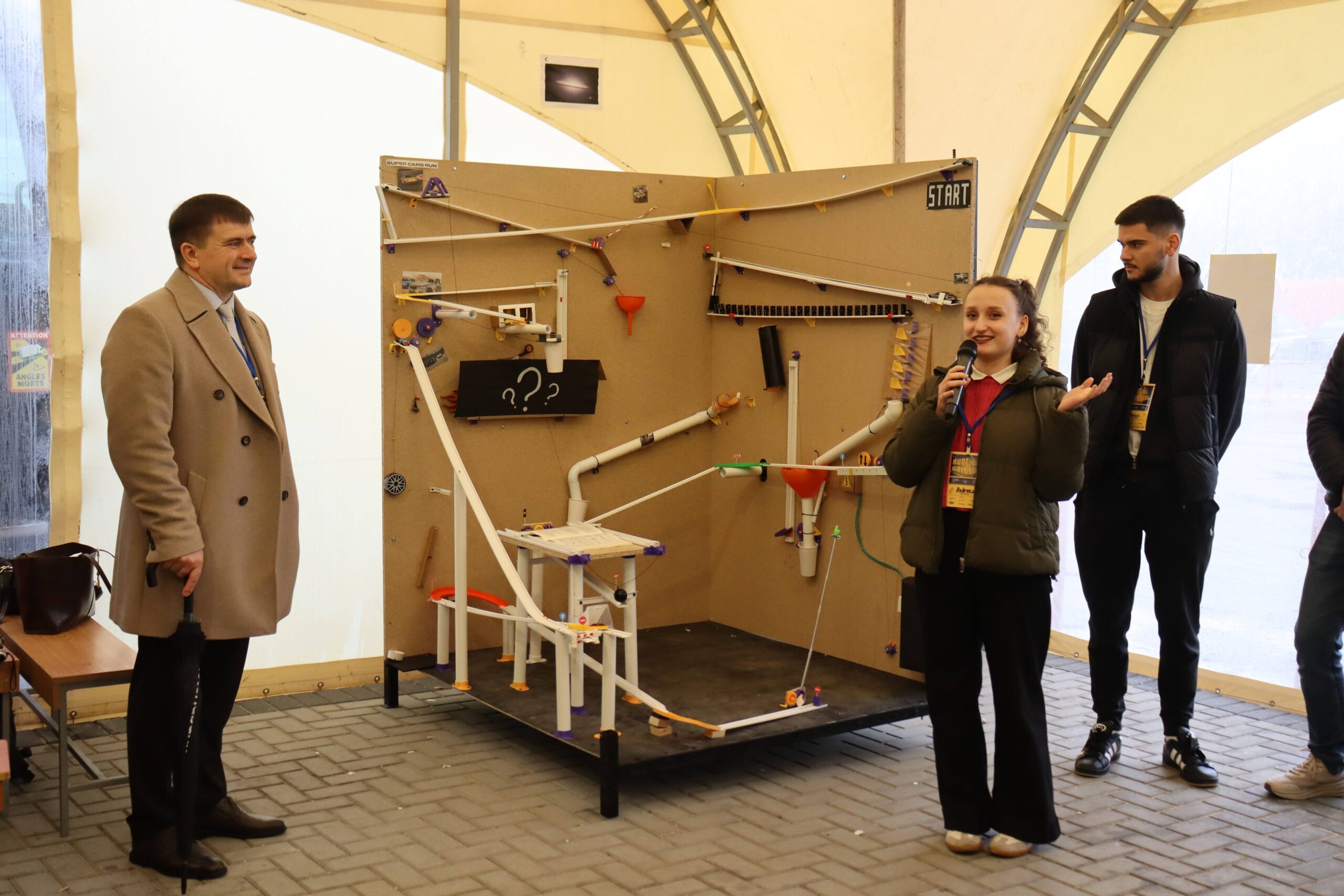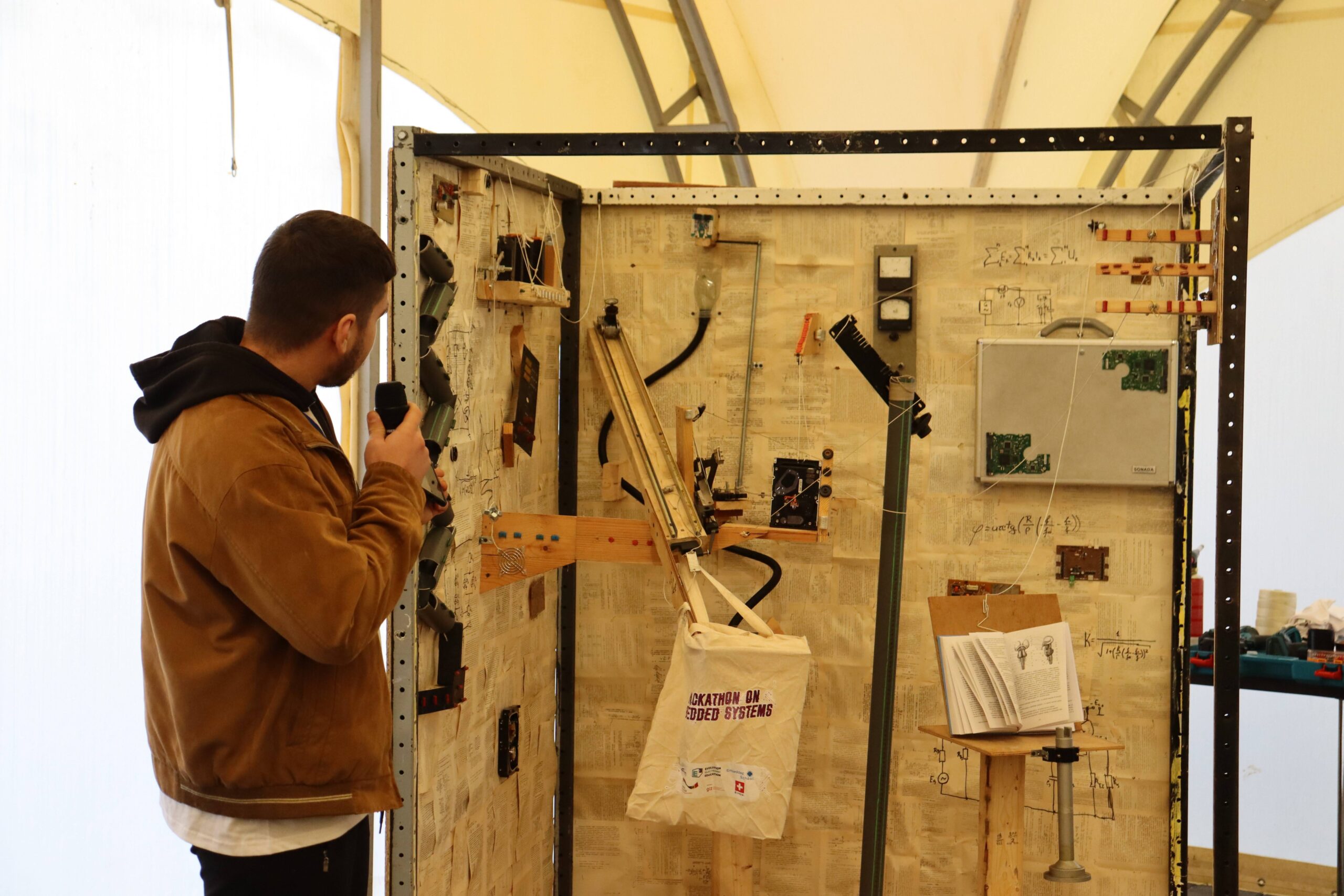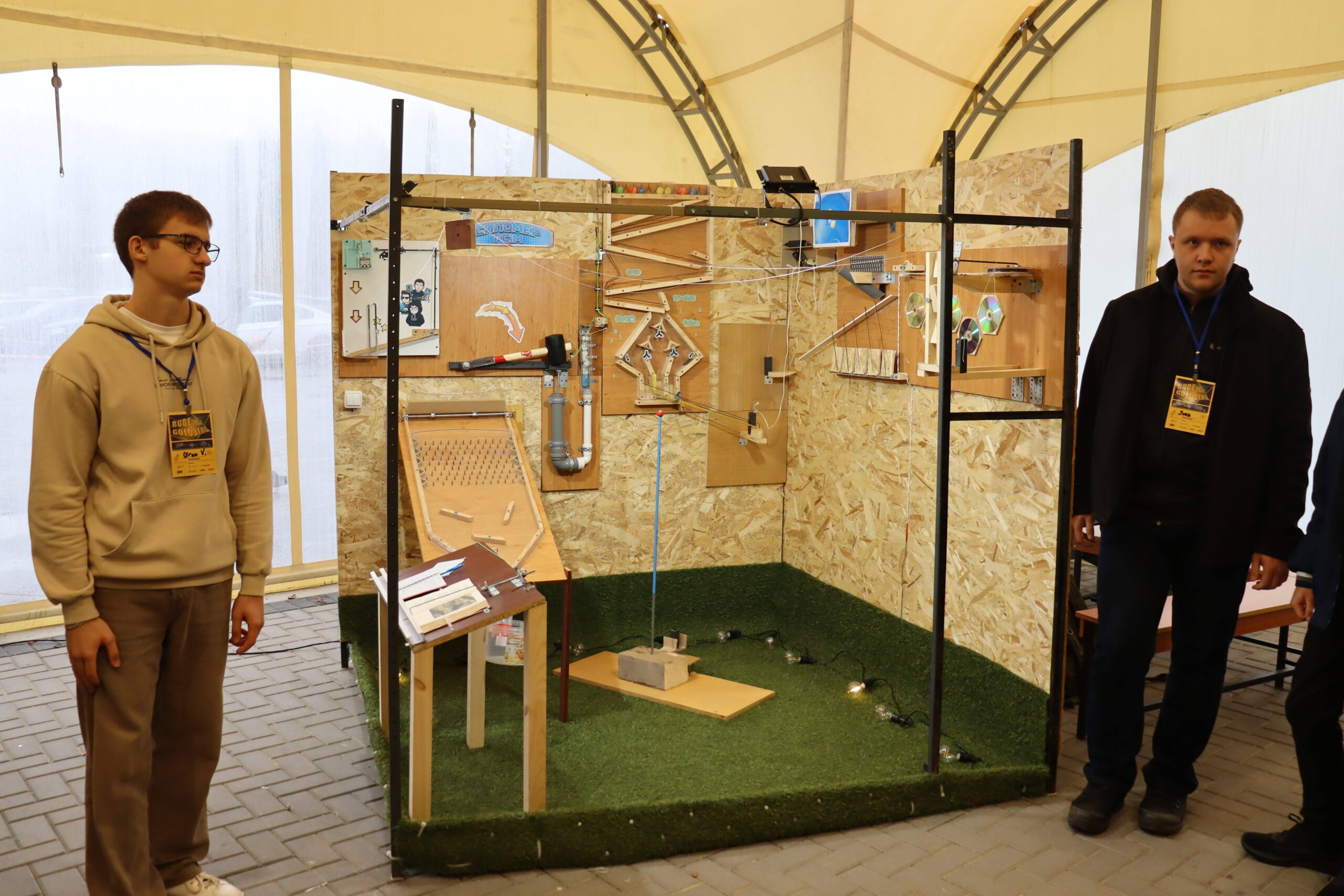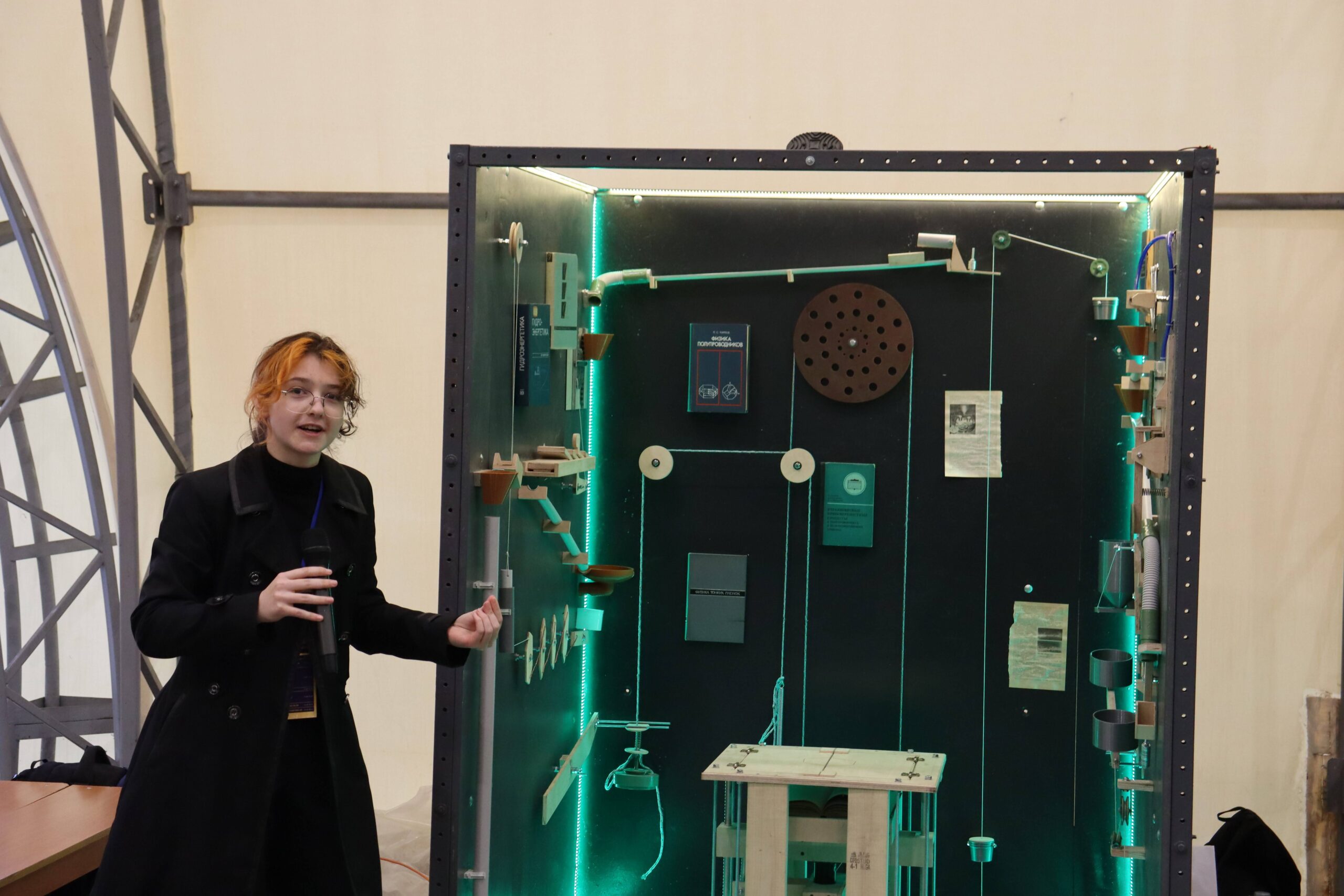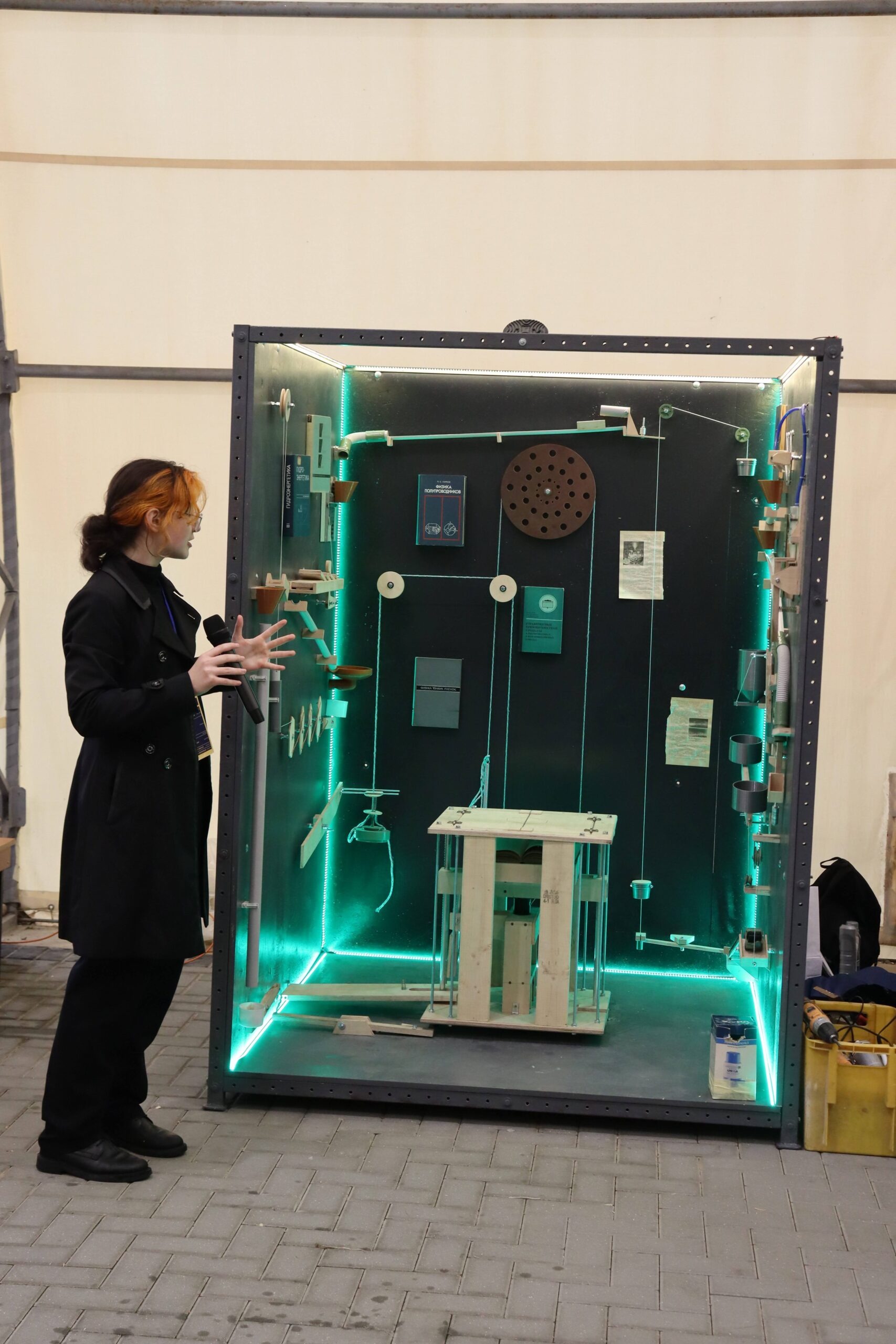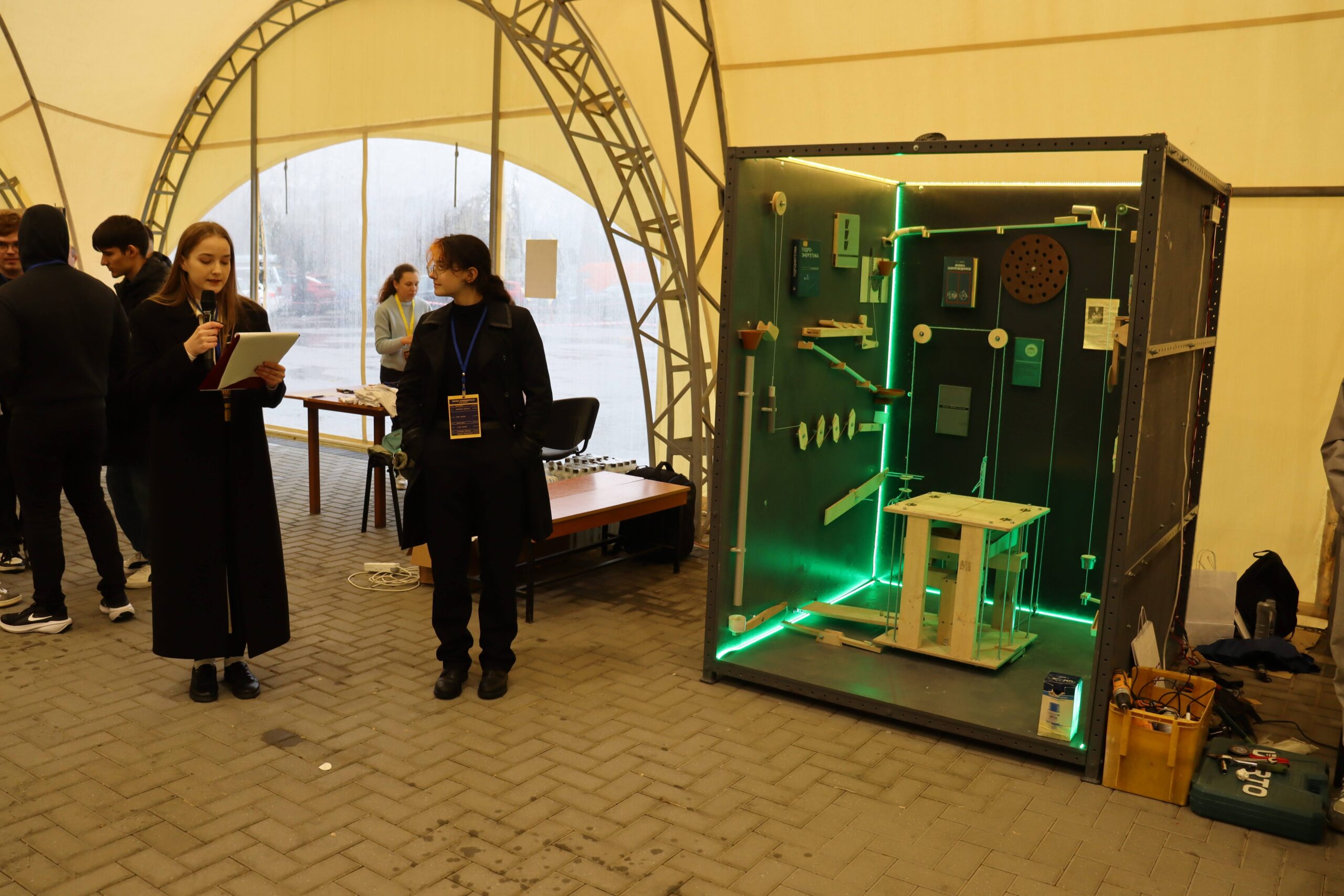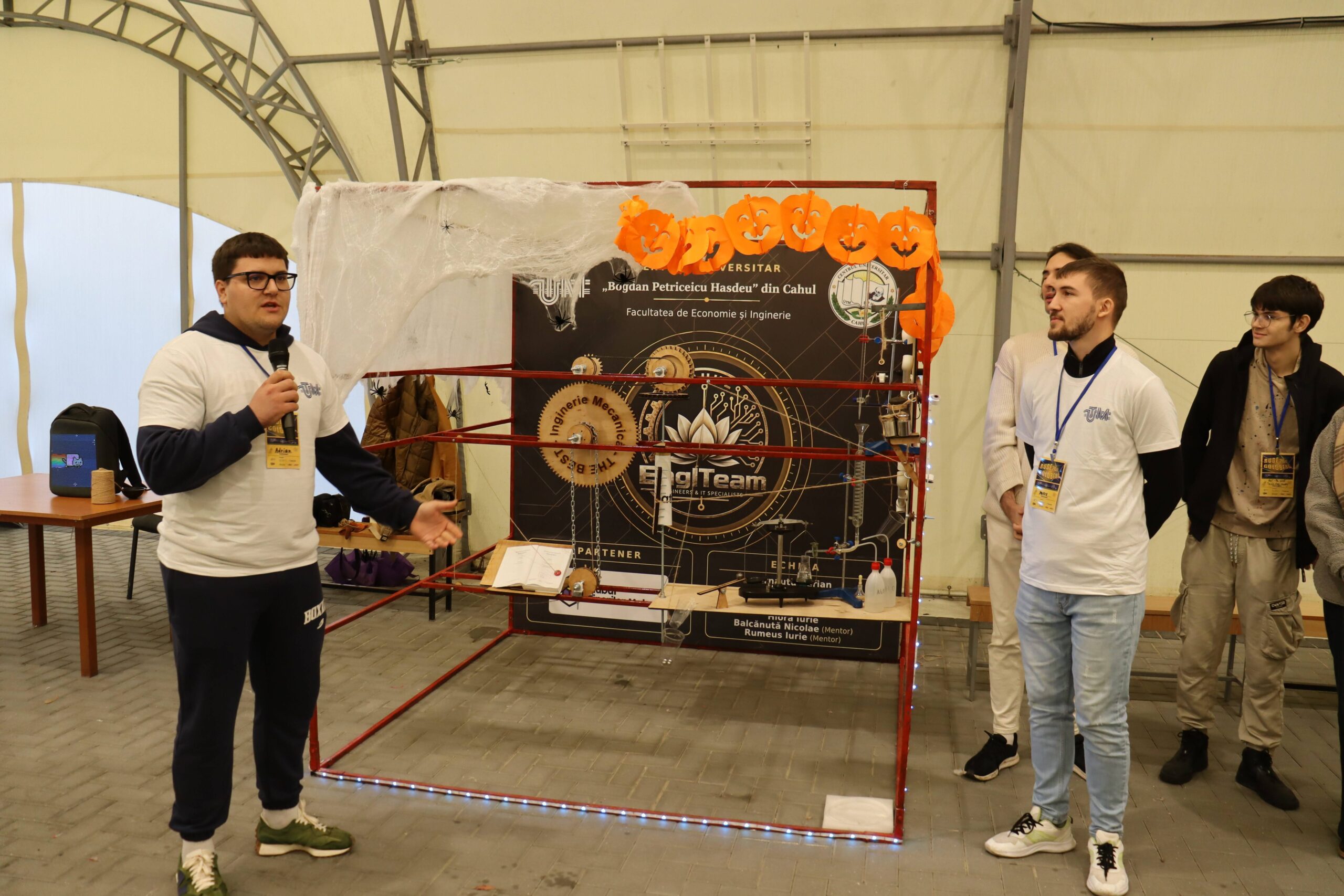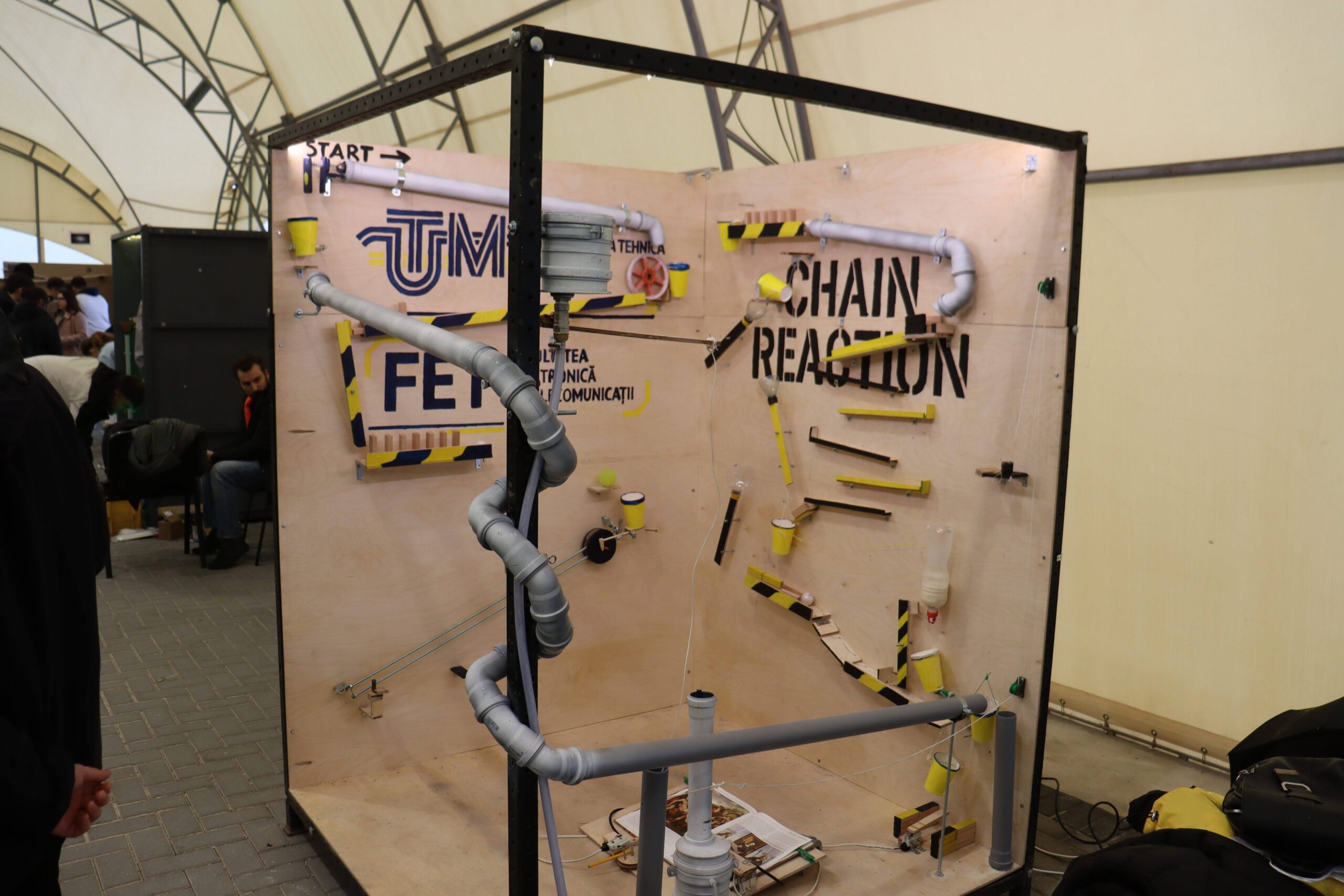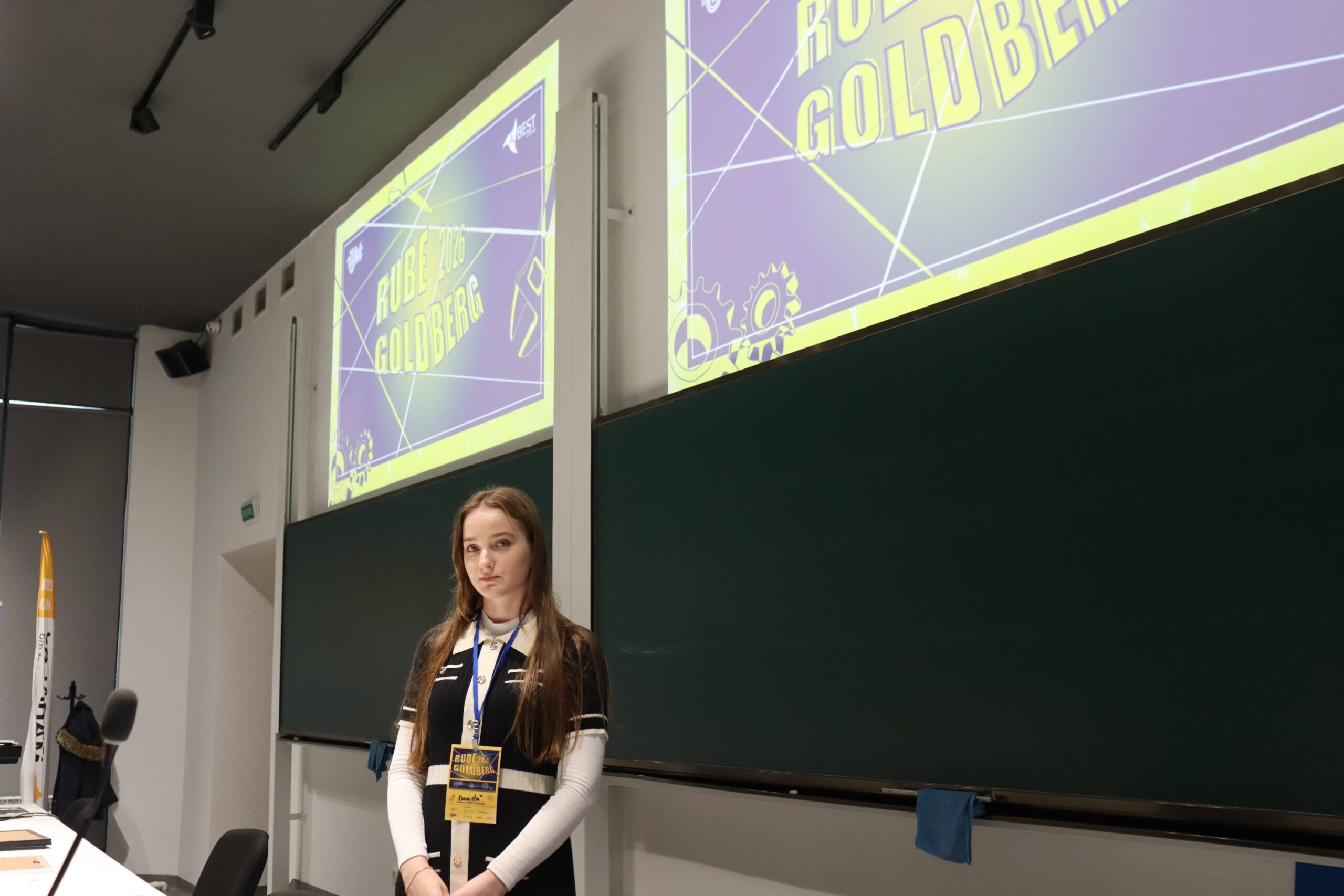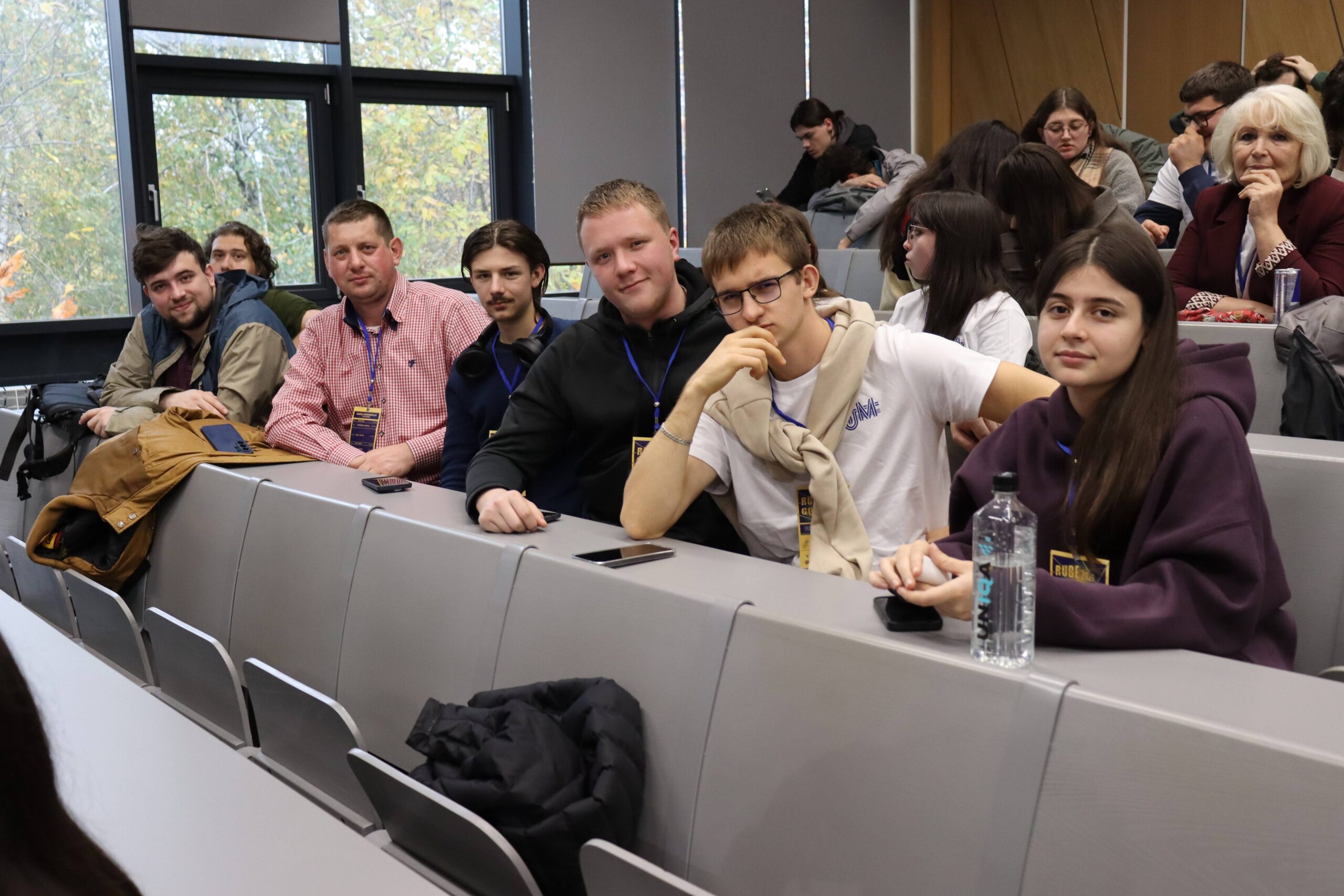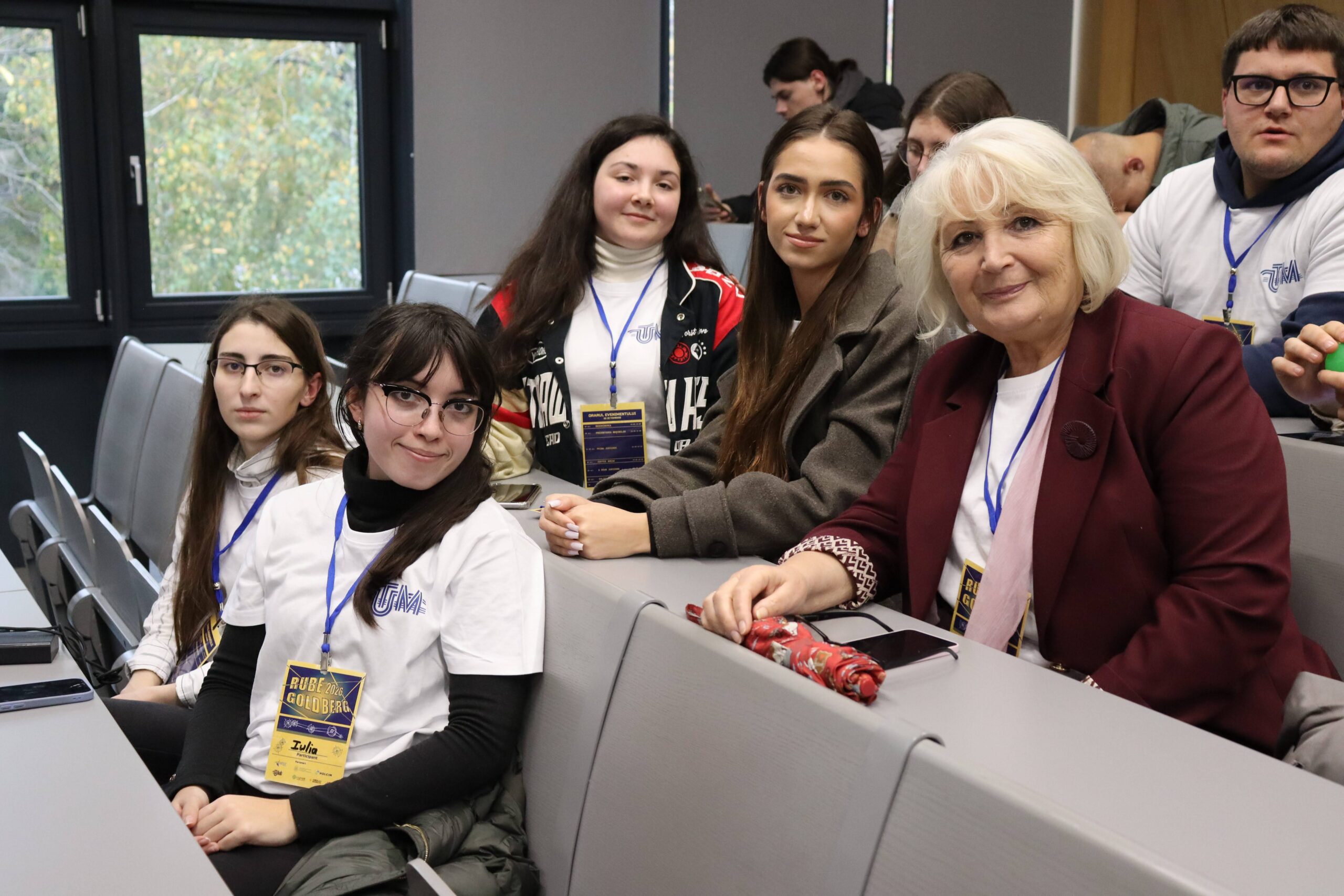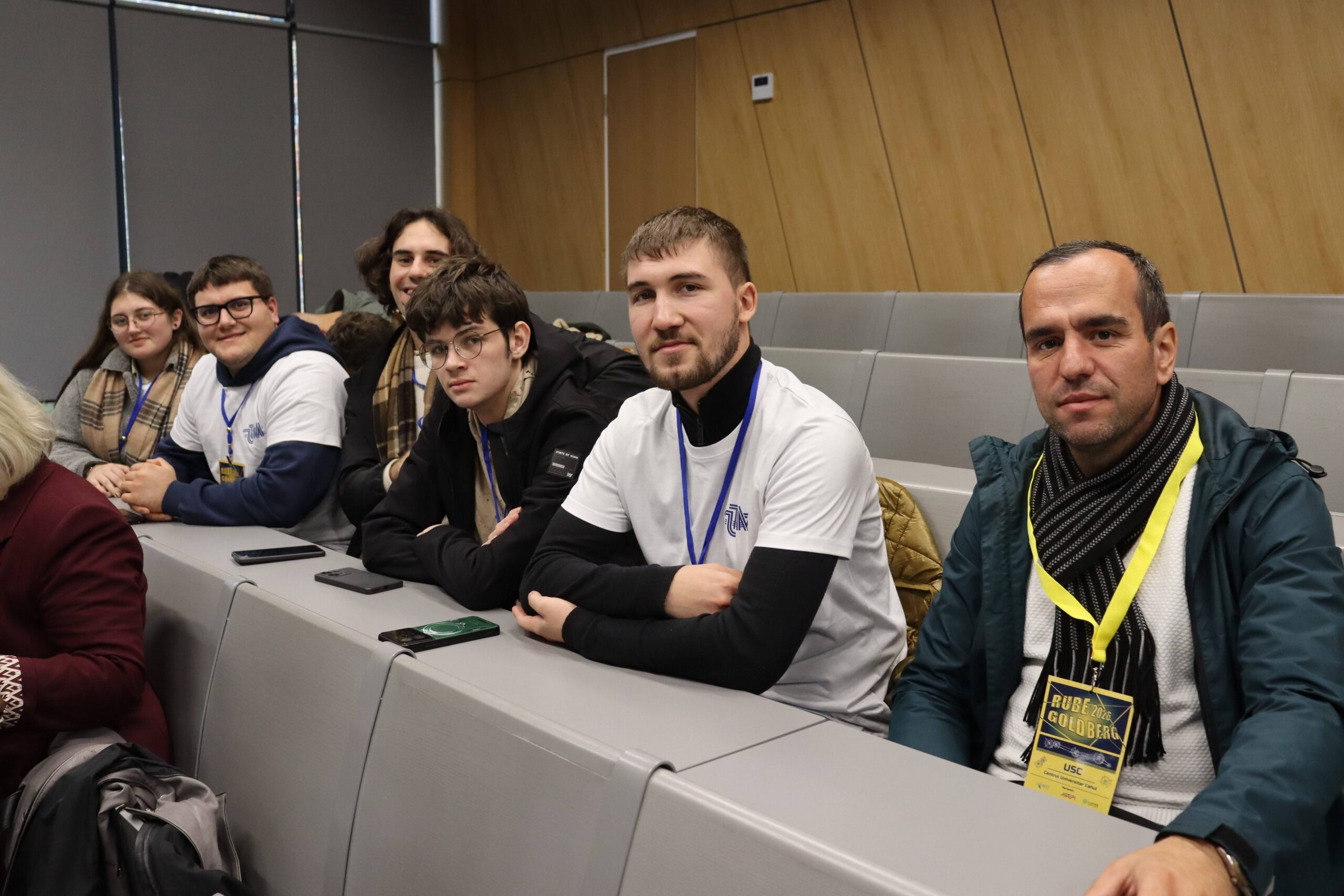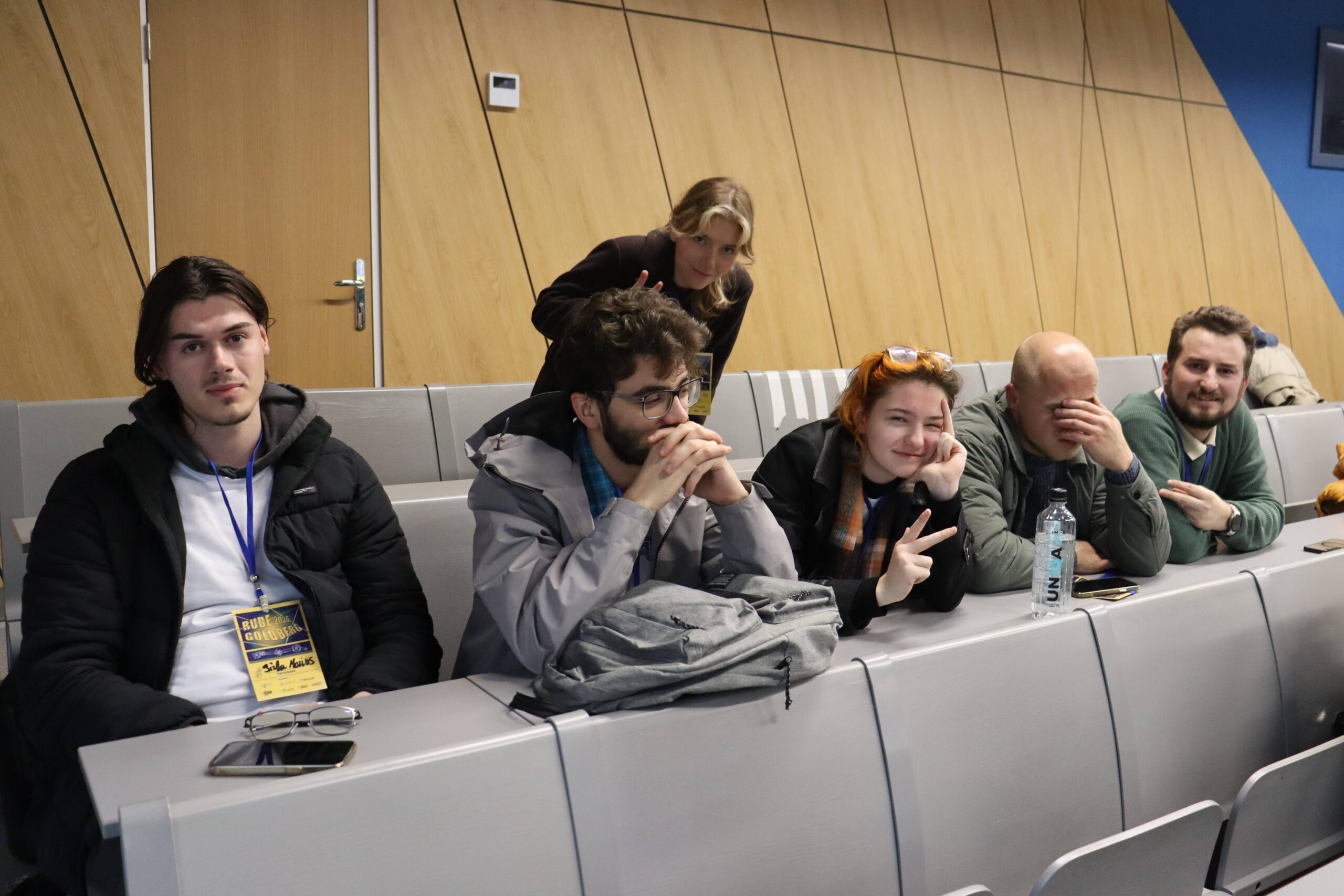
How complicated can turning a page in a book be? At the Technical University of Moldova, nine student teams spent six weeks coming up with their own answers. They designed and built machines that could complete the task through a chain reaction of at least 20 energy transfers.
The projects were unveiled at the final of the tenth Rube Goldberg engineering competition, held on 30 October. This year’s edition brought together 45 students from eight UTM faculties and academic units, with each team given 5,000 Moldovan lei to build and test its design.
The Engineering Behind a Simple Task
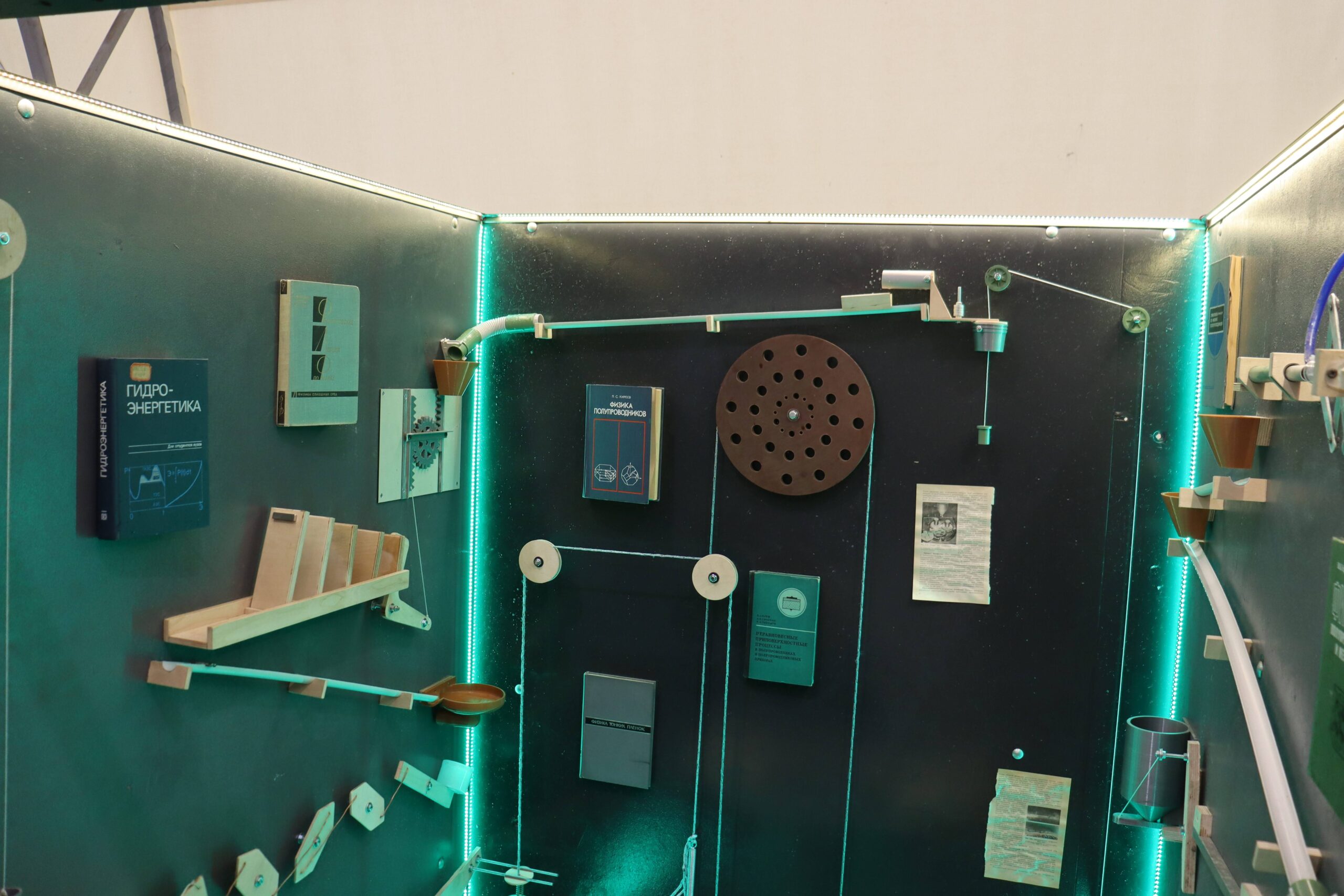
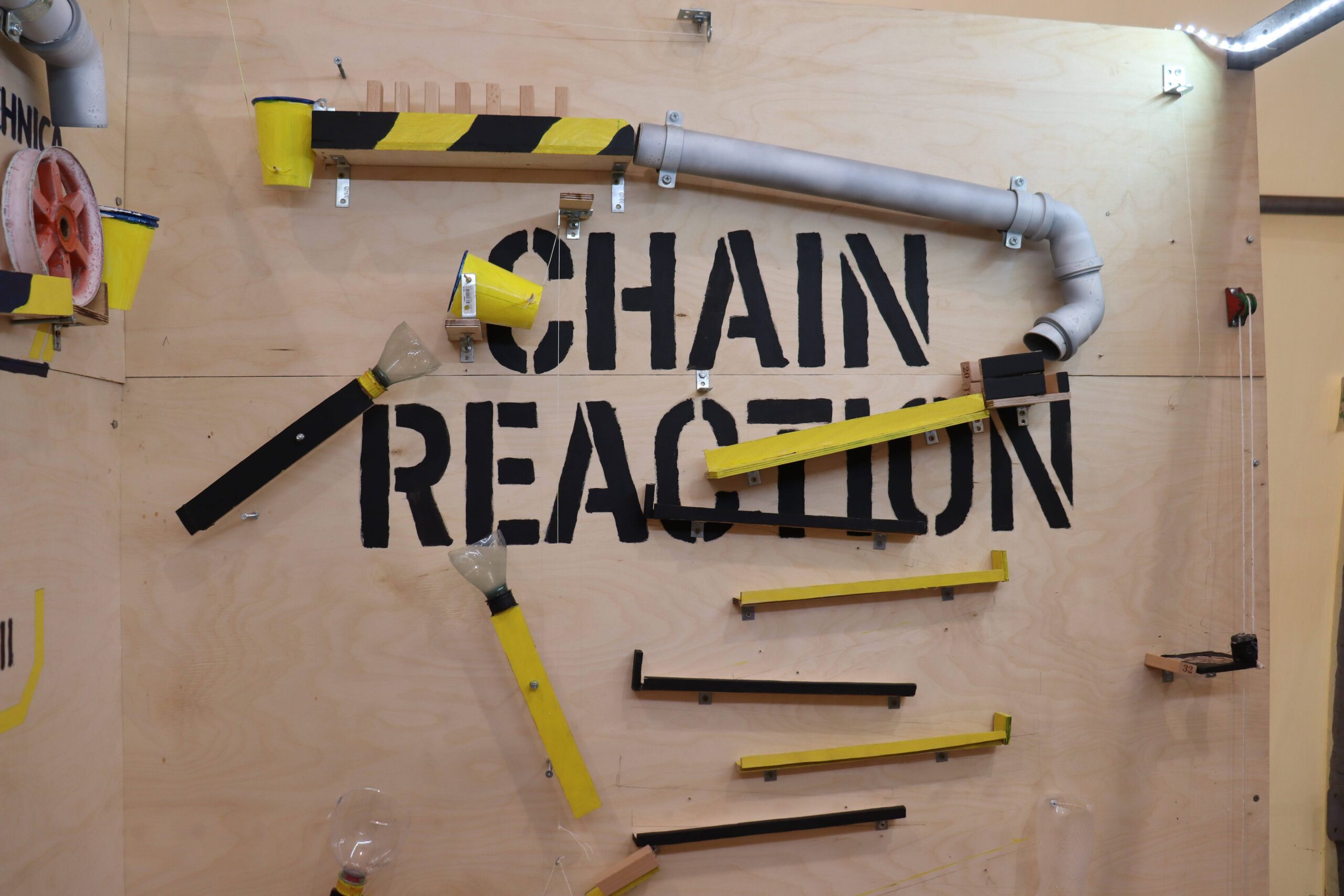
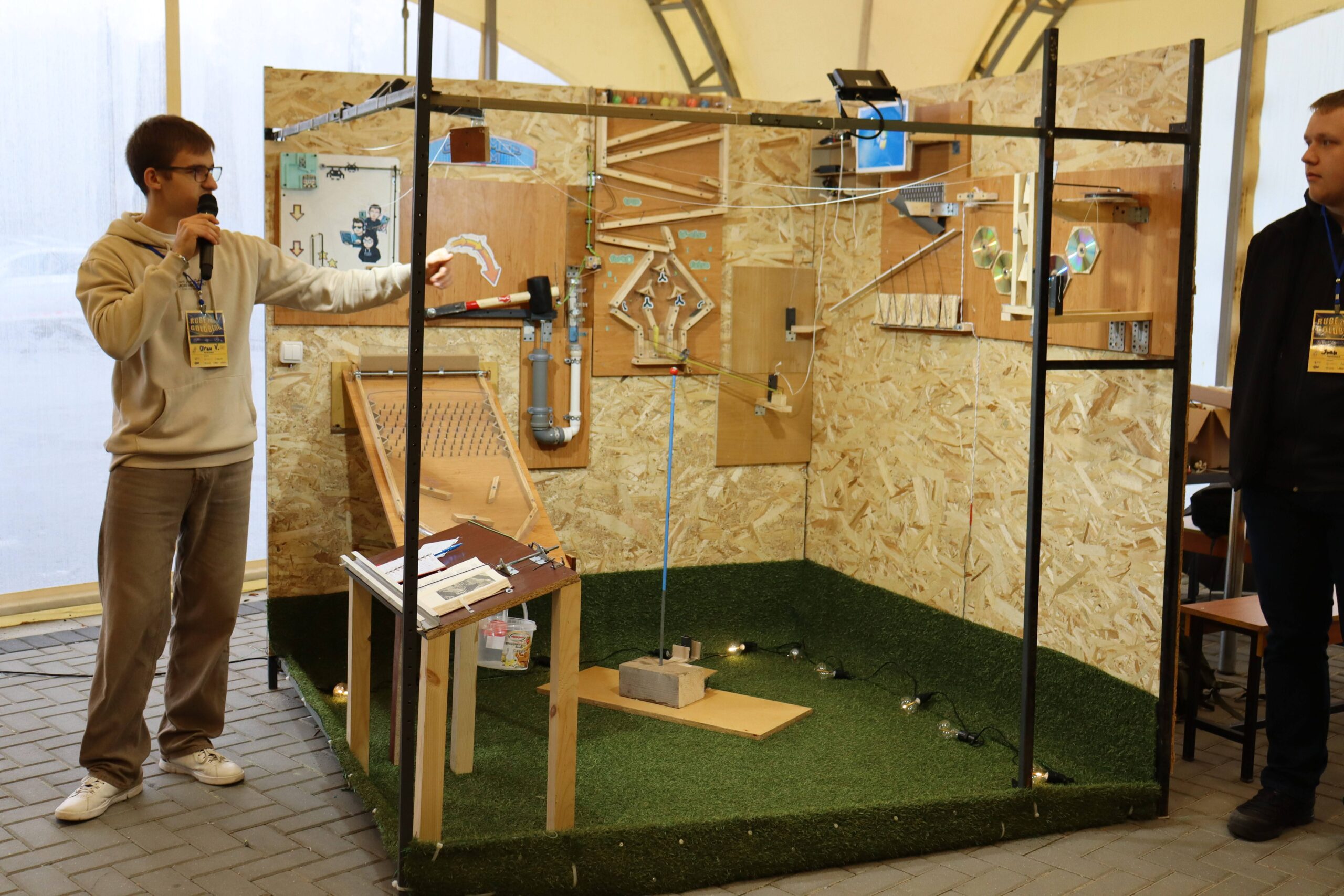
Rube Goldberg machines are designed to perform simple tasks in unnecessarily complicated ways. A ball rolls down a ramp, knocks into a lever and sets another part in motion. Each step triggers the next until, eventually, the machine completes its task.
For this year’s competition, the challenge was to turn a page in a book using at least 20 consecutive energy transfers. Teams were free to choose their materials and mechanisms, but making the entire sequence work reliably took repeated testing and adjustments.
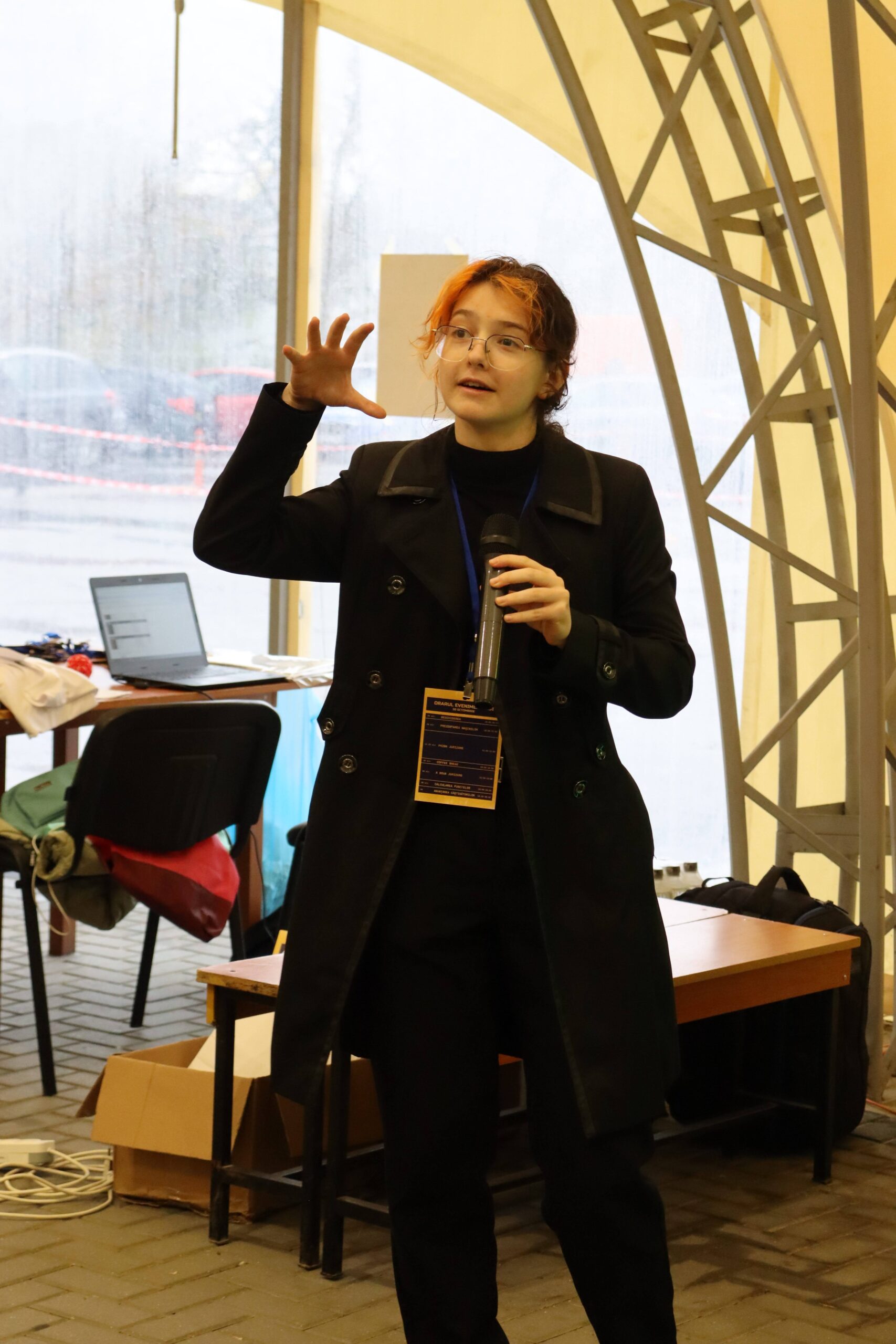
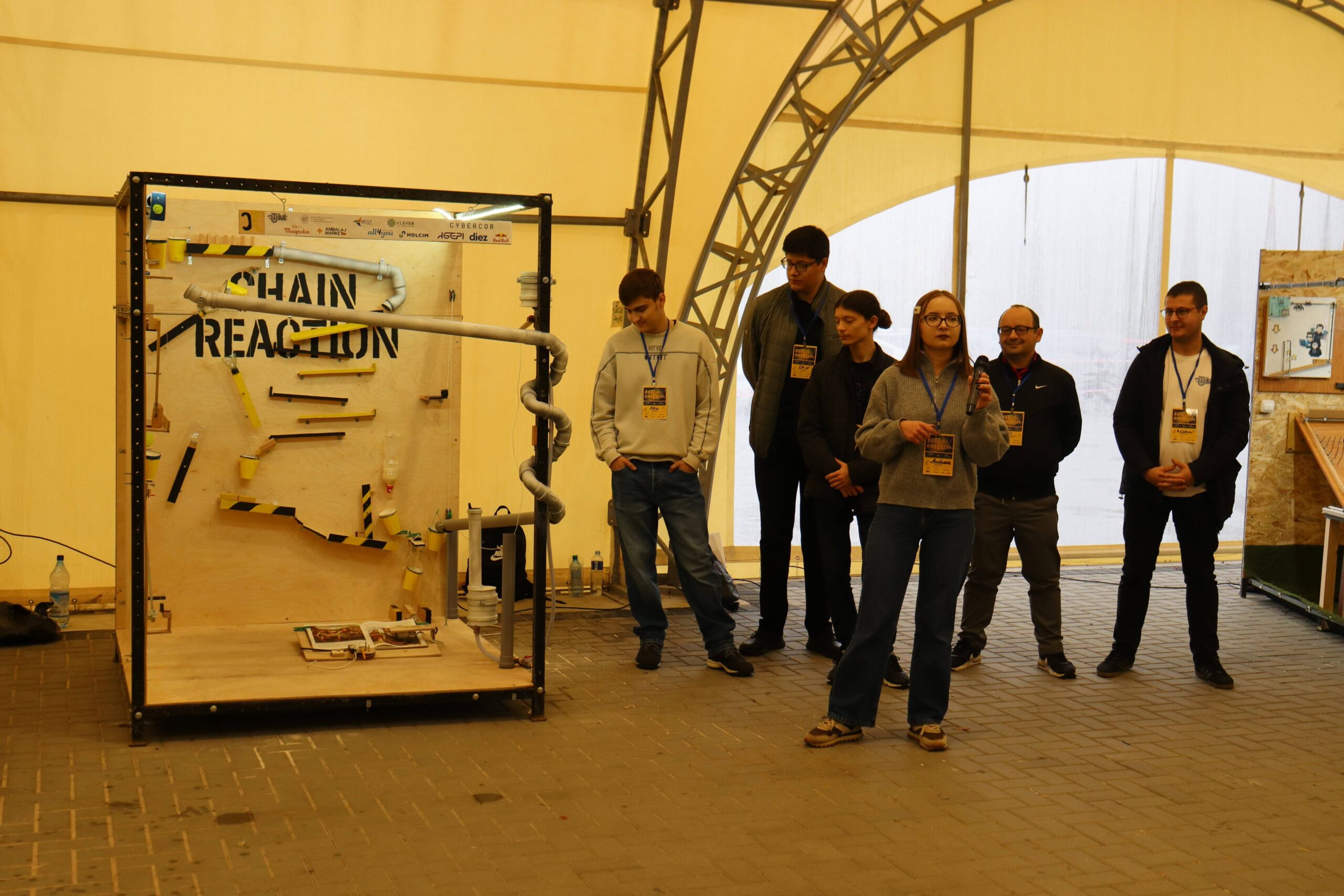
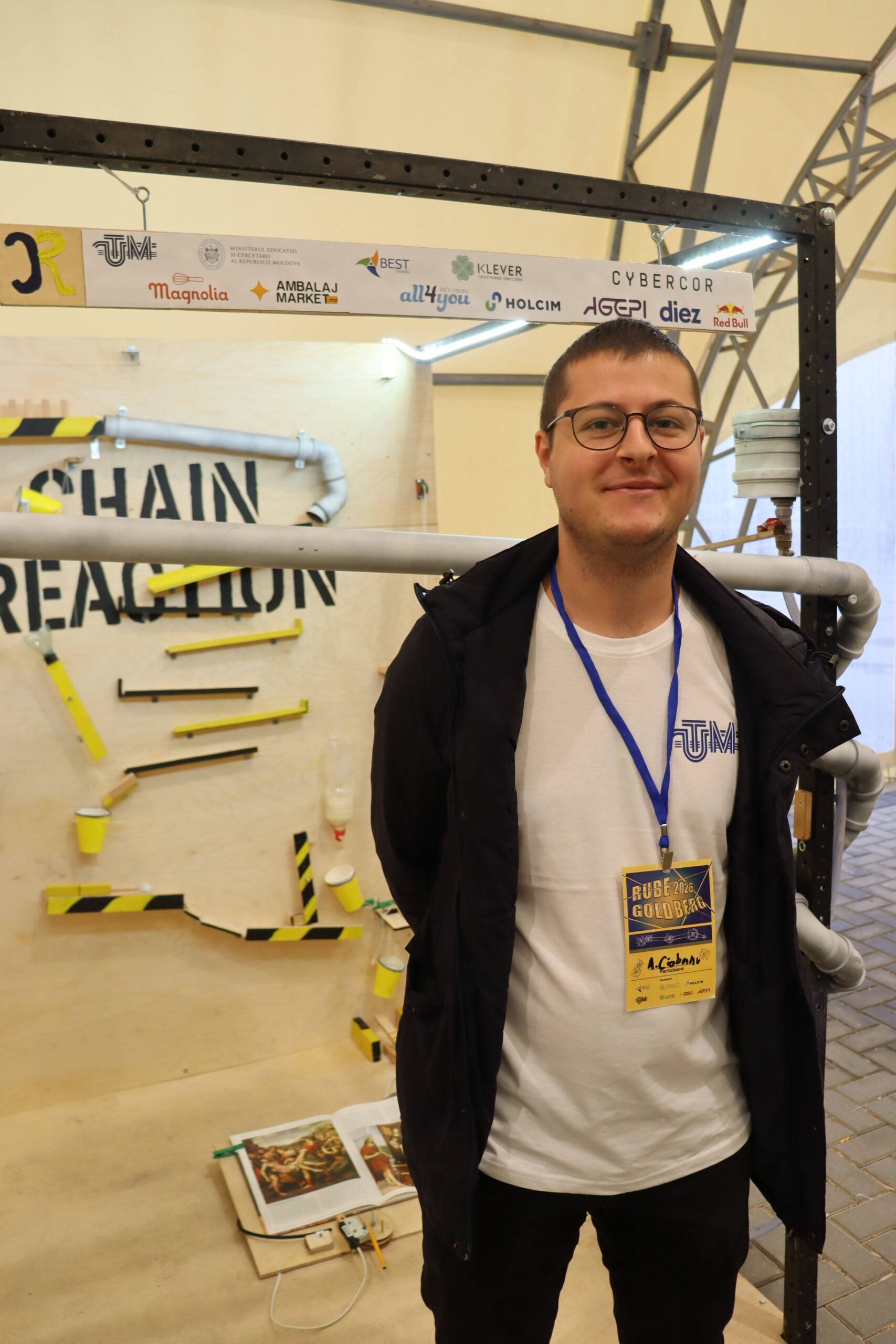
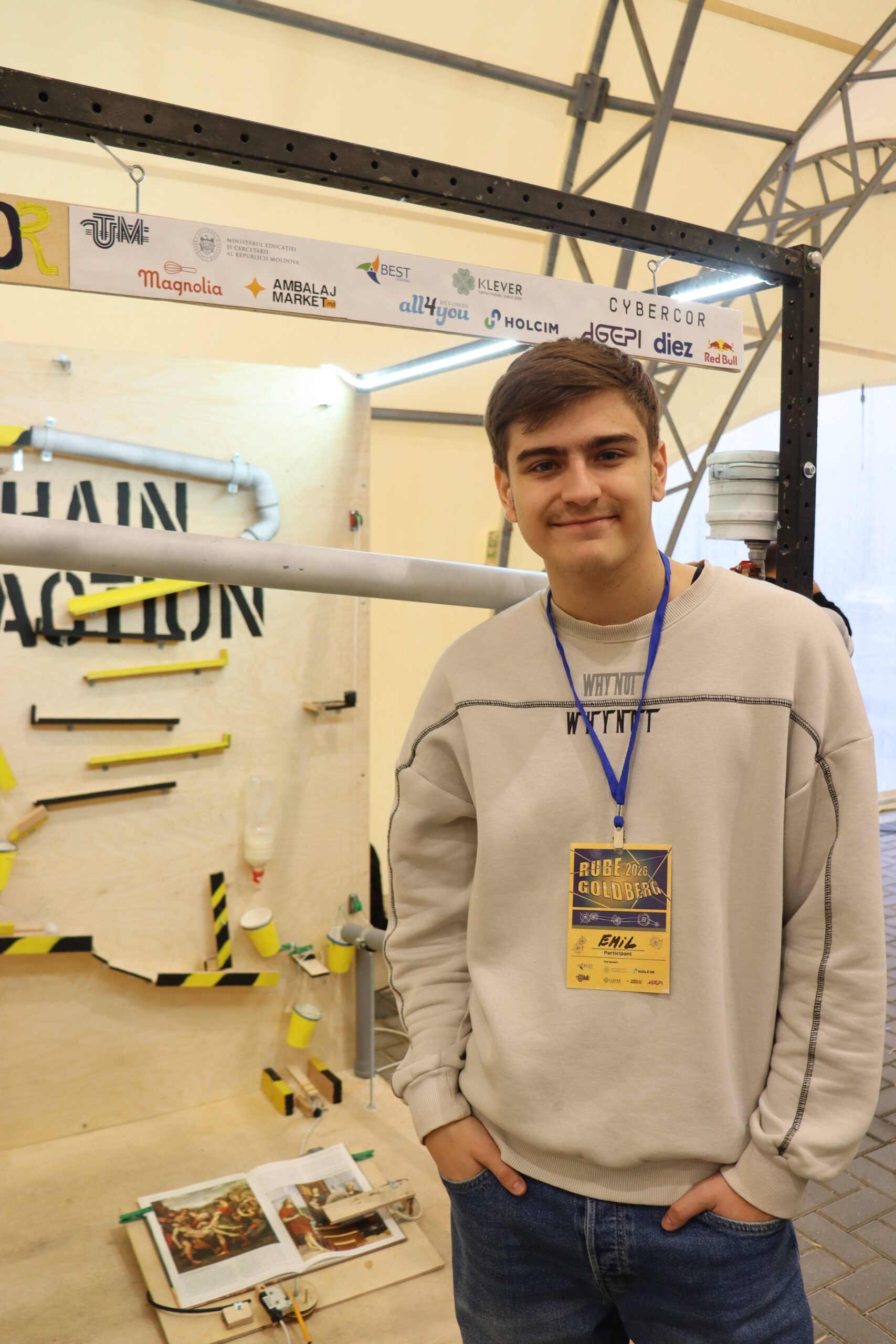
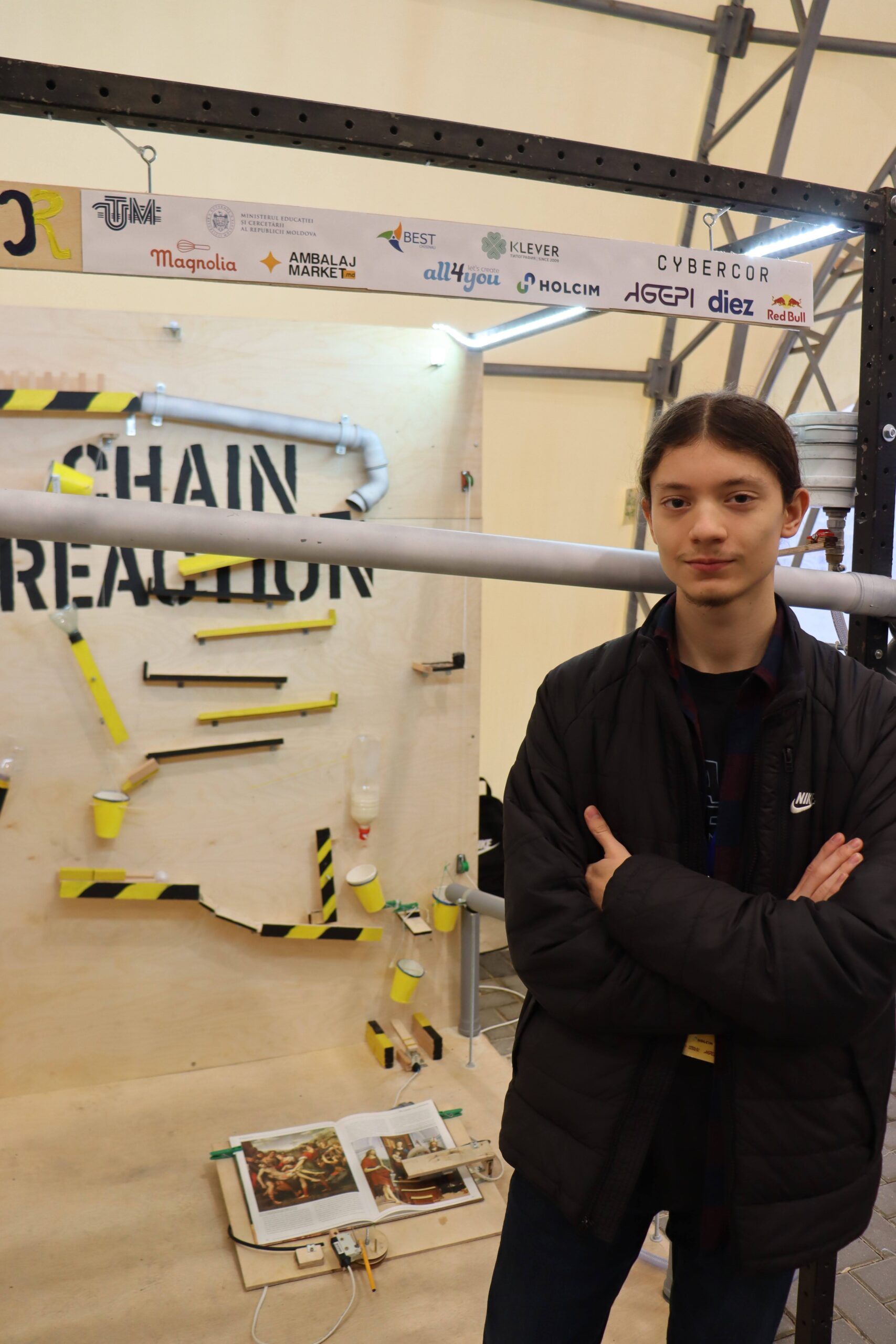
We used a small electric motor to open the book. The tricky part was that we weren't allowed to use microcontrollers, so we had to find a way to combine electronics and mechanics to turn the page. We spent more than two weeks on the project, working from morning until evening almost every day.
- Alexandru Ciobanu, "Chain Reaction" team member
Chain Reaction Takes First Place
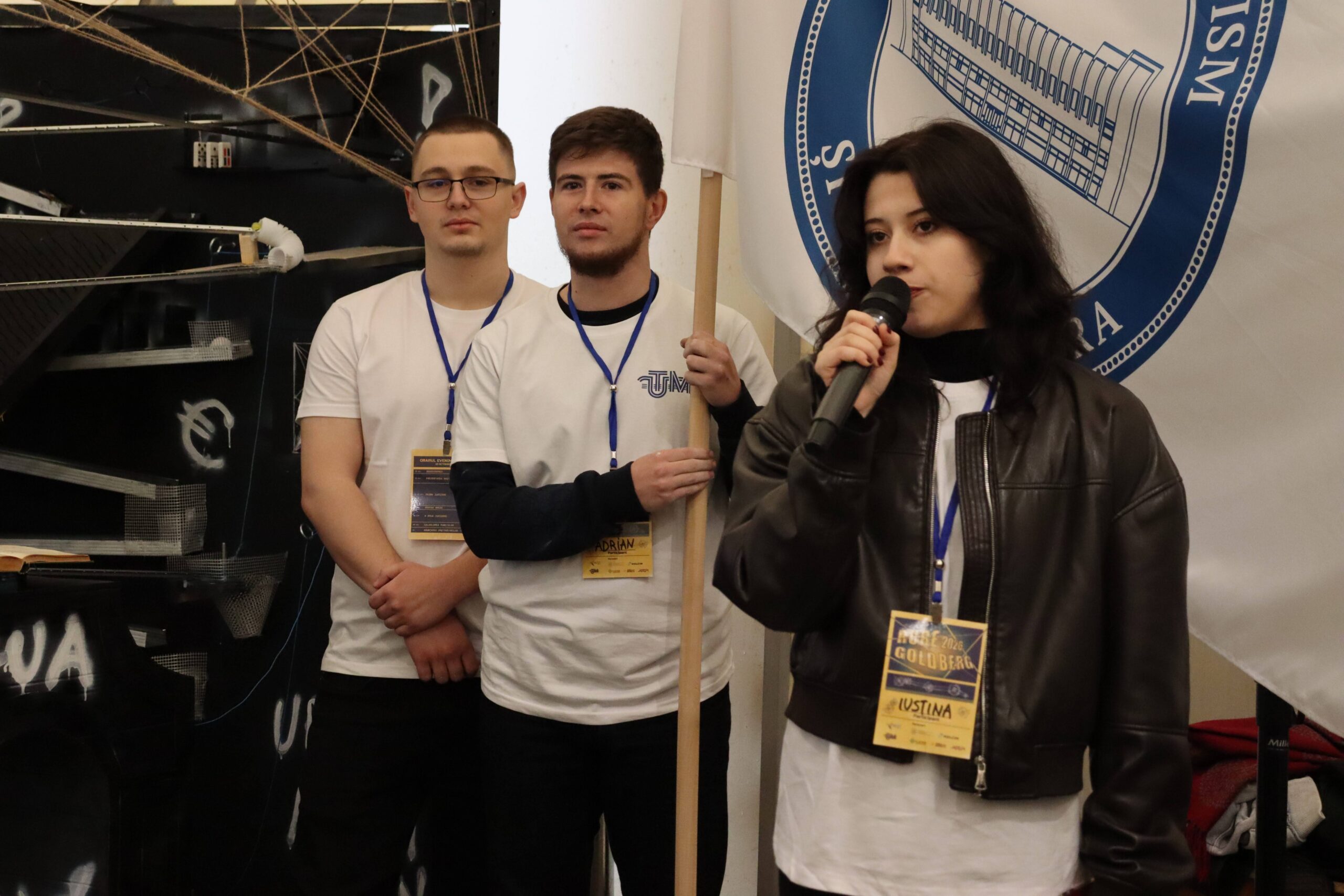
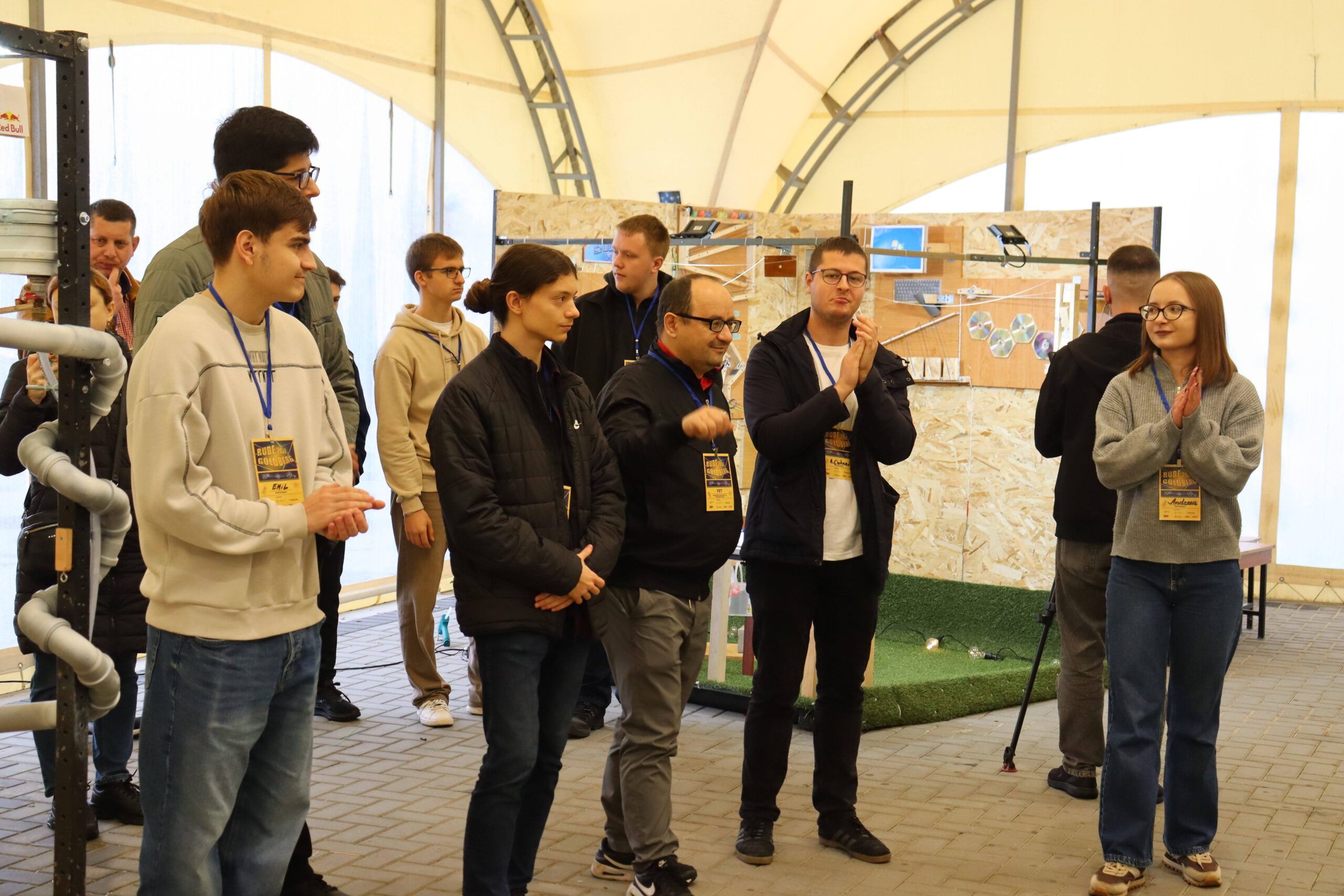
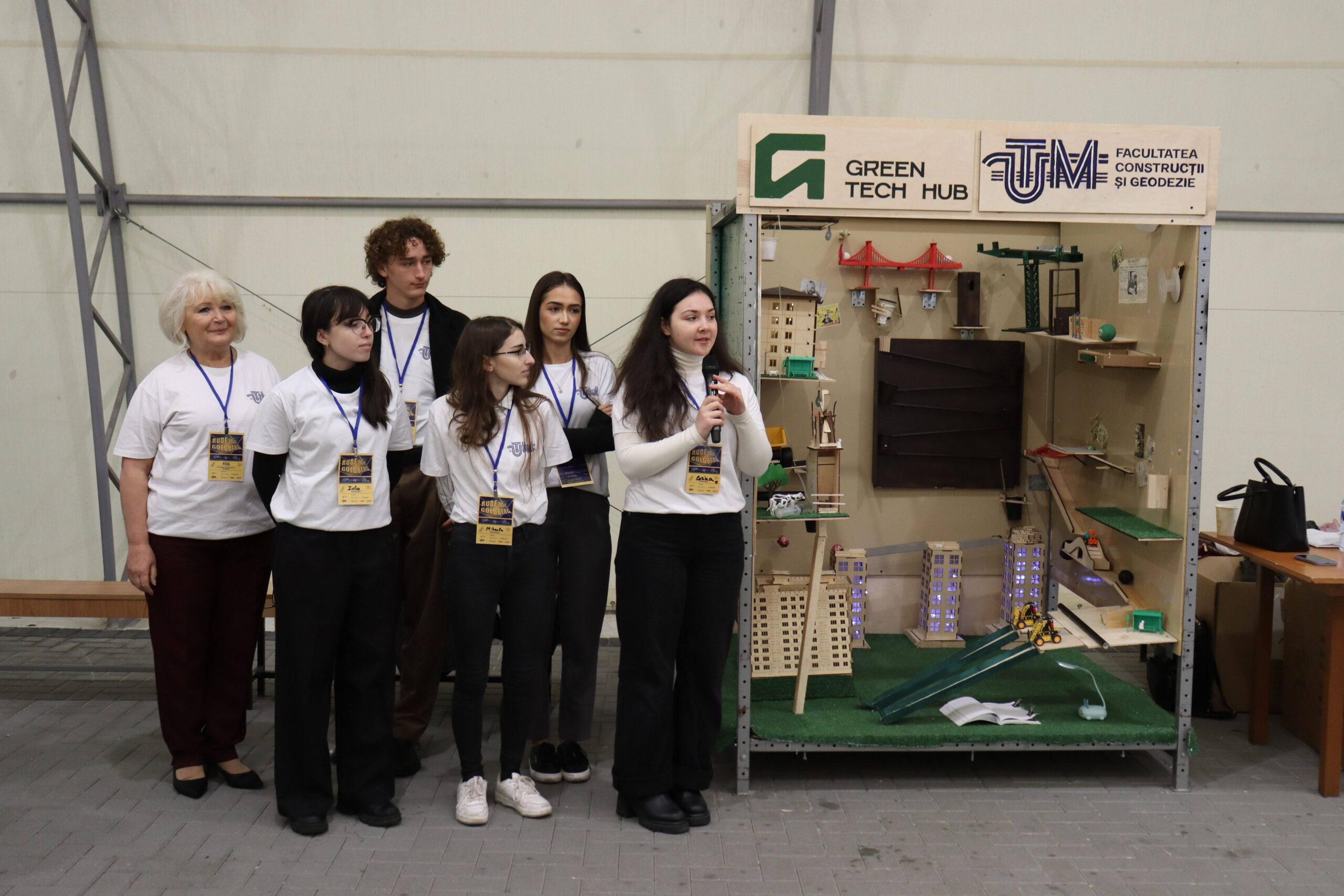
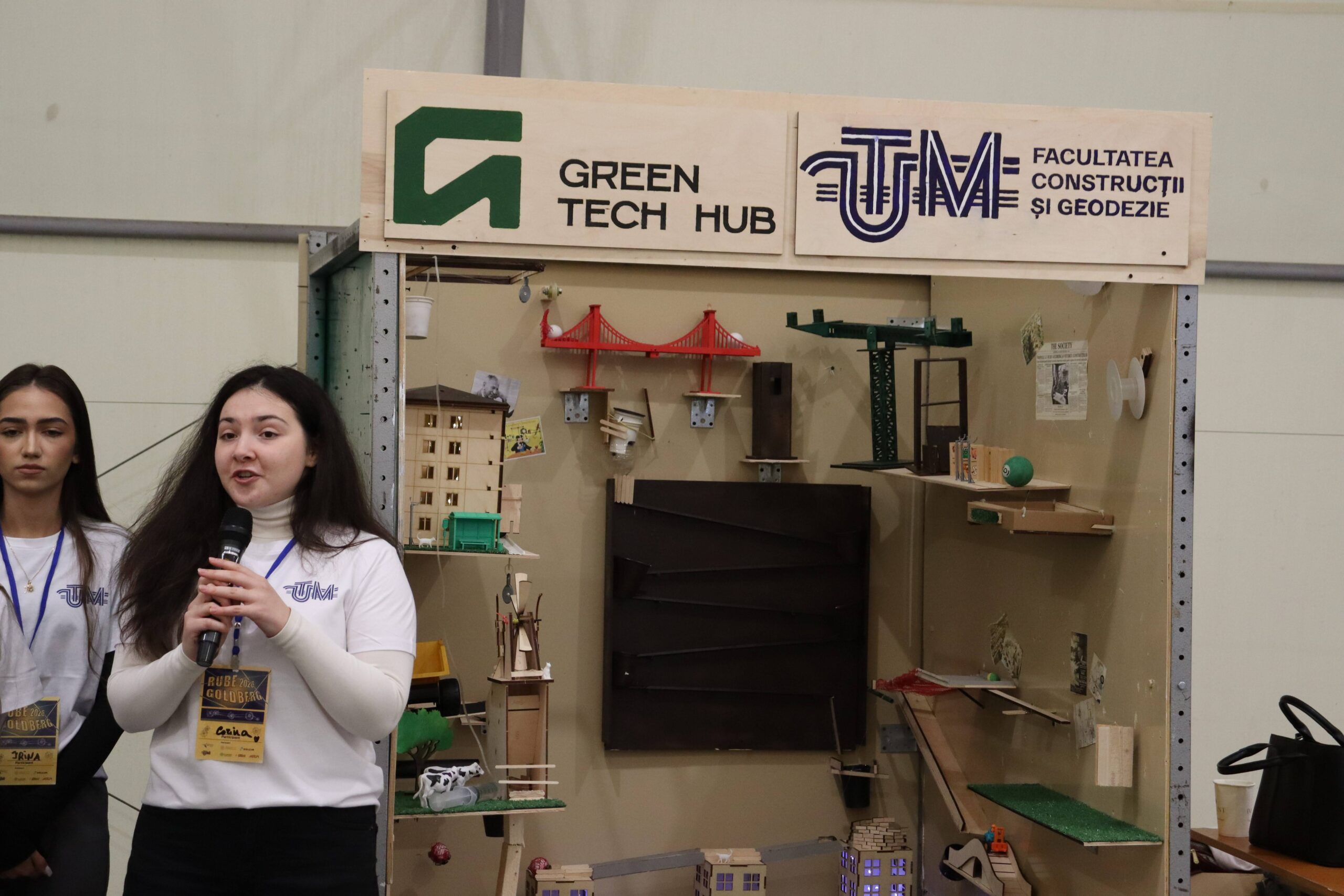
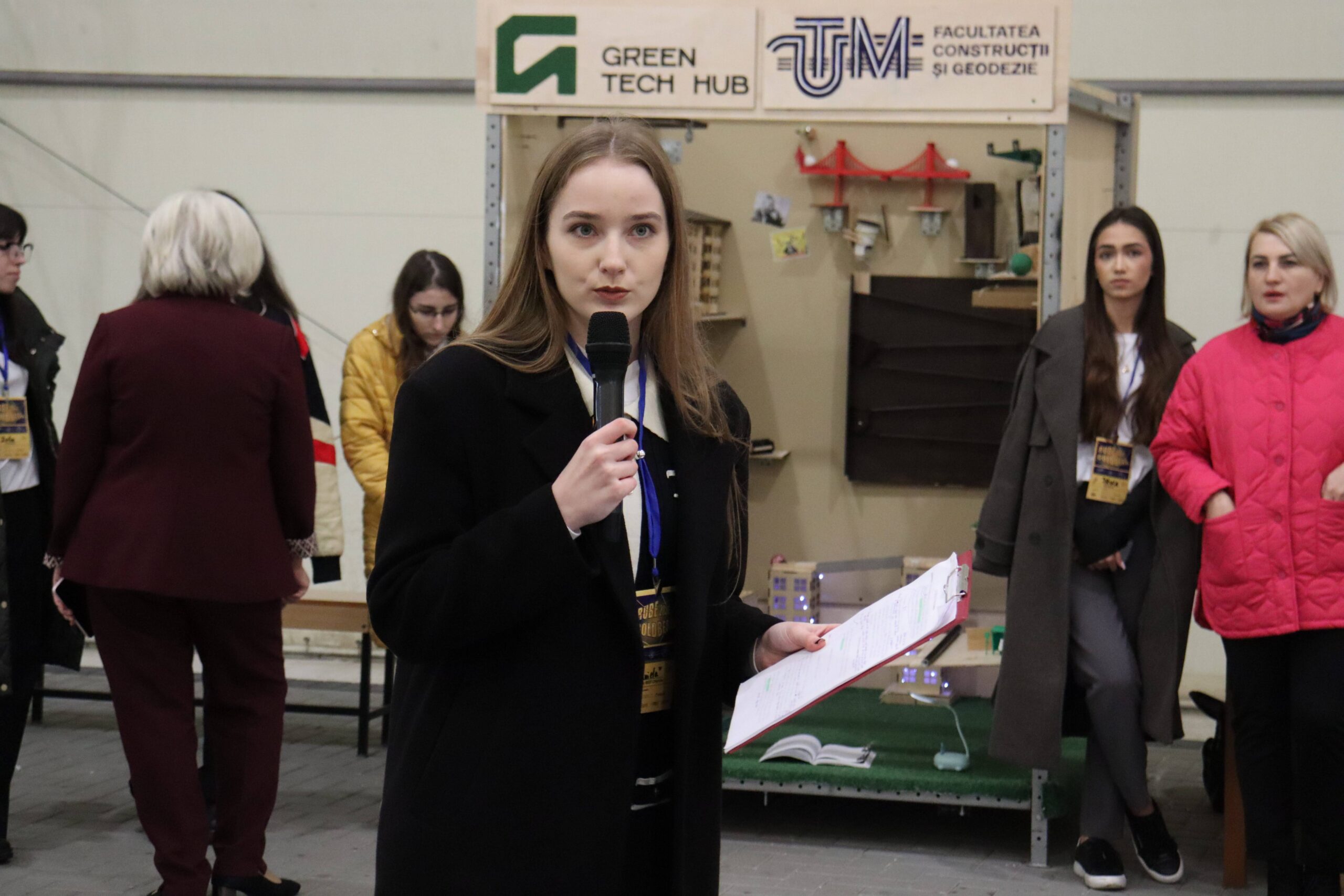
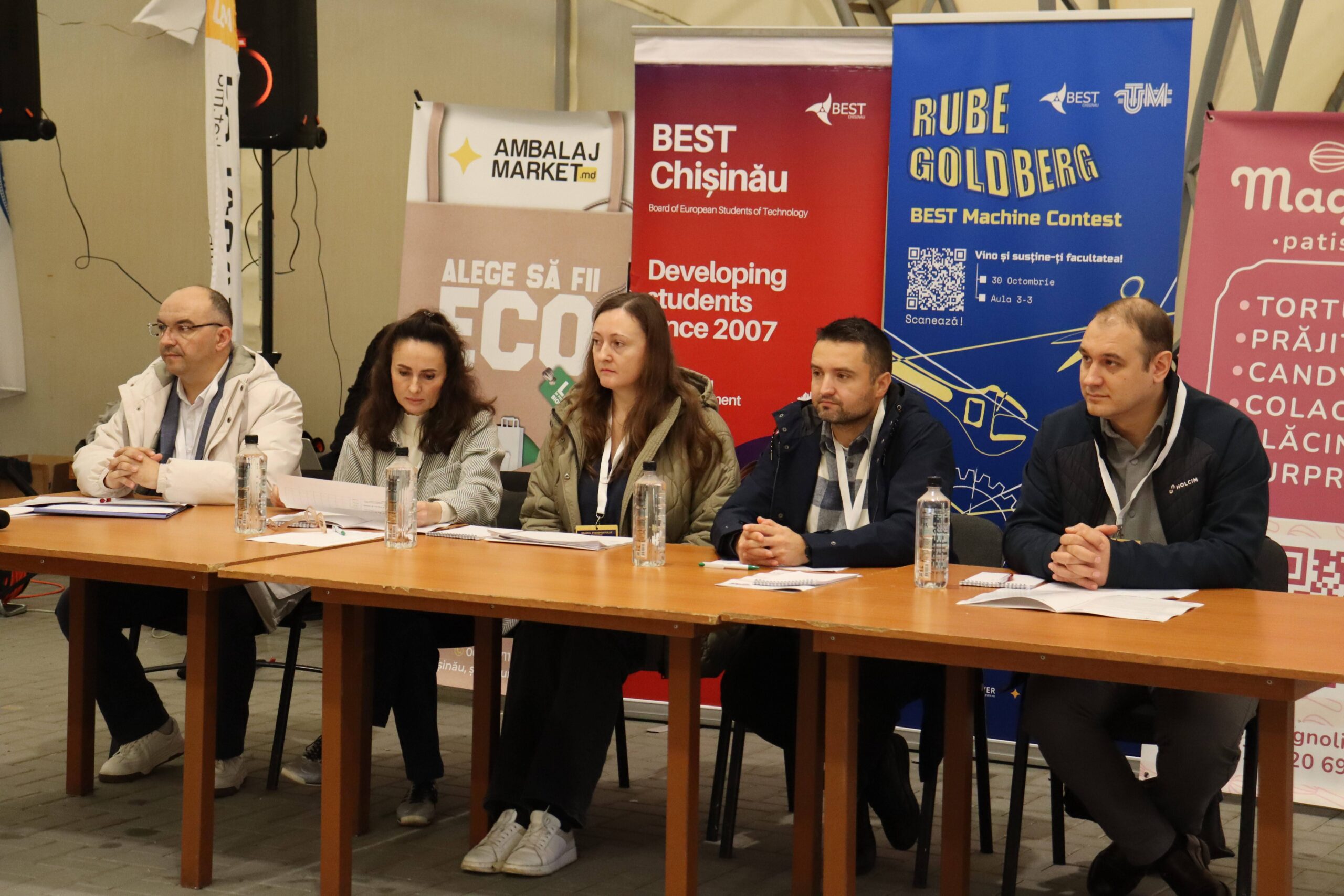
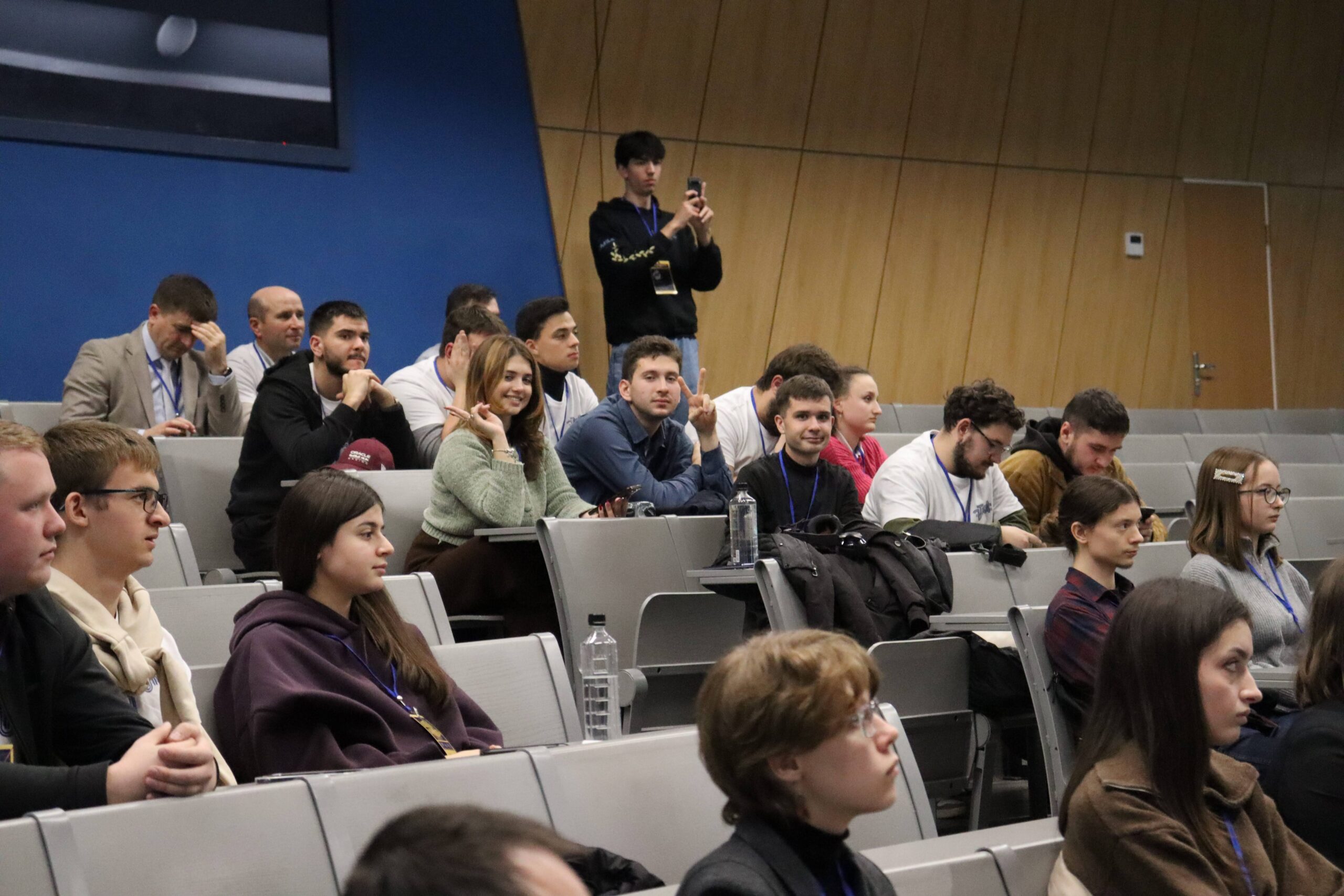
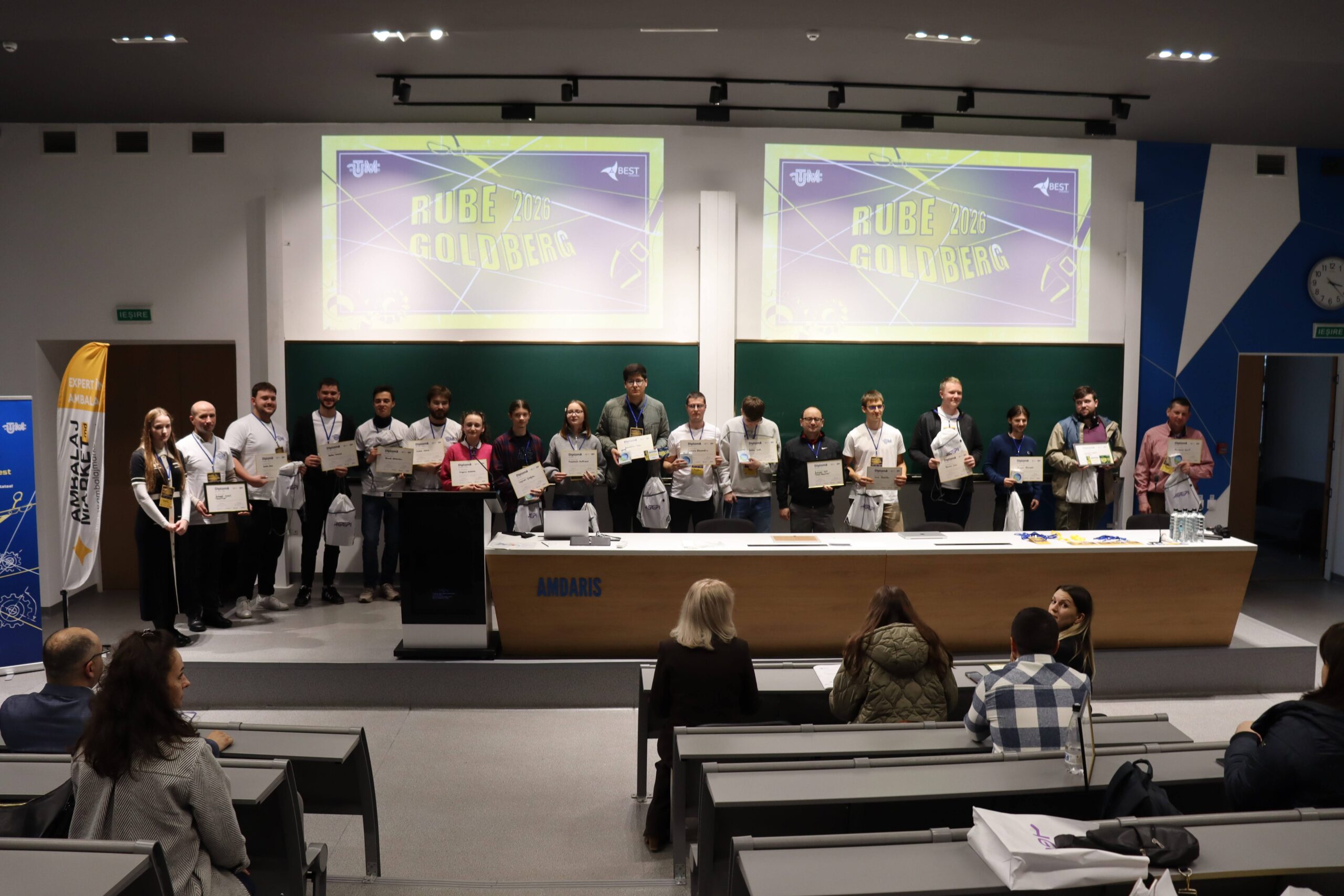
On 30 October, all nine teams demonstrated their machines before the competition jury, showing how each mechanism contributed to the final result.
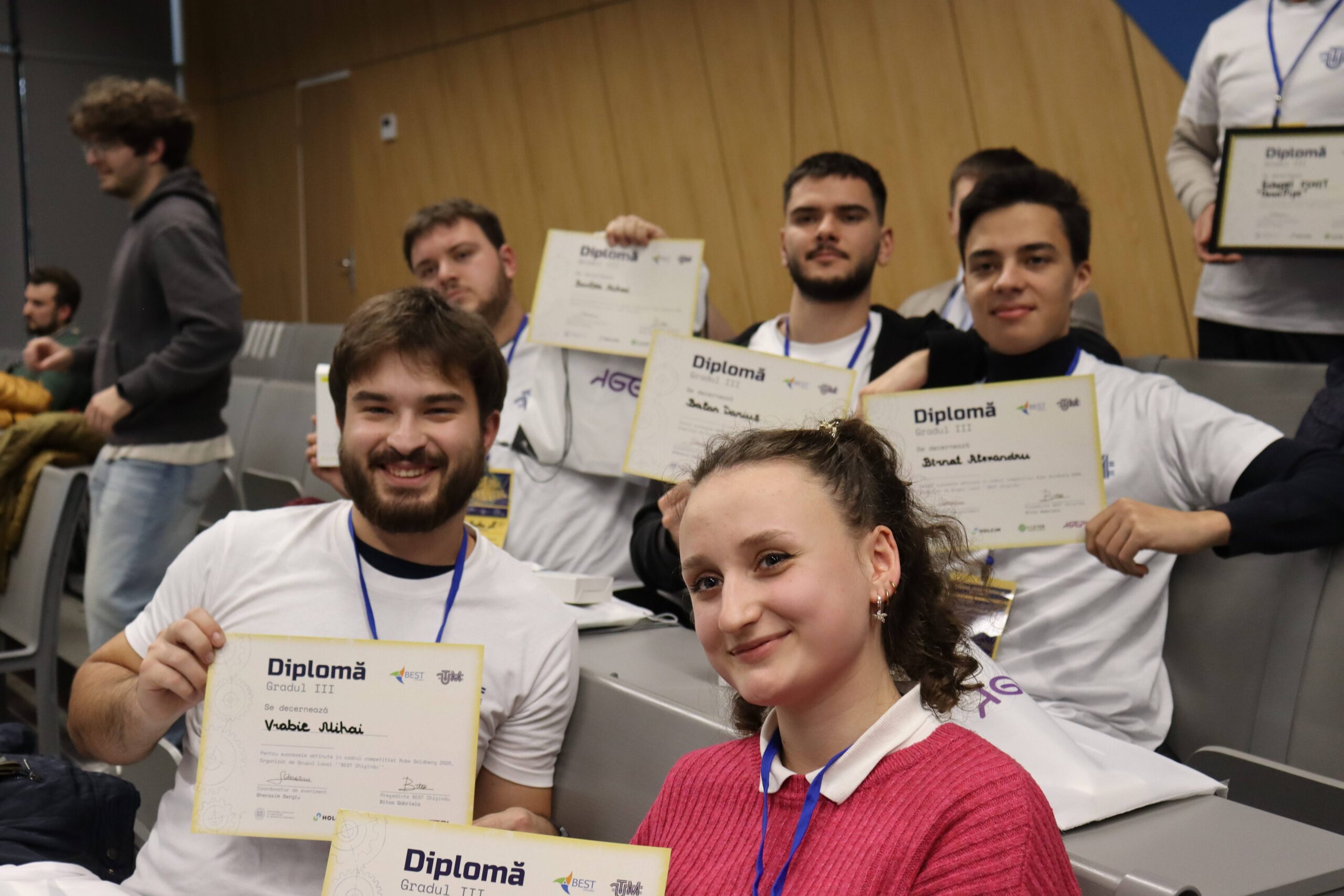
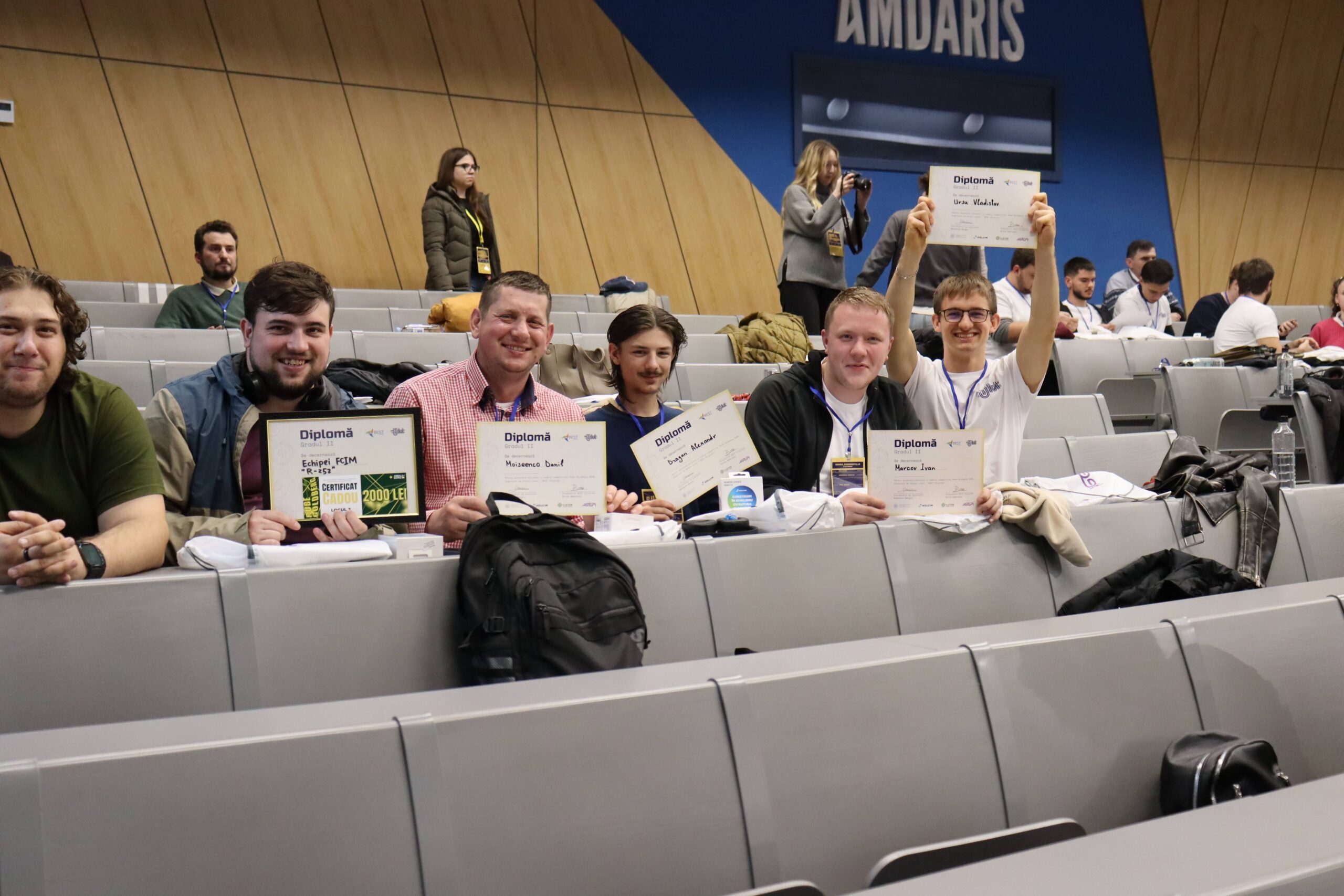
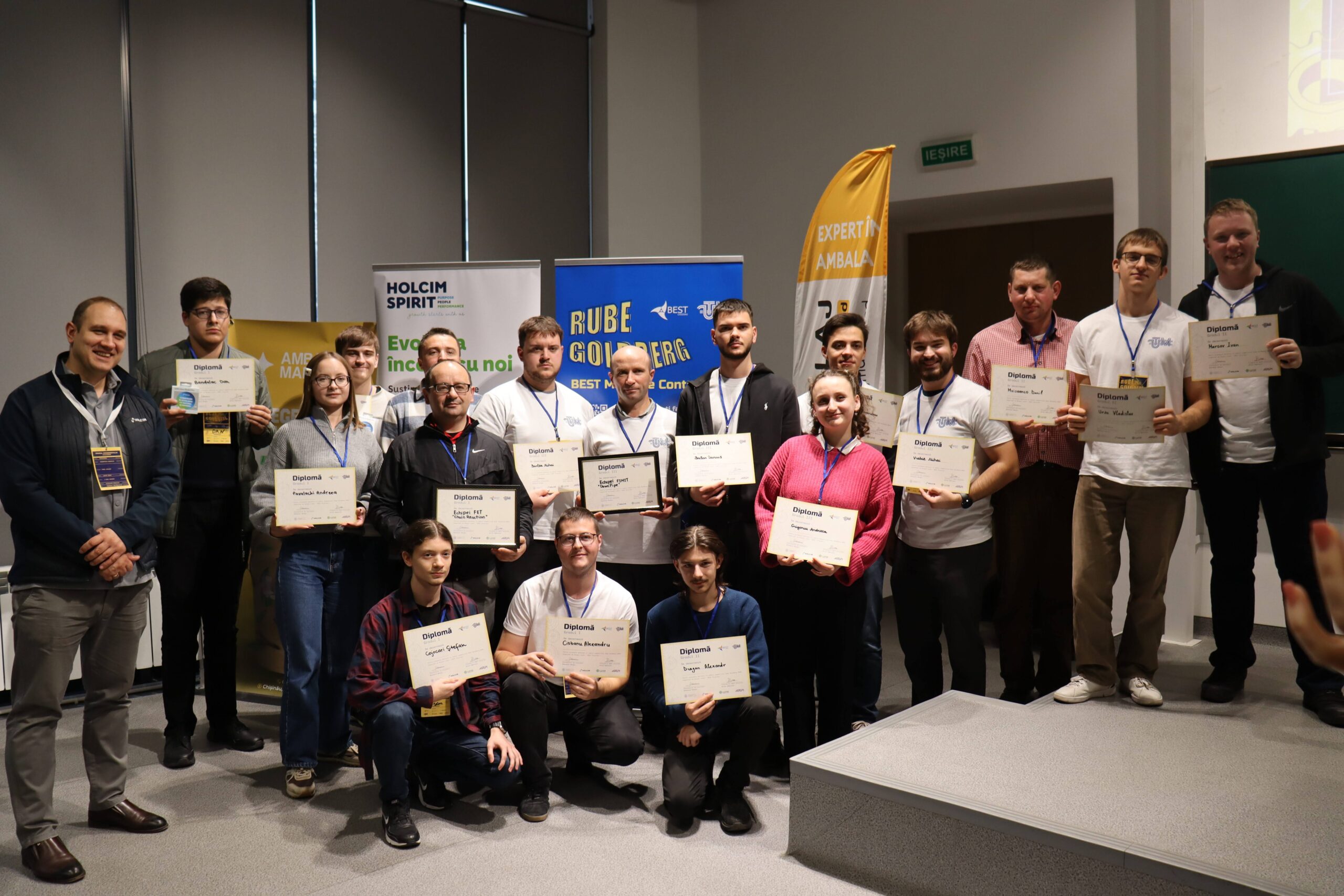
The top three teams were:
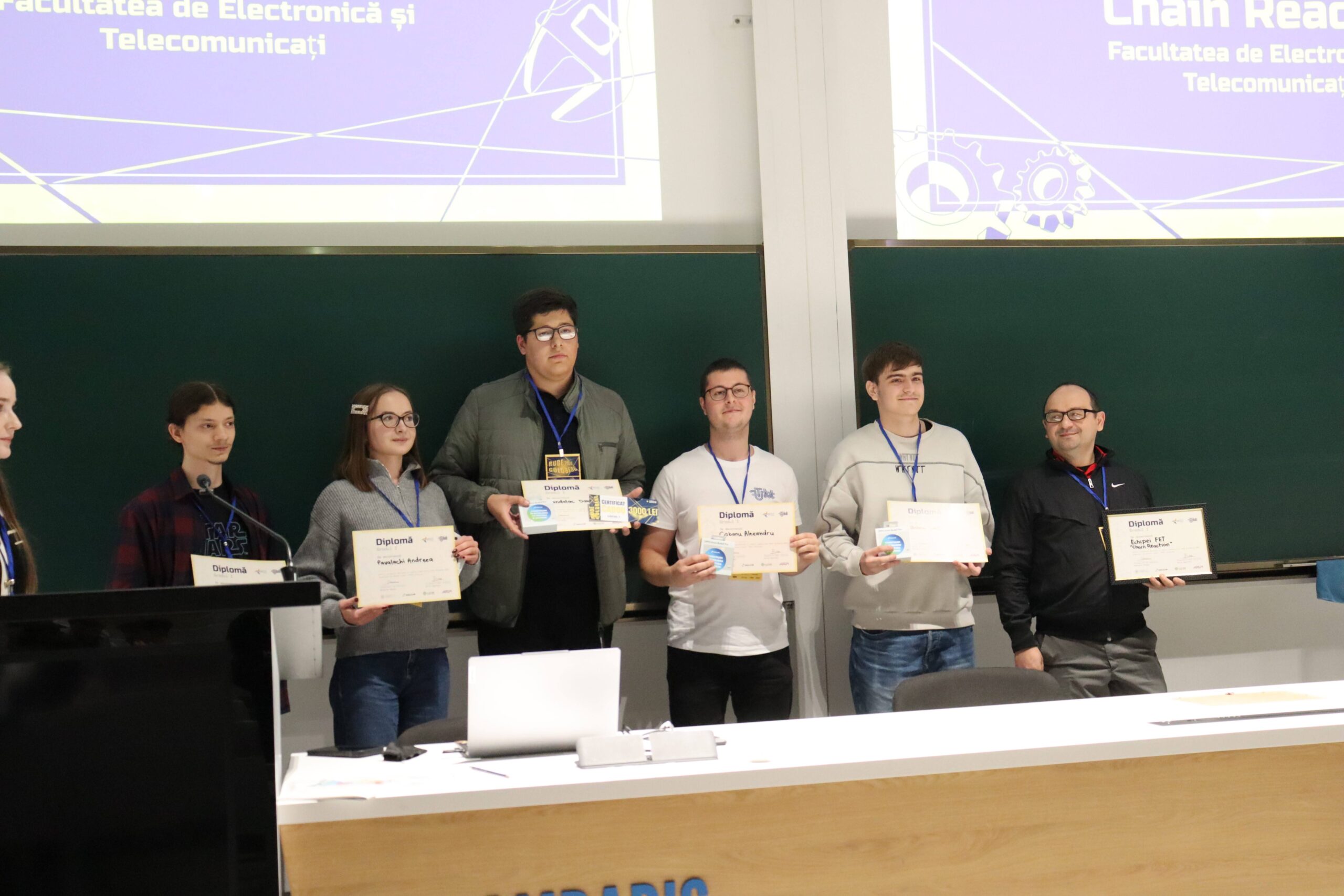
First place: Chain Reaction — Faculty of Electronics and Telecommunications
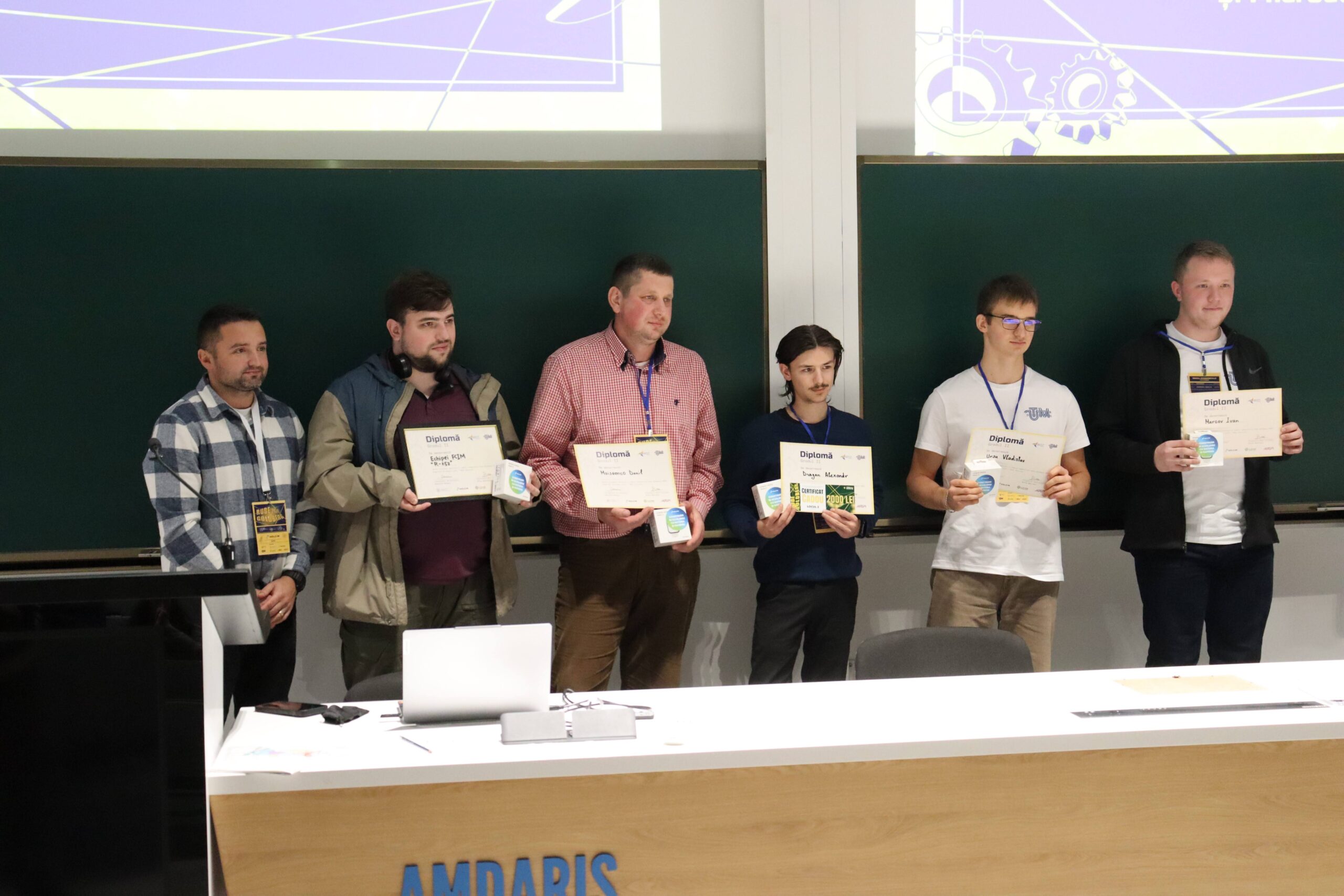
Second place: R-252 — Faculty of Computers, Informatics and Microelectronics
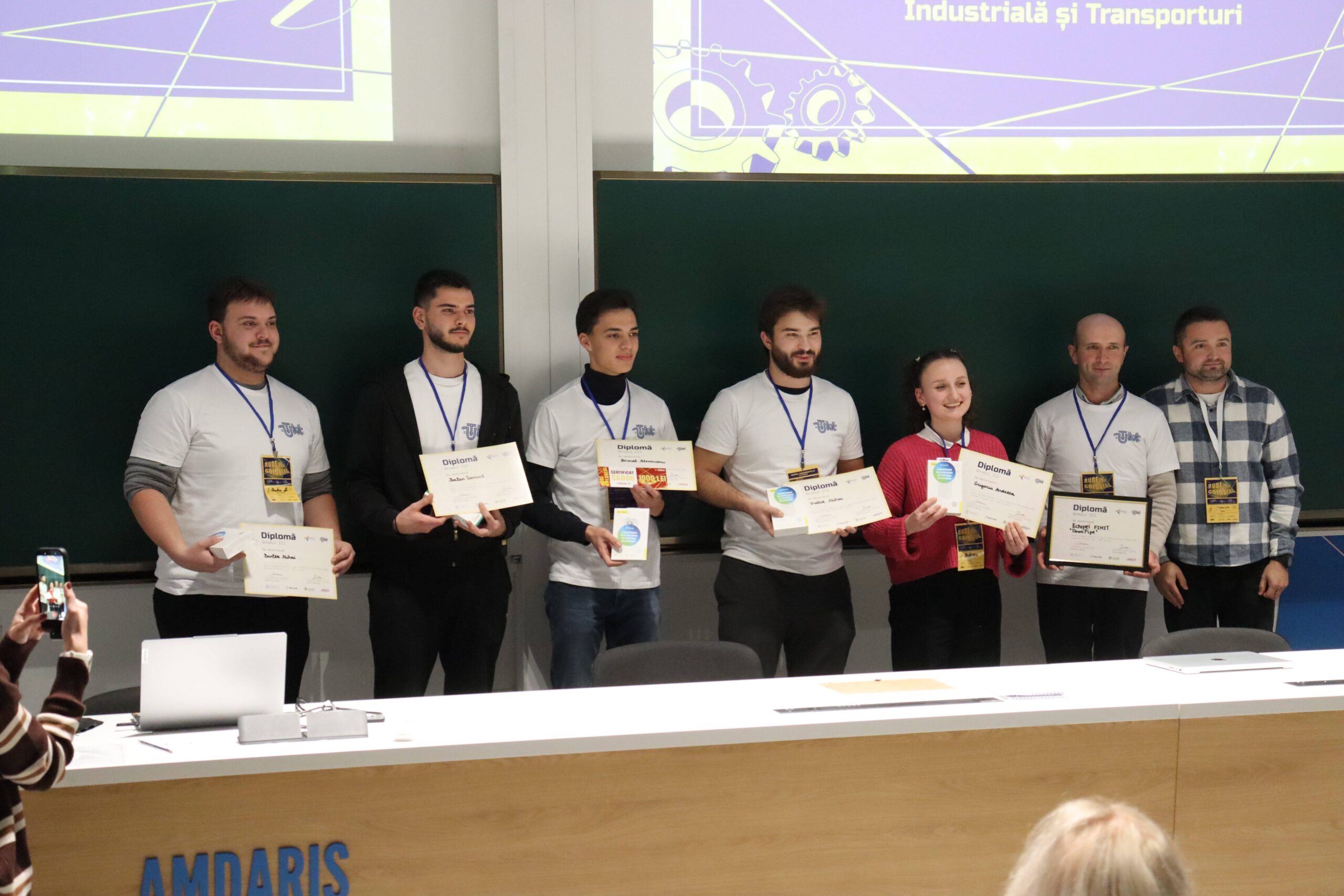
Third place: DownPipe — Faculty of Mechanical, Industrial and Transport Engineering
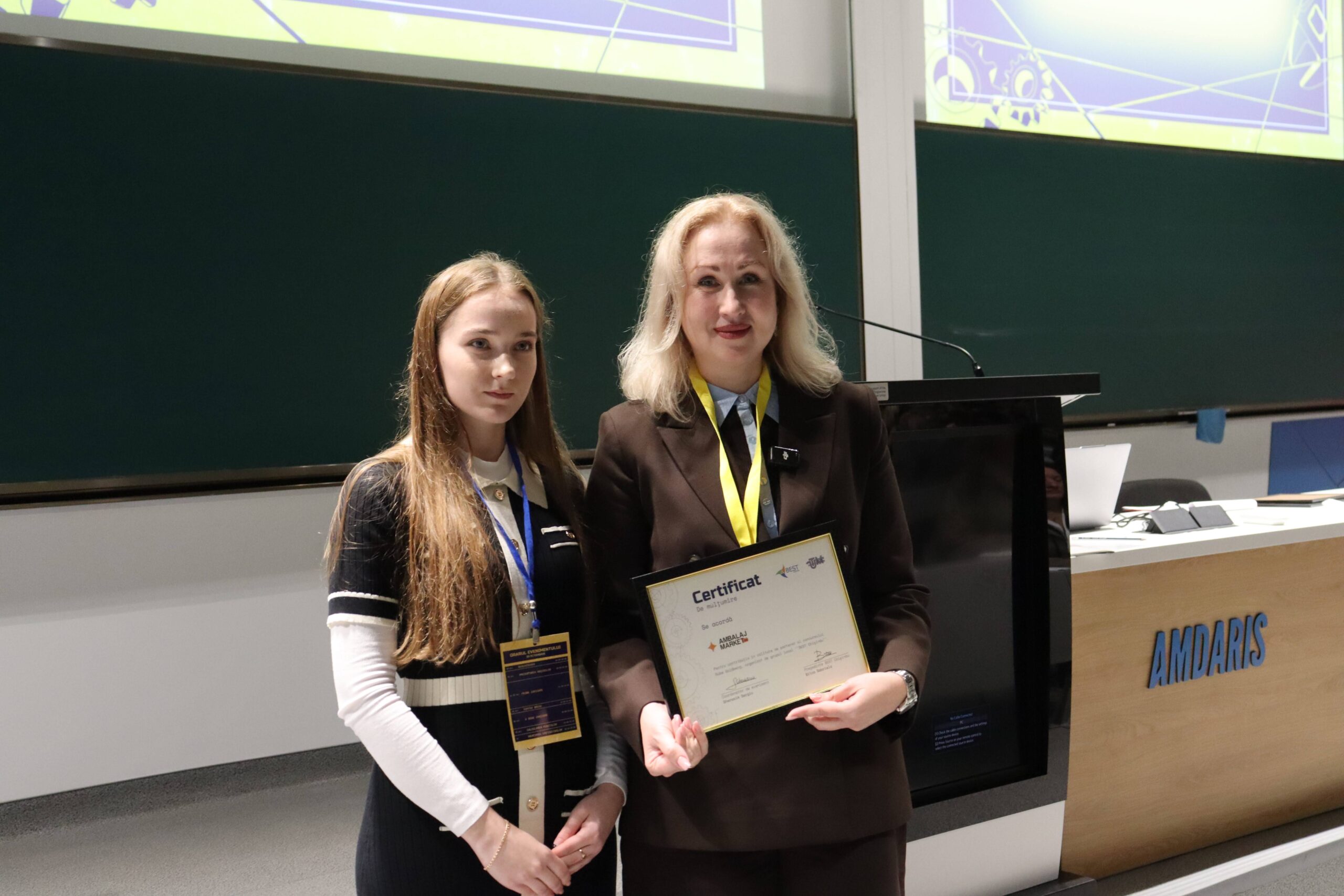
The winners received wireless headphones, smartwatches and portable power banks. The organisers also presented special awards and participation gifts.
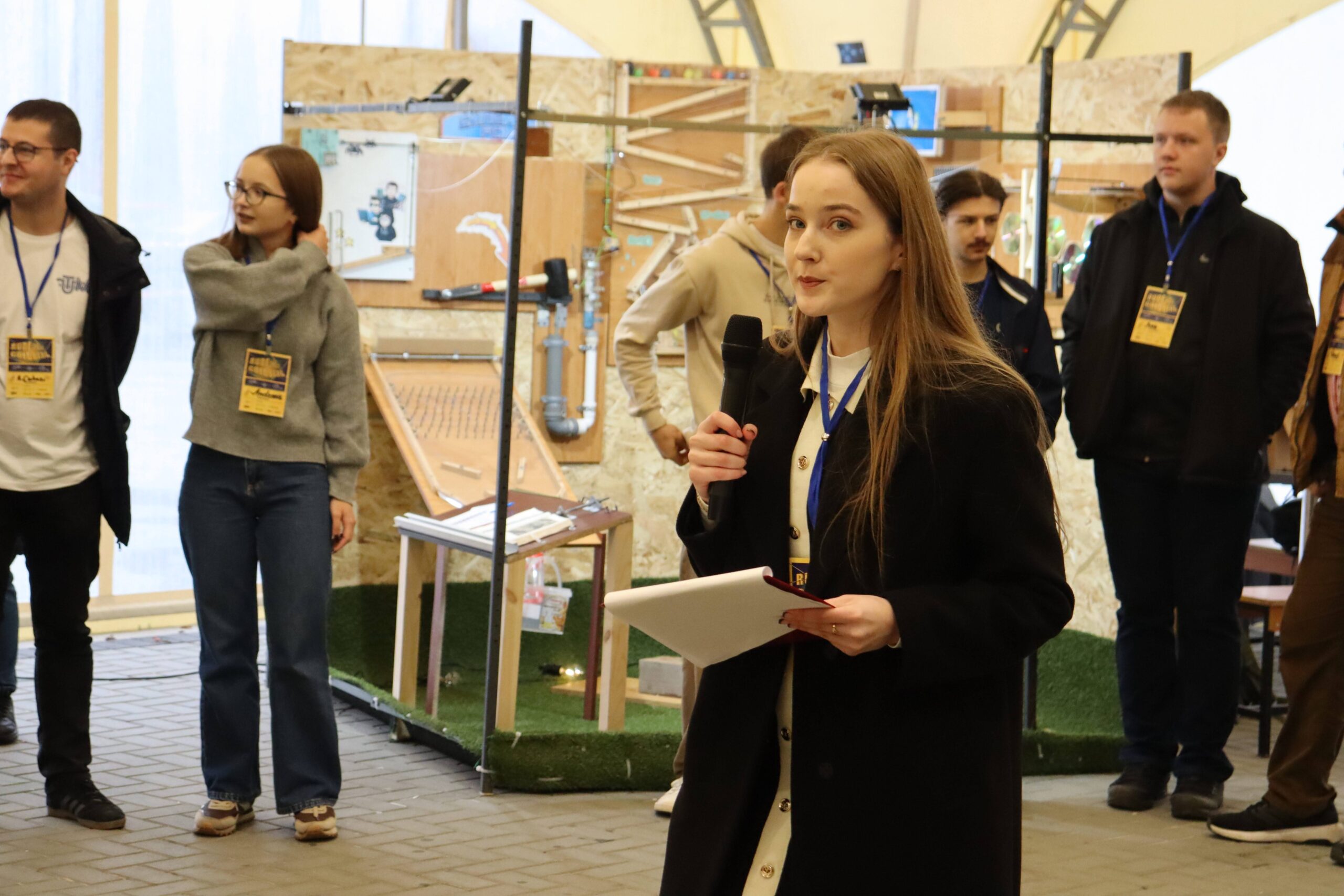
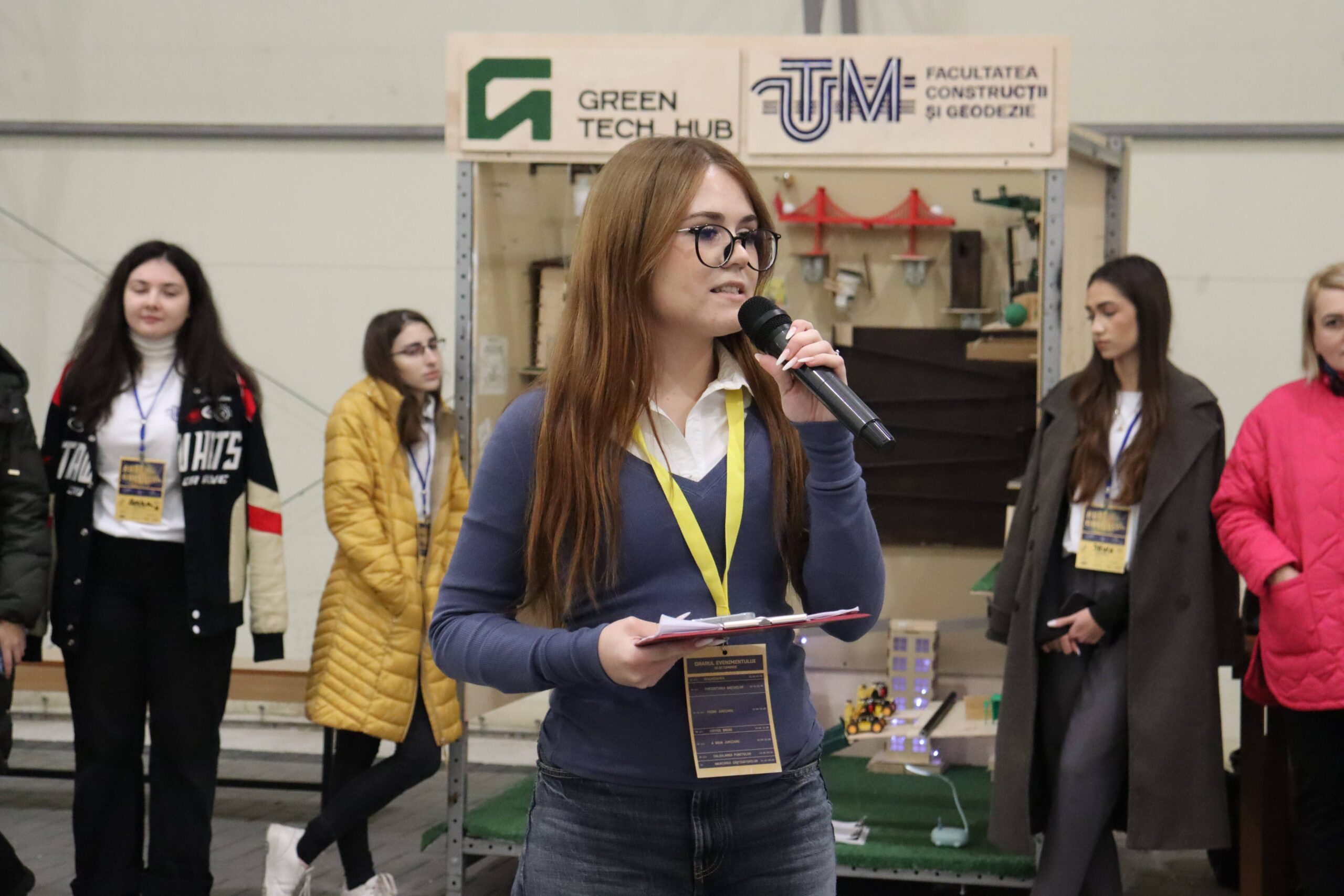
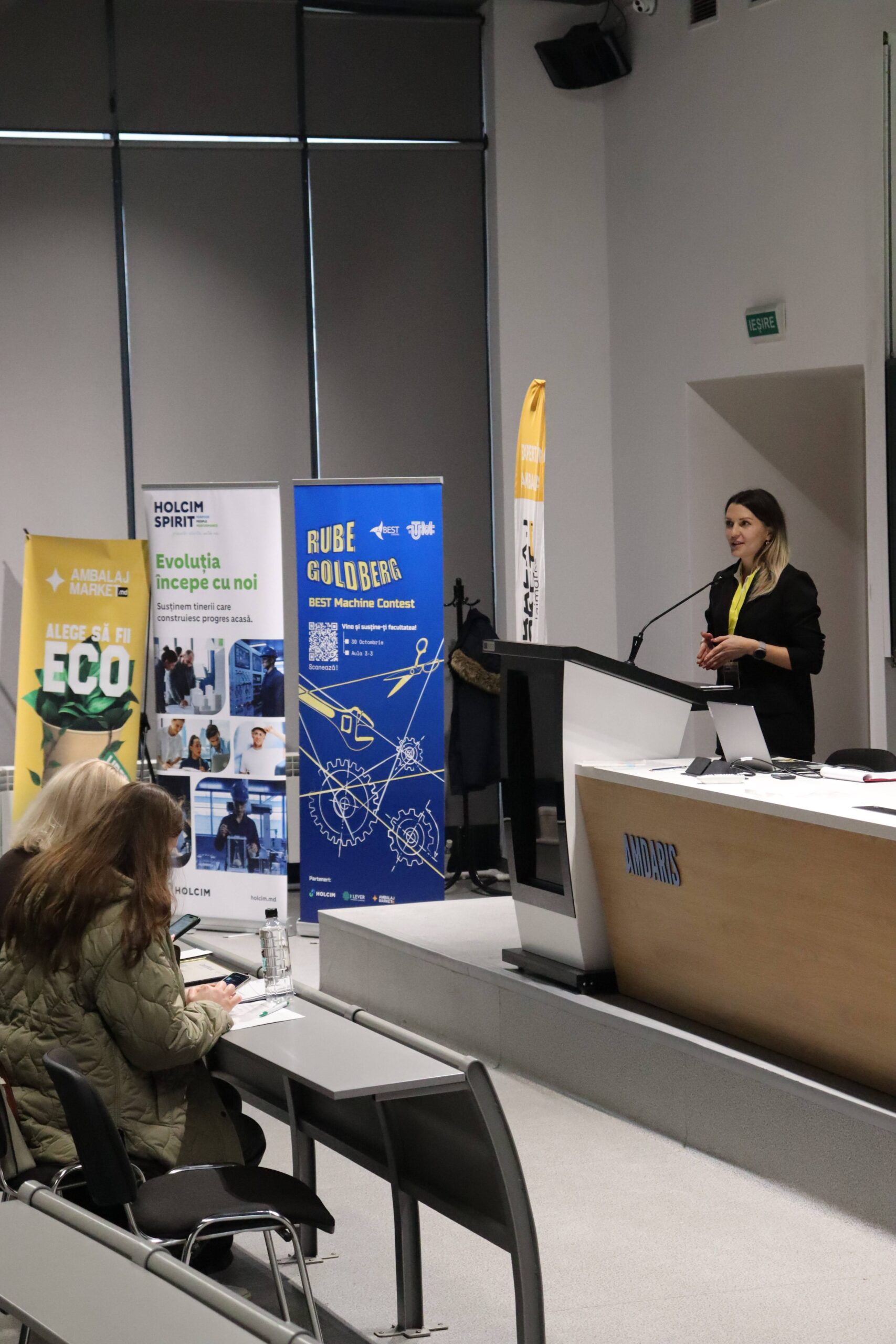
Gabriela Bîtcă, President of BEST Chișinău, said the competition reflects the organisation’s commitment to supporting student-led ideas.
We're always looking for ways to invest in students' ideas, try something innovative and create something that has an impact.
- Gabriela Bîtcă, President of BEST Chișinău
For participants, the challenge offered a chance to put classroom knowledge to work. Students had to come up with their own designs, figure out how different components would interact and solve the problems that emerged during construction and testing.
Now in its tenth year, the Rube Goldberg competition remains part of UTM’s efforts to give students opportunities to experiment with engineering beyond the classroom. Working with BEST Chișinău and AGEPI, the university supports the competition as a way for students to develop their technical skills, exchange ideas and work together on projects of their own.