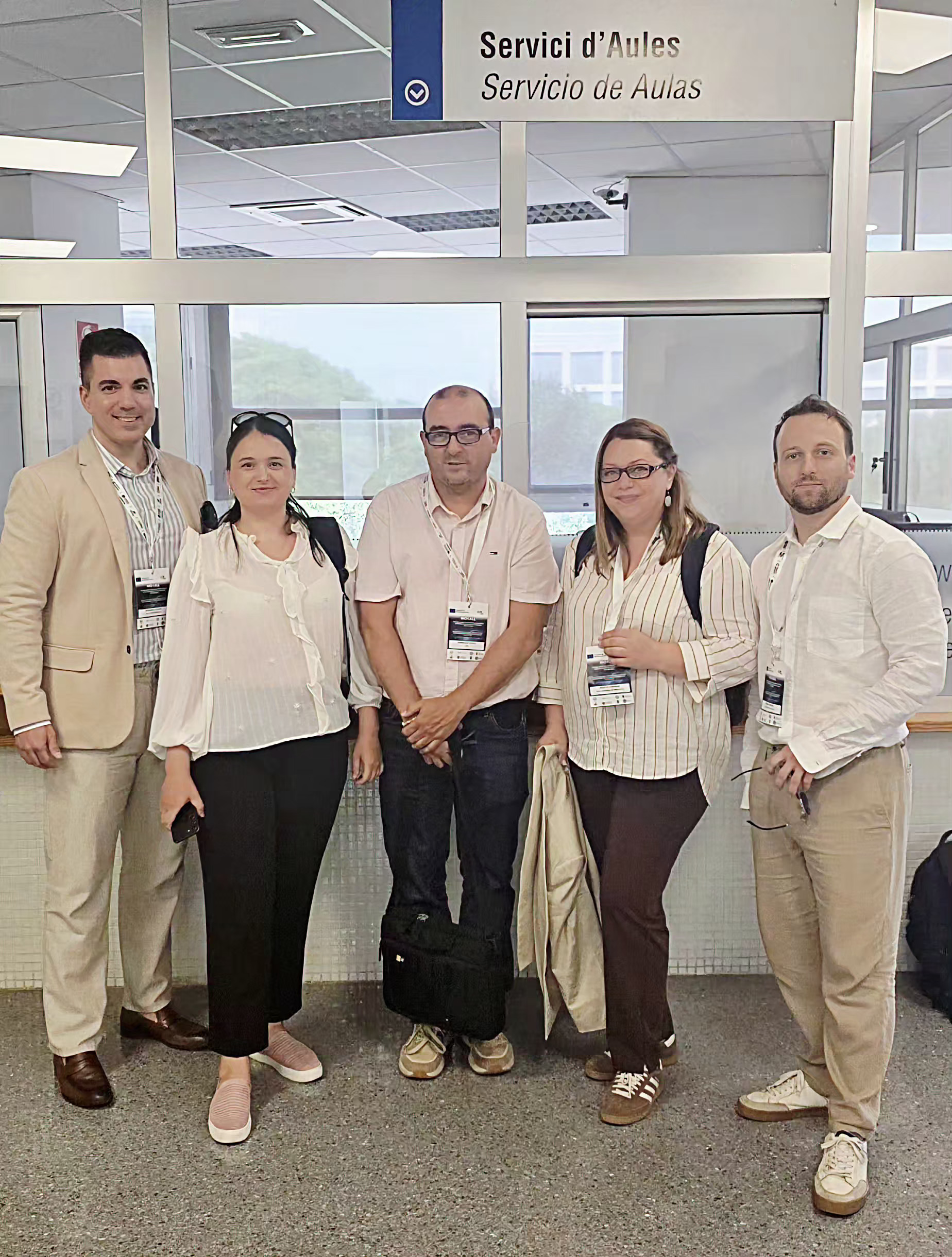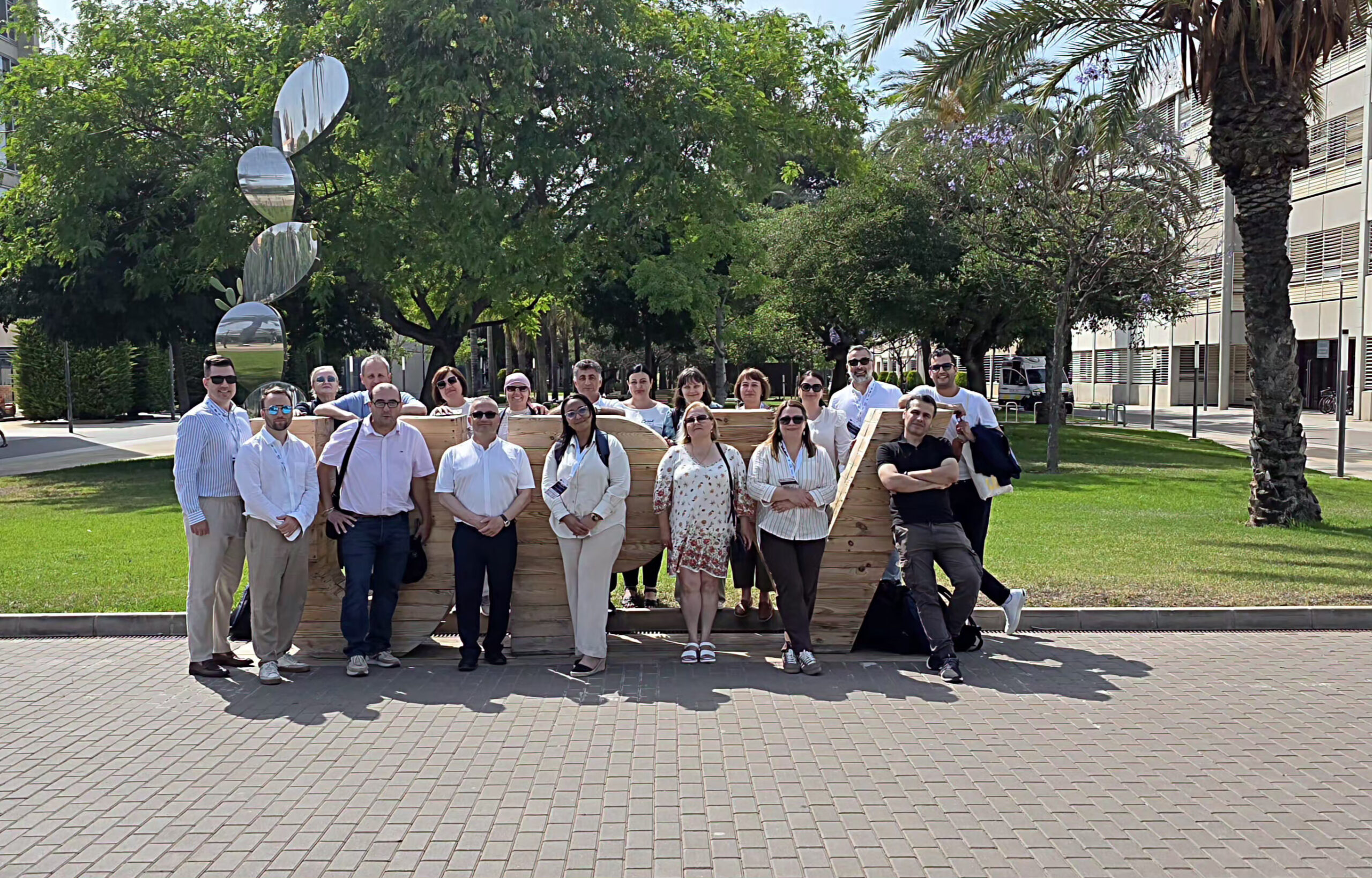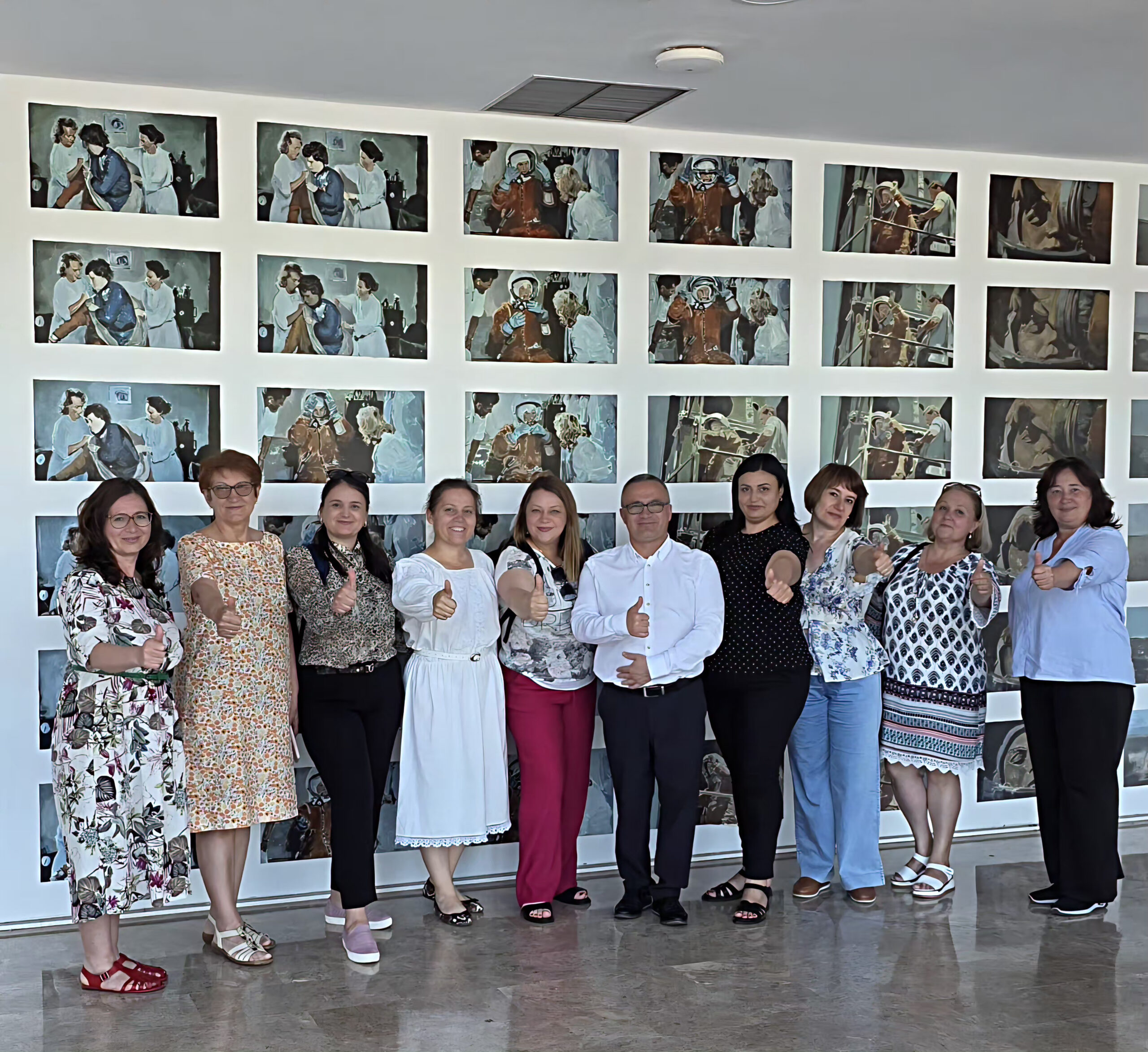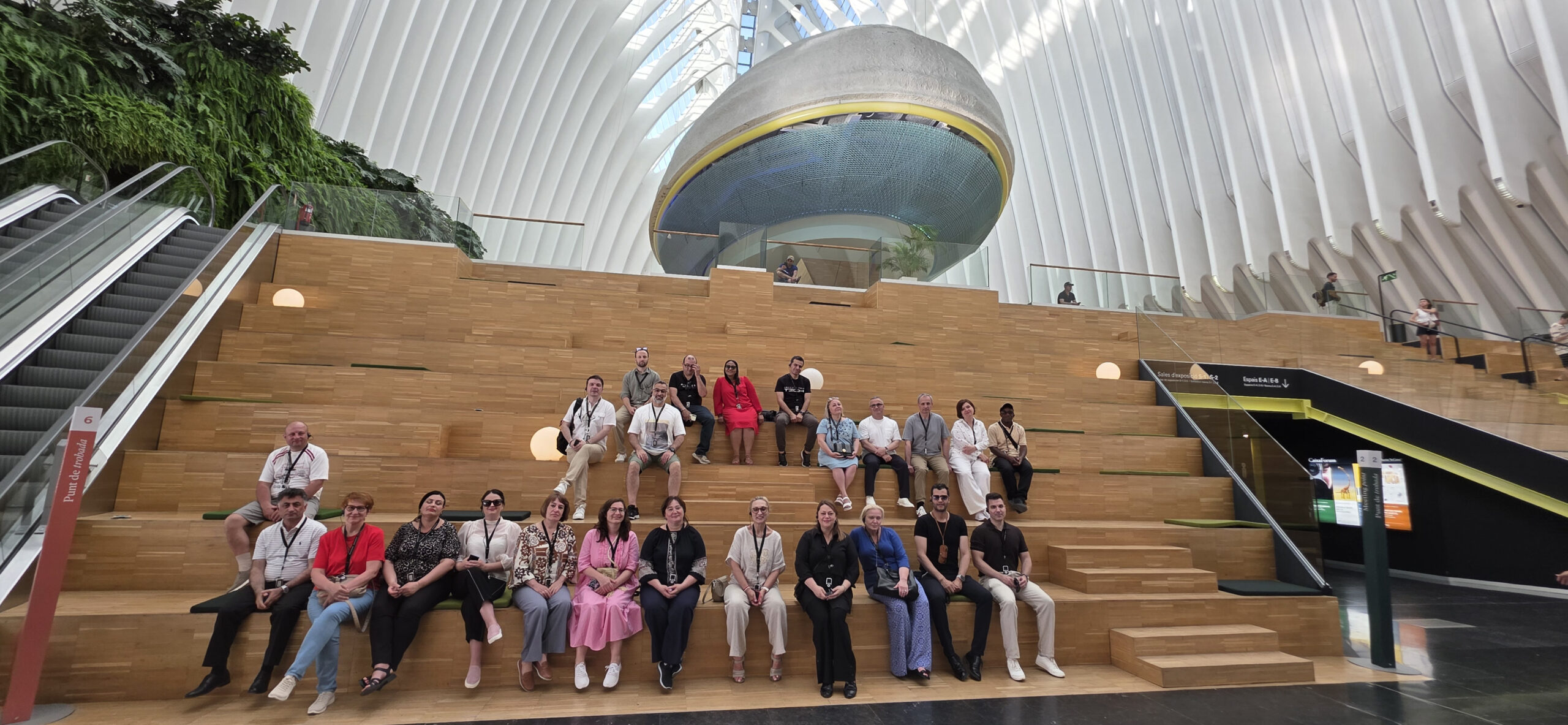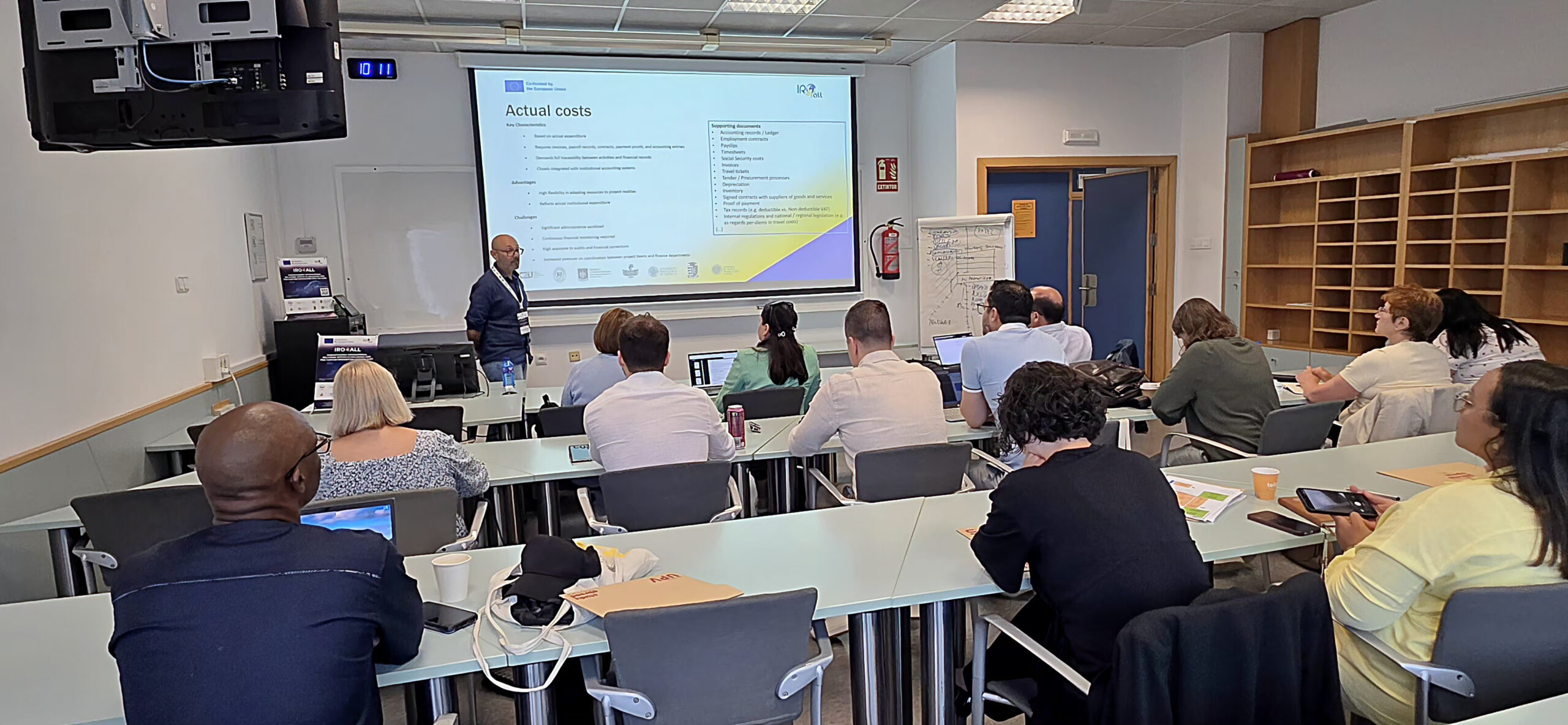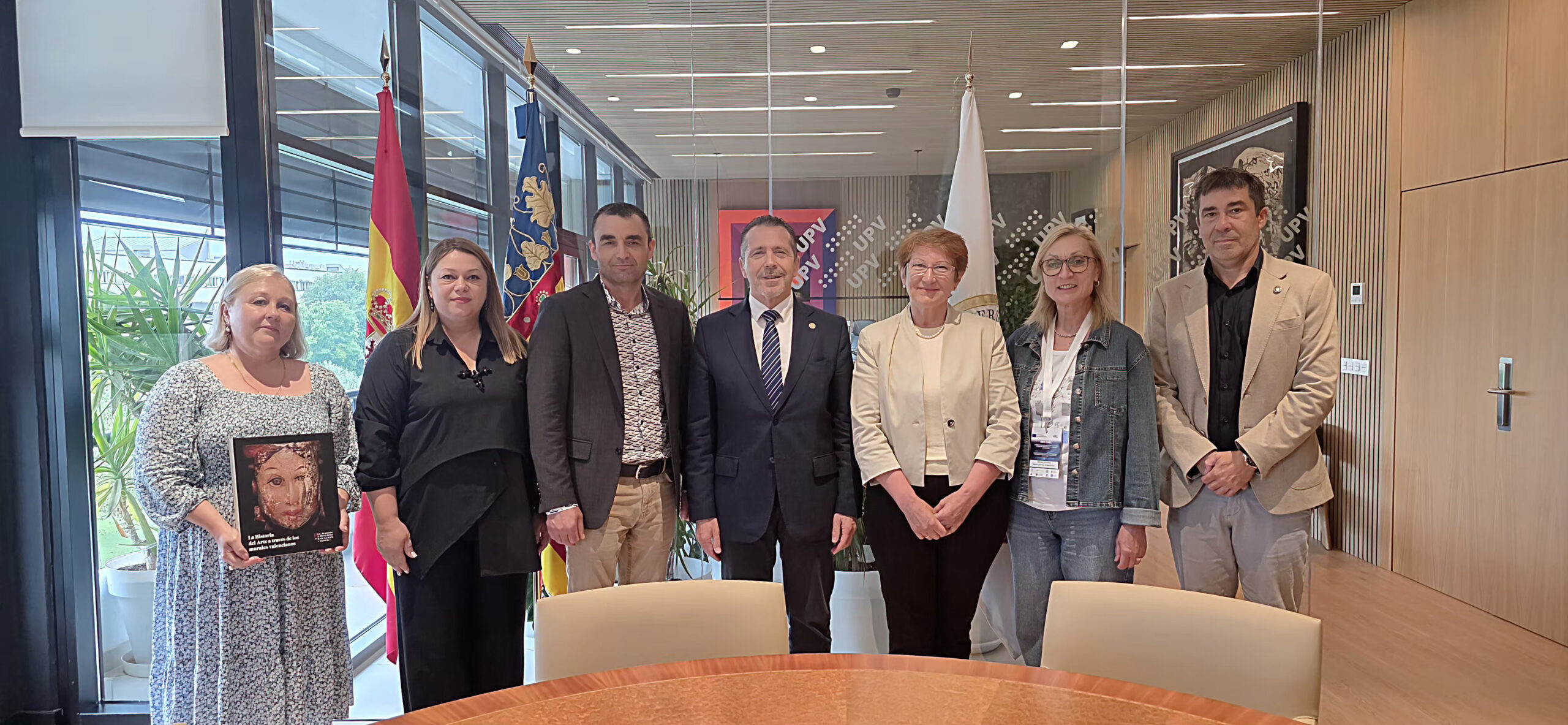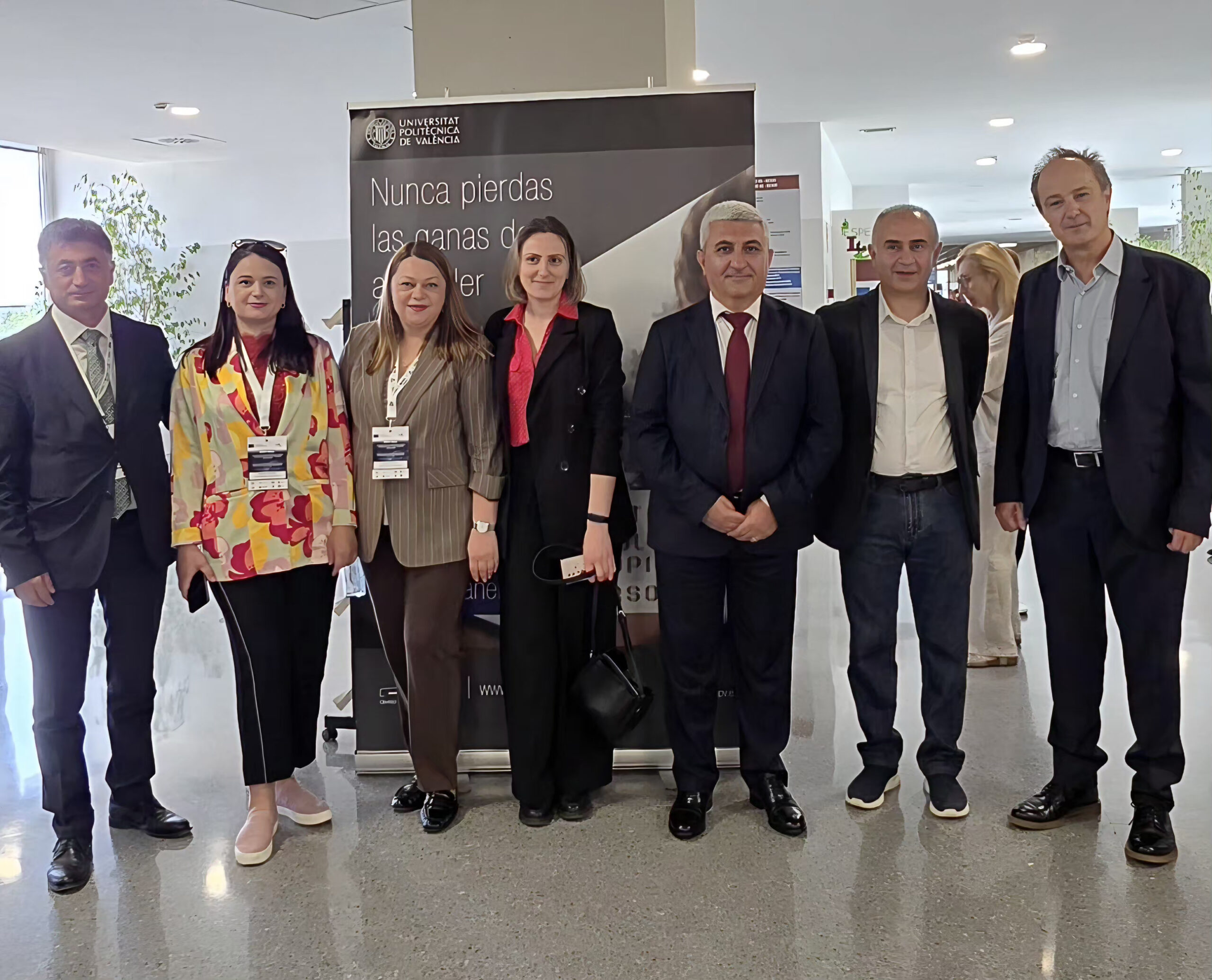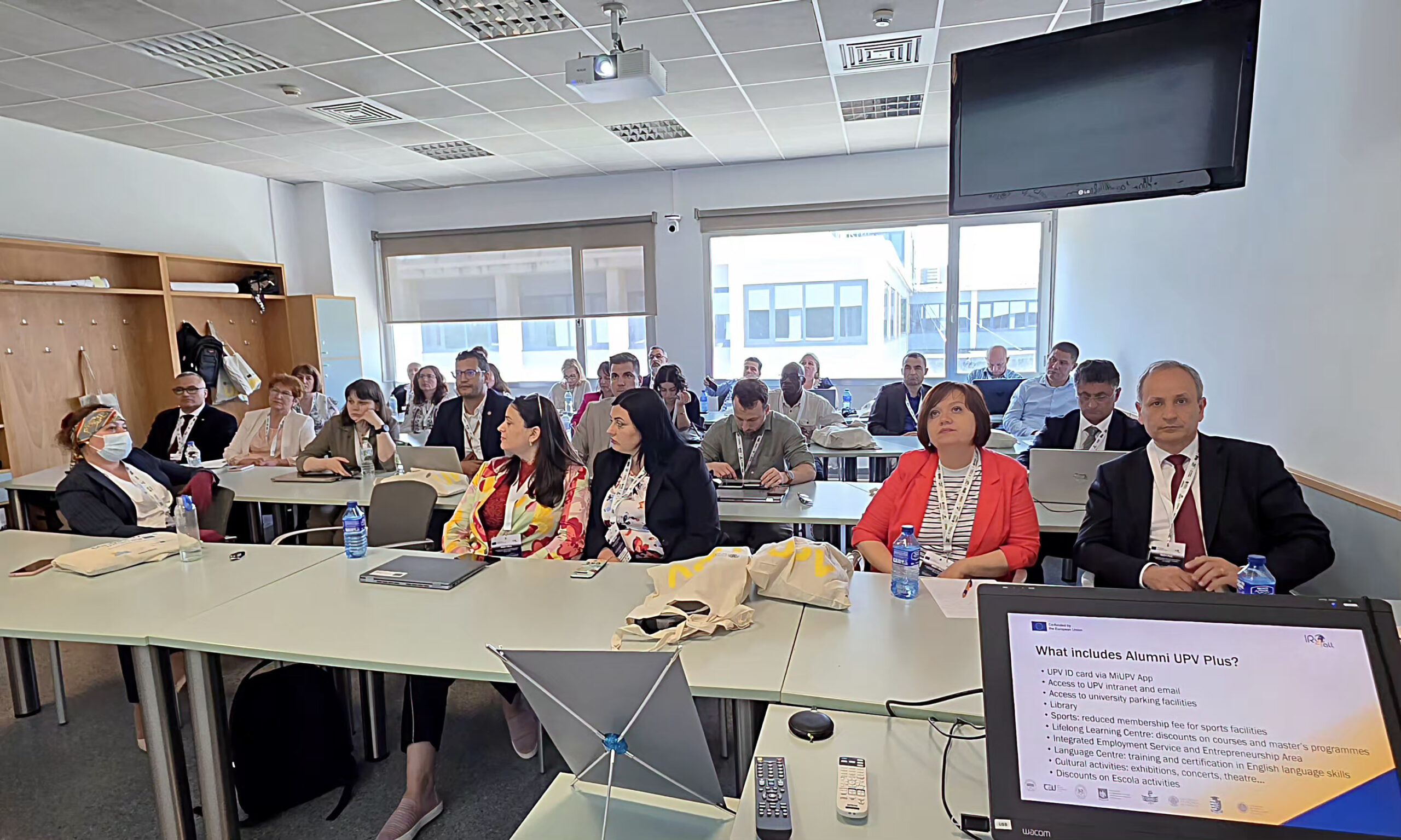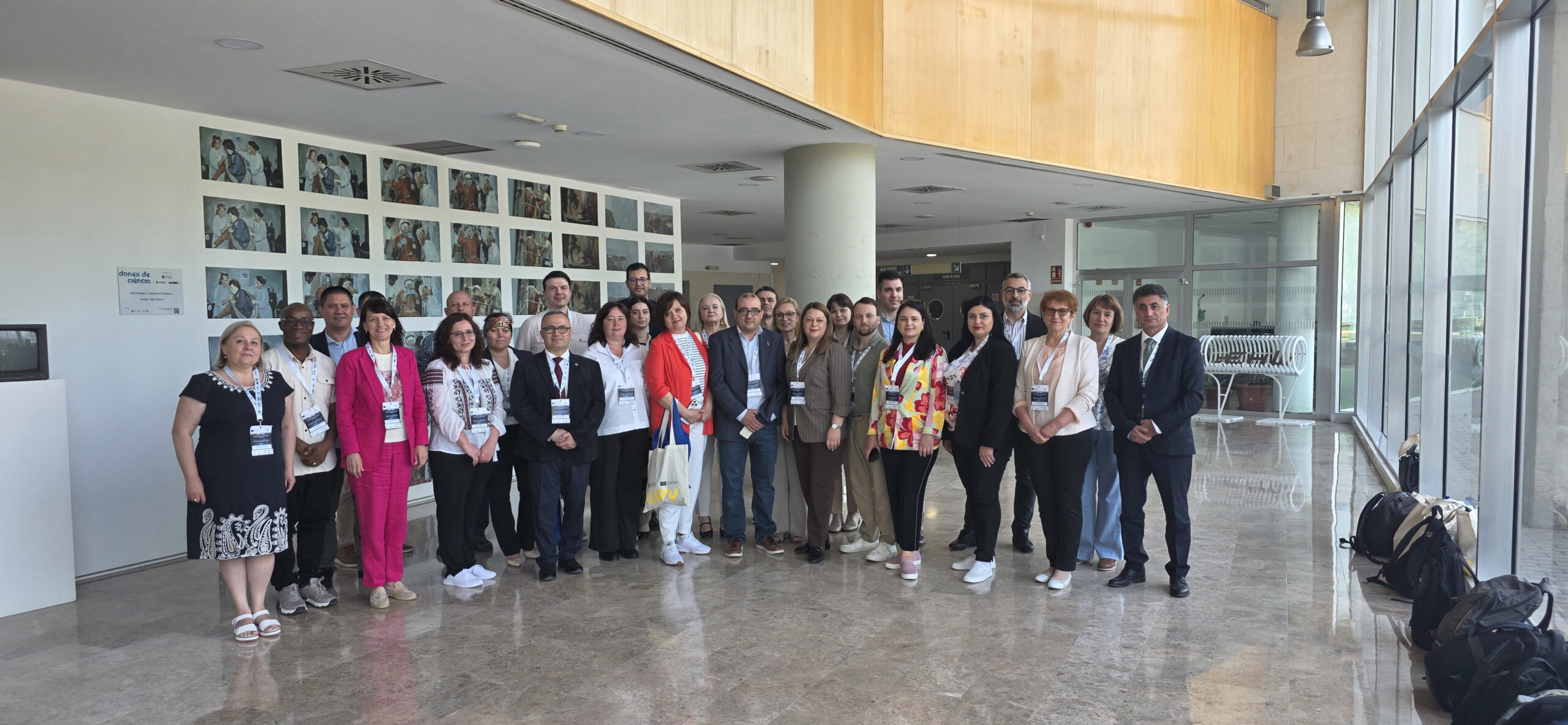
The Universitat Politècnica de València (UPV) successfully hosted the first capacity-building training dedicated to policies and mechanisms for higher education internationalization. The activity was organized within the framework of the Erasmus+ KA2 project “IRO4ALL – Strengthening International Relations Offices in Moldovan Higher Education Institutions for Integration into the European Higher Education Area (EHEA)”.
The training programme aimed to enhance the professional competences of staff working in International Relations Offices and to deepen participants’ knowledge of internationalization governance, academic mobility, Erasmus+ digitalization processes, and European project management. Through its comprehensive agenda, the training contributed to the modernization and strengthening of the institutional capacities of Moldovan higher education institutions.
The event brought together representatives of the eight partner institutions participating in the IRO4ALL consortium: the Technical University of Moldova (project coordinator), the Academy of Music, Theatre and Fine Arts, the Military Academy of the Armed Forces “Alexandru cel Bun”, the Trade Co-operative University of Moldova, Comrat State University, the University of Agronomic Sciences and Veterinary Medicine of Bucharest, the Czech University of Life Sciences Prague, and the Universitat Politècnica de València.
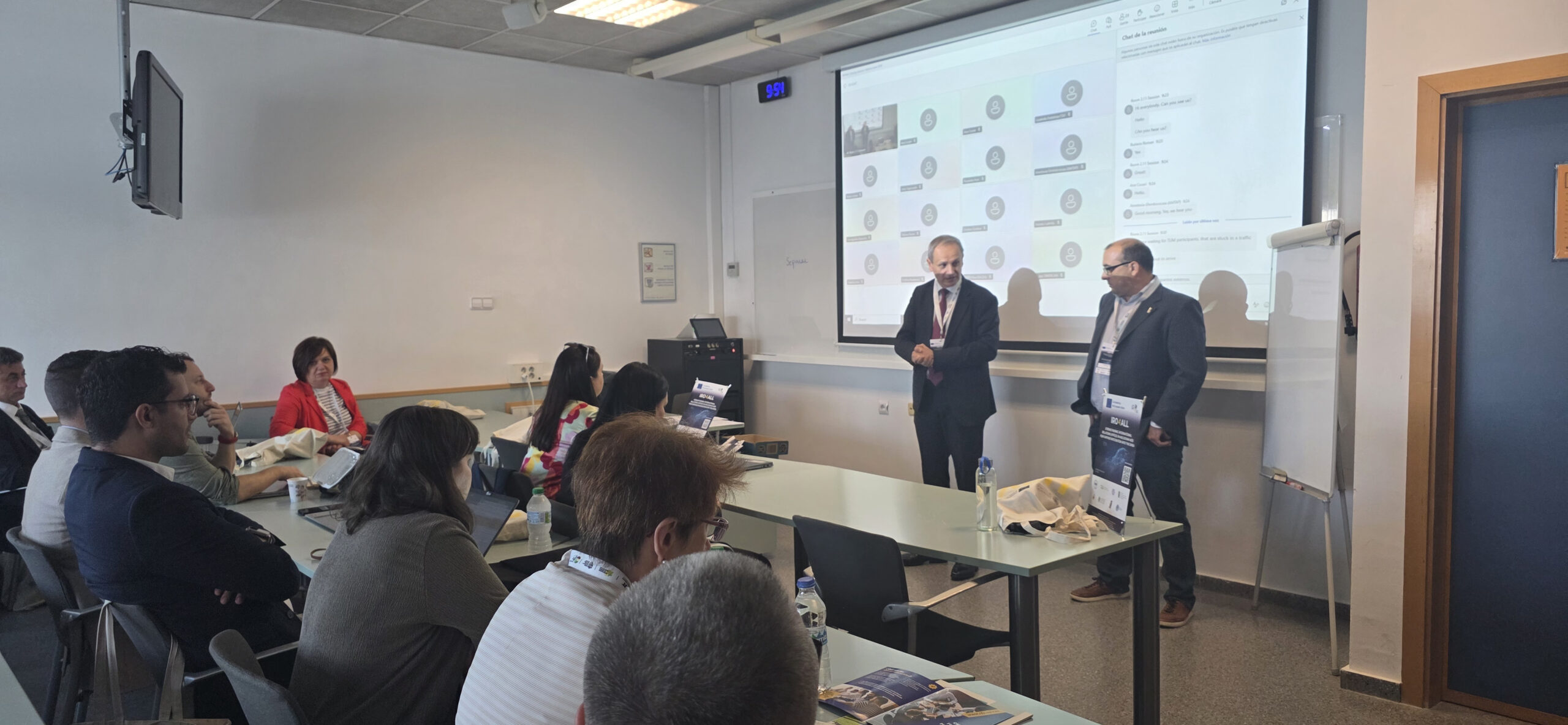
The programme officially opened with welcome remarks delivered by Francisco Gómez Catalá, Head of the International Relations Office at UPV and institutional project coordinator; Prof. Dr. Habil. Viorel Bostan, Rector of Technical University of Moldova and strategic coordinator of the project; Dr. Daniela Pojar, Vice-Rector for Internationalization and institutional project coordinator; and Dr. Nina Puțuntean, Head of IRO at TUM and general coordinator of the IRO4ALL project. The opening session also featured an online intervention by Paul Harris, Erasmus+ Project Officer, who emphasized the importance of strengthening institutional capacities within the European Higher Education Area.
It is noteworthy that the training was attended by five rectors and vice-rectors responsible for international relations from the beneficiary universities in the Republic of Moldova, demonstrating both the strategic relevance of the project and the strong institutional commitment to advancing internationalization processes in higher education.
The programme continued with an overview of the IRO4ALL project delivered by Dr. Nina Puțuntean, Head of IRO at TUM and general coordinator of the project, who presented the project’s specific objectives, expected outcomes, the 24-month activity implementation plan as outlined in the Gantt chart, the deliverables completed during the first year of implementation, and the timeline of of upcoming activities. Subsequently, Dr. Cristina Diaconu, Project Manager, provided an update on project management and reporting procedures, focusing on the deliverables associated with each work package, institutional responsibilities, implementation deadlines, potential adjustments, and reporting obligations through the SYGMA platform. She highlighted the importance of ensuring full compliance with Erasmus+ requirements and maintaining effective project coordination and monitoring mechanisms.
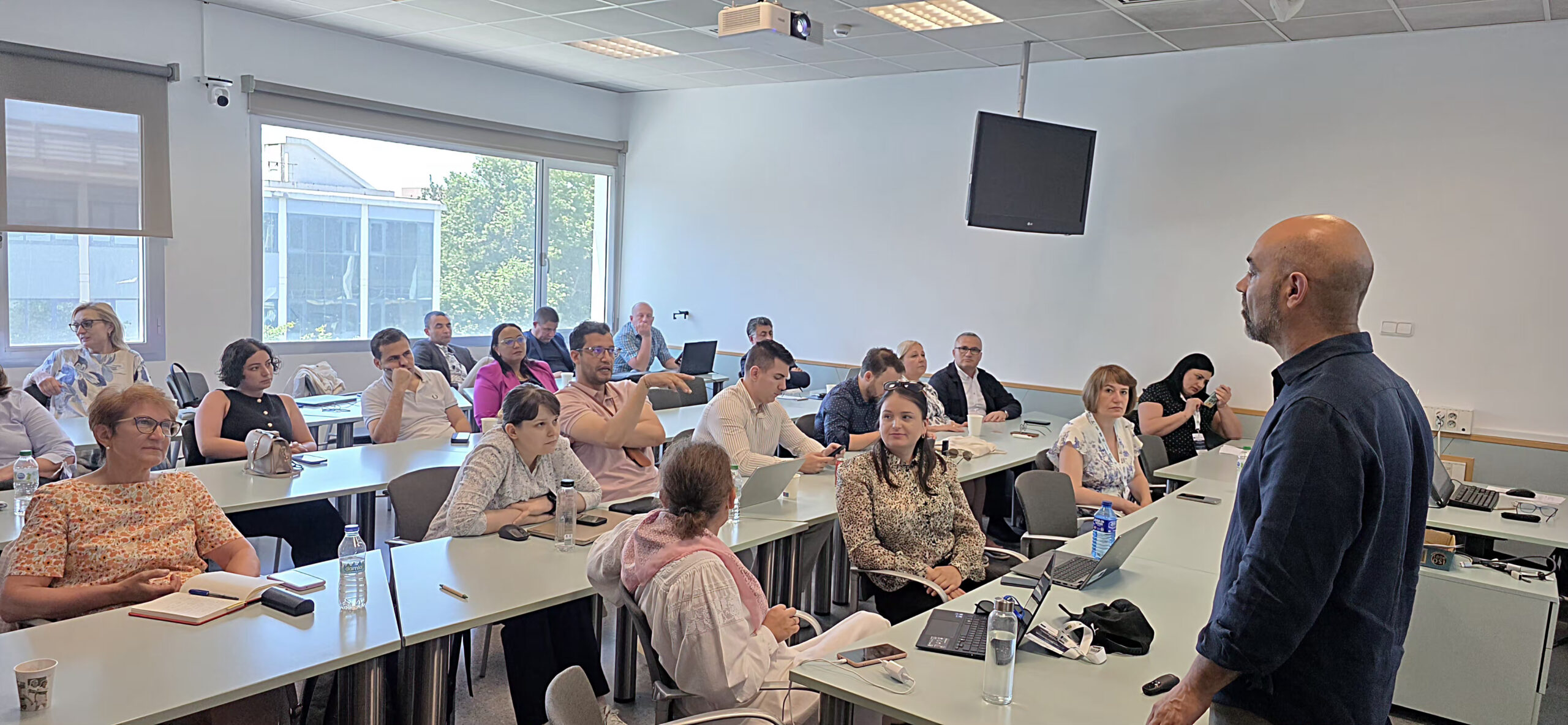
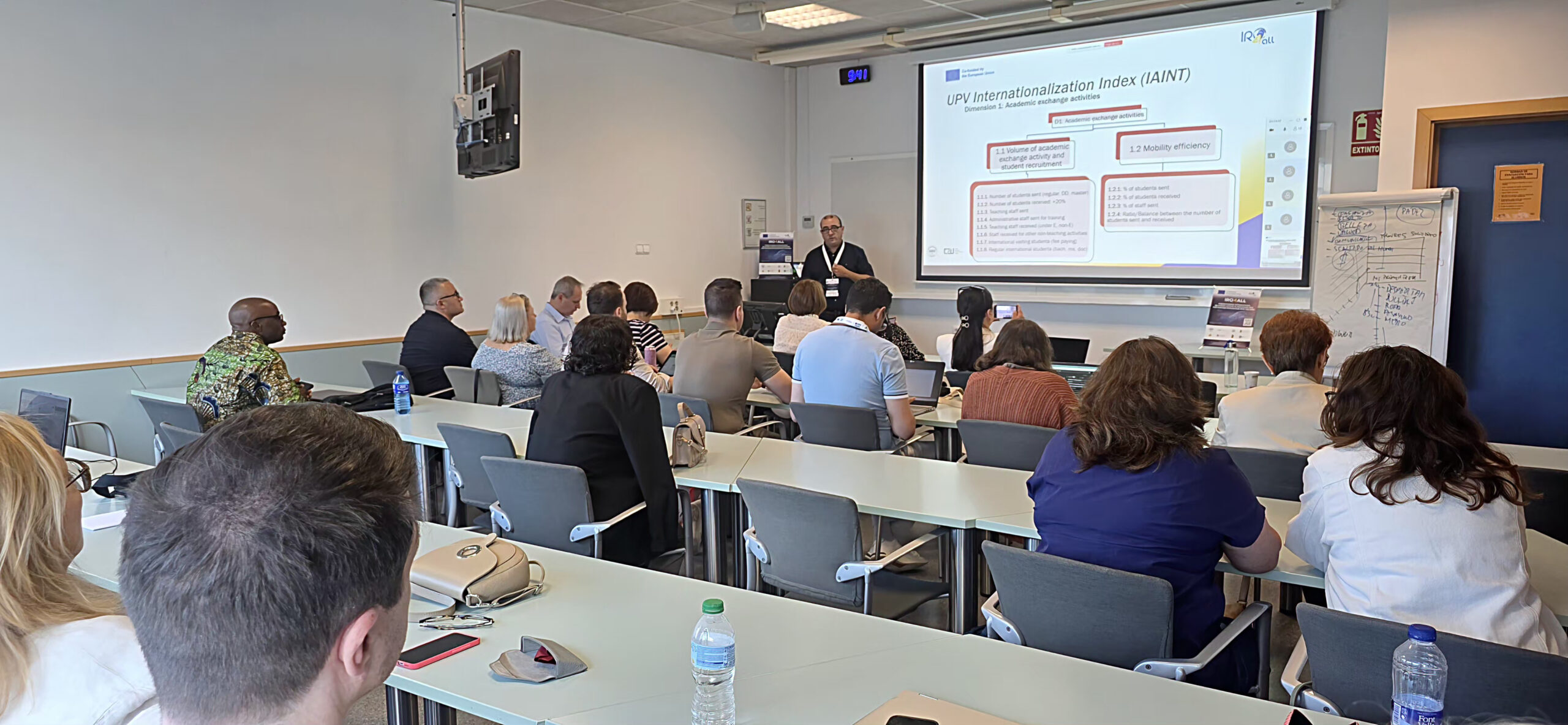
Throughout the five-day training programme, participants took part in thematic sessions, practical workshops, and institutional case studies dedicated to various dimensions of higher education internationalization. The topics addressed included internationalization governance and strategic planning, international marketing and student recruitment, academic mobility, digitalization, performance management through Key Performance Indicators (KPIs), and quality assurance.
During the sessions dedicated to internationalization governance, Francisco Gómez Catalá and Dr. Larisa Dunai (UPV) presented the university’s institutional approach to internationalization, highlighting governance structures, management mechanisms, and performance monitoring tools. Participants were also introduced to several successful initiatives implemented at UPV, including mentoring programmes, international seminars, and international alumni engagement activities.
The second day focused on international marketing and student recruitment. Lubomír Majerník and Ondřej Votinský (CZU) shared institutional strategies for university branding and attracting international students, while Irina Tomașu and Zouhir Hariq (USAMV Bucharest) highlighted the role of international education fairs, conferences, and scientific events in strengthening institutional visibility and developing sustainable international partnerships.
The third day addressed academic mobility, digitalization, and performance indicators in internationalization. Participants explored institutional mobility programmes, double-degree agreements, and the European Student Card Initiative, while also taking part in a practical workshop dedicated to the development of composite indicators for assessing internationalization performance.
The fourth day was devoted to Blended Intensive Programmes (BIPs) as an innovative Erasmus+ mobility format. Experts from UPV, CZU, and USAMV Bucharest presented institutional experiences related to the design and implementation of BIPs, emphasizing interinstitutional cooperation, cross-faculty collaboration, and the effective use of digital platforms in programme management.
As part of the training week, the consortium also held an IRO4ALL project management meeting, during which partners reviewed project progress, discussed the status of deliverables under each work package, assessed institutional responsibilities and implementation timelines, and agreed on the next steps for project implementation.
The final day focused on European project management and financial sustainability. Carlos Jiménez Rico (UPV) delivered sessions on Erasmus+ funding mechanisms, reporting requirements, internal control systems, and the lump-sum funding model, highlighting its implications for European cooperation projects and the evolving landscape of EU-funded project management.
During the quality assurance session, a participant satisfaction survey was conducted to evaluate the effectiveness and impact of the training activities. In addition, Dr. Arayik Navoyan, external quality evaluation expert, provided feedback on the programme’s implementation and shared recommendations for its further improvement.
Throughout the training week, participants strengthened their competences in key areas of internationalization, including governance, academic mobility, digitalization, project management, and quality assurance. The programme contributed significantly to institutional capacity building, reinforced cooperation among partner universities, and supported the professional development of staff working in International Relations Offices.
Funded by the European Union. Views and opinions expressed are, however, those of the author(s) only and do not necessarily reflect those of the European Union or the European Education and Culture Executive Agency (EACEA). Neither the European Union nor EACEA can be held responsible for them.