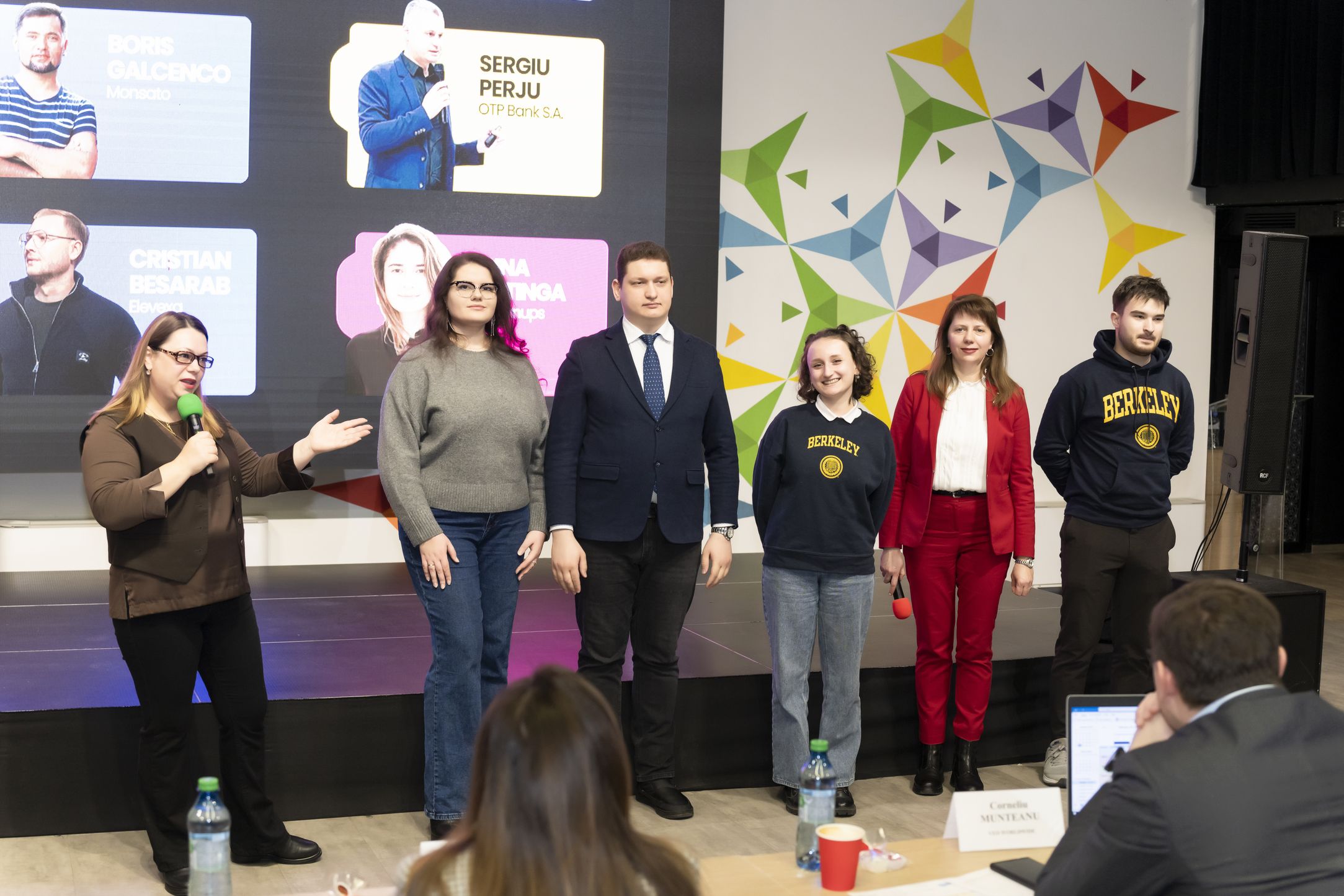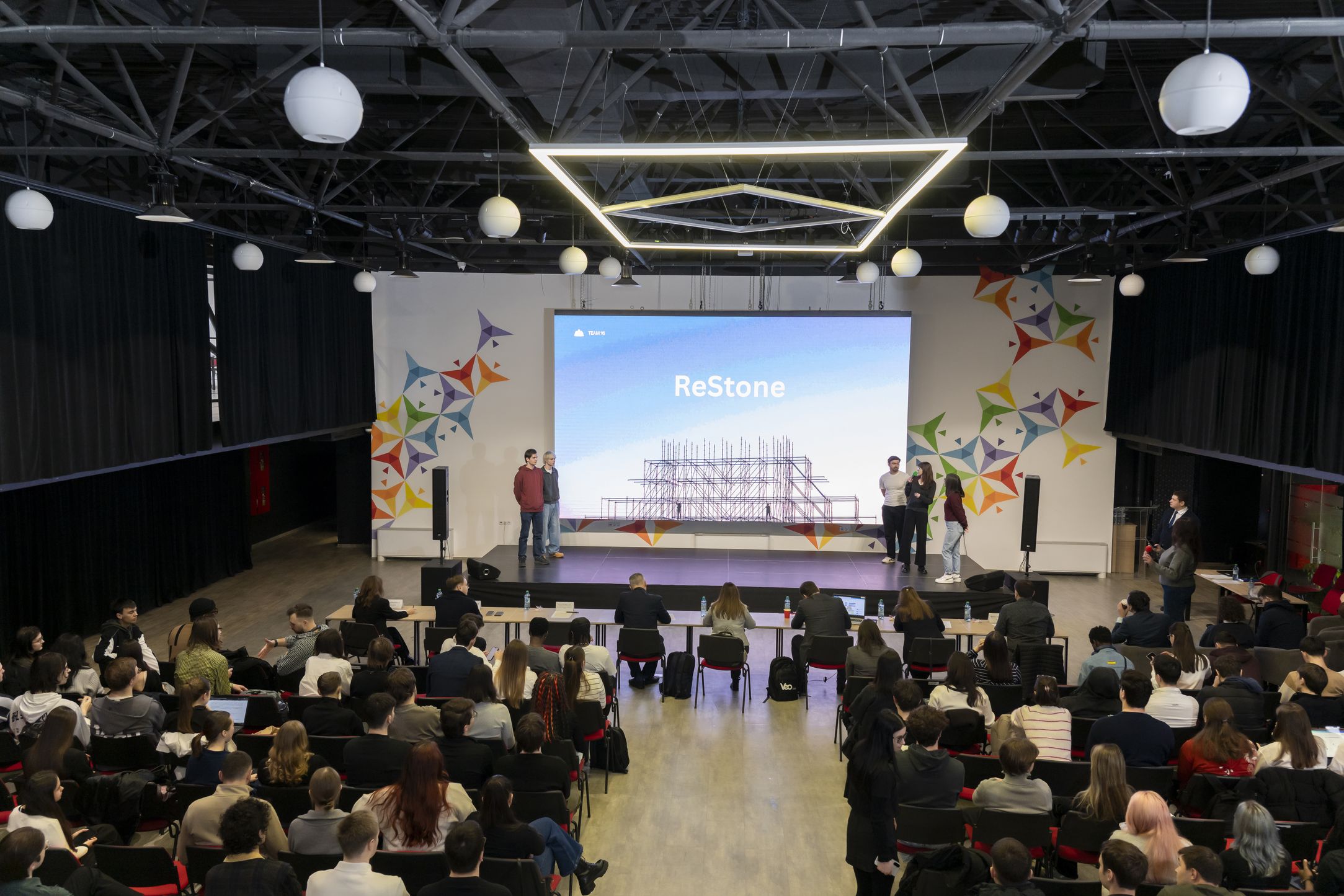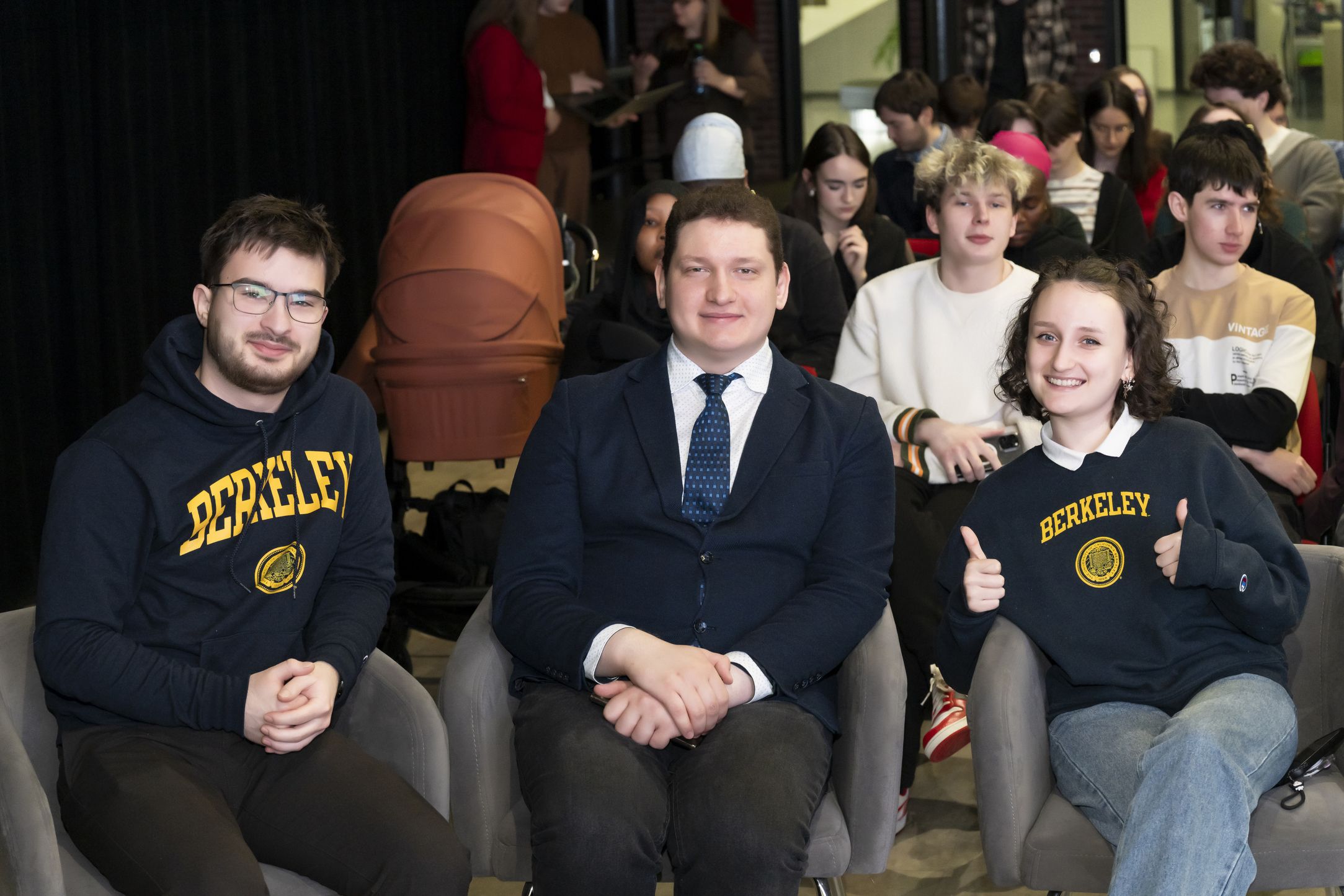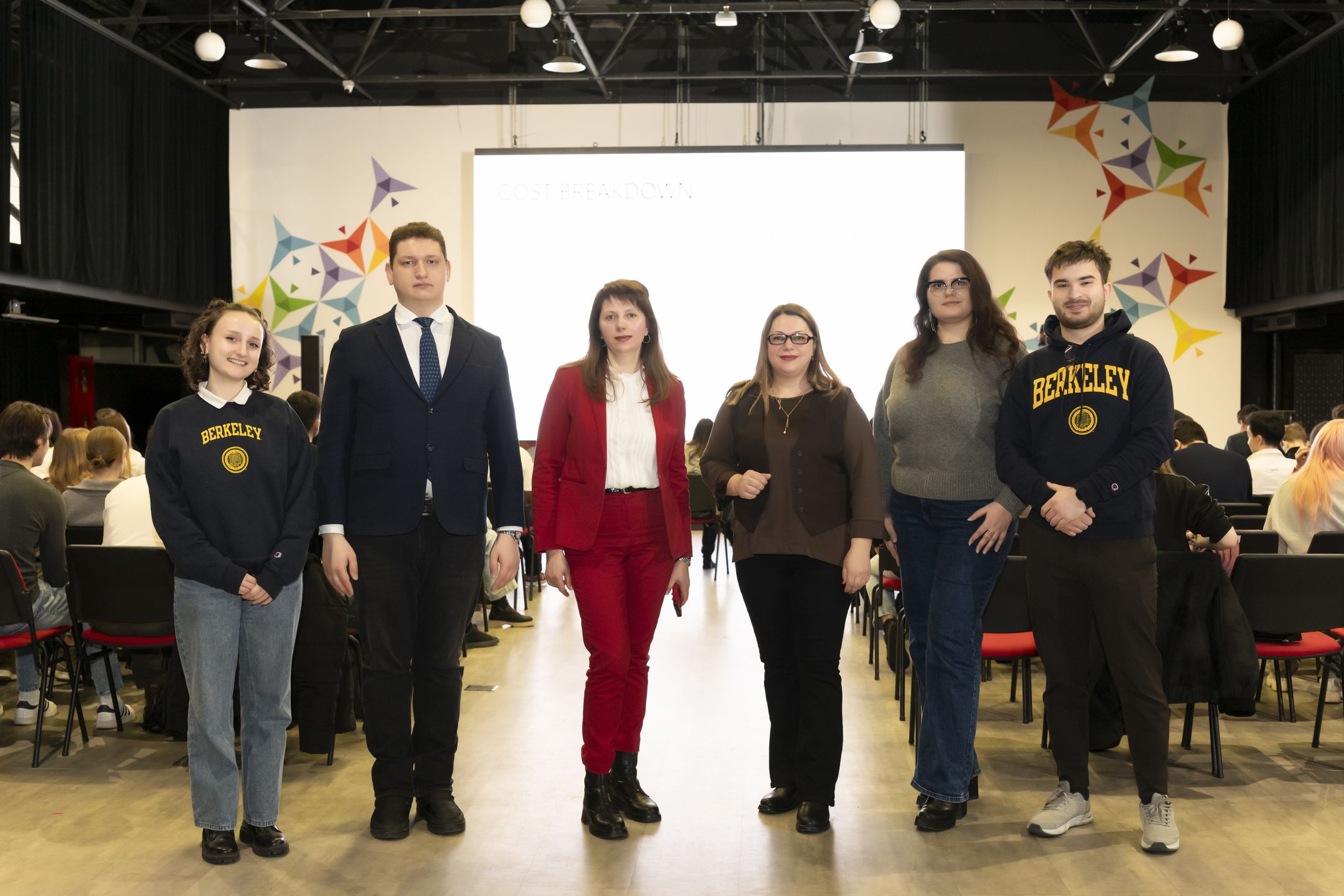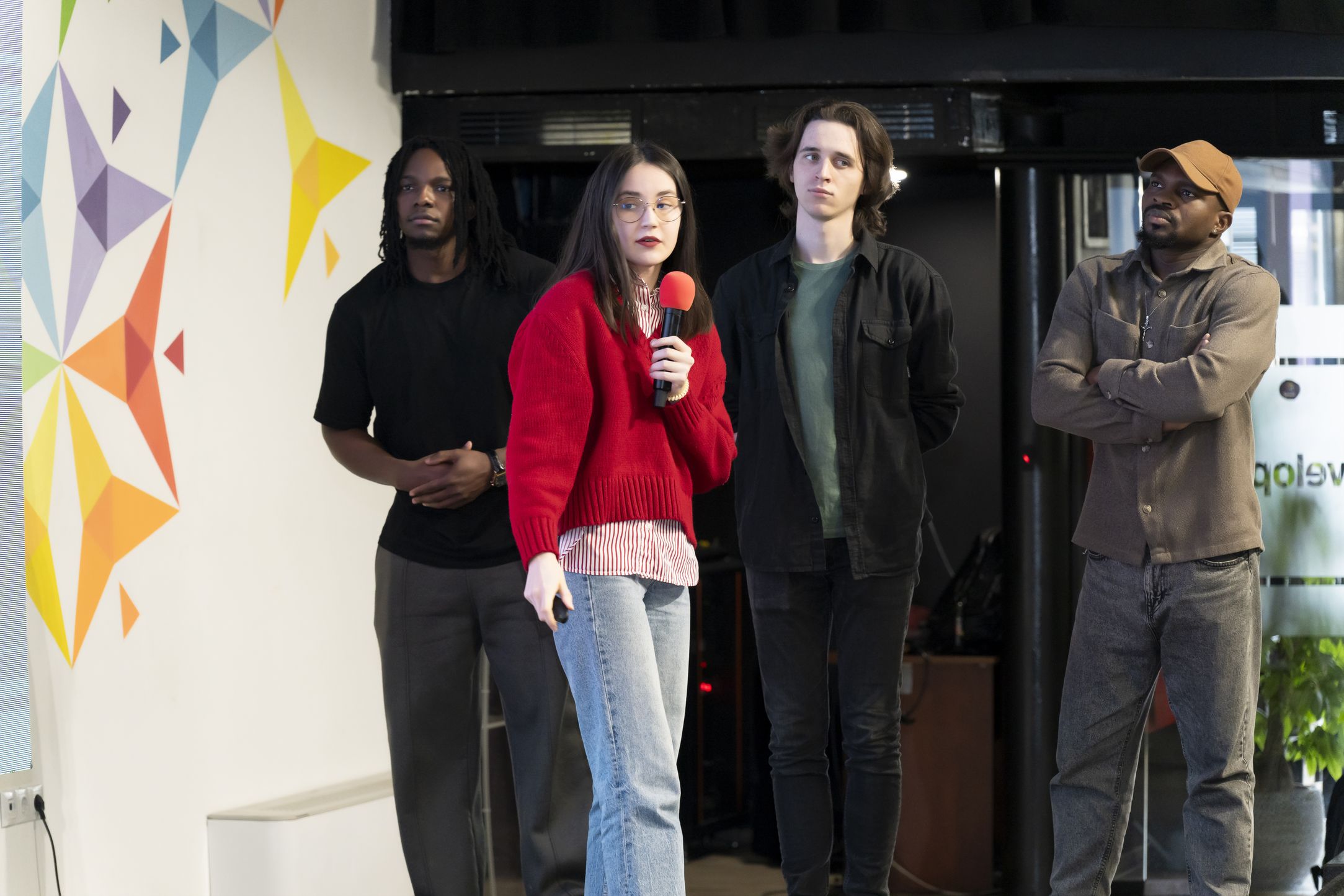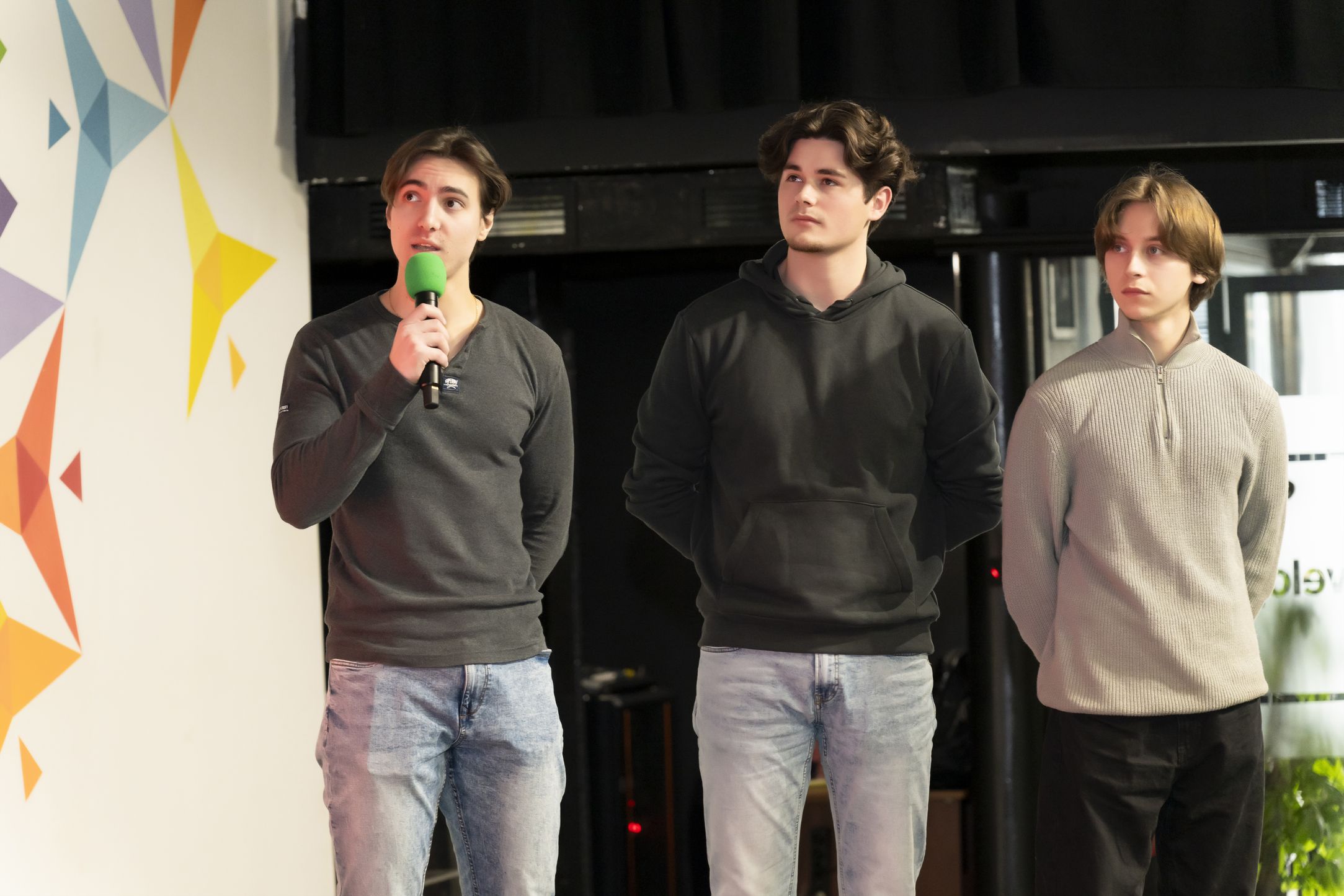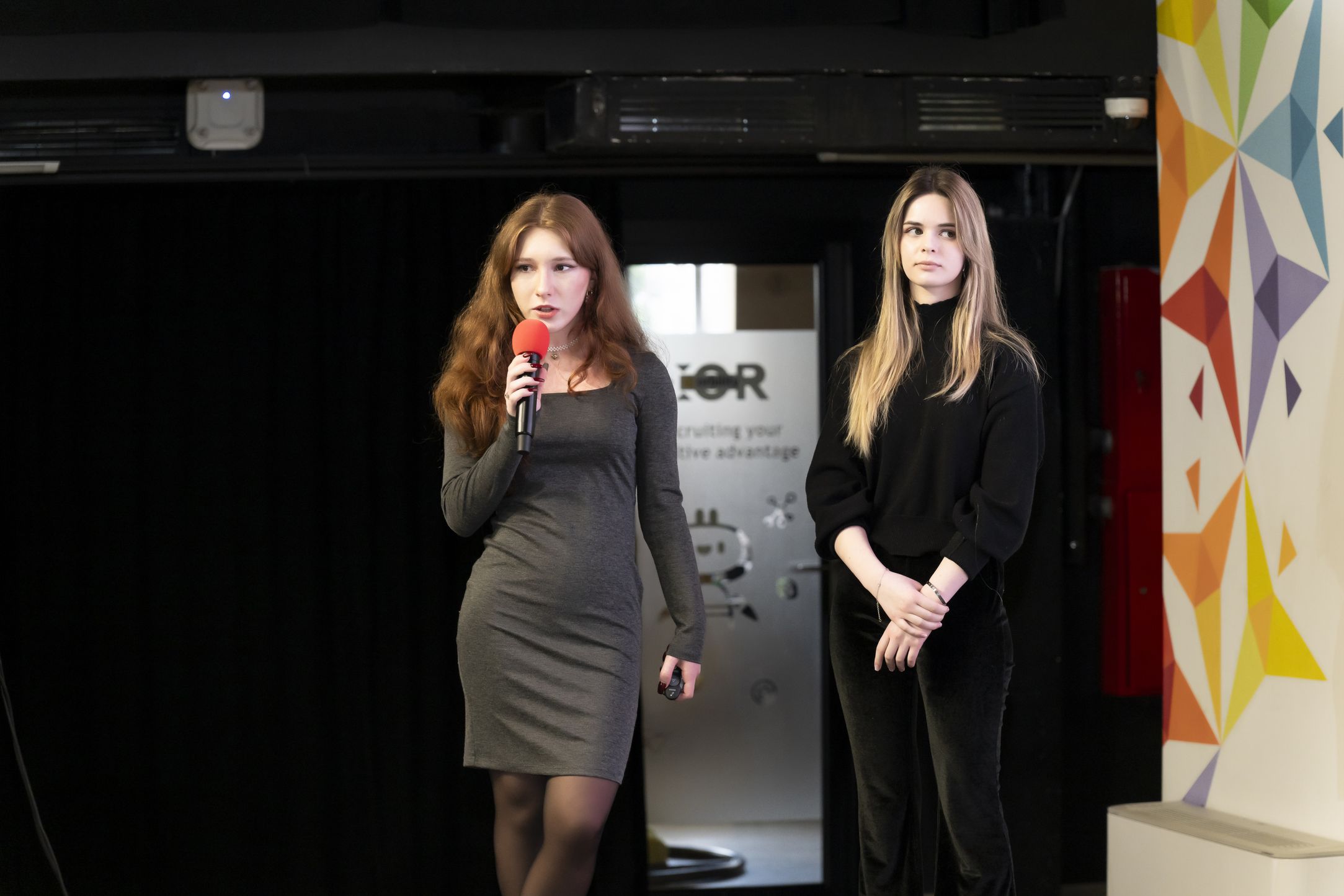
The Republic of Moldova is shaping its next generation of technology leaders through the third edition of the Entrepreneurship Course at the Technical University of Moldova. Built on an elite partnership that brings UC Berkeley’s DNA to Chișinău, the program—based on a globally recognized methodology—culminated in an impressive Demo Day. The event showcased how student ideas can evolve into business projects with global potential when academic learning meets international standards.
As technology evolves at an exponential pace, the boundary between the classroom and the real business world has become almost invisible at UTM. Over four intensive weeks, the innovation marathon—from idea validation to the final pitch—engaged more than 120 students from FCIM, FIEB, and FD. Setting aside traditional theory in favour of a Californian entrepreneurial mindset, the 22 interdisciplinary teams worked through rigorous stages of financial planning and market strategy. Conducted entirely in English under the coordination of conf. univ. dr. Nina Puțuntean and conf. univ. dr. Rina Țurcan, the program took shape thanks to the strategic vision of rector prof. univ. dr. hab. Viorel Bostan and the expertise of international mentors.
The journey from an initial idea to a validated startup followed two major phases:
1. Market strategies and scalability. In the third week, experts from companies such as Accenture and VEO Worldwide Services guided the 22 teams in understanding customer needs and exploring opportunities for international expansion.
Students were coached by:
- Tanmay Vijaywargiya, Strategy Consultant at Accenture, who presented the Customer Development Method;
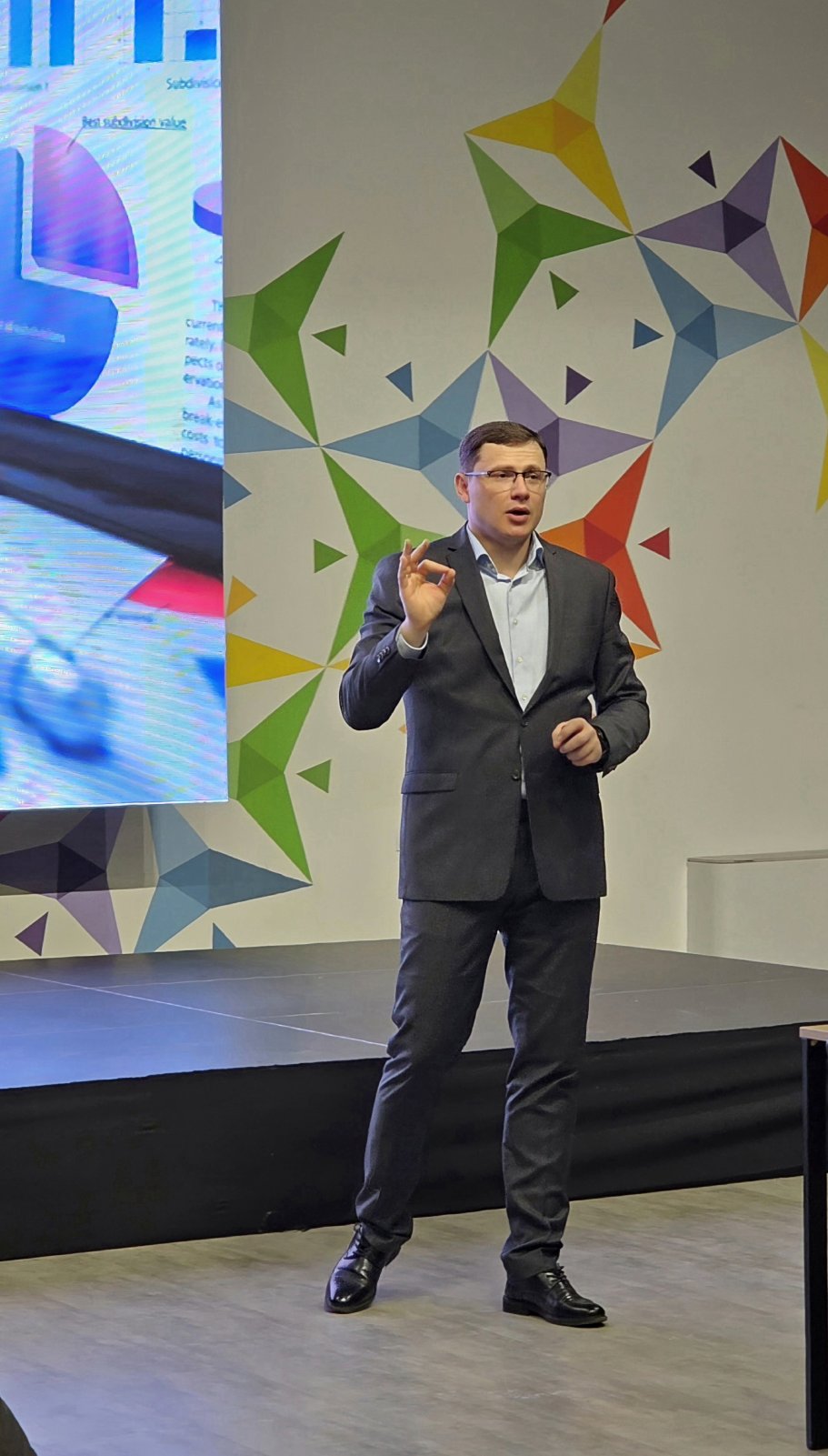
- Corneliu Munteanu, CDG Moldova Manager and INSIGHT member at VEO Worldwide Services, who discussed scaling businesses globally;
- Boris Galcenco, Project Manager & BI Team Lead at MONSATO, who offered practical insights into revenues, costs, and growth strategy.
2. Funding and the legal framework. The fourth week—Funding and Fundraising Strategies & Legal Frameworks—strengthened the practical dimension of the course, offering concrete funding tools and legal knowledge necessary for startup development.
Speakers included:
- Sergiu Perju, Head of Business Clients Department, OTP Bank Moldova, on financing sources;
- Cristian Besarab, COO Elevexa, on performance monitoring and financial planning;
- Elena Rusu, ODA, on available support for entrepreneurs;
- George Teodorescu, Mixbook, on the legal framework for startups and intellectual property protection.
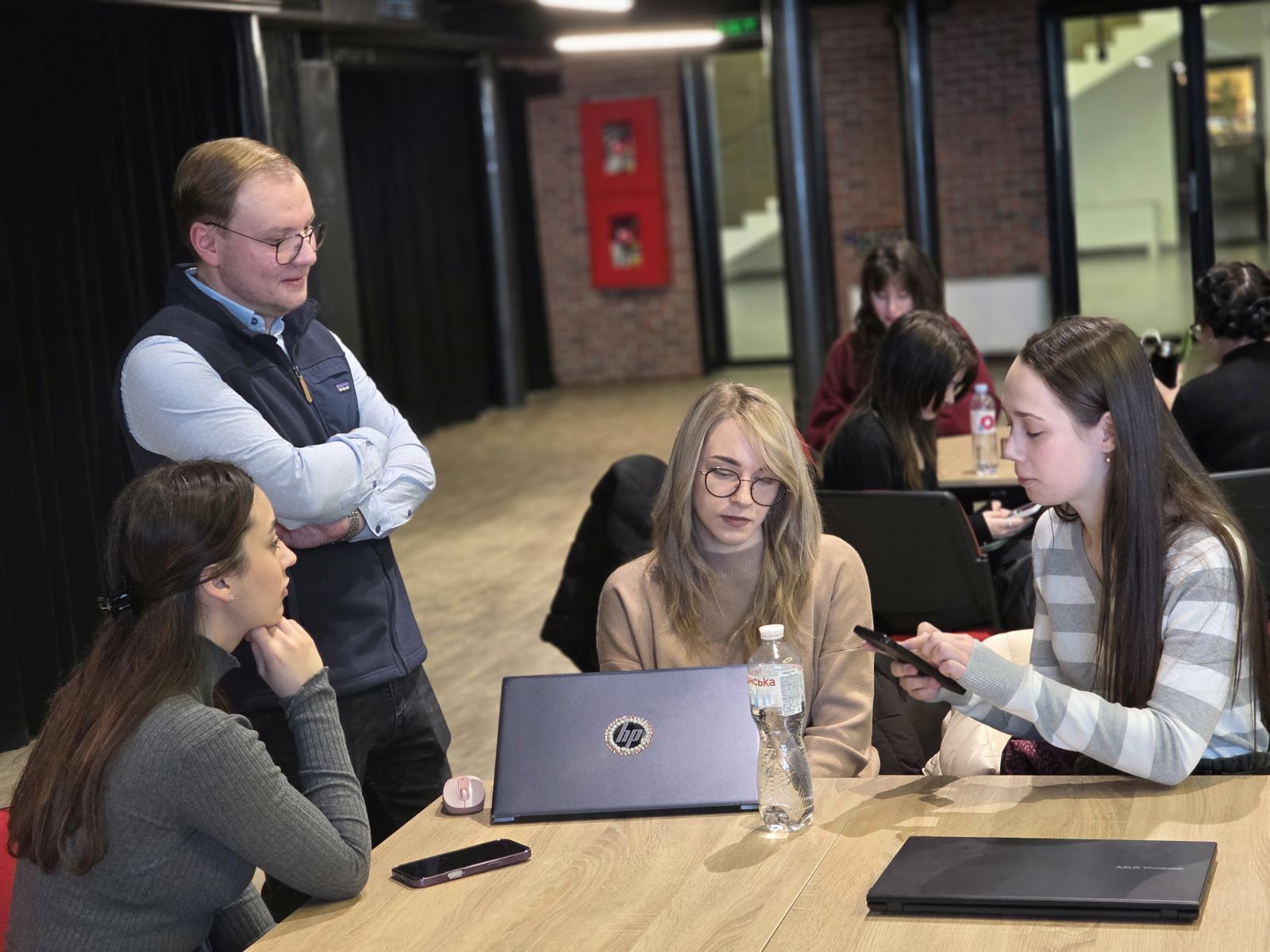
Mentorship throughout the process was supported by young professionals experienced in bootcamps and hackathons: Ruxanda Vovc, Alex Alcaz, Boris Galcenco, Anastasia Oleinik, Paul Filat, Andreea Grigoriu, Mihai Vrabie, Bianca-Cornelia Cojocar, Mihaela-Dorina Odainâi, Andrei Șarov, and Cătălina David, along with others who contributed to refining the teams’ ideas.
In the final stage, participants received additional guidance from:
- Rick Rasmussen, Industry Fellow at UC Berkeley, on building an effective pitch;
- Veronica Covali, CEO of Stilio, through Dress Rehearsal sessions offering targeted feedback
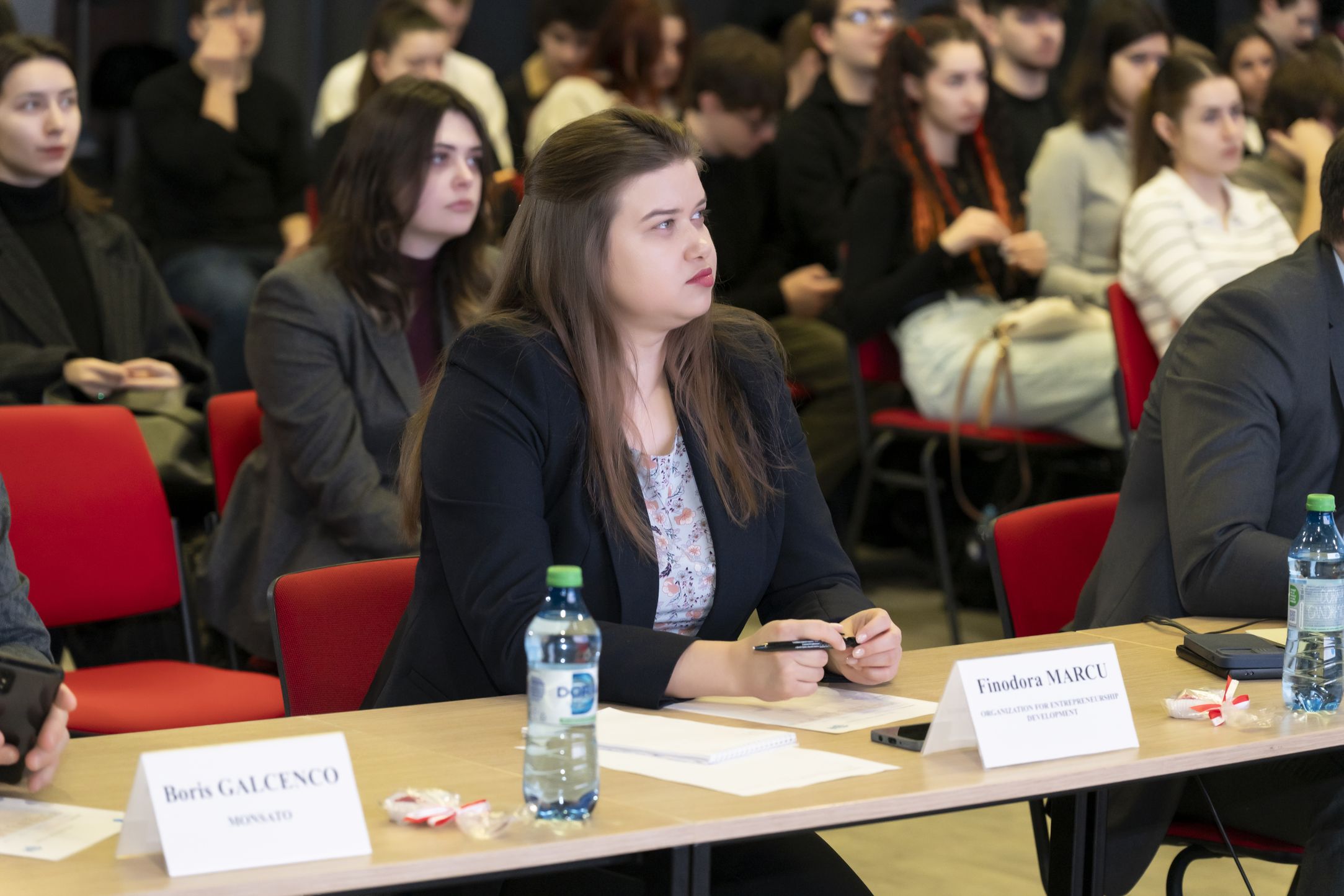
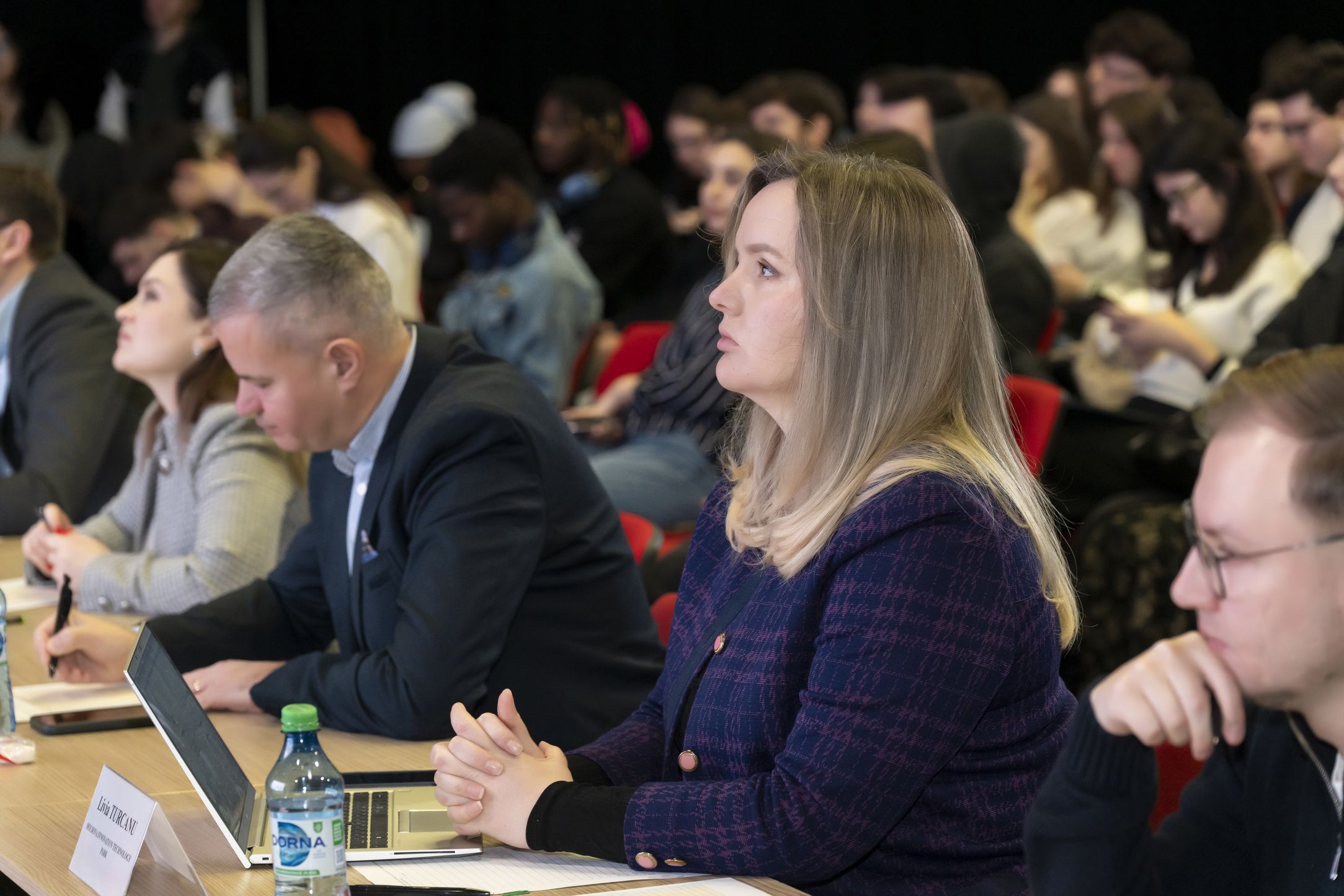
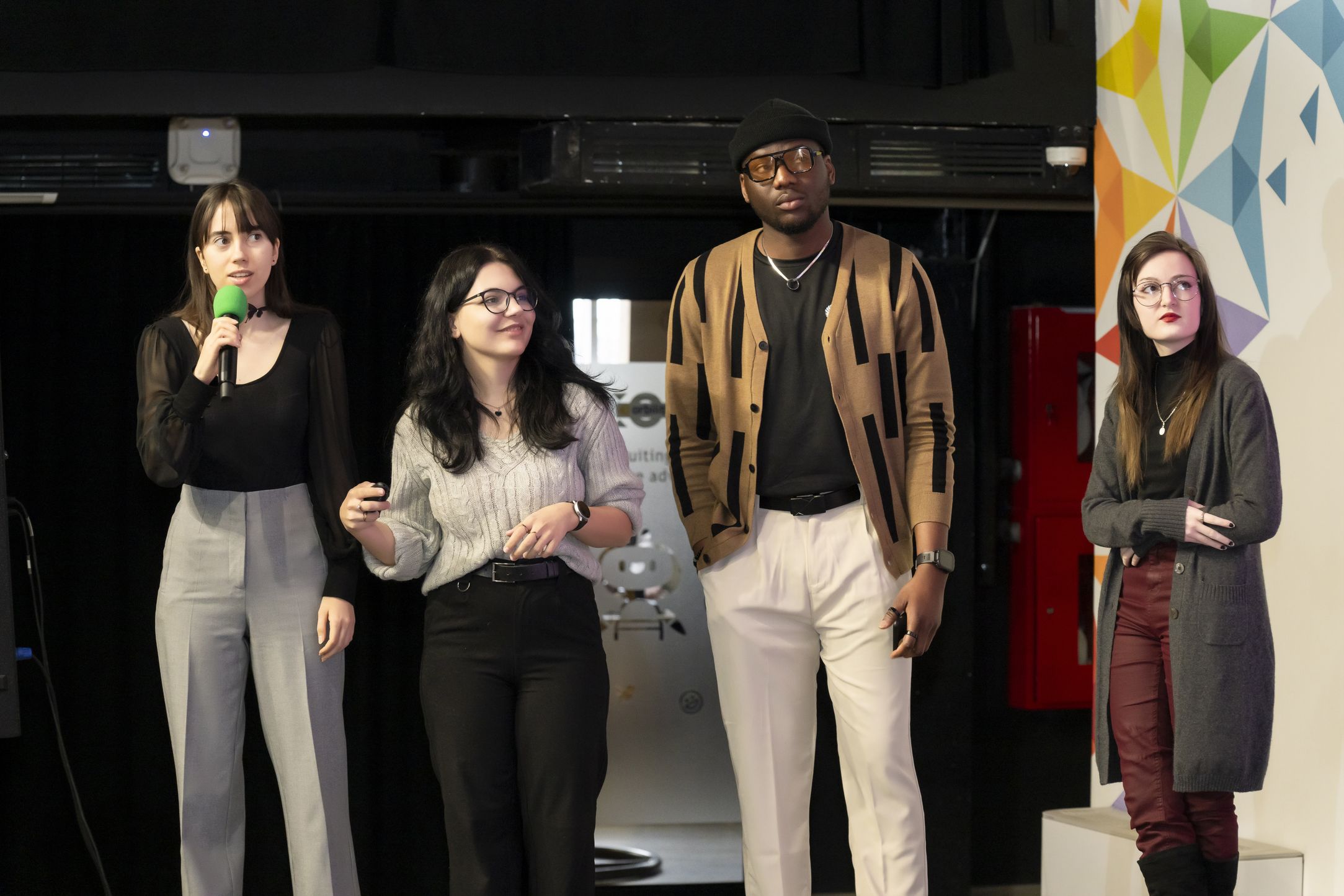
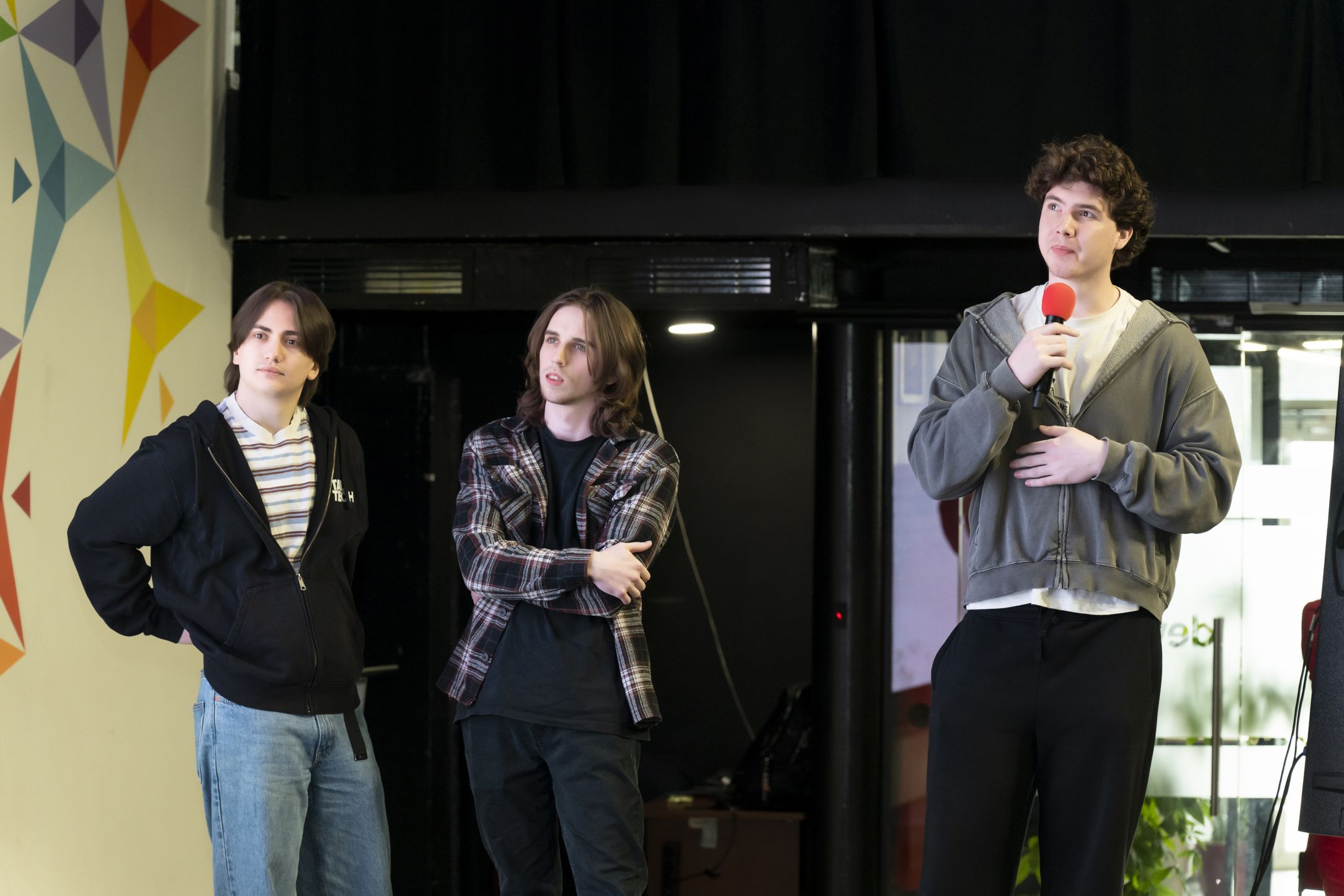
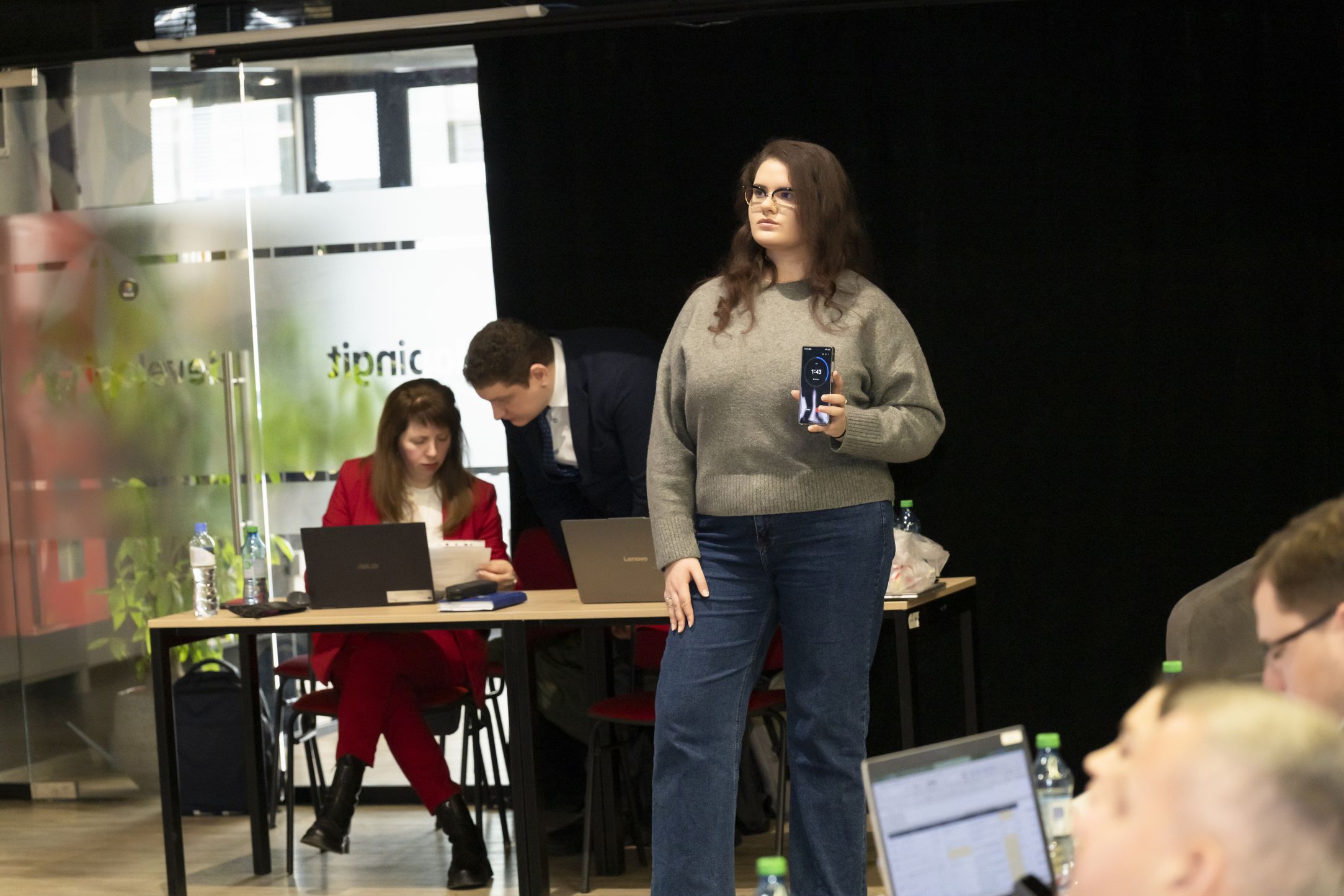
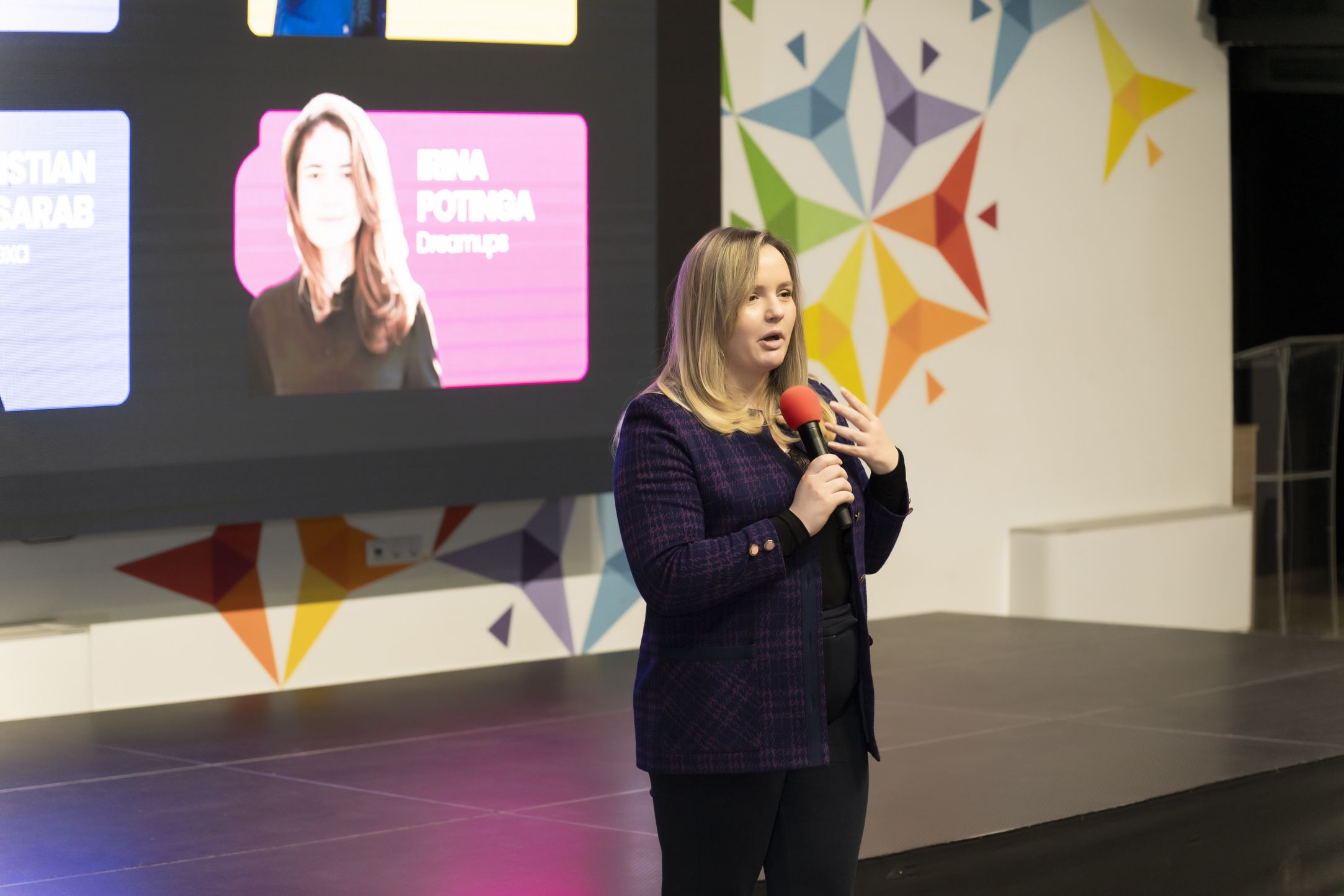
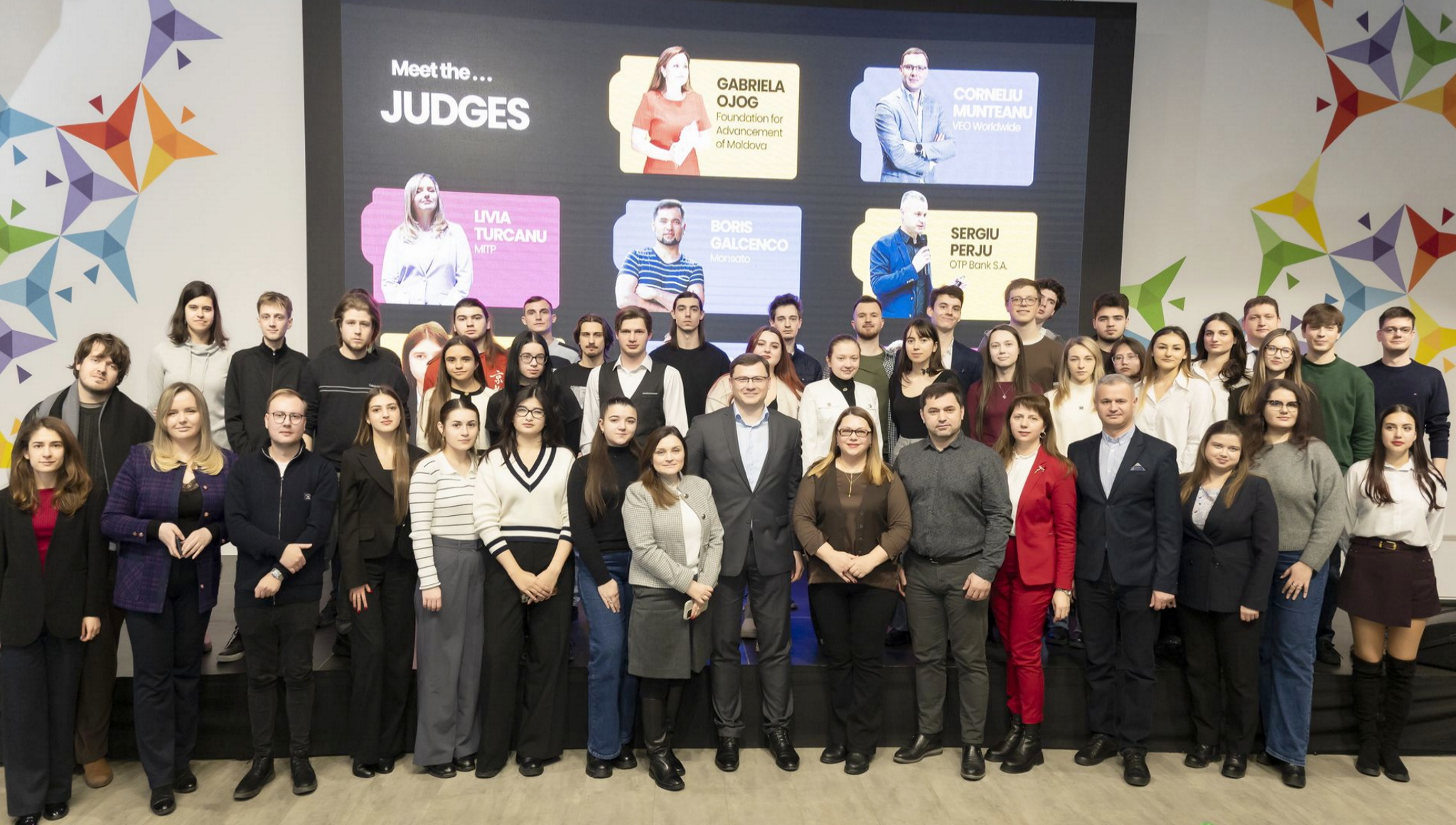
Demo Day brought together the results of the four-week program, as teams demonstrated their ability to integrate the knowledge acquired into compelling presentations. Their pitches were evaluated by a professional jury consisting of:
- Gabriela Ojog (Foundation for Advancement of Moldova),
- Corneliu Munteanu (VEO Worldwide),
- Livia Turcanu (Moldova Innovation Technology Park),
- Boris Galcenco (Monsato),
- Sergiu Perju (OTP Bank),
- Finodora Marcu (Organization for
- Entrepreneurship Development),
- Cristian Besarab (Elevexa),
- Irina Potinga (Dreamups).
By applying the UC Berkeley method, developed at the heart of the U.S. innovation ecosystem, UTM gives its students a major competitive advantage. It is not just a course but a direct bridge to Silicon Valley standards. “The importance of this program goes beyond a traditional academic setting, confirming the value of applied learning. We offer not just knowledge, but authentic experiences that build critical thinking and adaptability,” the coordinators emphasized.
Practical experience stood at the core of the program, and Demo Day became the definitive test for future entrepreneurs. Evaluated by experts from leading companies such as OTP Bank, VEO Worldwide, MITP, Dreamups, and Elevexa, and guided by mentors like Rick Rasmussen, the teams displayed remarkable ability to combine technical and business knowledge. The collaboration between students from Software Engineering, Game Design, and Business & Administration confirmed that interdisciplinary work is indeed the key ingredient of modern entrepreneurial success.
Looking ahead, the success of this edition confirms that UTM’s future is deeply rooted in entrepreneurship. The rectorate’s plans to extend the program to all faculties highlight the university’s commitment to developing not only specialists but leaders capable of navigating today’s economic landscape—true architects of Moldova’s economic future. With transferable credits and applied methodology, UTM and UC Berkeley are building an innovative community poised to transform the country’s business ecosystem.
The future looks promising, shaped by innovation and the entrepreneurial spirit cultivated under UC Berkeley standards.