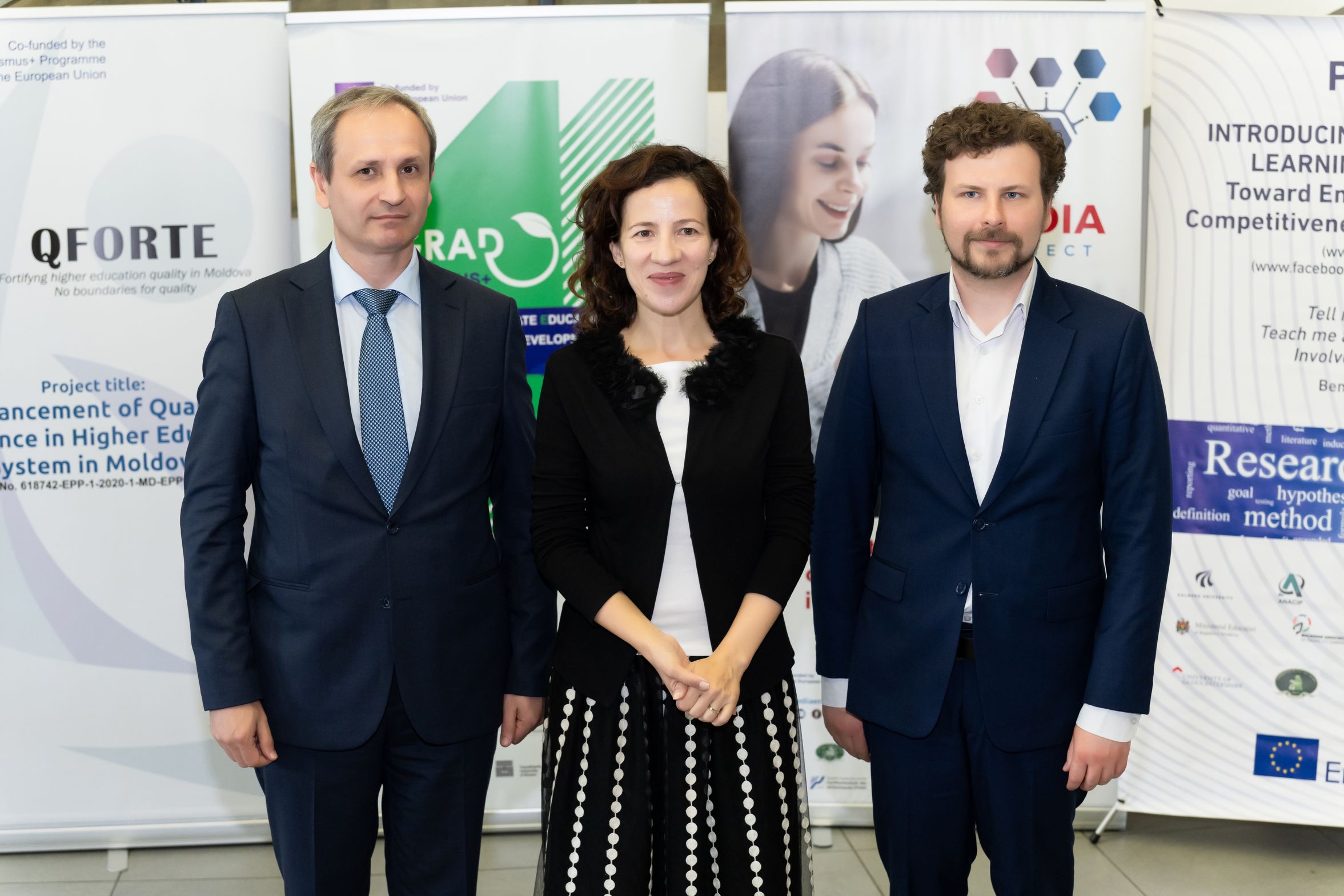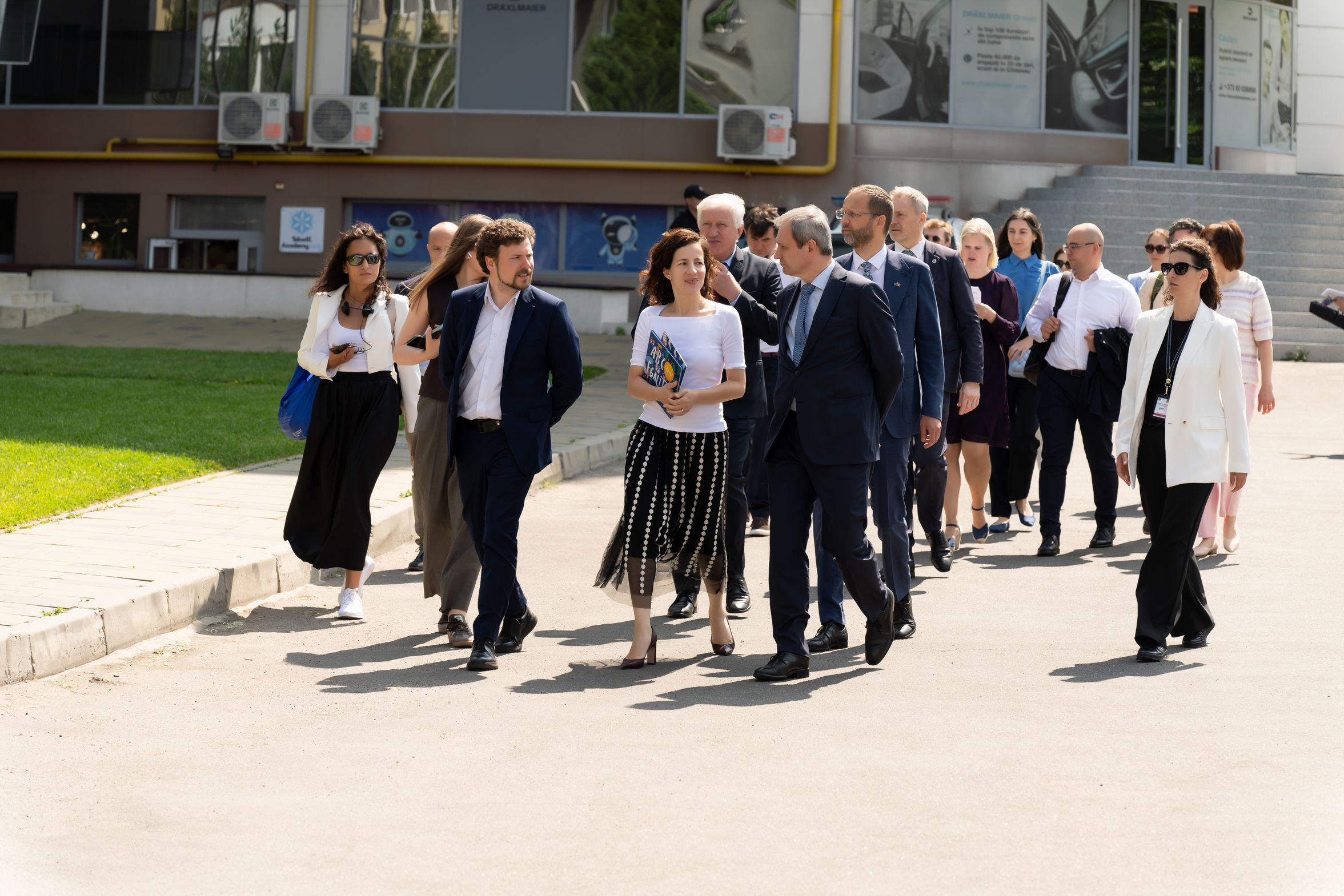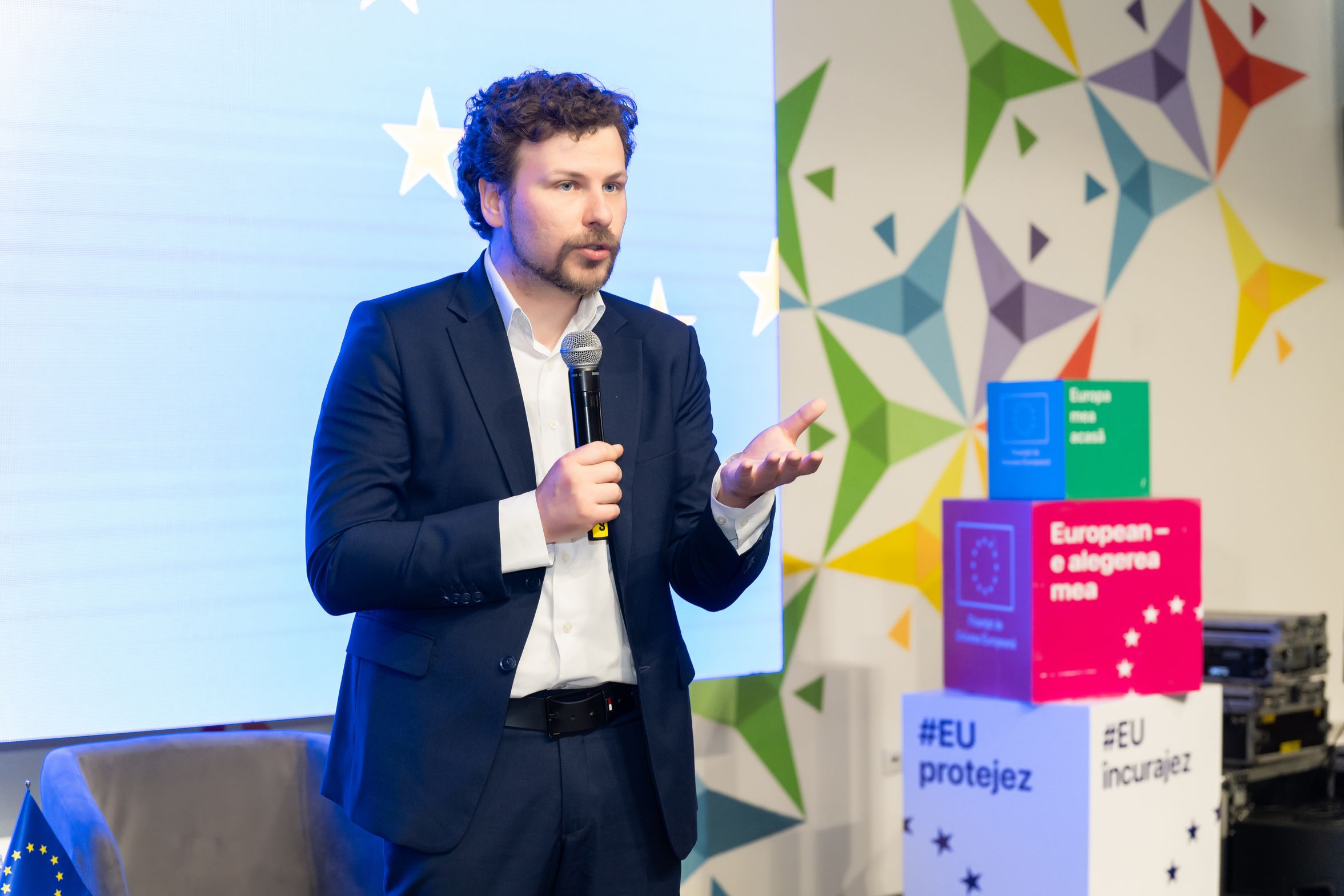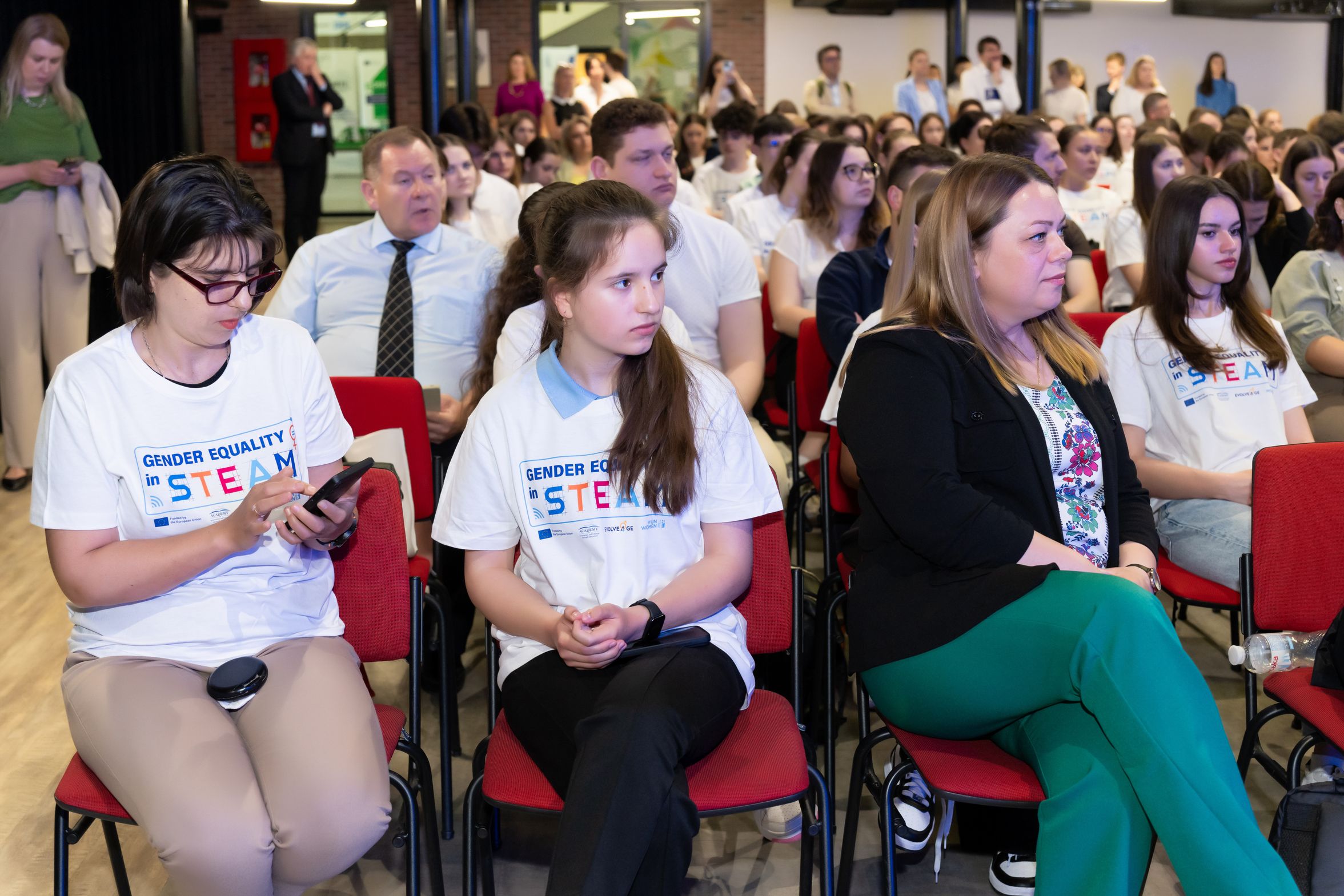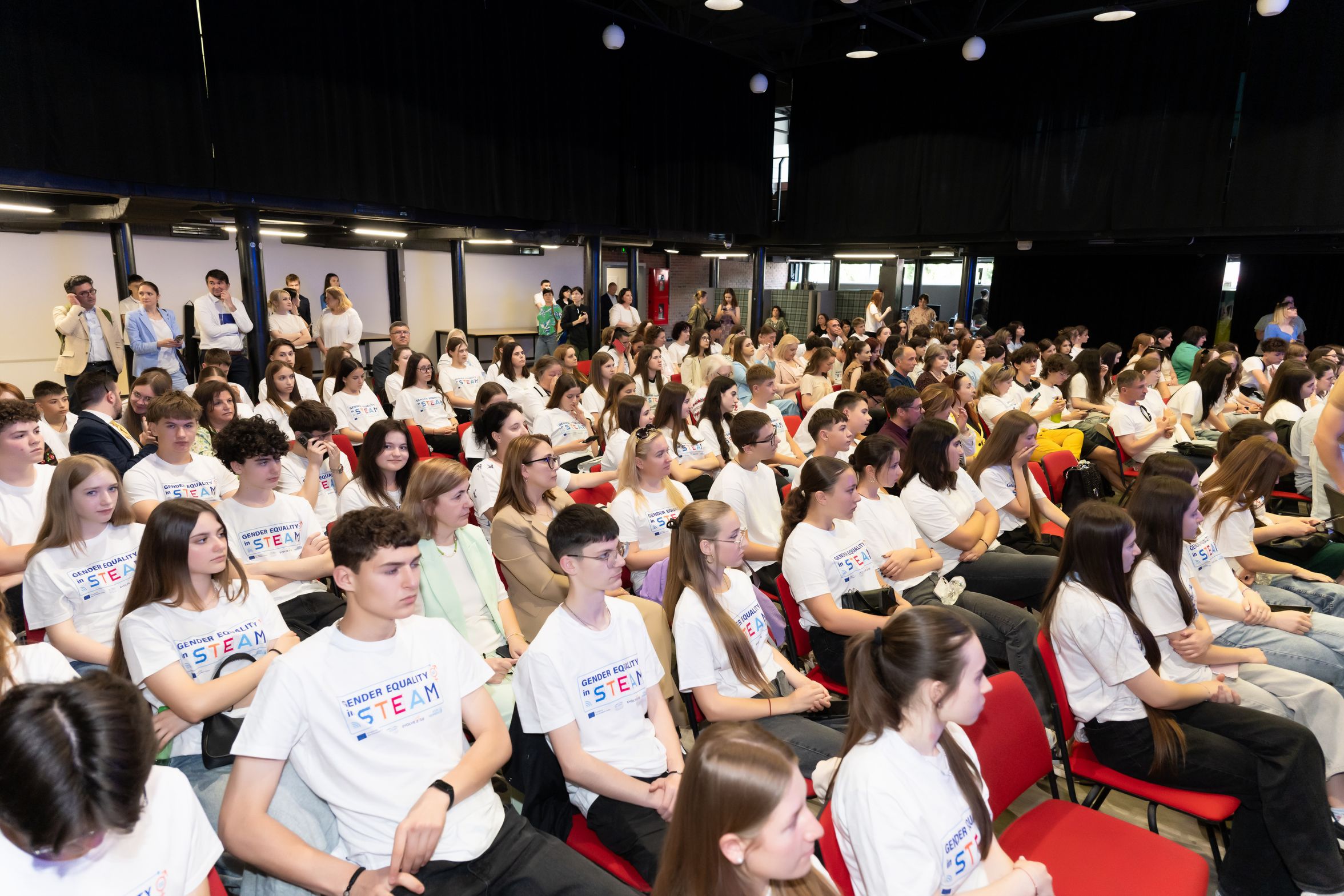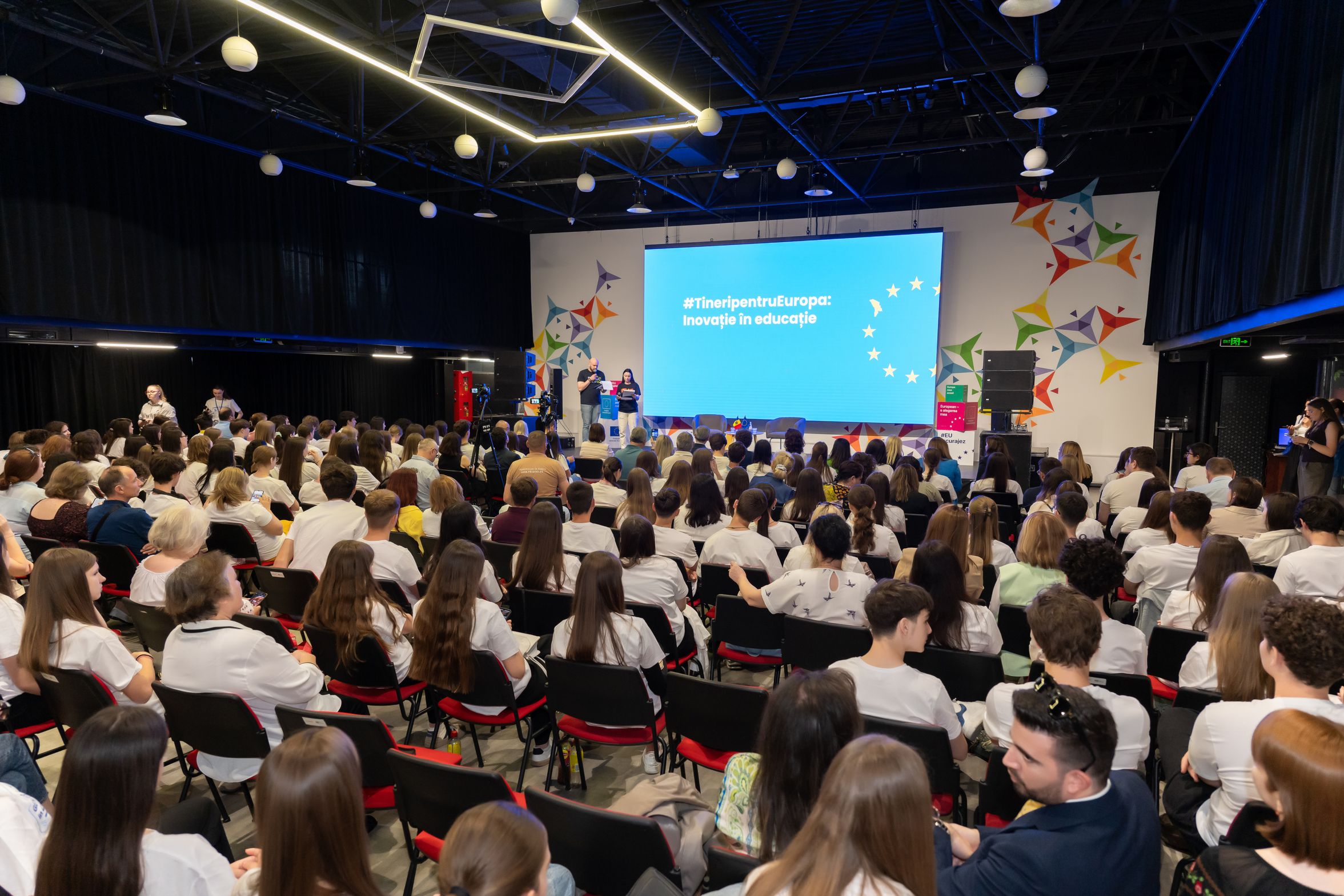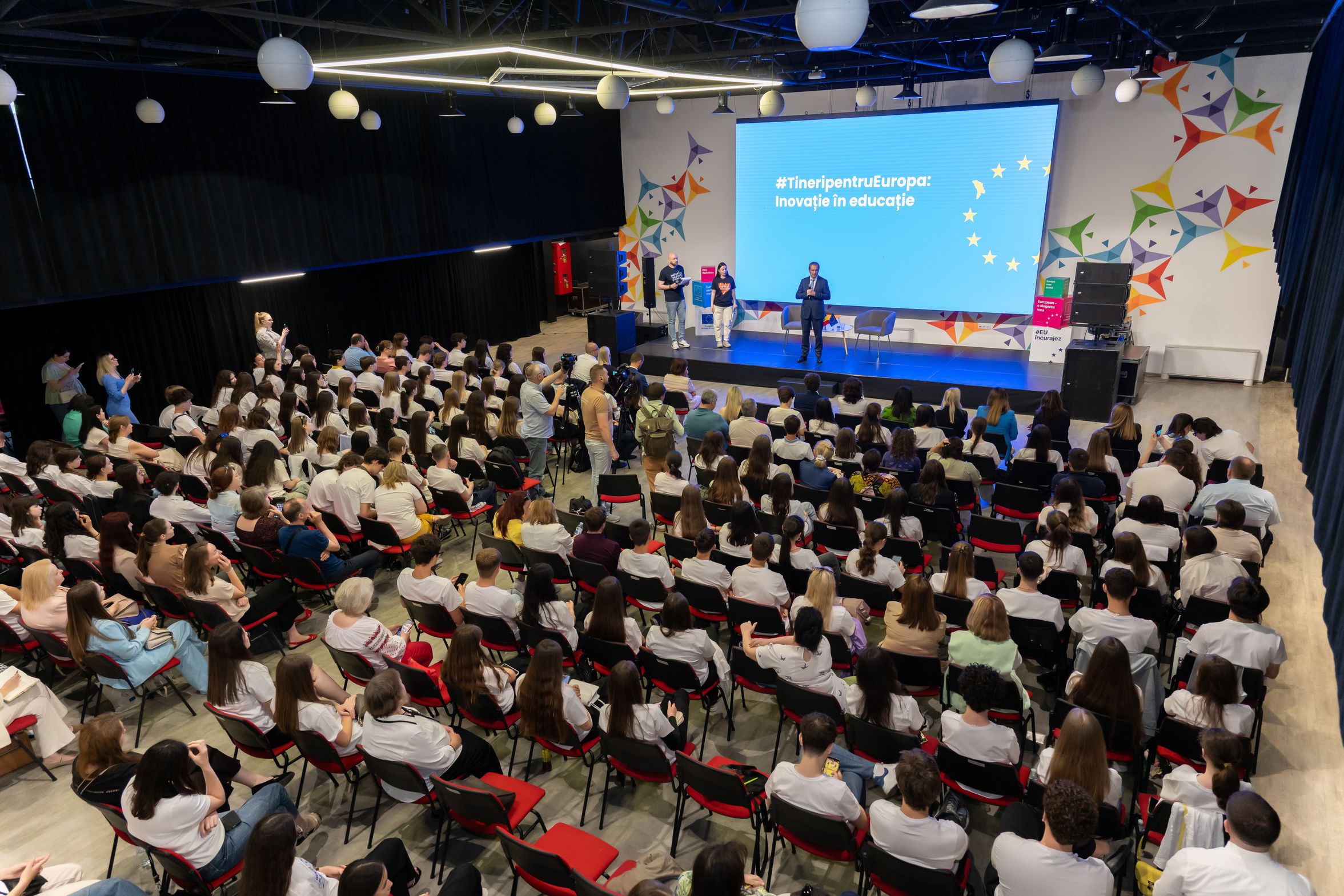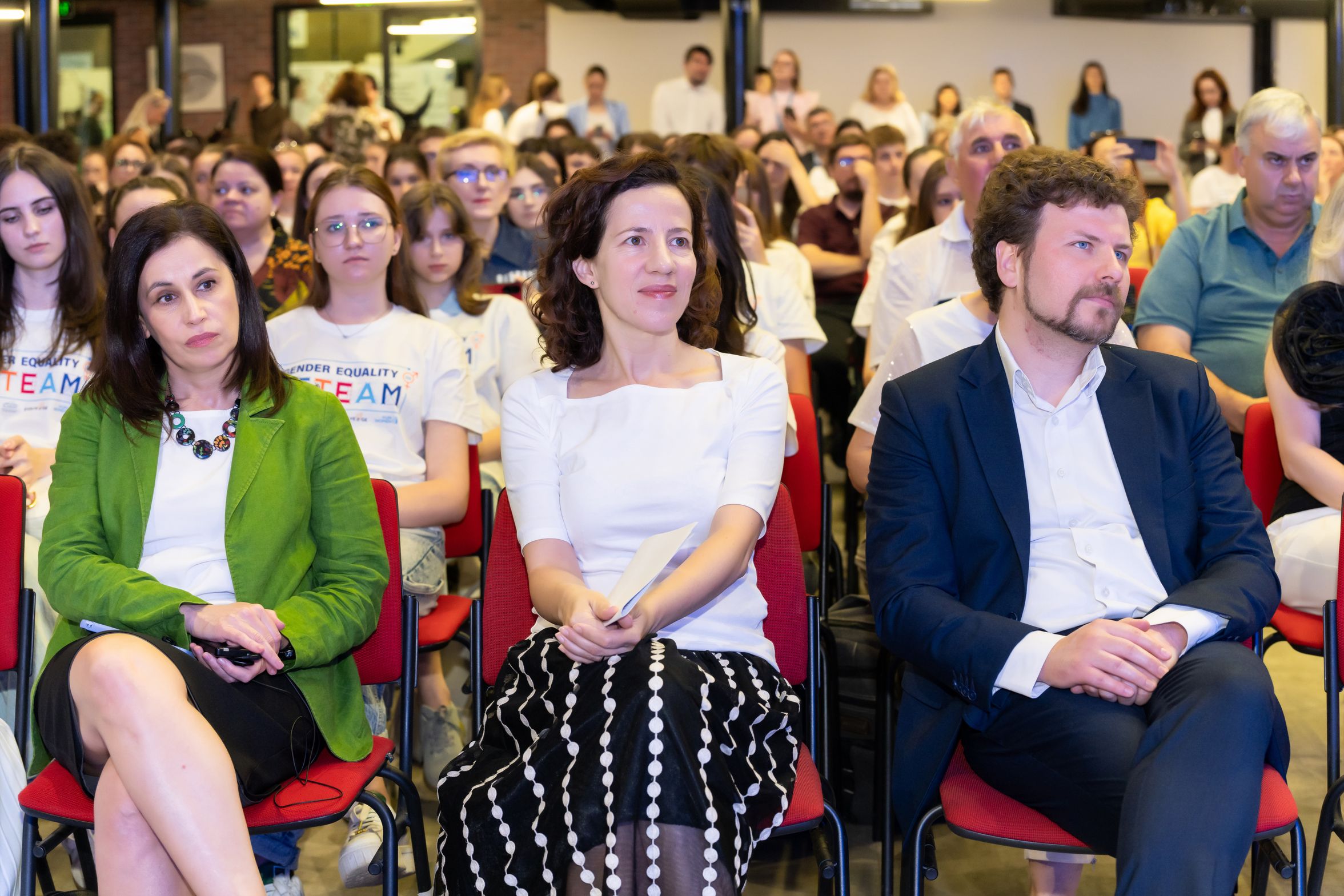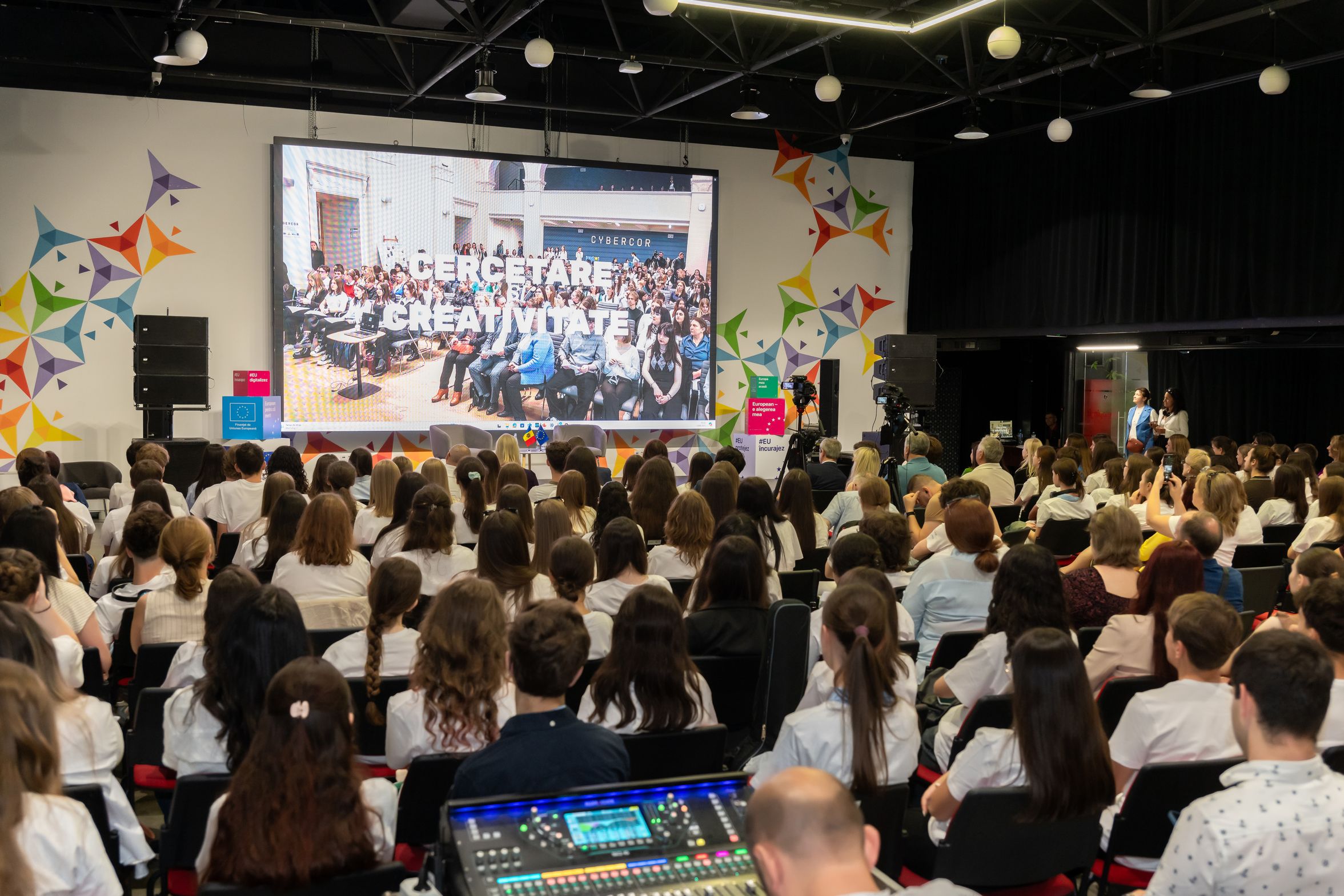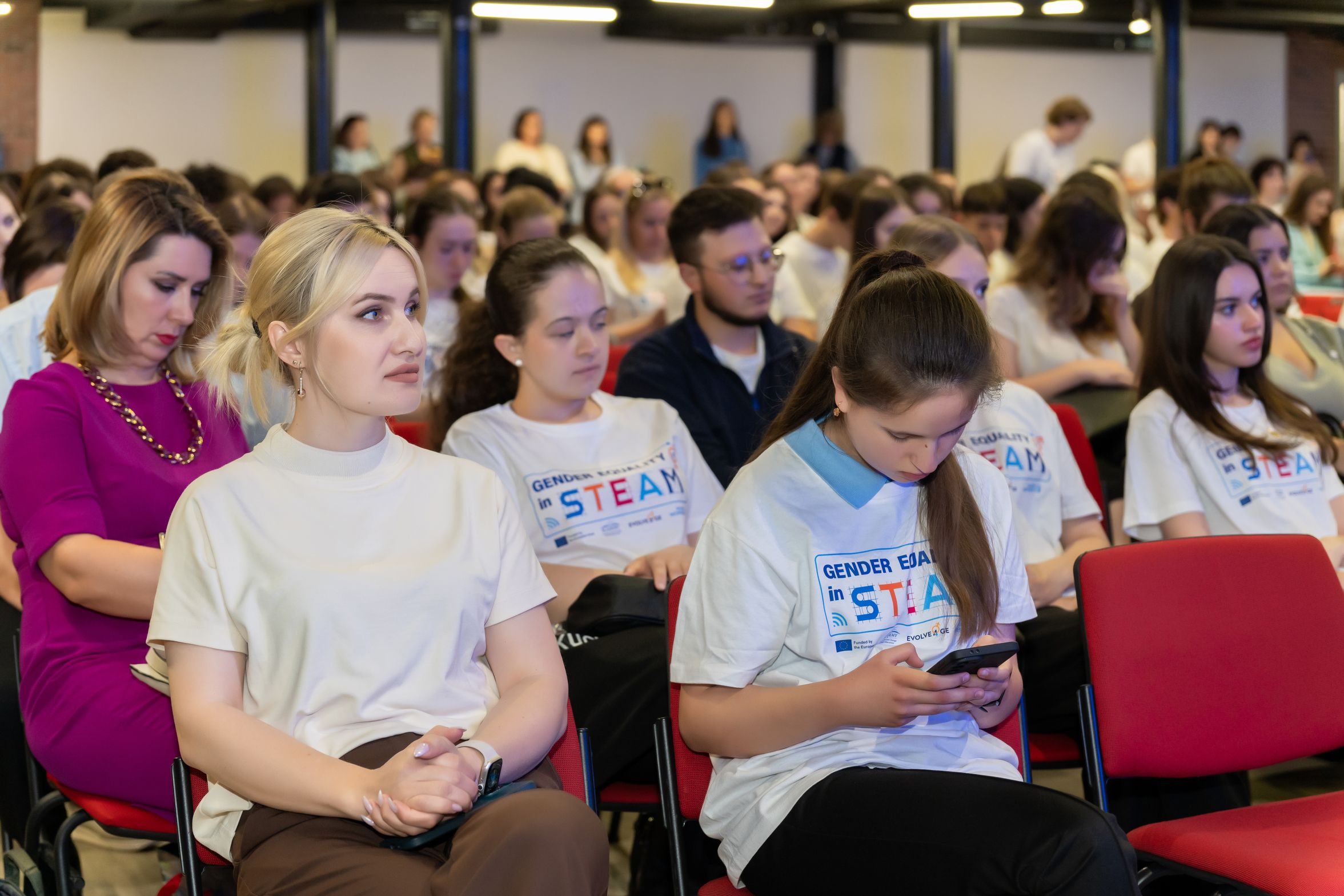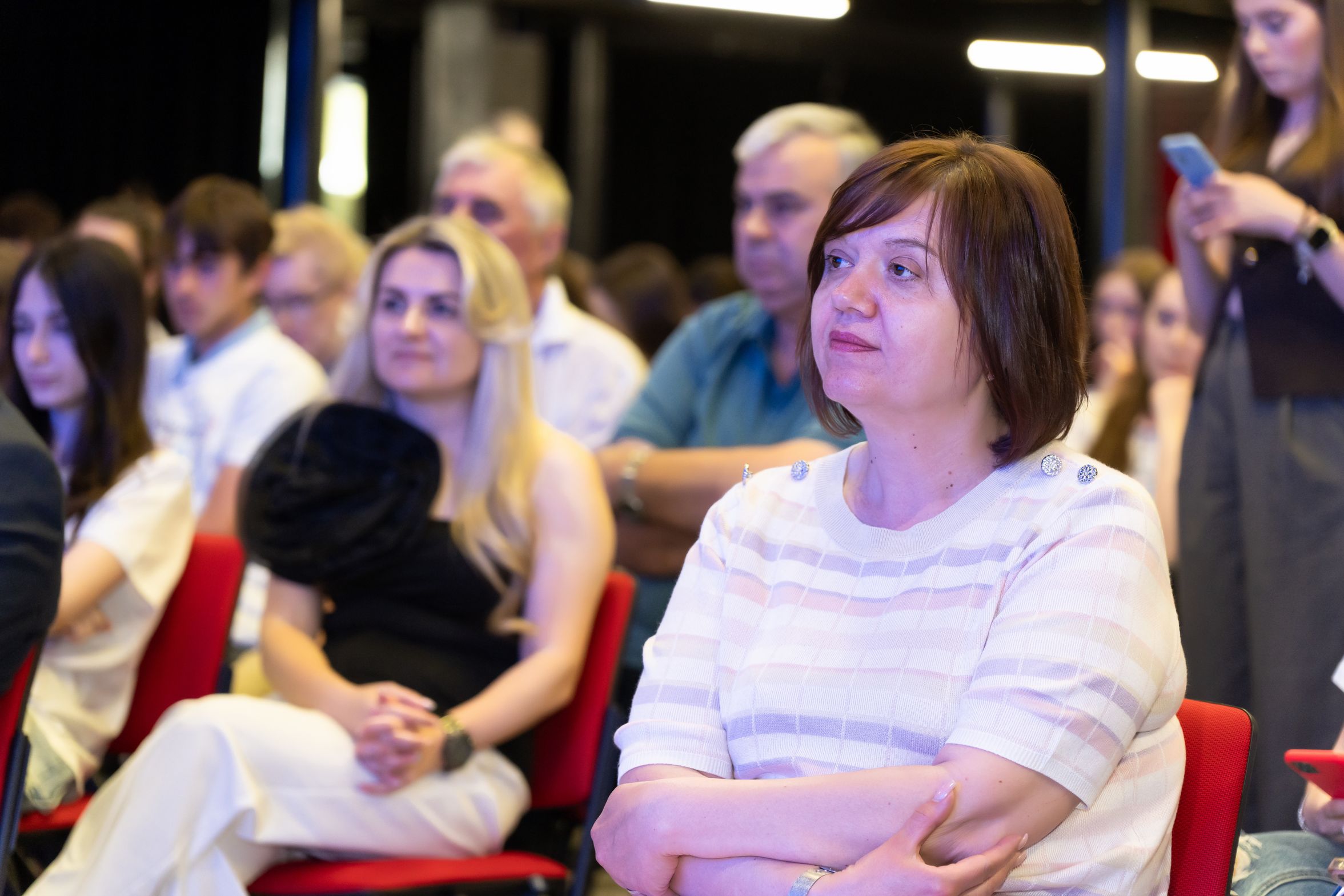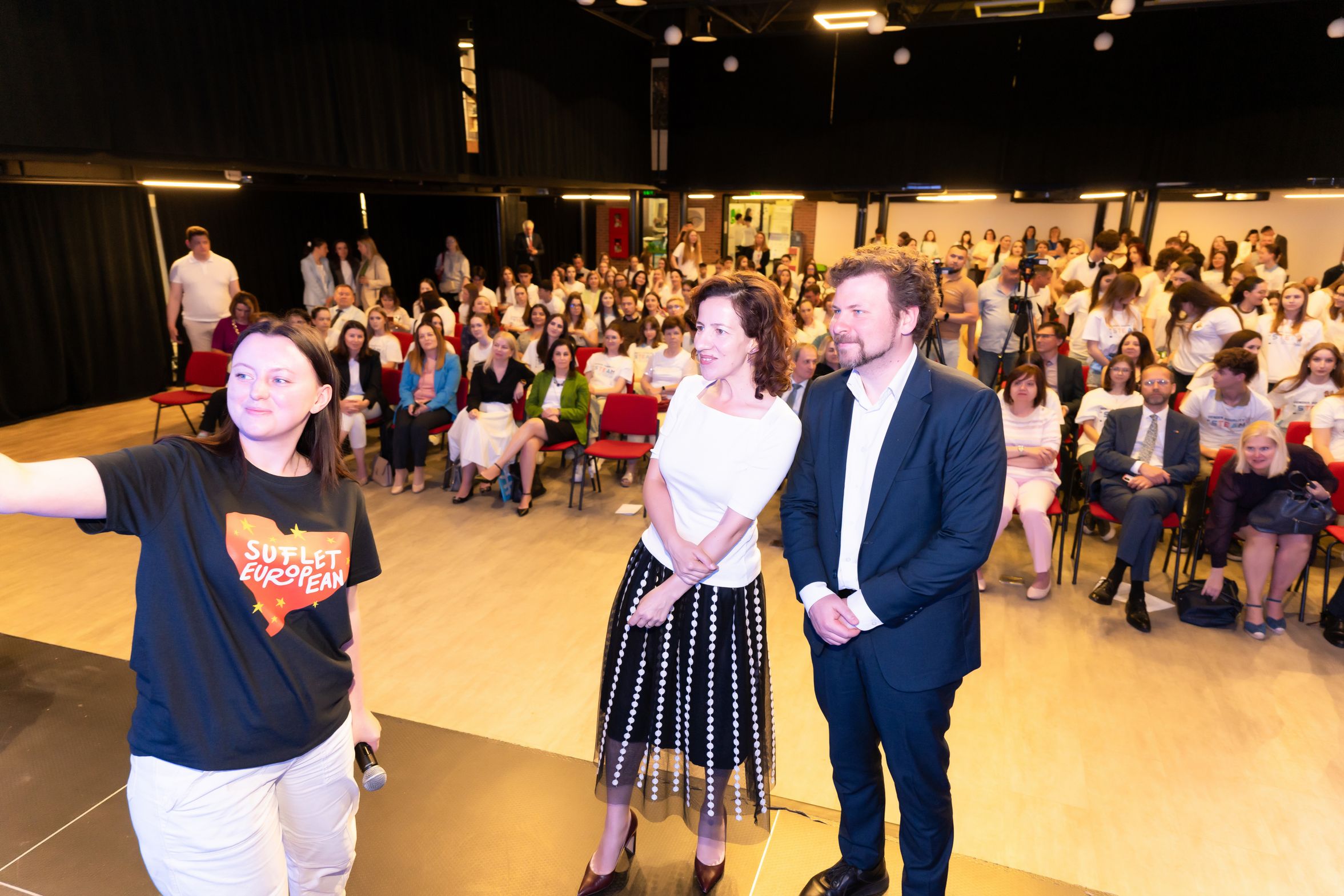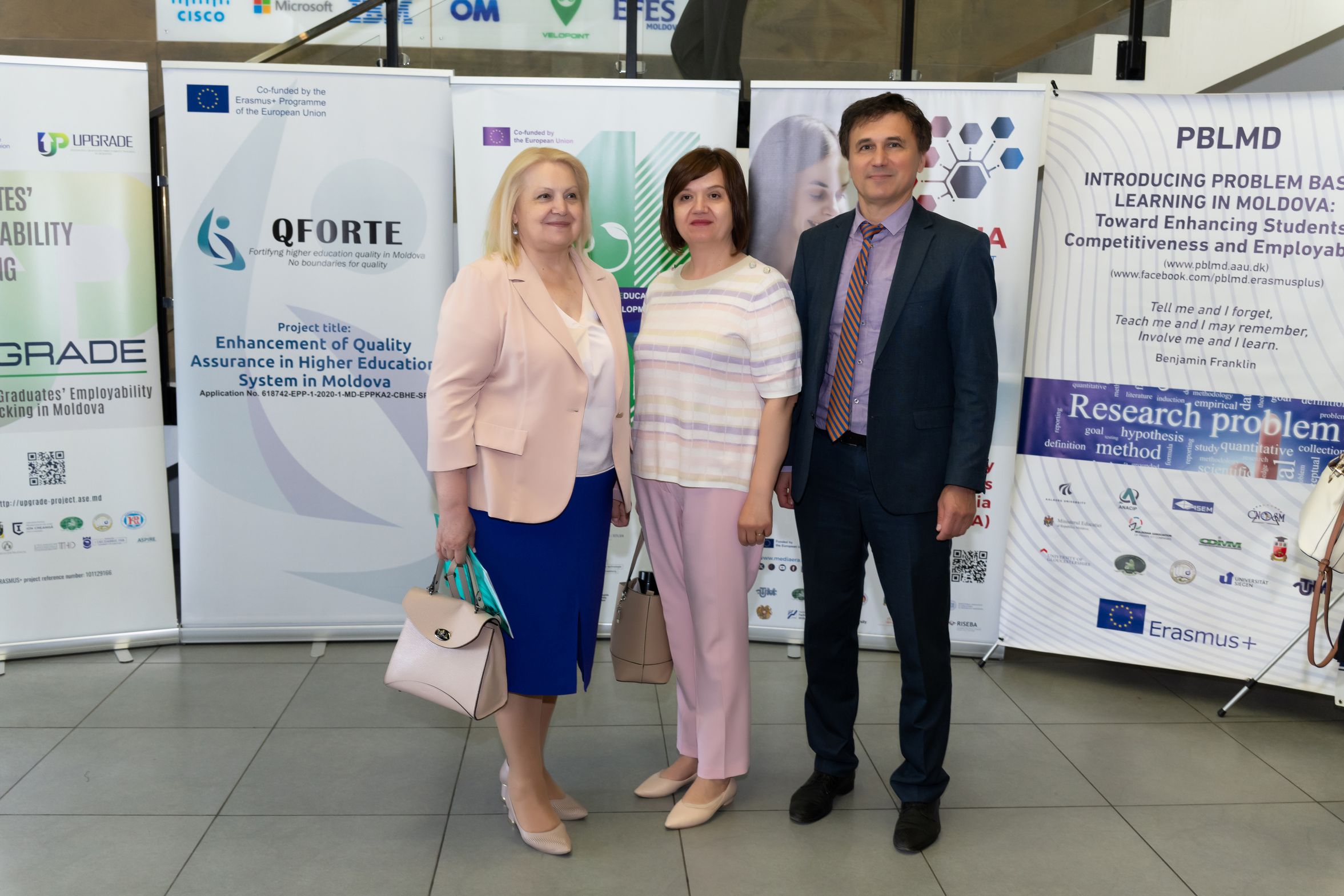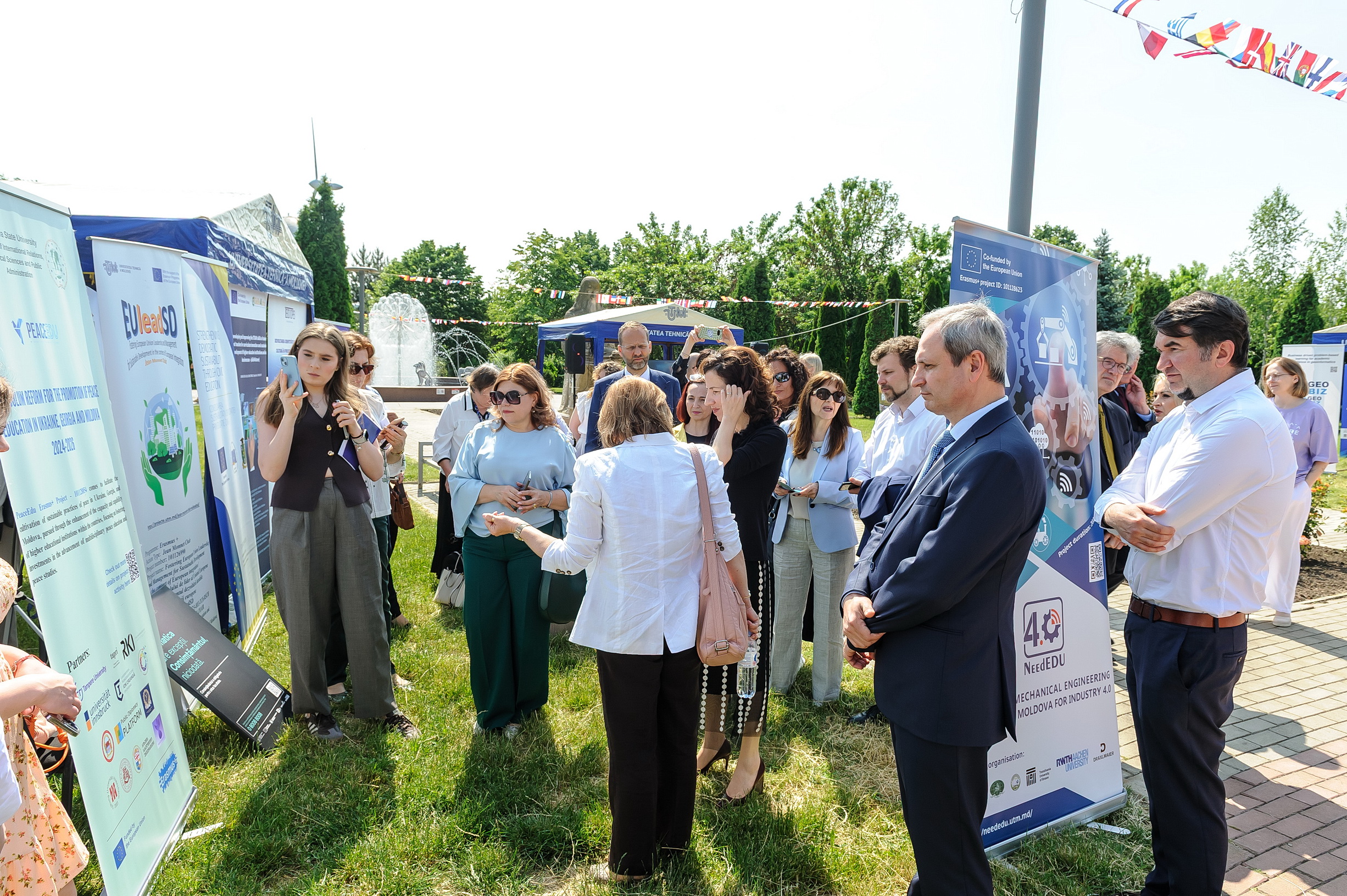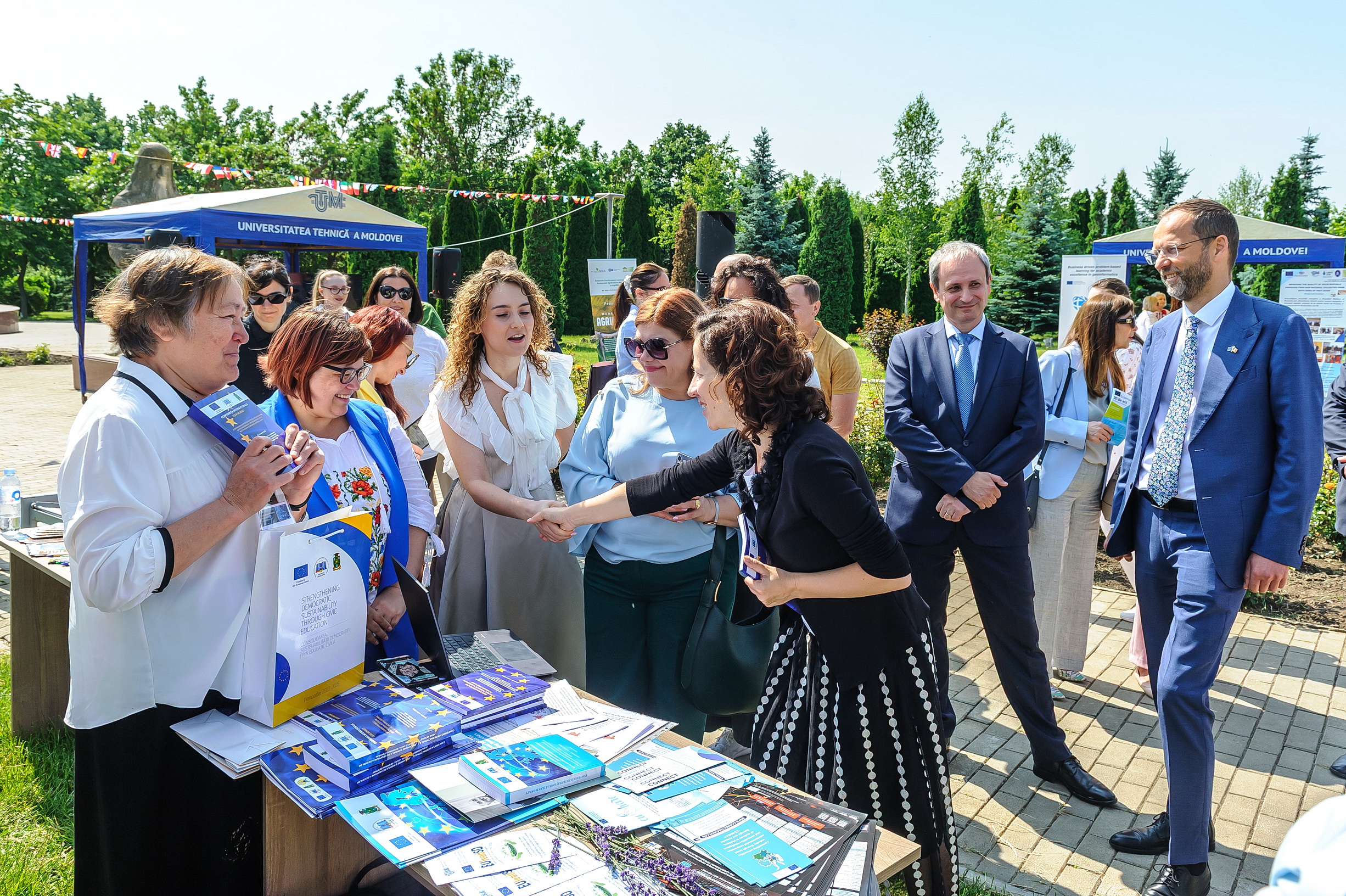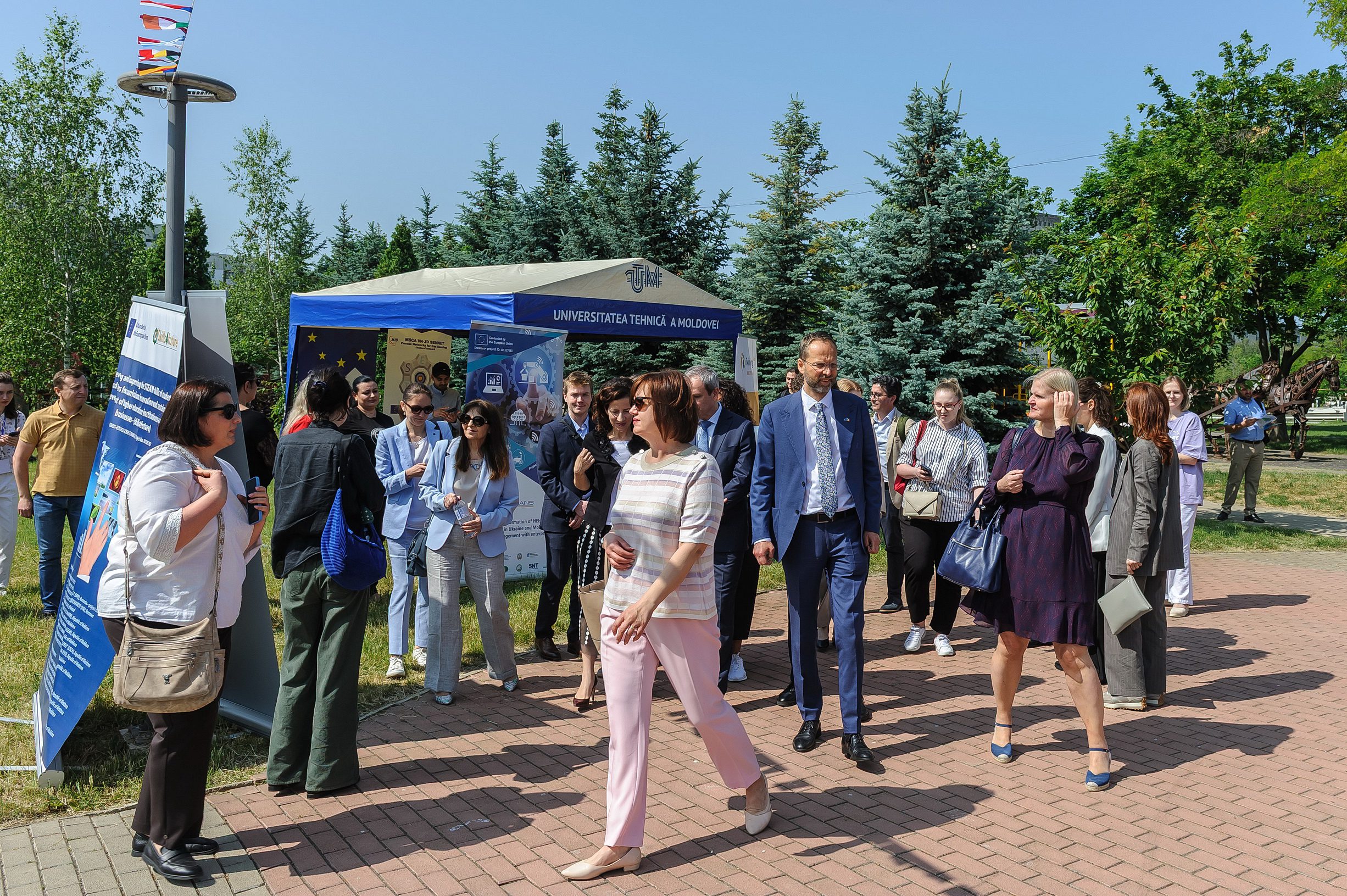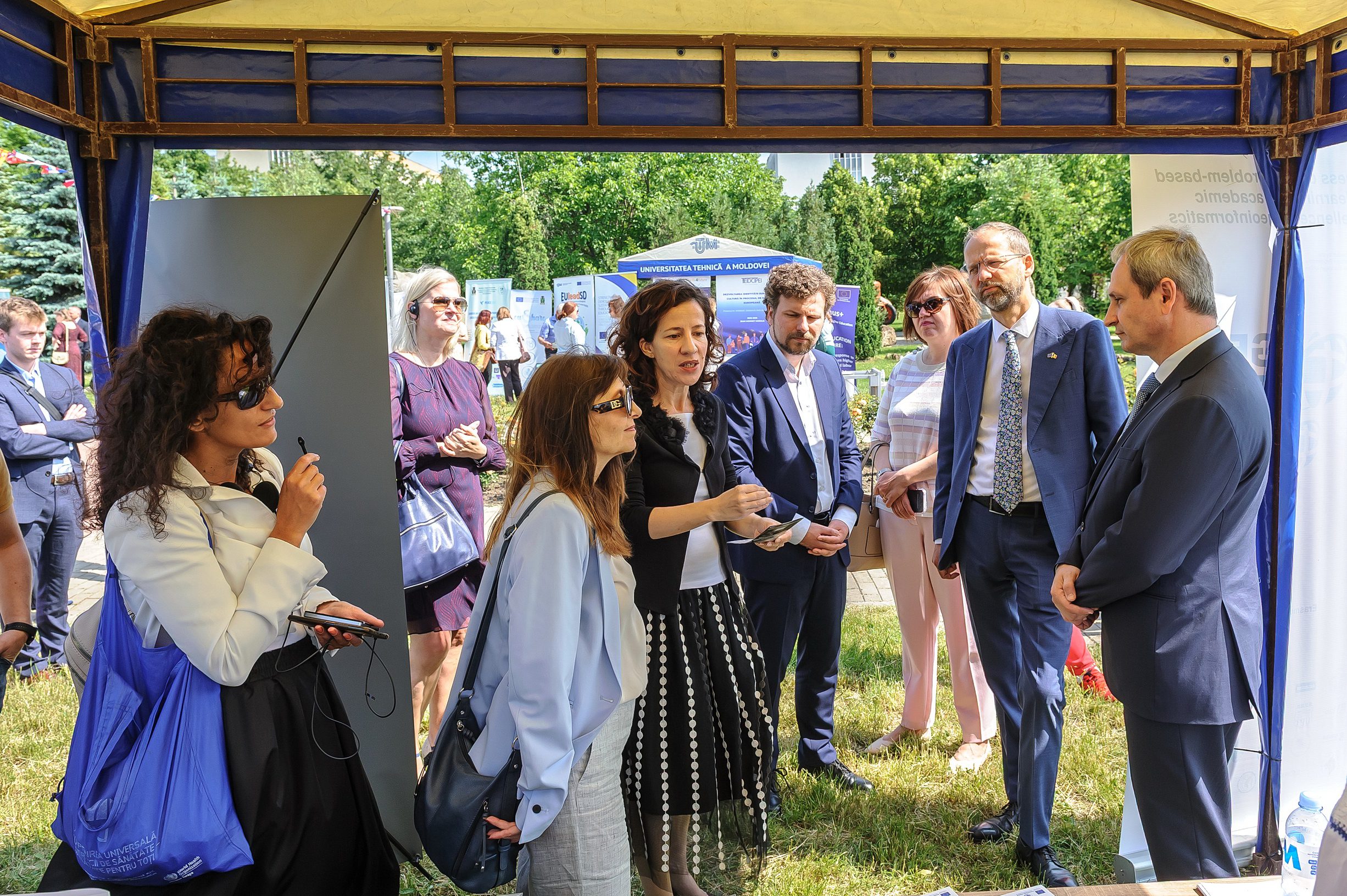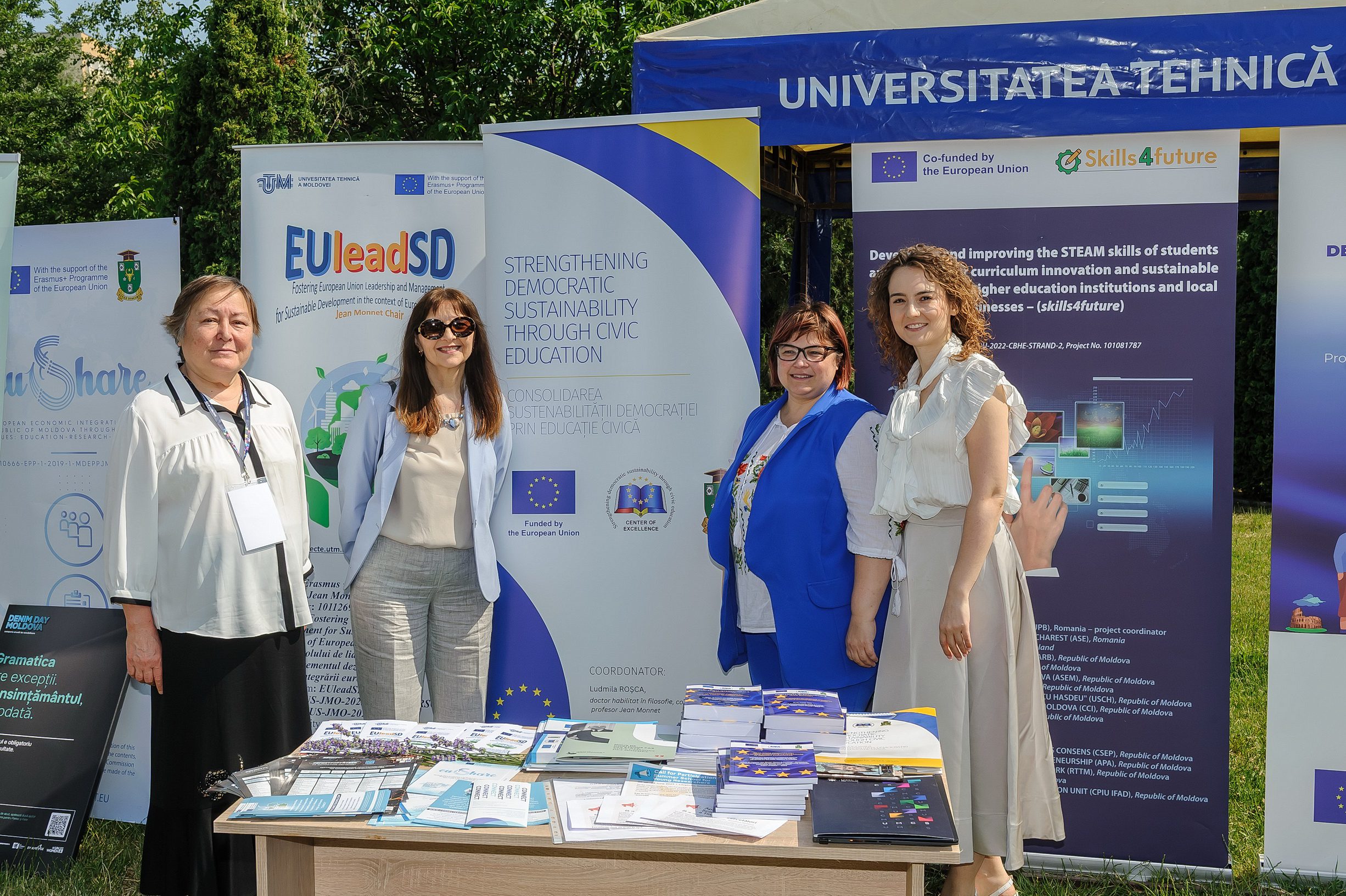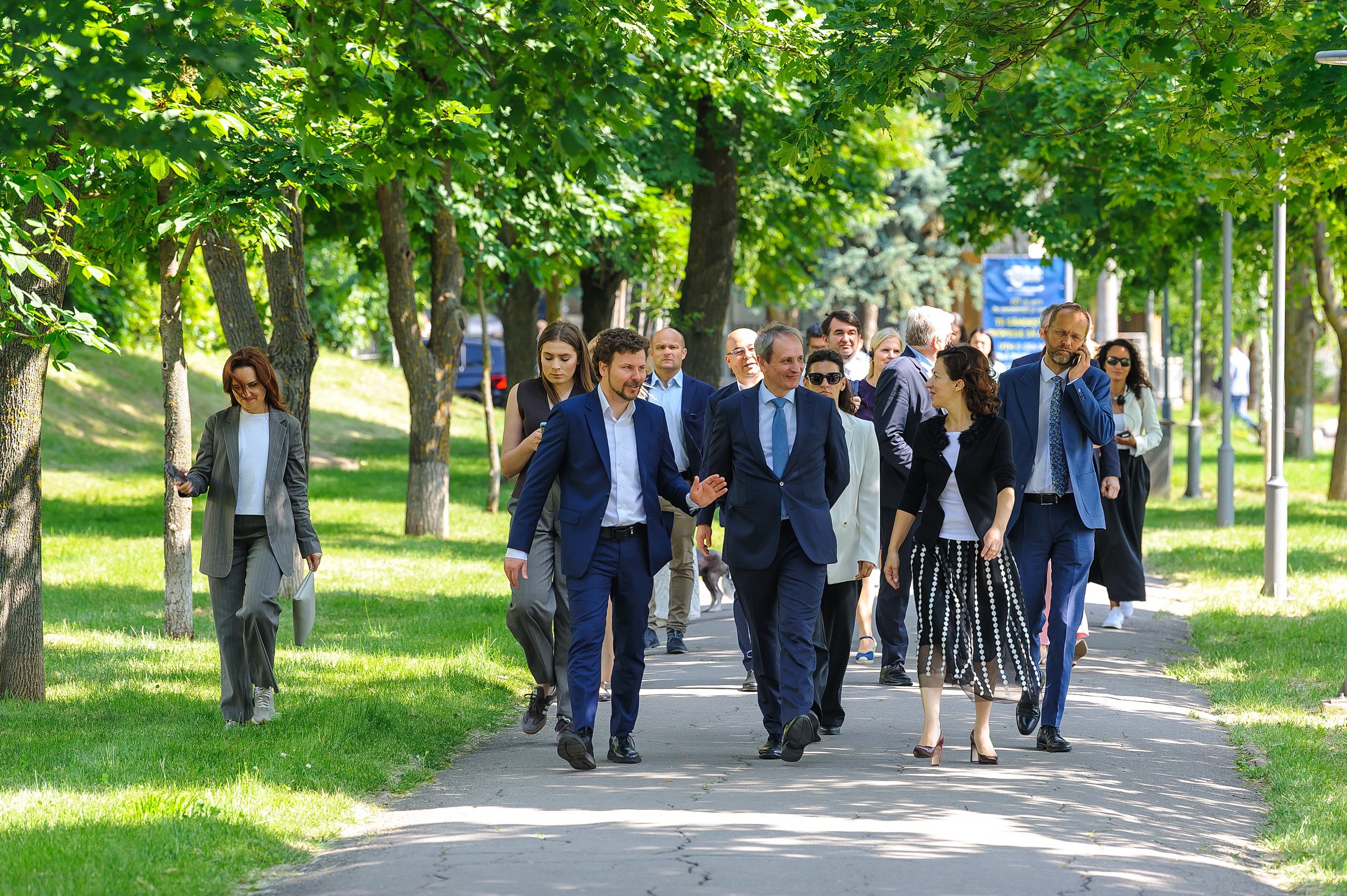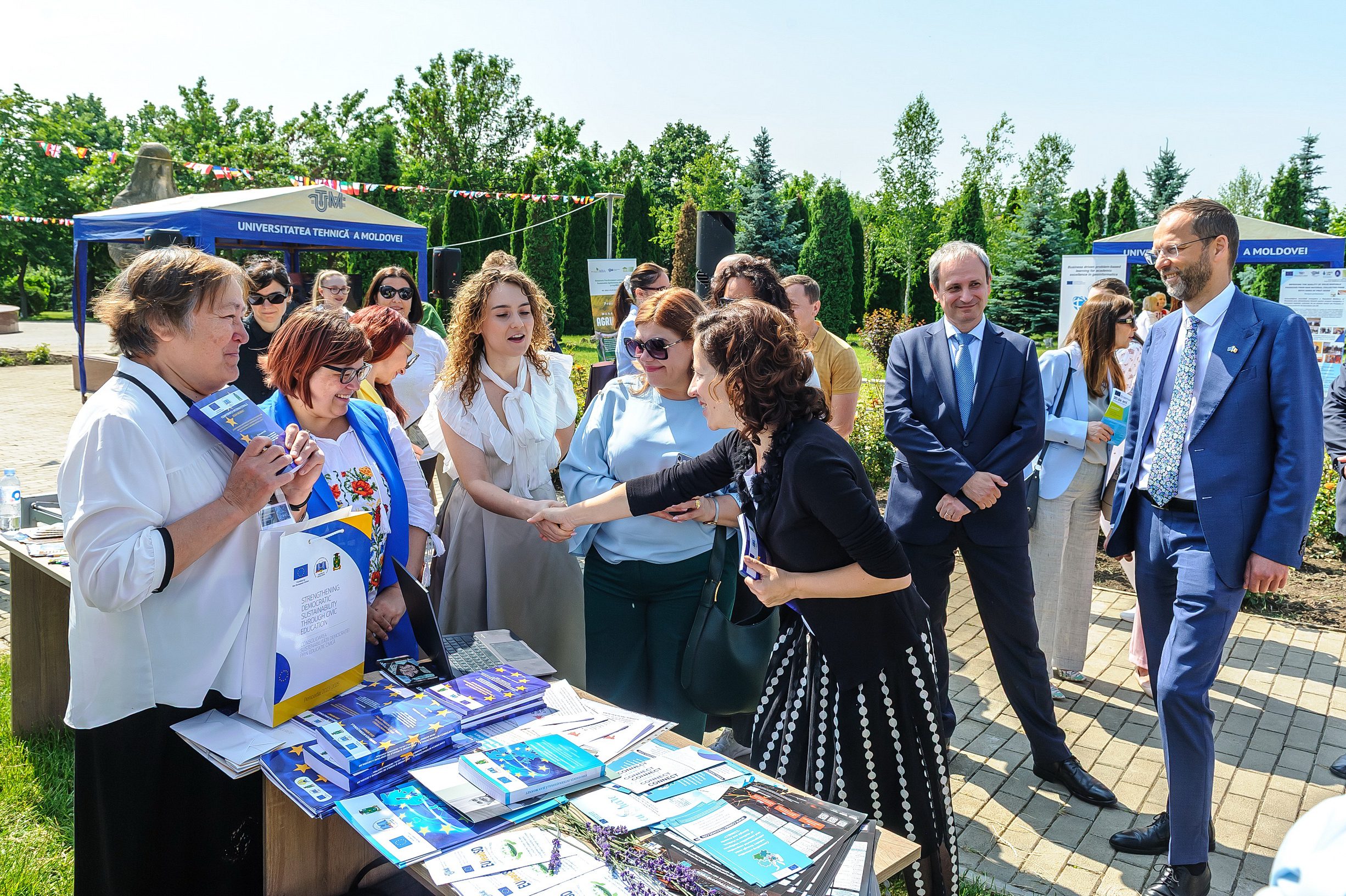
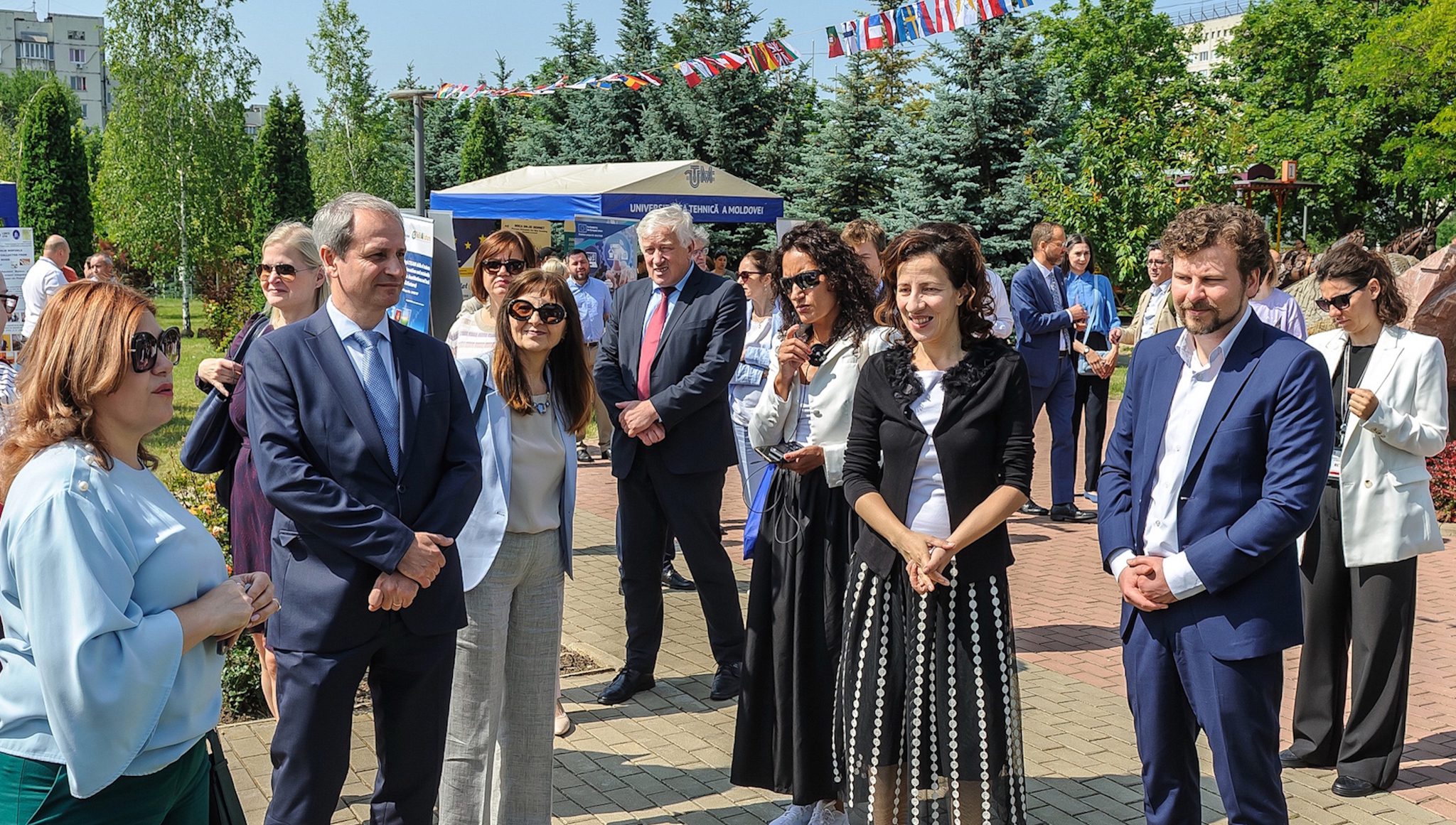
Over 250 students, pupils, and teachers from across the country took part yesterday in the event “Innovation in Education: ERASMUS+ and STEAM Without Borders in Moldova,” hosted by the Technical University of Moldova. Part of the “Youth for Europe” initiative, the event brought key topics into focus, such as innovation in education, the involvement of girls in STEAM fields (Science, Technology, Engineering, Arts, Mathematics), and the promotion of academic mobility through the ERASMUS+ program.
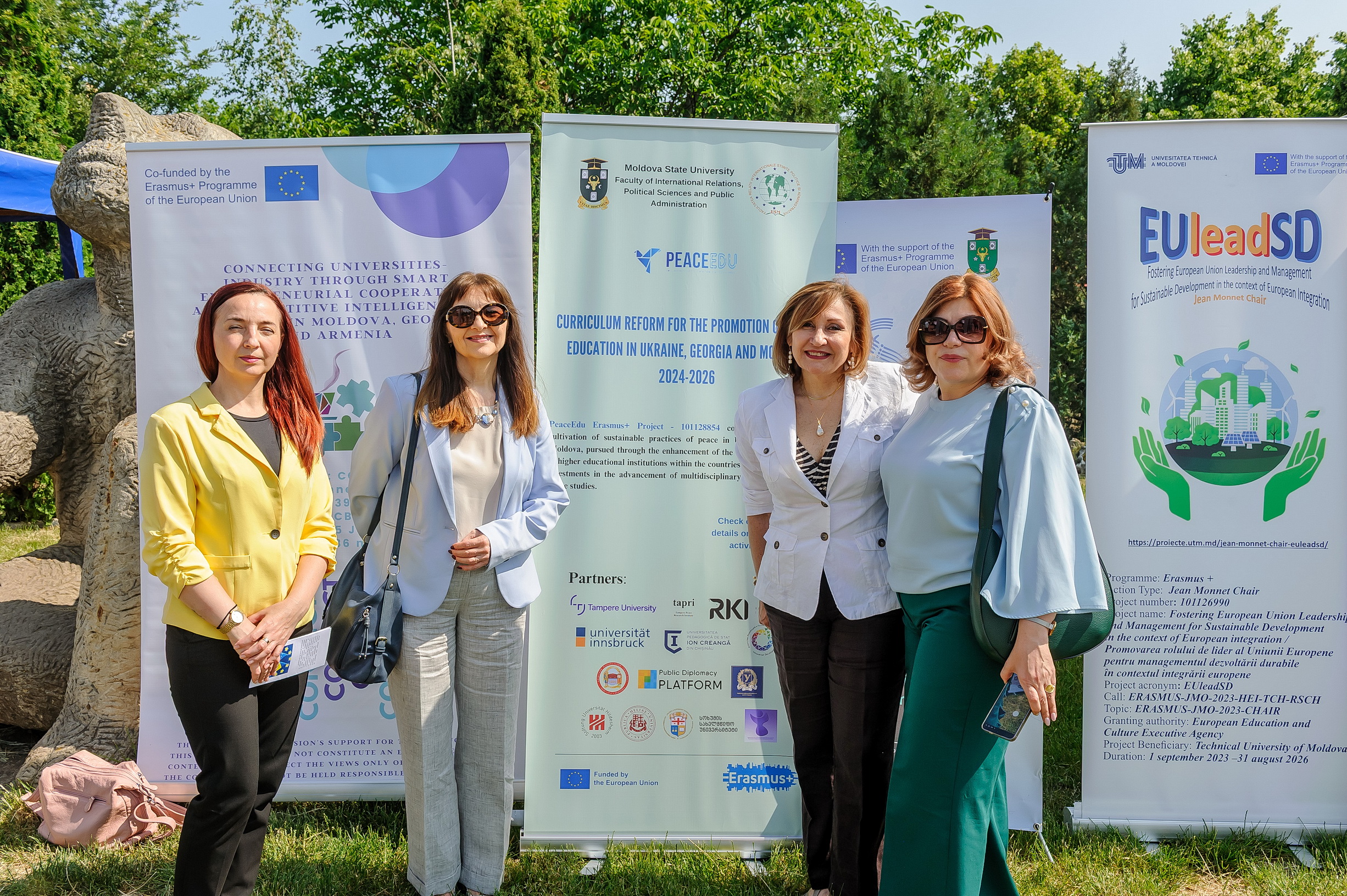
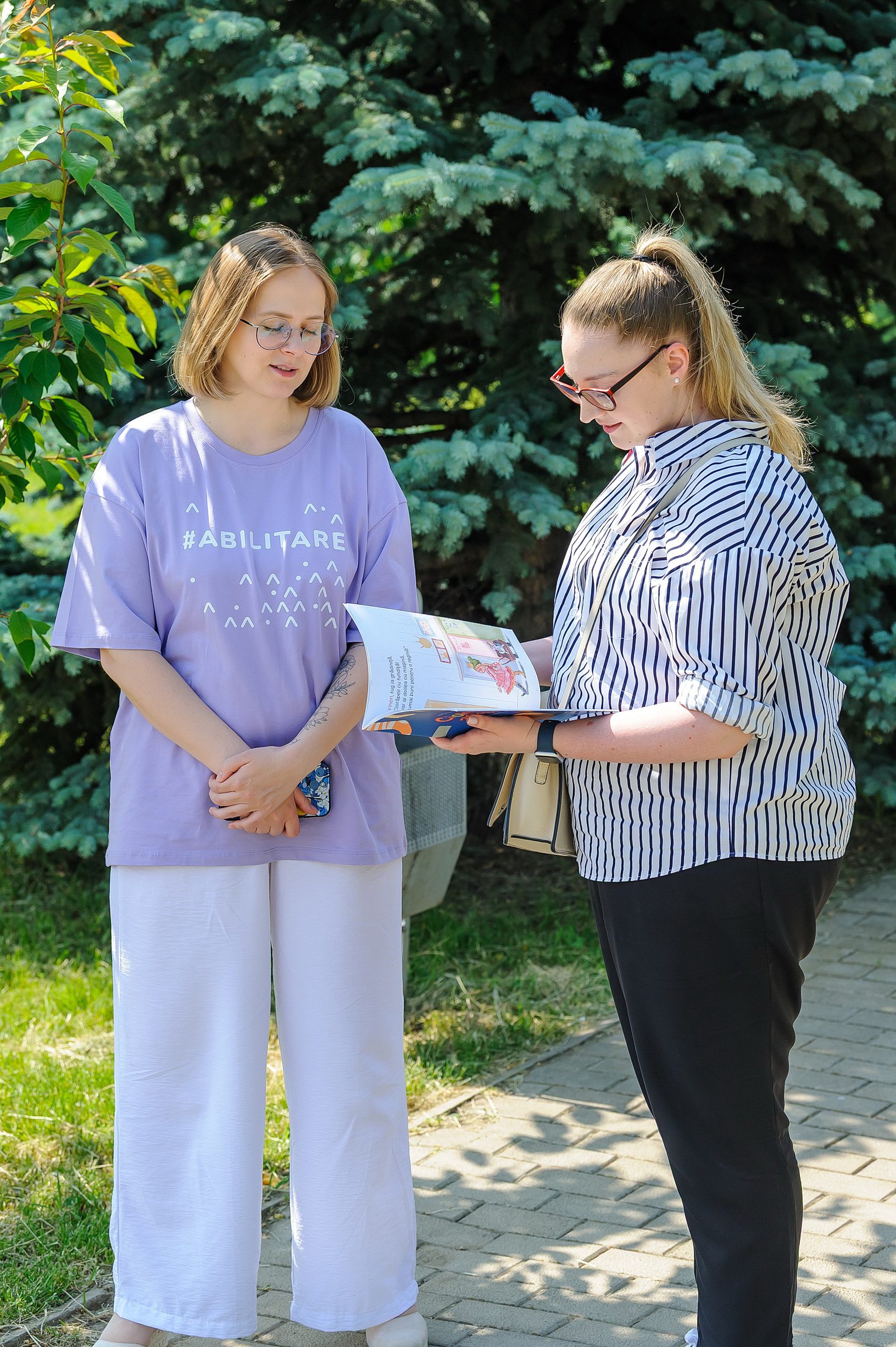
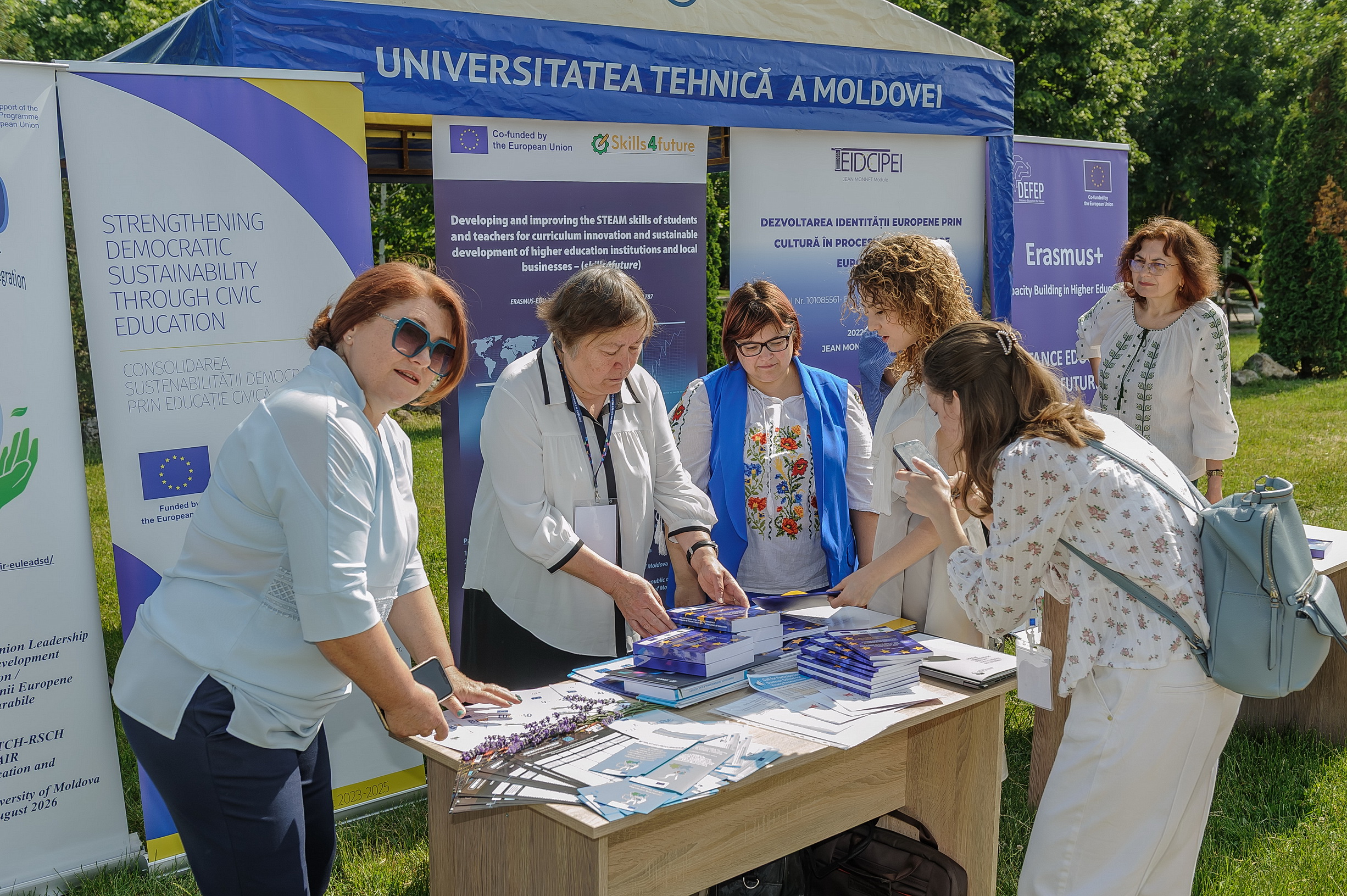
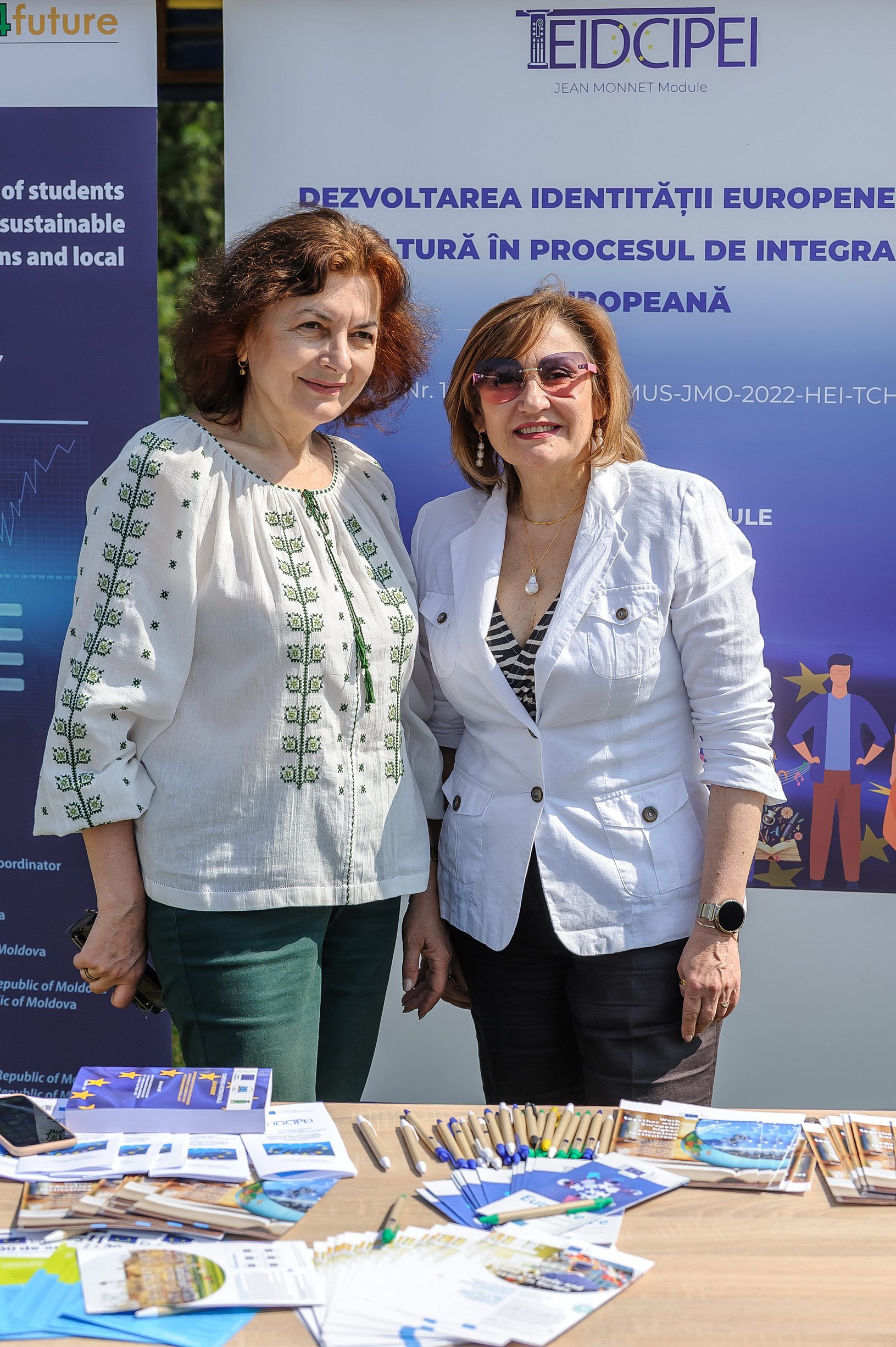
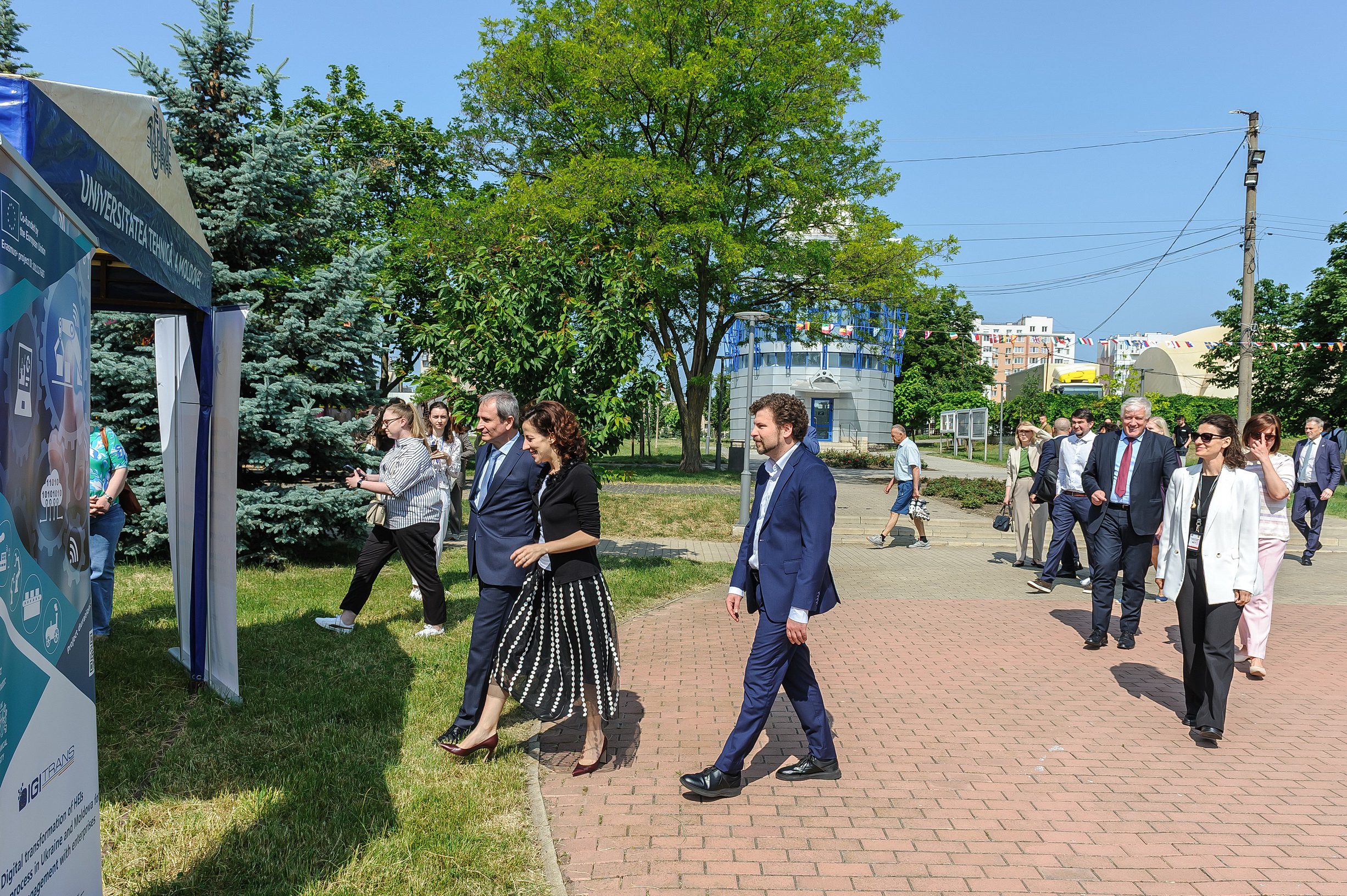
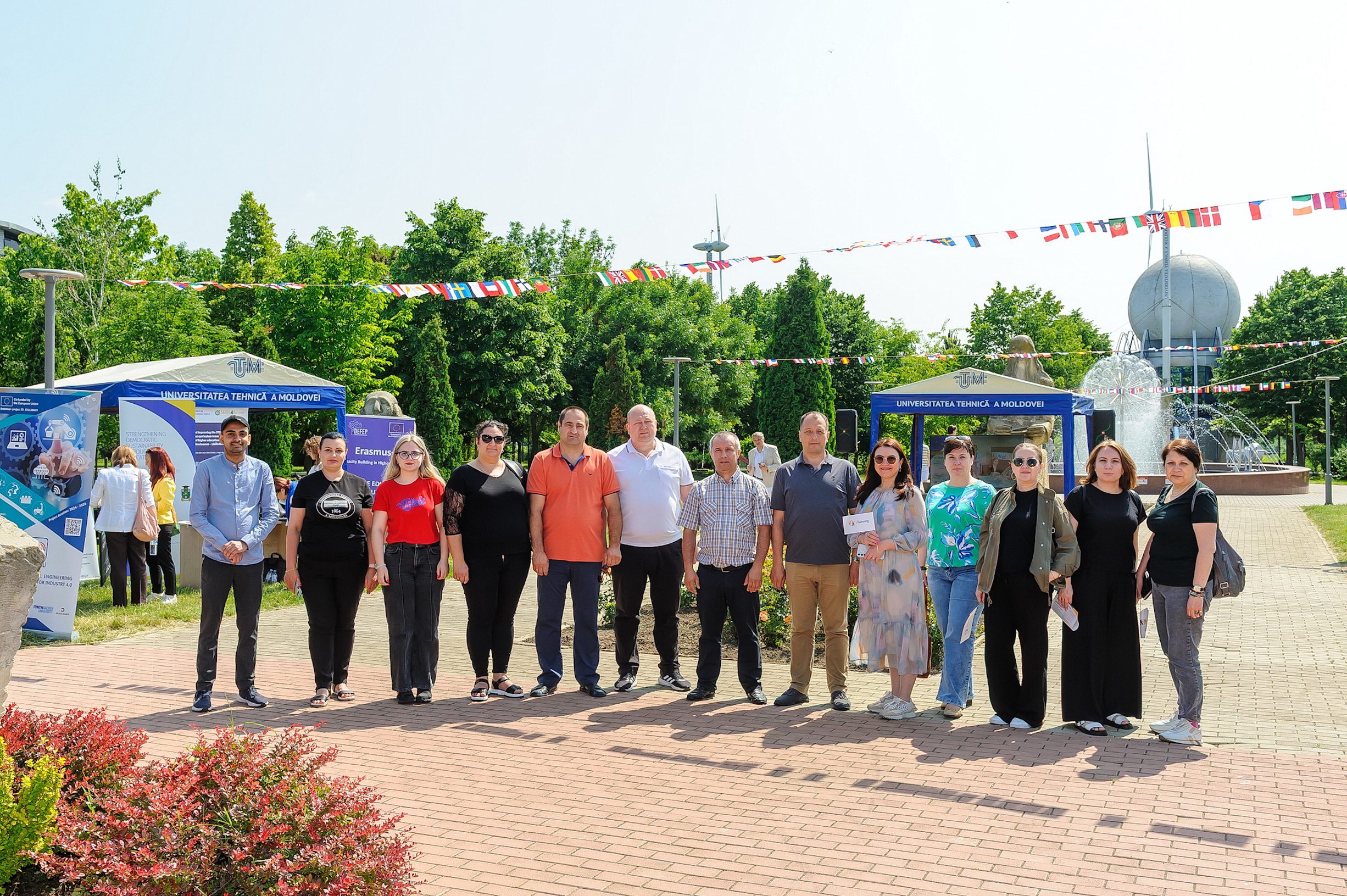
The event opened with a vibrant exhibition of STEAM projects, cross-border educational initiatives, and ERASMUS+ and Interreg programs, held in the open-air technical museum park on UTM’s Râșcani campus. The exhibition complemented the collection of engineering exhibits that reflect the history and evolution of Moldova’s technical and industrial heritage, offering a compelling visual insight into the innovative spirit of local education.
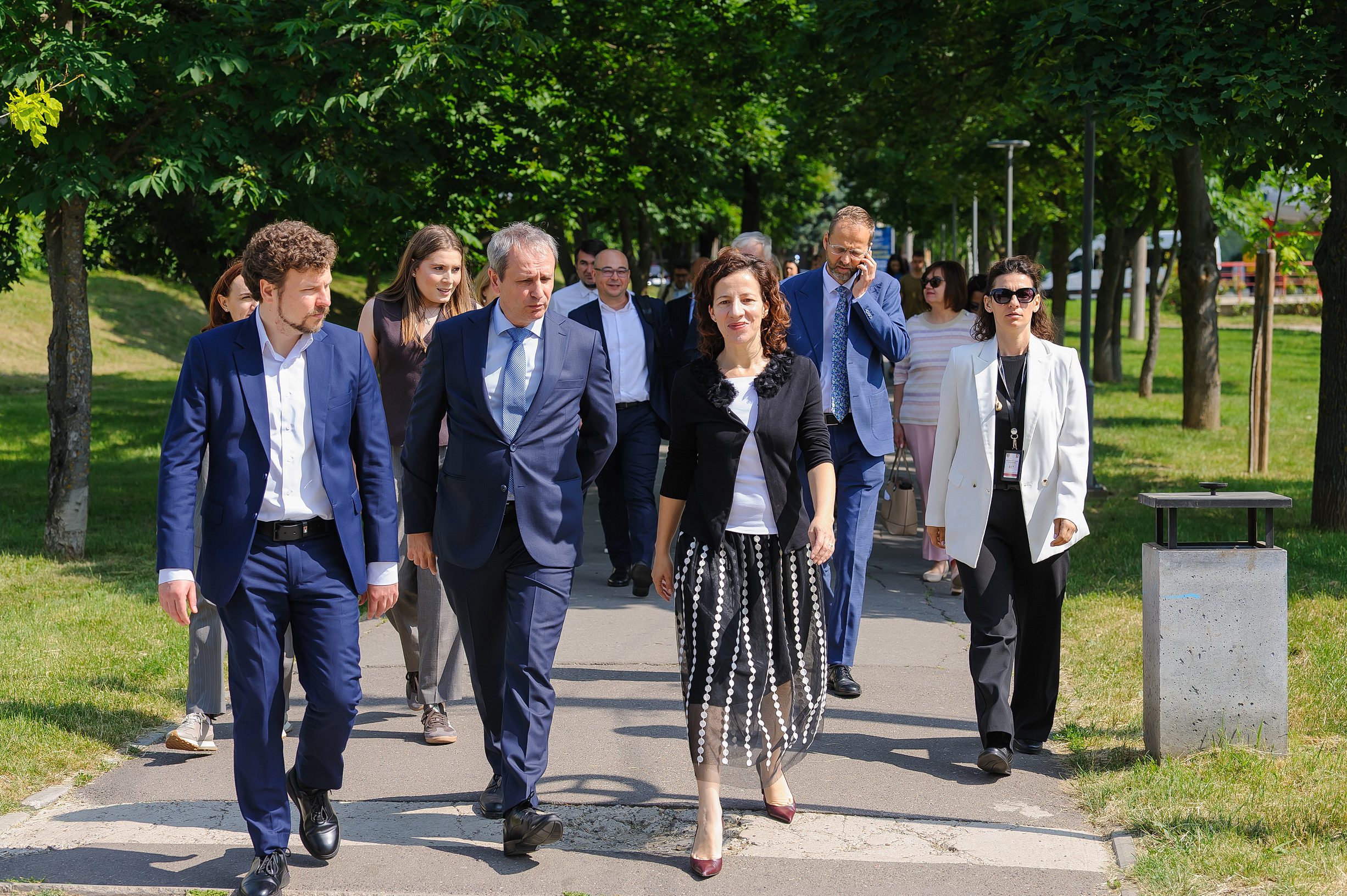
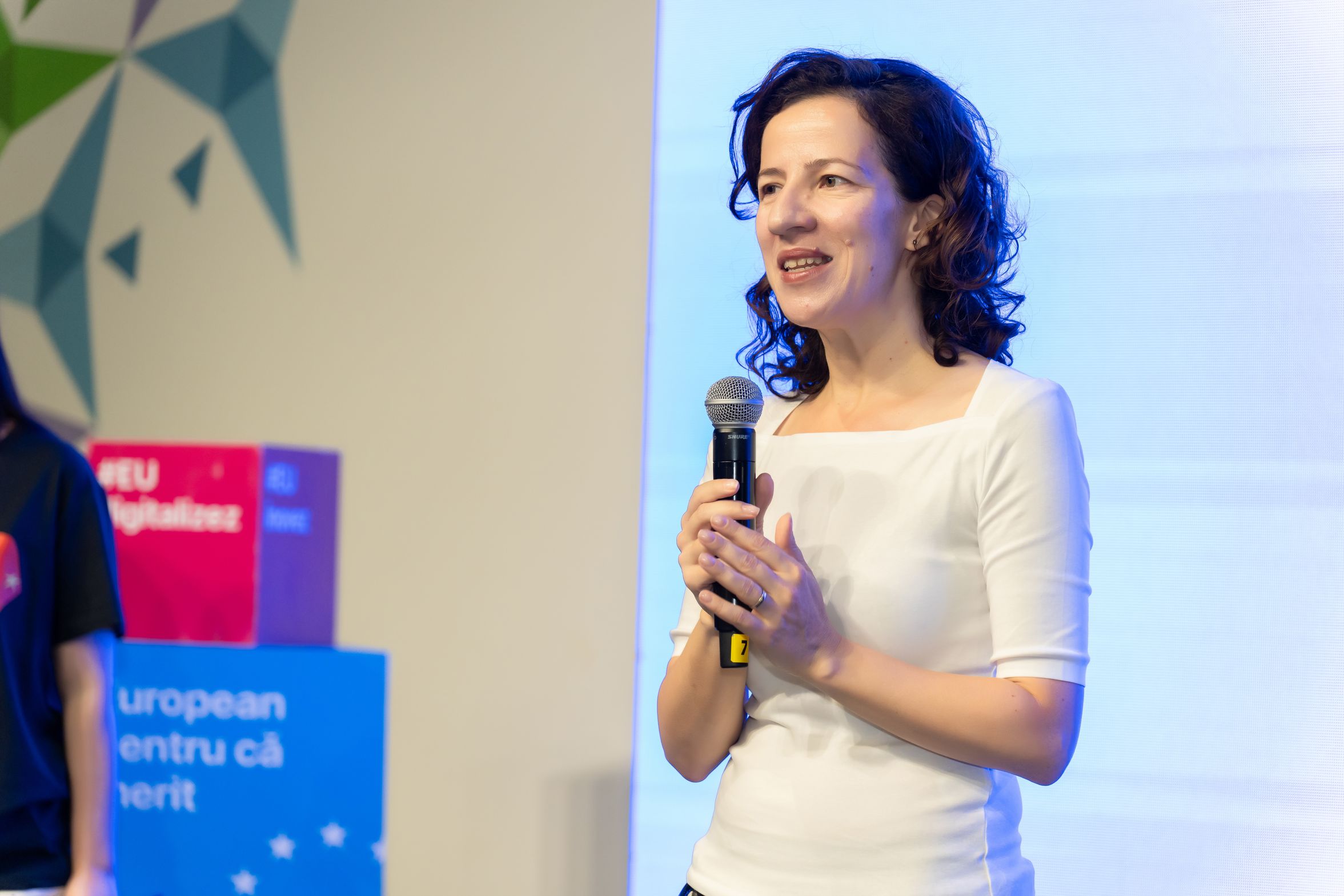
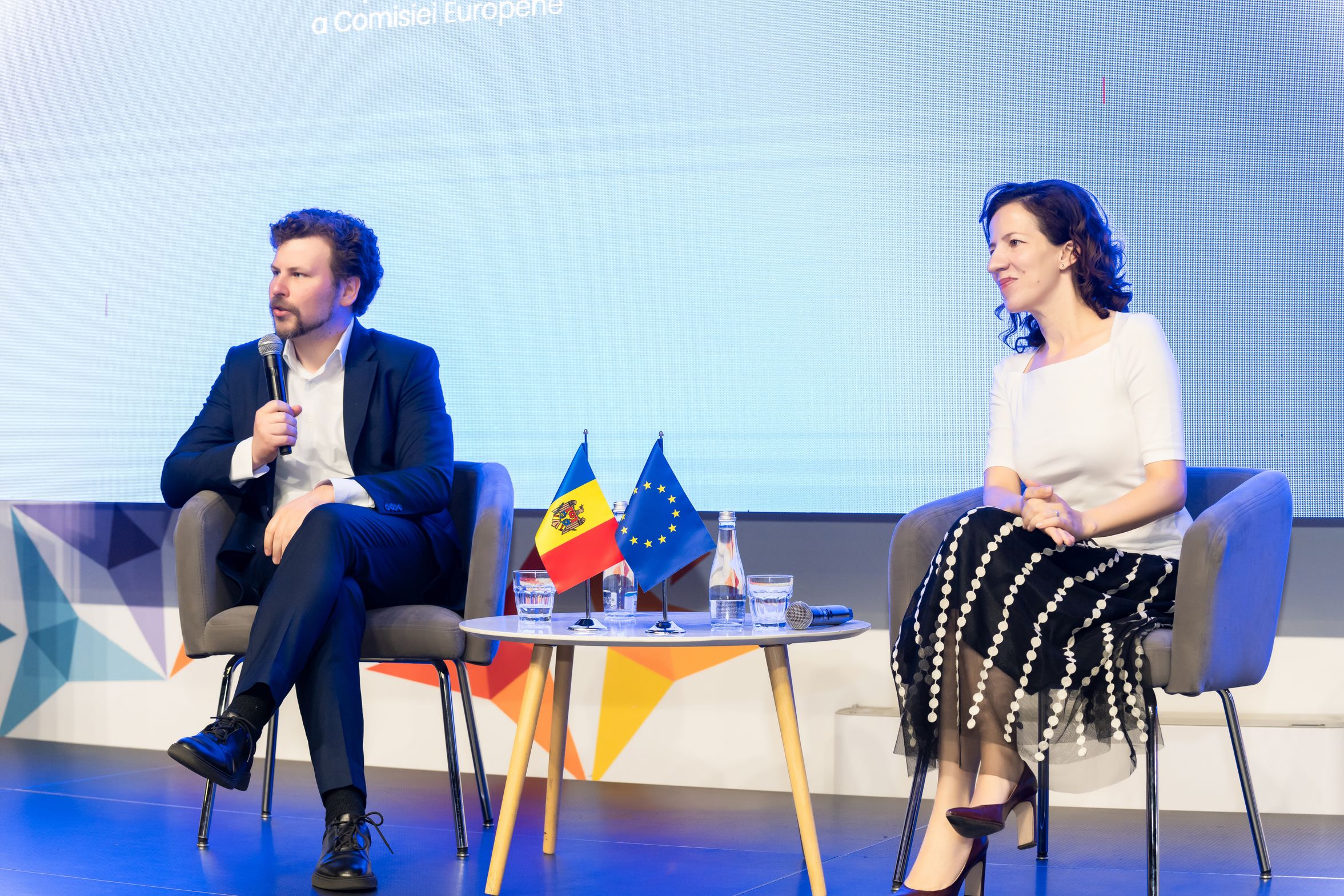
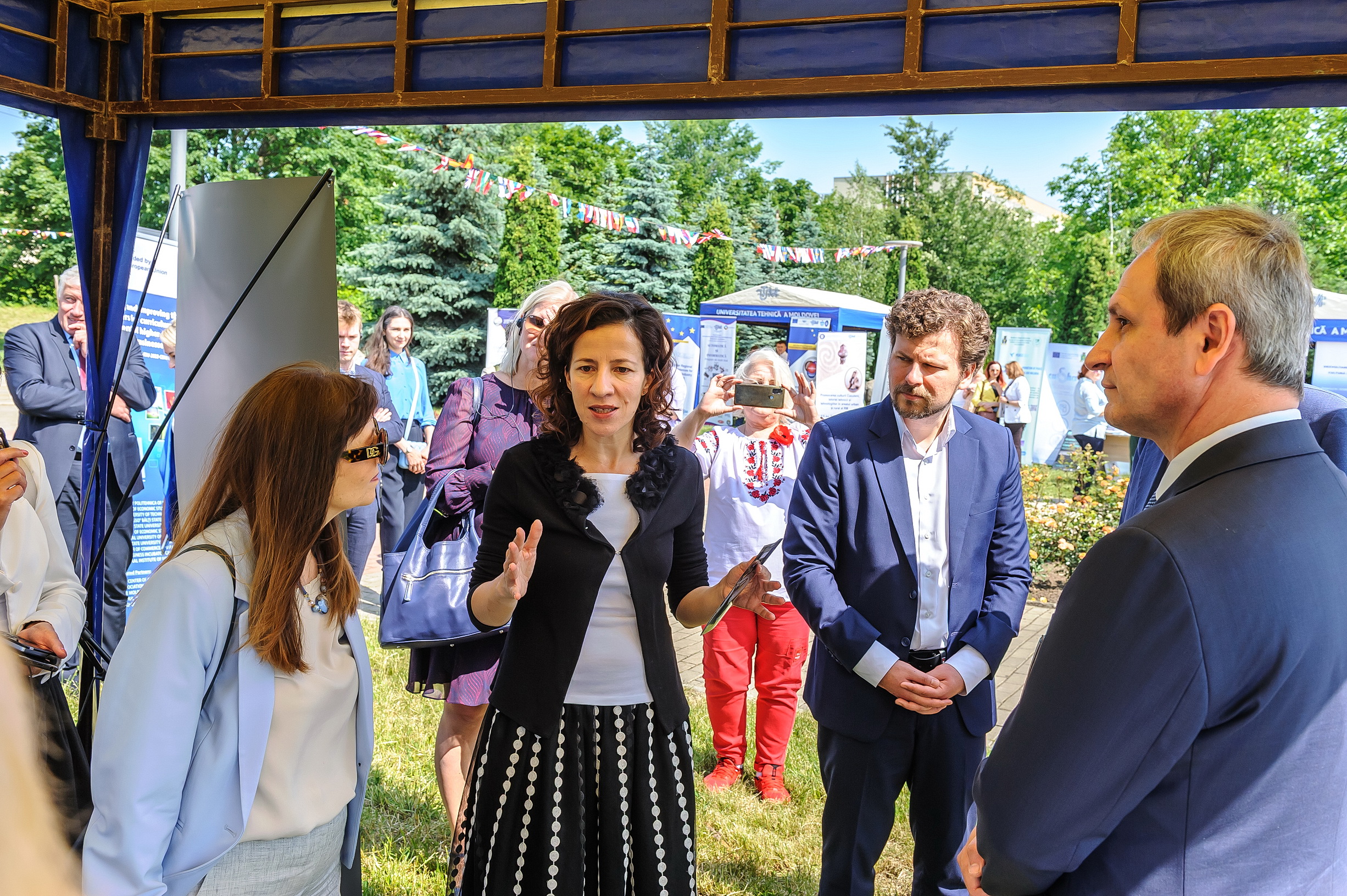
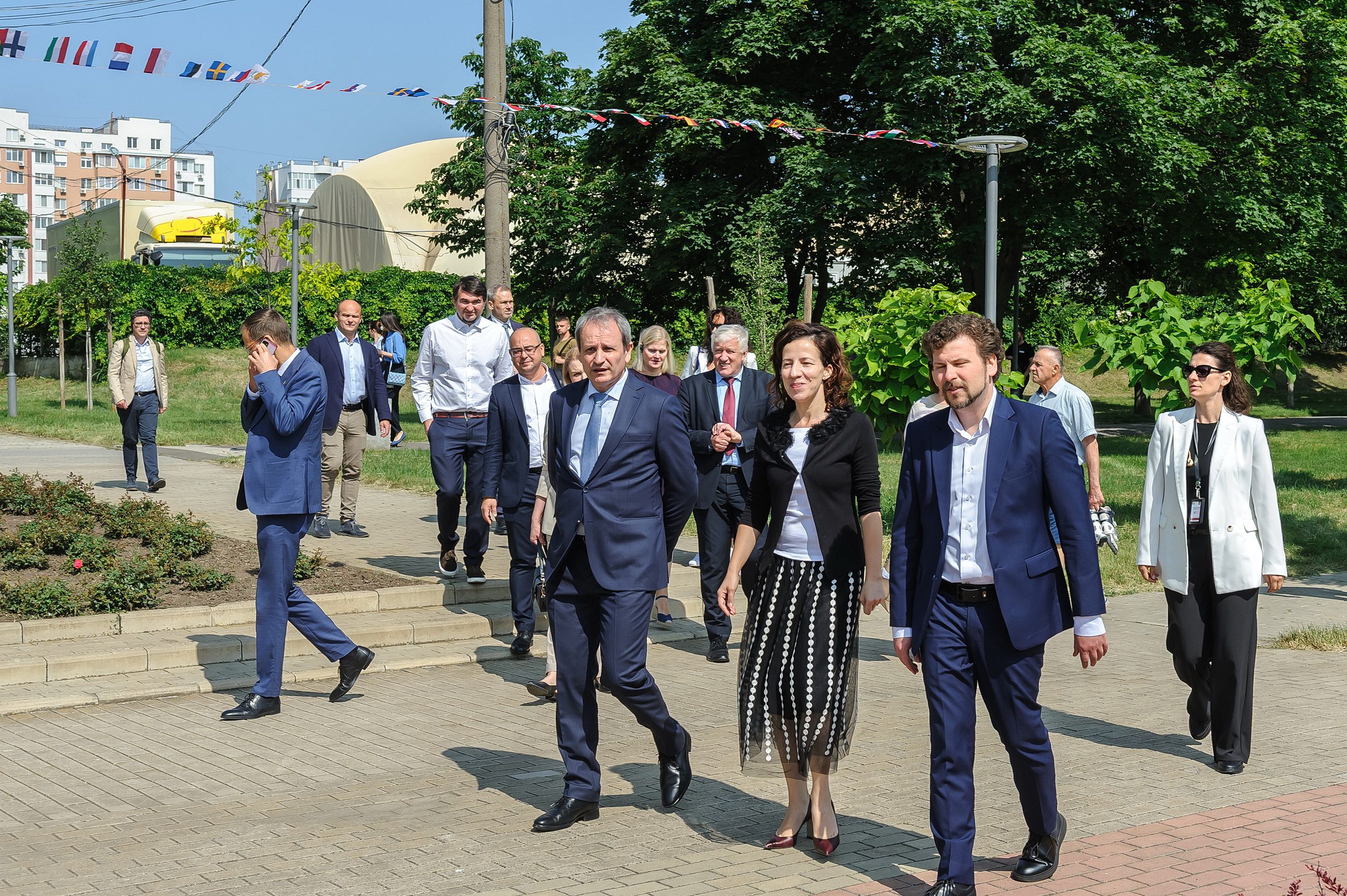
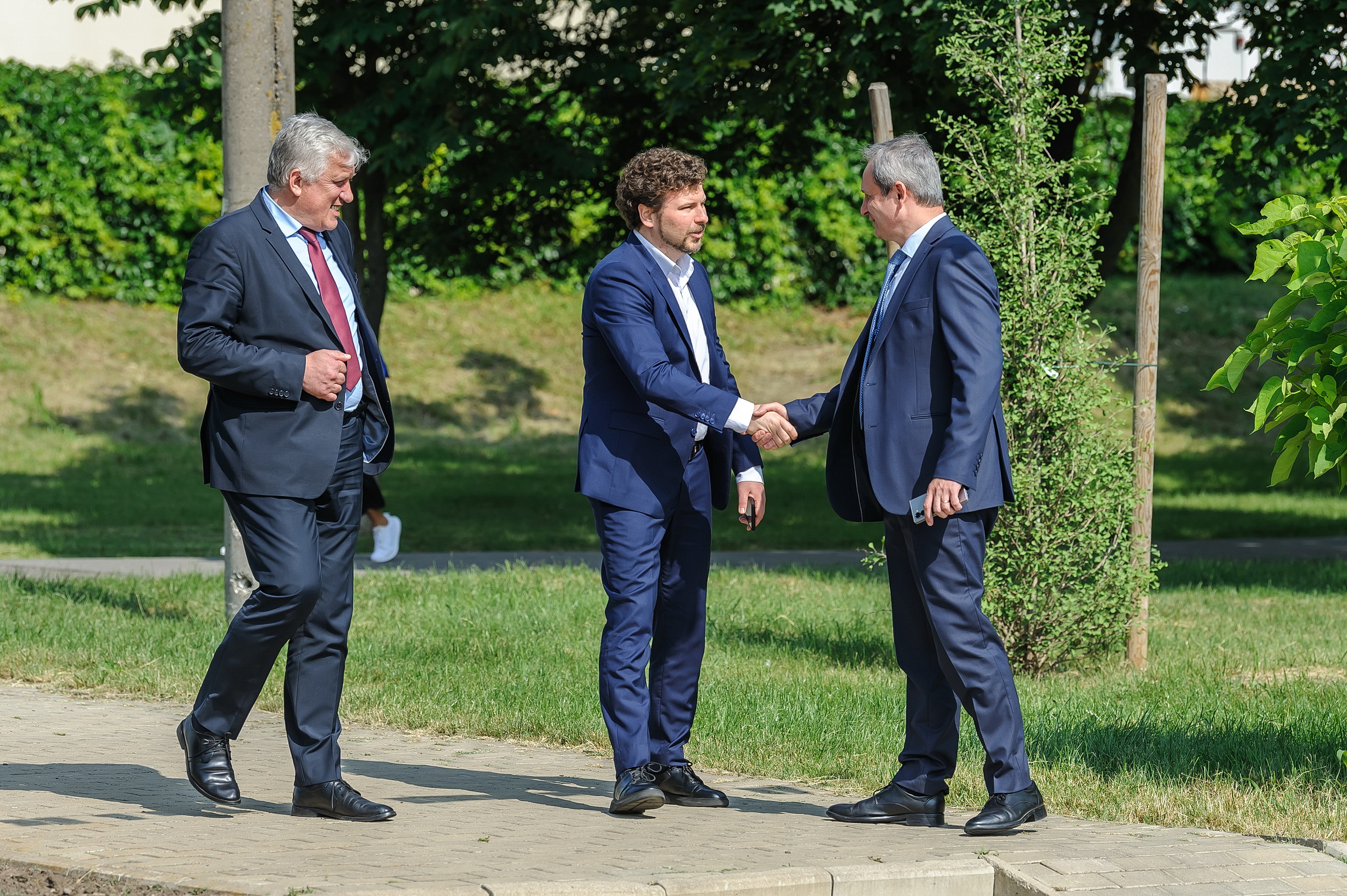
The dialogue continued at the ICT Training and Innovation Center – TEKWILL, where young participants had the opportunity to speak directly with H.E. Roxana Mânzatu, Executive Vice President of the European Commission, Dan Perciun, Moldova’s Minister of Education and Research, UTM Rector Professor Viorel Bostan, and other engaged youth, in a valuable exchange of ideas and perspectives.
UTM Rector, Professor Viorel Bostan, highlighted the importance of international partnerships in modernizing higher education in Moldova: “We are deeply grateful for the support of the European Union, especially through the ERASMUS+ programs, which have had an extraordinary impact on our development as an institution and on education aimed at the future.”

Joined by Vice-Rector for International Relations and Finance, Dr. Daniela Pojar, and Vice-Rector for Studies, Associate Professor Vladislav Reșitca, the Rector presented several major international projects implemented at UTM. Among them is EUniAM, a project supporting research and higher education reform with the help of the Ministry of Education and the Government of Moldova, and PBL (Problem-Based Learning), which brought best teaching practices from European universities. Other initiatives focused on developing WiFi infrastructure that supports digitalization and institutional connectivity. Currently, UTM is running four more major international projects, reinforcing its status as a university of excellence and the only higher education institution in the country with a technical-engineering profile.
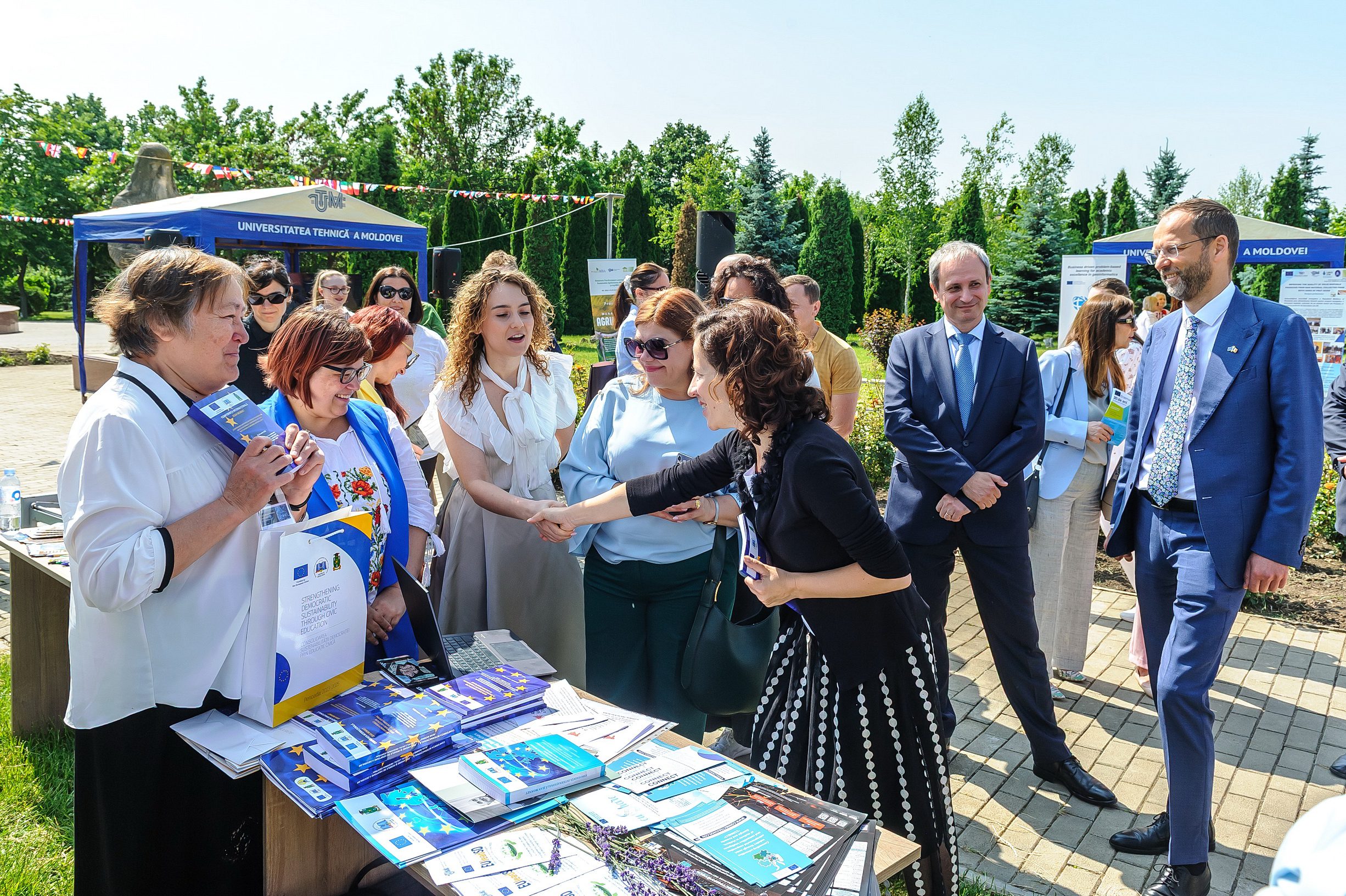
H.E. Roxana Mânzatu expressed her enthusiasm for discovering UTM and interacting with its students and professors, stating that education is a deeply personal mission for her. “We have opportunities, Olympiads, excellence, and outstanding results. But it is vital that every child has access to opportunities offered by the job market and the economy – and these become accessible with strong STEAM experiences.”
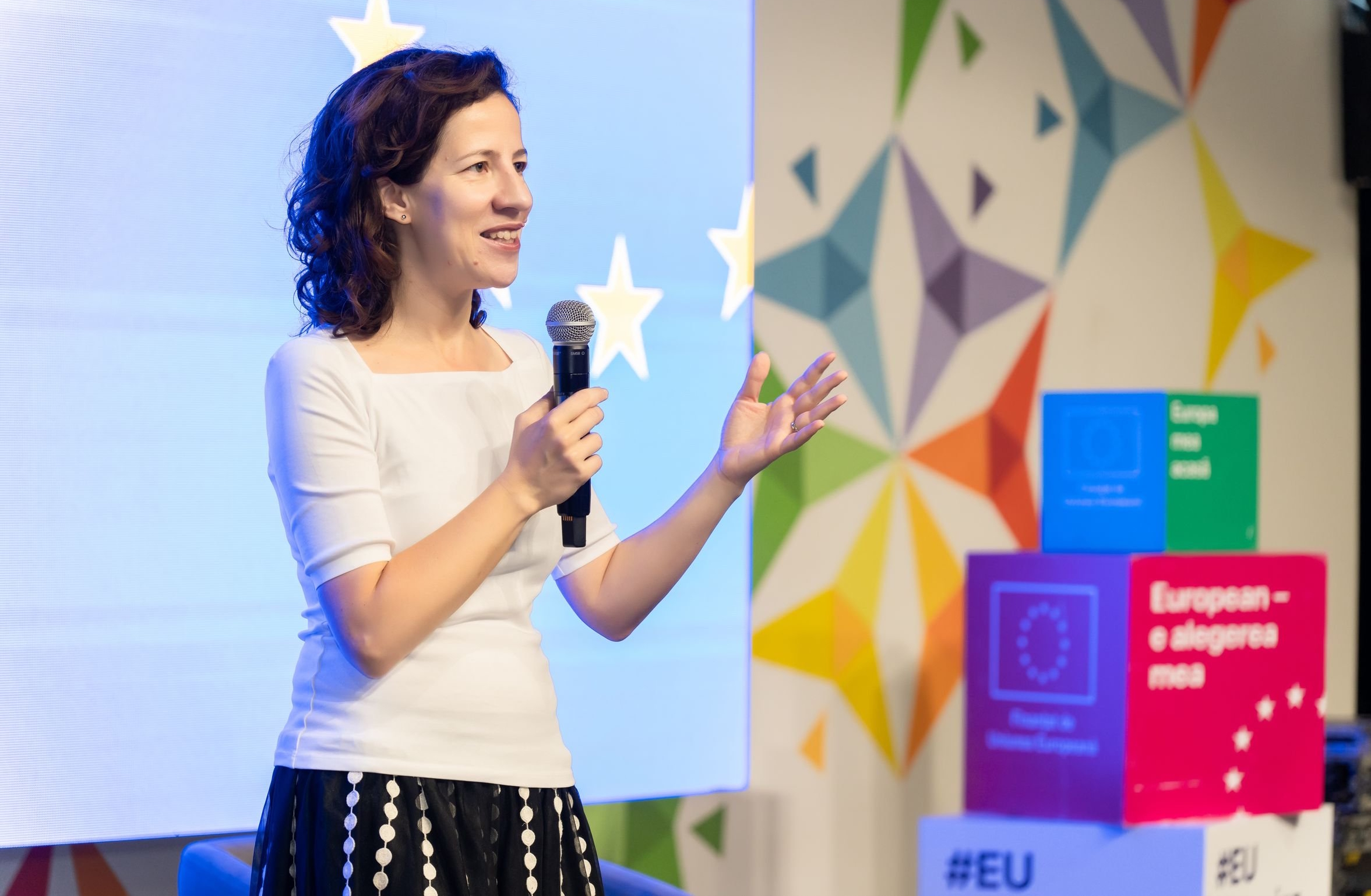
The European Commission Vice President emphasized the critical role of STEAM education amid technological transformations and the impact of artificial intelligence on the labor market. She encouraged investment in STEAM skills, peer mentorship, and the inclusion of girls in technical fields, stressing that “there are no fields for girls or boys only. There are only capable, passionate, and determined people.”
She reaffirmed the EU’s commitment to funding more projects through ERASMUS+ and mentioned the “Union of Skills” initiative, which aims to train one million girls in STEAM by 2028.
“I hope the Republic of Moldova becomes an active associate state, with far more opportunities within ERASMUS,” she concluded, expressing admiration for Moldova’s IT talent and the EU’s willingness to support it.
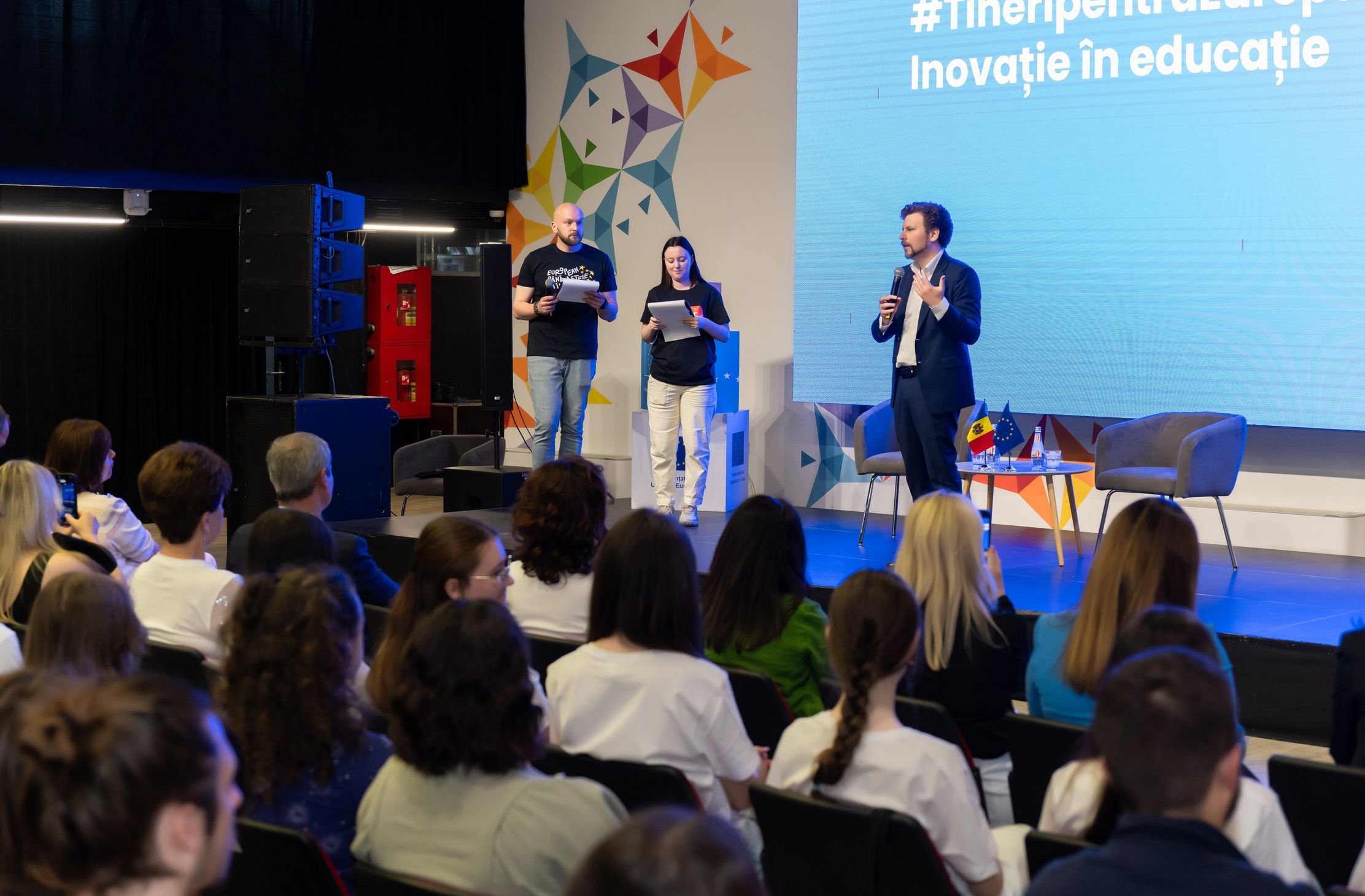
Minister of Education and Research, Dan Perciun, thanked the European Union for its constant support in modernizing the education system: “It is clear proof of steady backing and genuine interest in Moldova’s future.”
He emphasized the importance of STEAM education as a way to encourage teamwork, the practical application of theoretical knowledge, the blending of programming with art, and architecture with historical perspective – creating an innovative and engaging learning environment.
Minister Perciun advocated for expanding these opportunities beyond elite high schools, aiming for most schools in the country to benefit from them. He mentioned that around 15 million euros from EU support (estimated at 2 billion euros) are allocated to digitalization and digital skill development, including equipping laboratories and promoting practical experiences.
“There are no fields reserved for one gender. There are fields for passionate people, and in that sense, we are all equal.” He also highlighted the success of the “Math on Equal Terms” project, expressing hope that this model will be extended to all STEM subjects to ensure every child has access to quality educational experiences.
The event “Innovation in Education: ERASMUS+ and STEAM Without Borders in Moldova” demonstrated UTM’s and its partners’ commitment to promoting a modern, inclusive, and international education. The focus on ERASMUS+ programs and STEAM approaches reflects the university’s vision to shape a generation ready to face future challenges, in the spirit of European cooperation and continuous innovation.