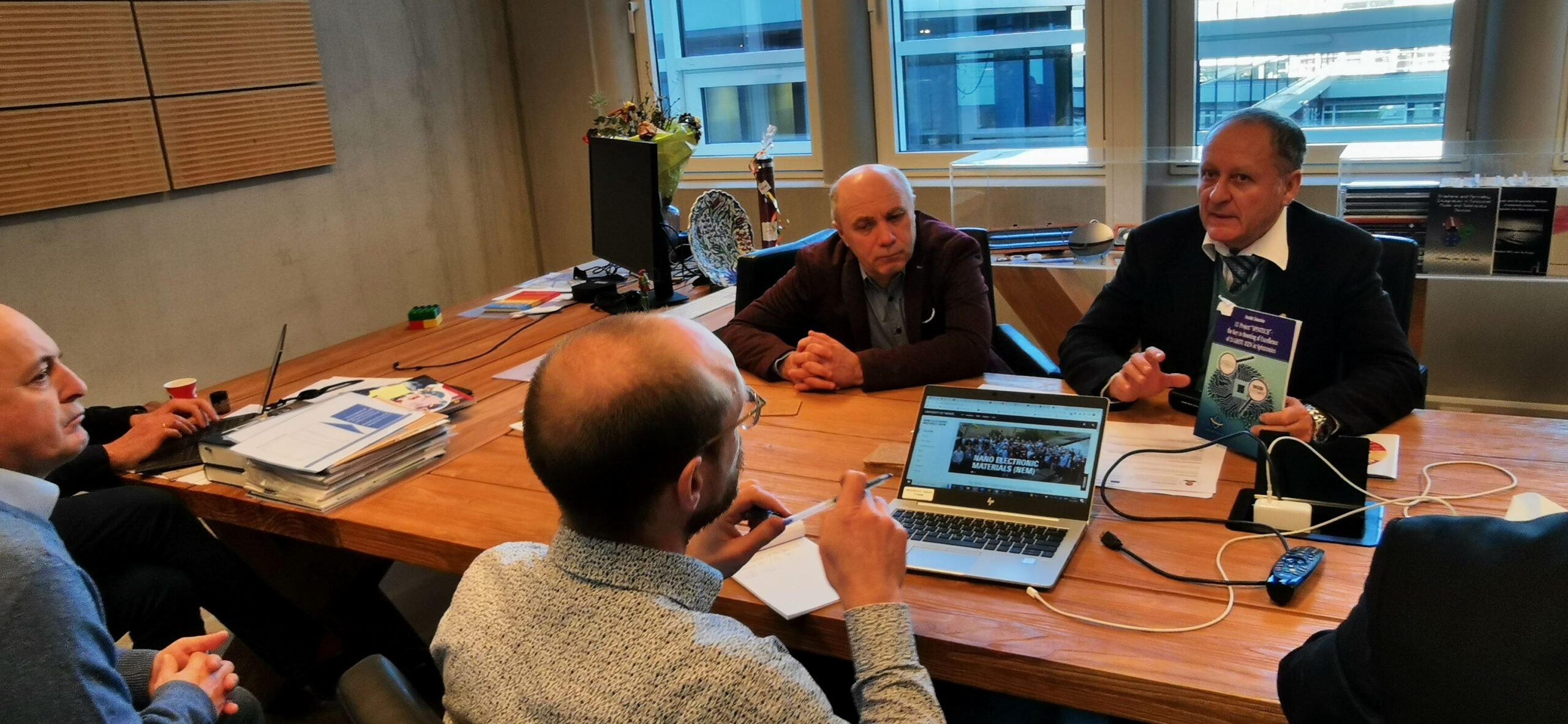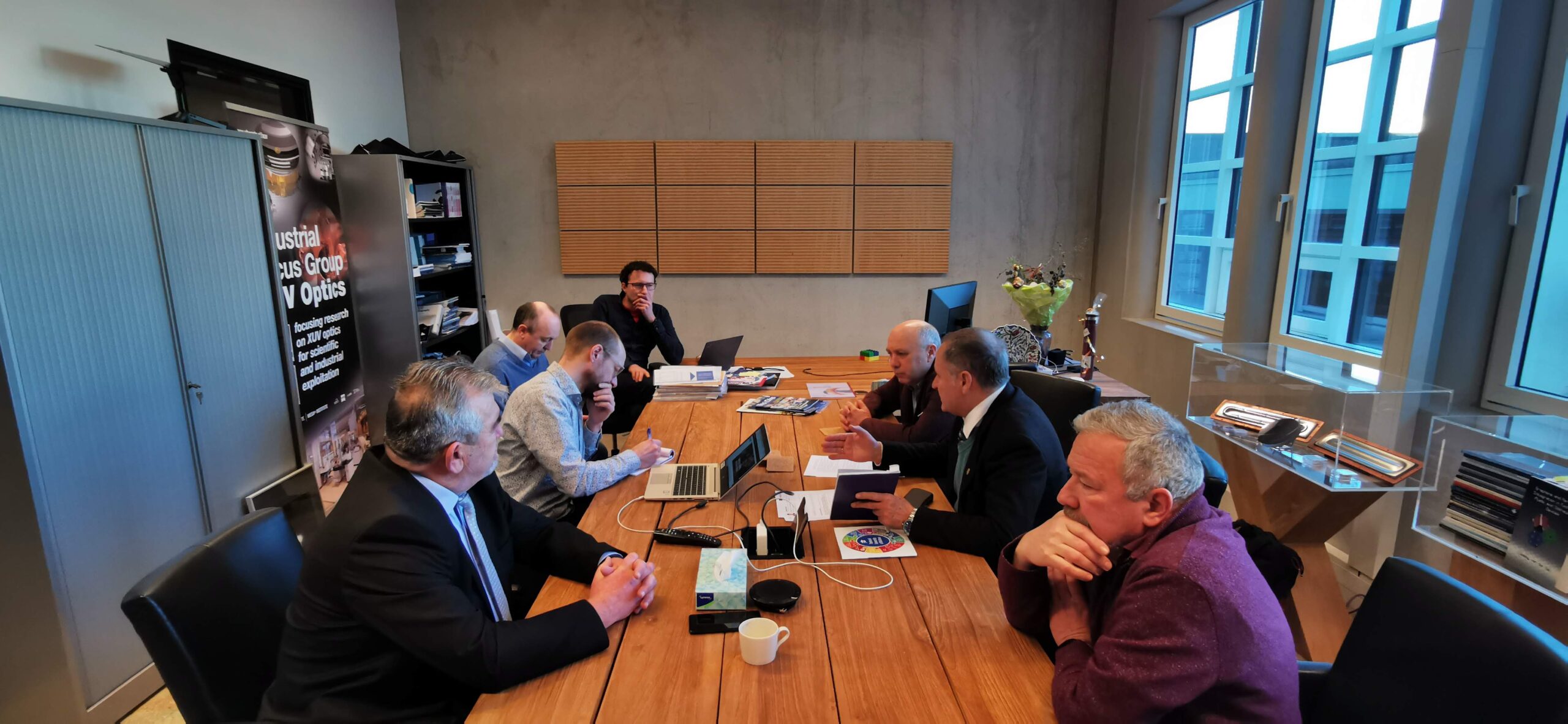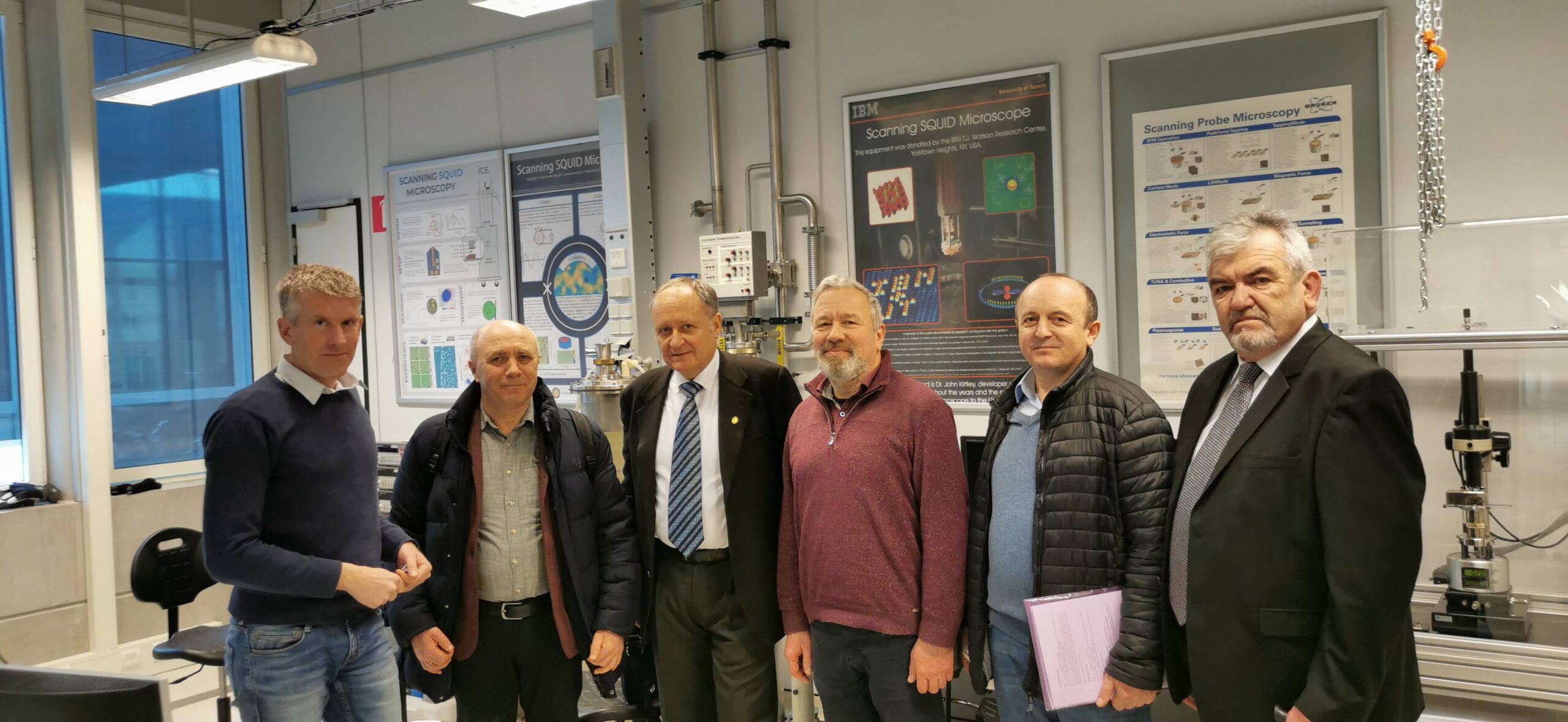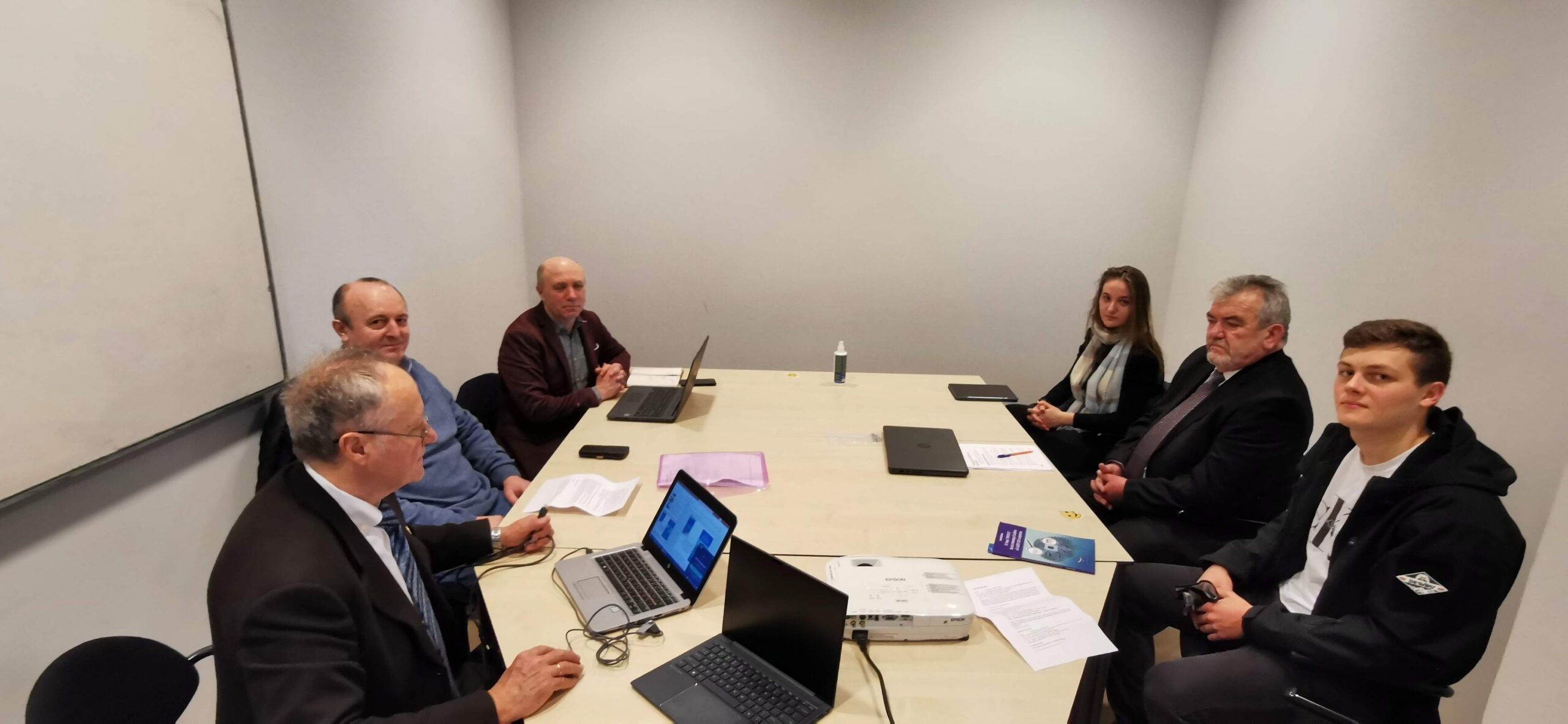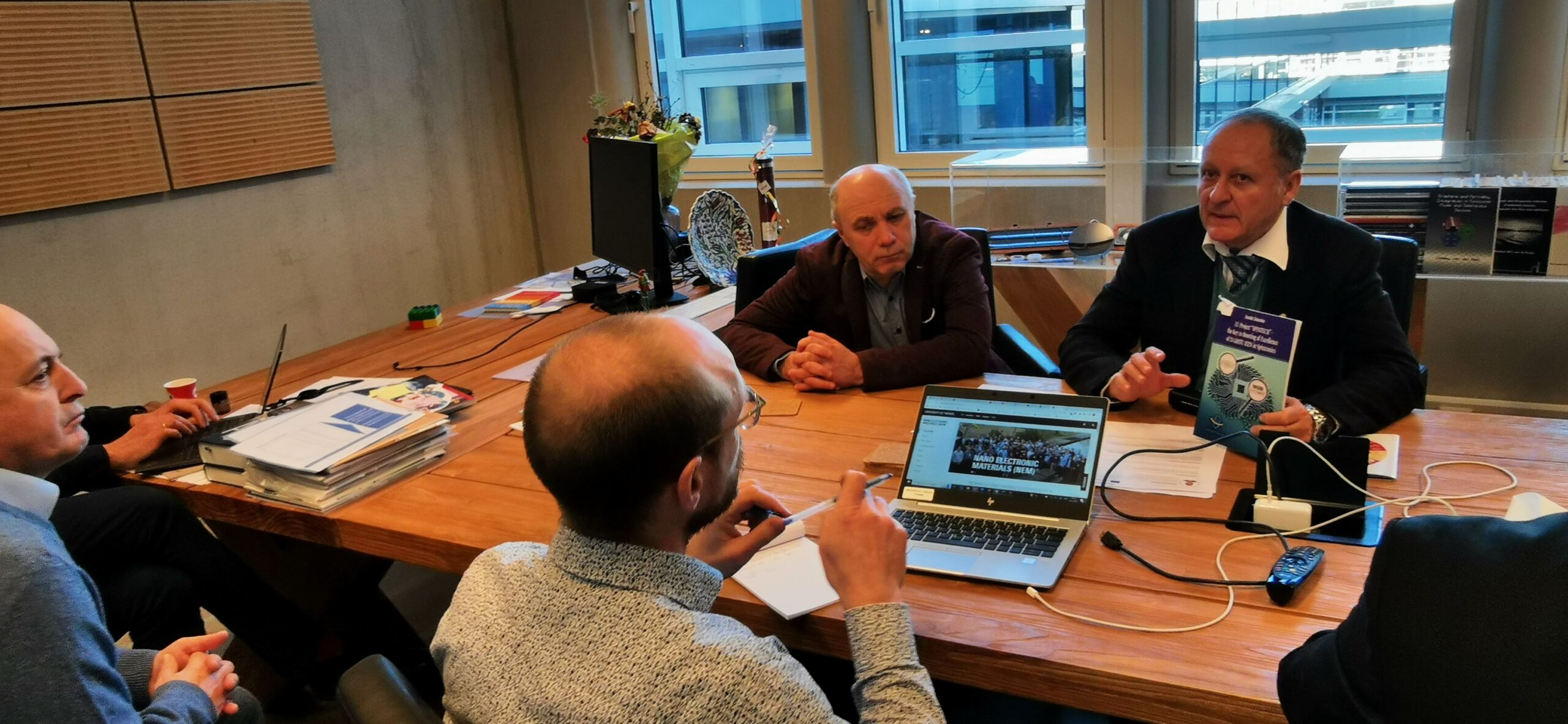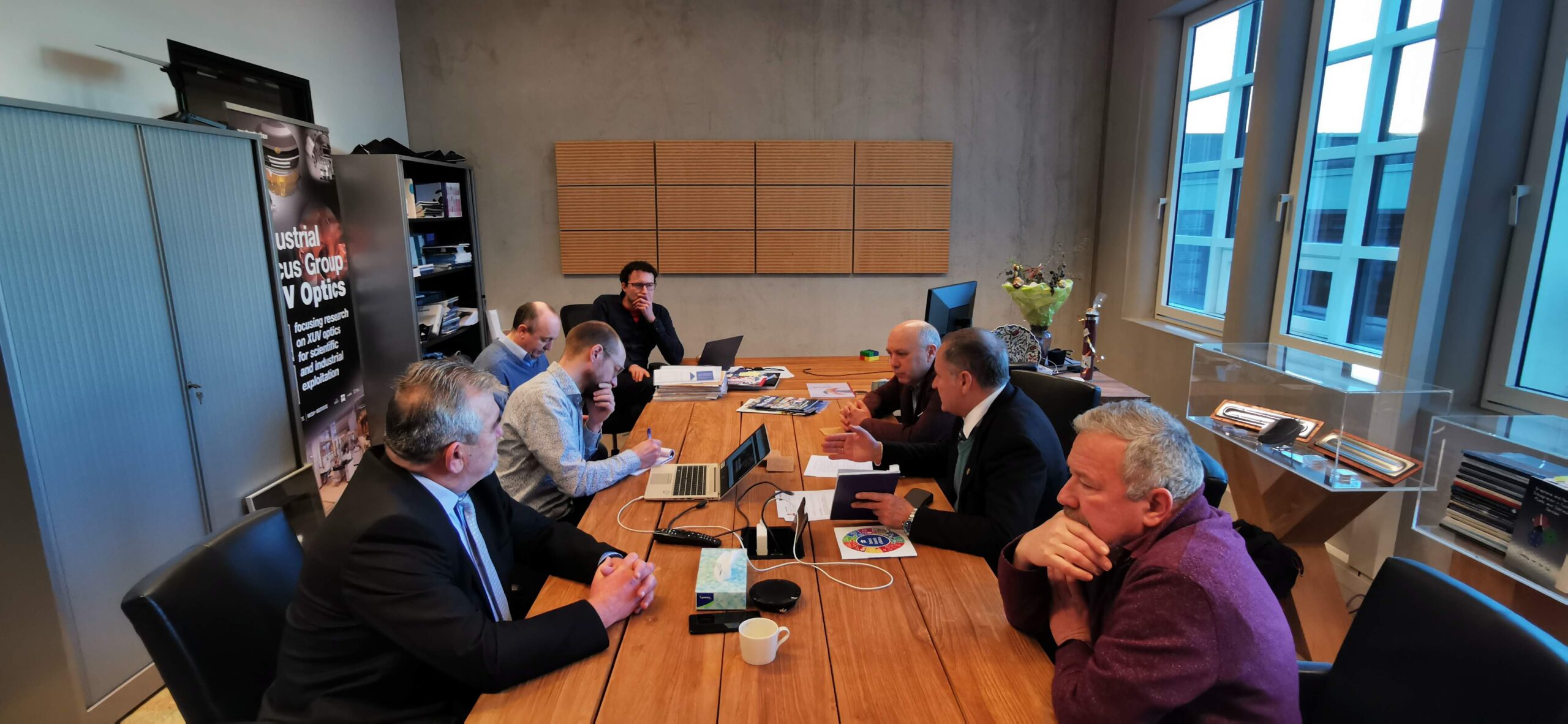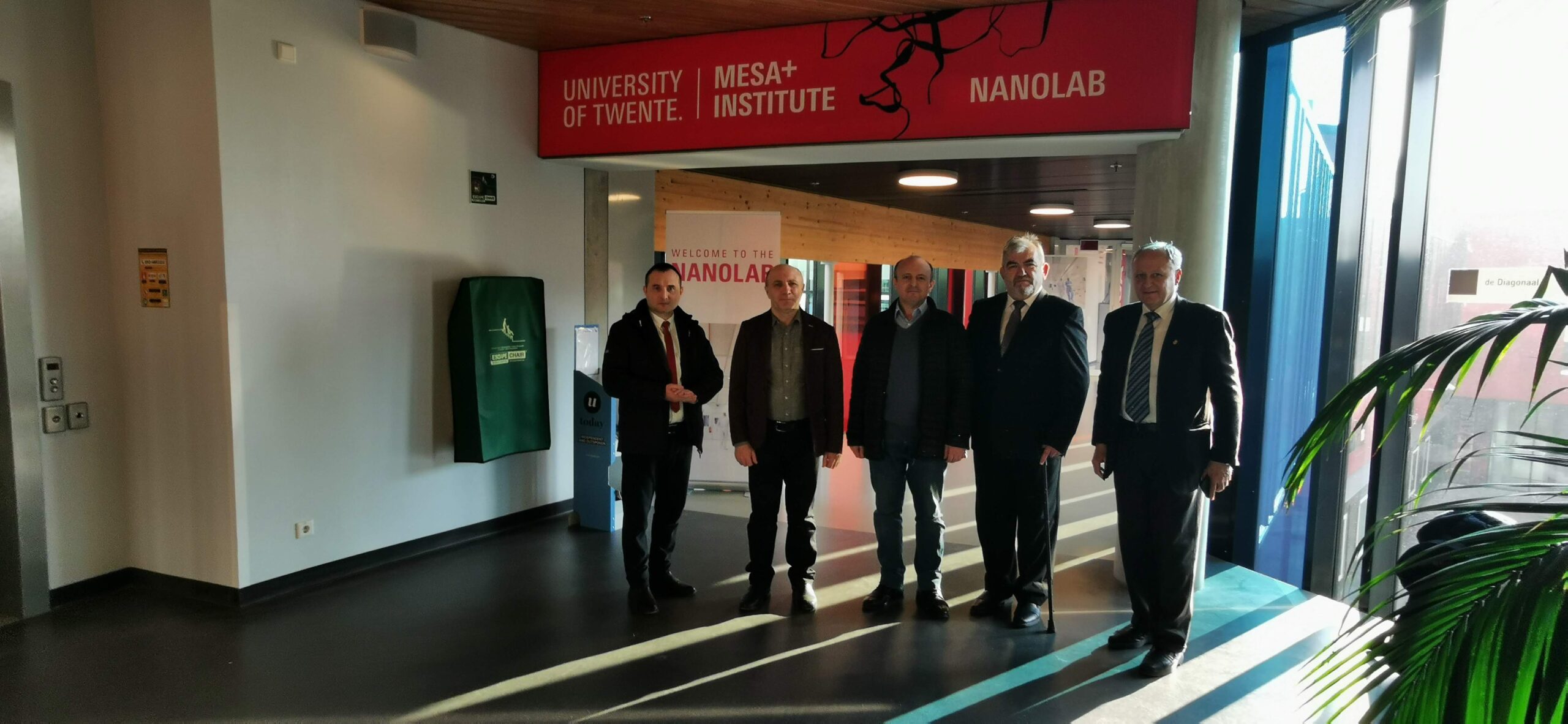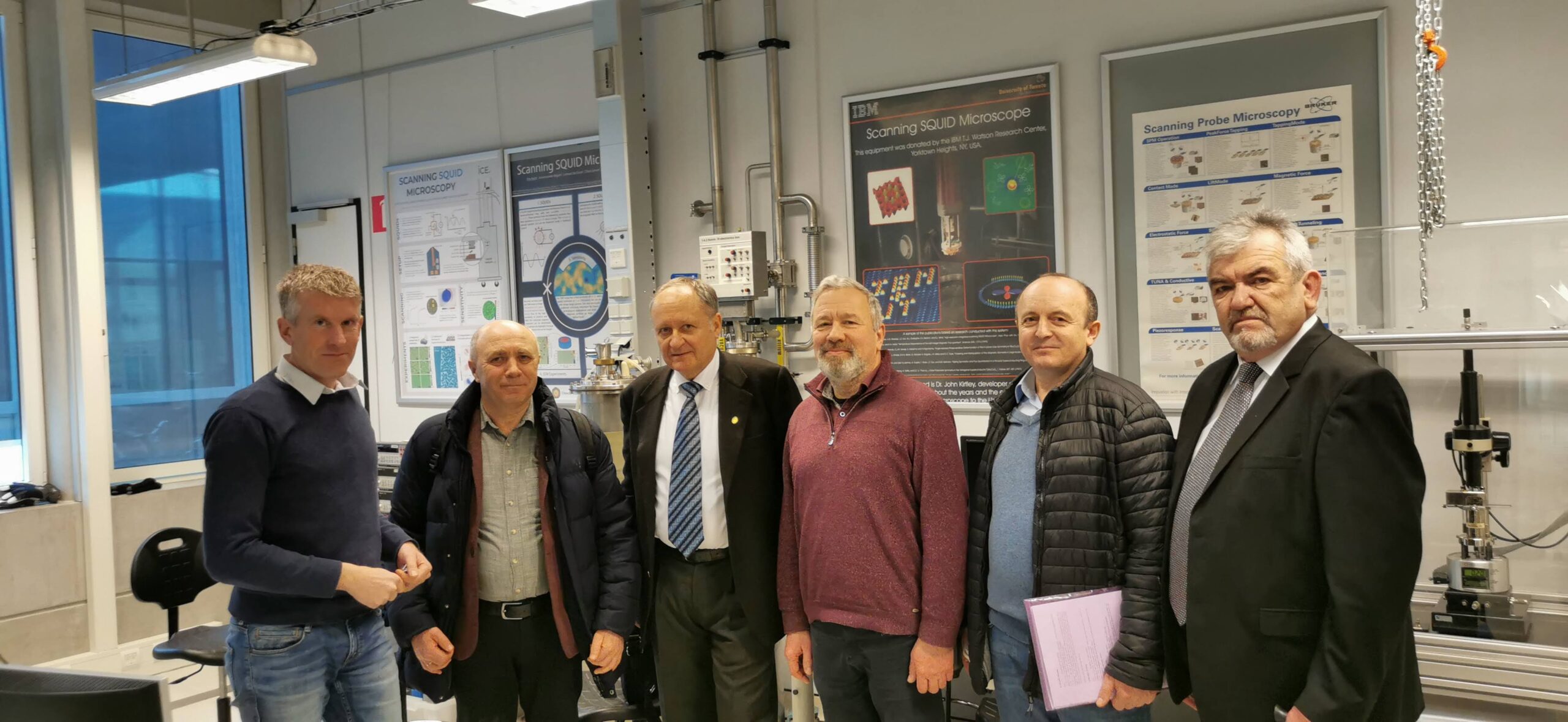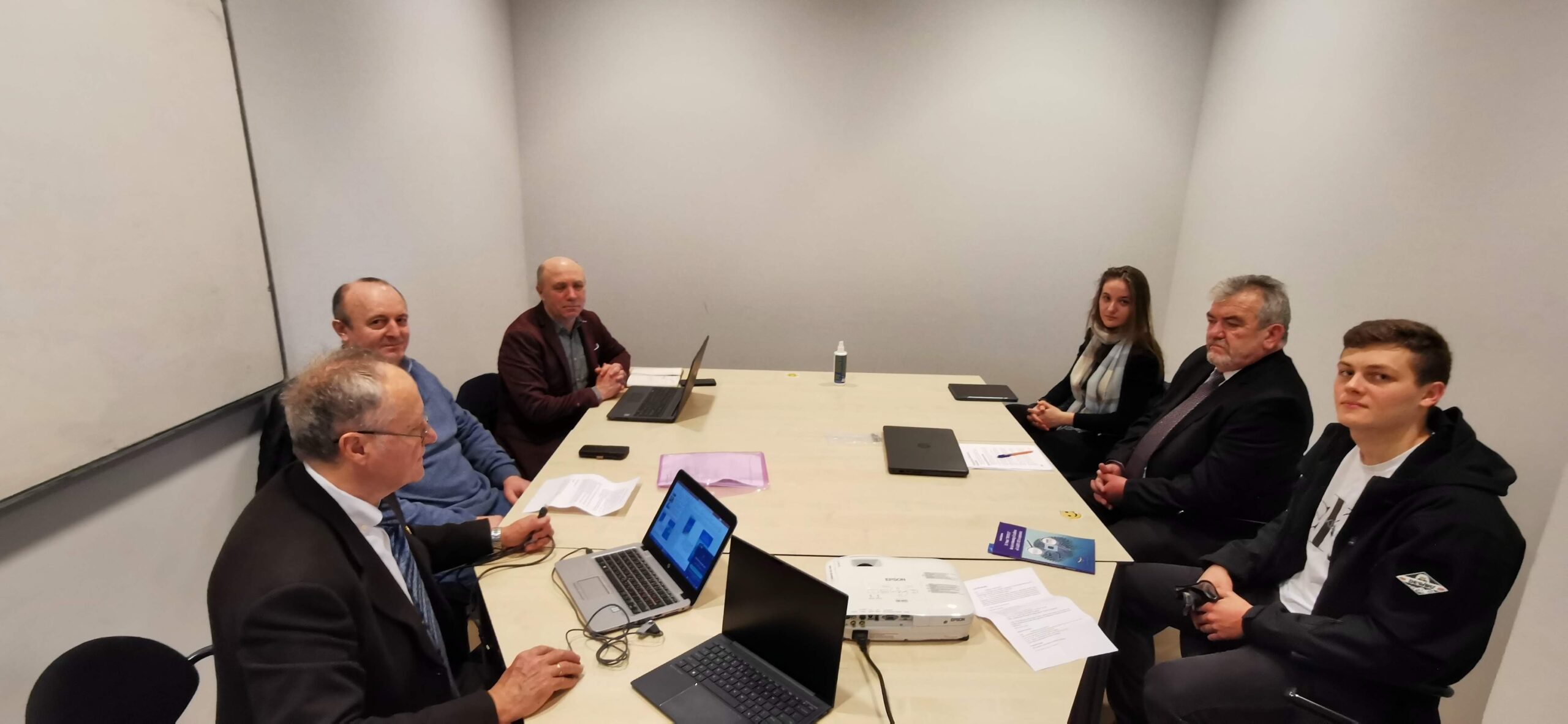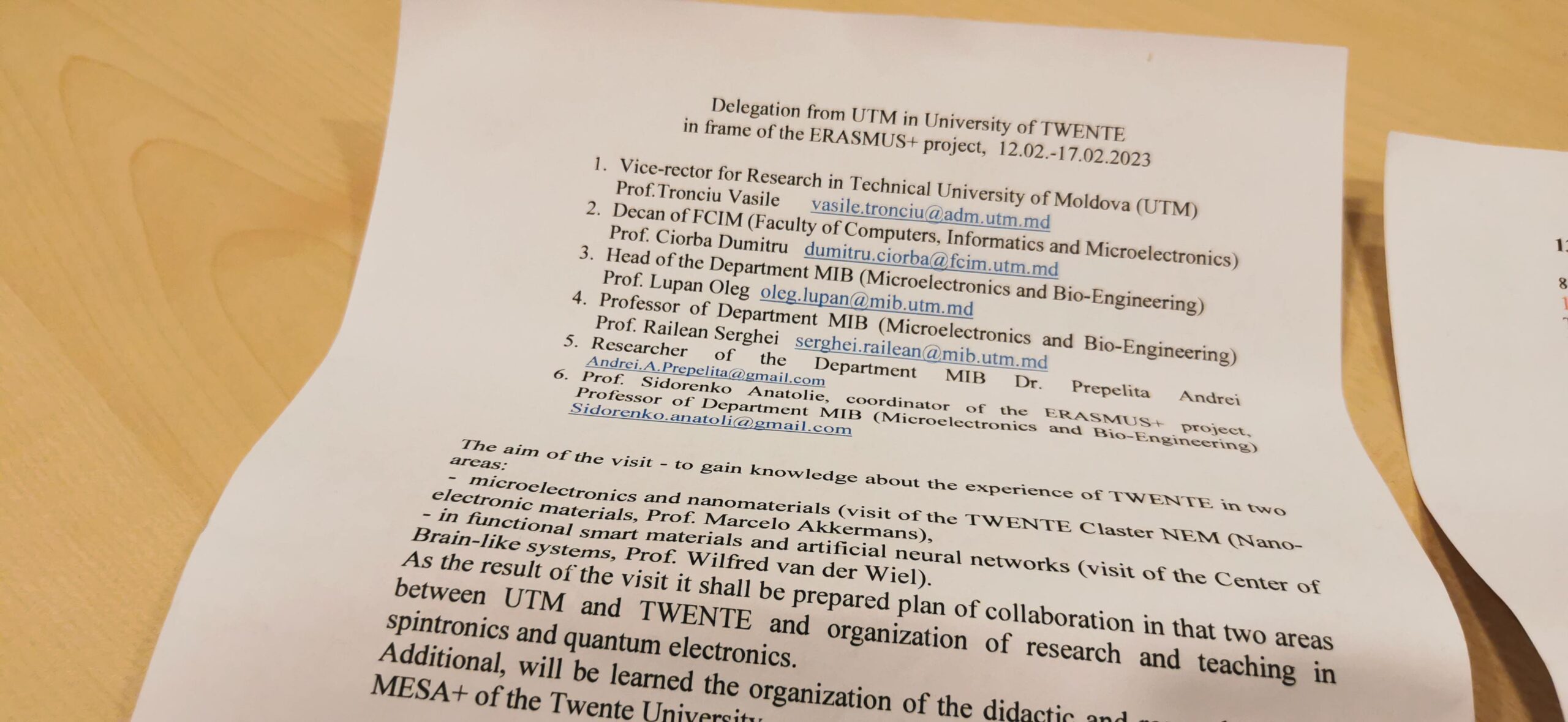

From 12-17 February, a delegation from the Technical University of Moldova consisting of the vice-rector for Research, Dr. habil. Vasile TRONCIU; the dean of FCIM, Dr. Dumitru CIORBĂ; the head of the Department of Microelectronics and Biomedical Engineering (DMIB), Dr. habil. Oleg LUPAN; the responsible for the DMIB Microelectronics and Nanotechnologies programme, Dr. Serghei RAILEAN; DMIB researcher, Dr. Andrei PREPELITA, and SPINTECH and Erasmus+ project coordinator, Prof. Anatolie SIDORENKO, is visiting the University of Twente in the Kingdom of the Netherlands, as part of the ERASMUS+ project.
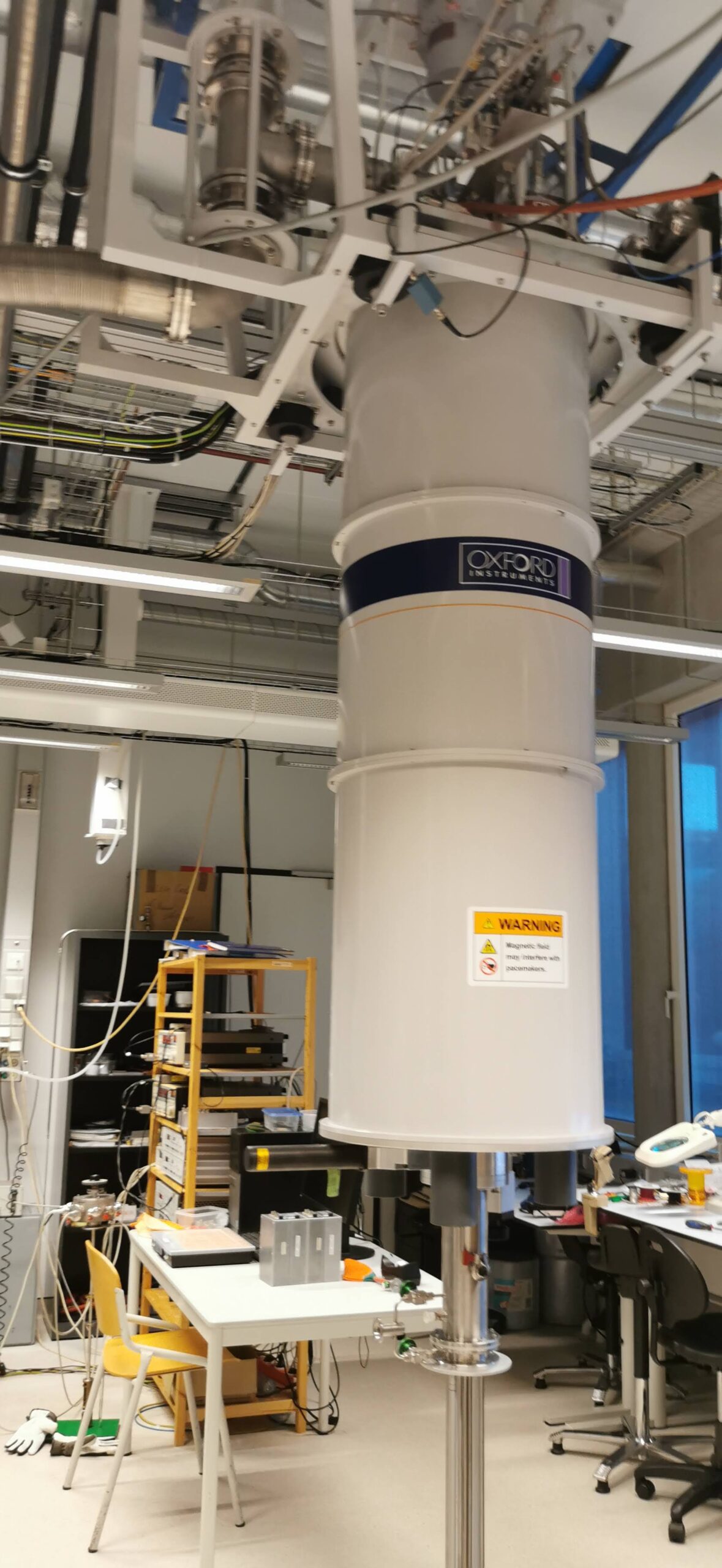
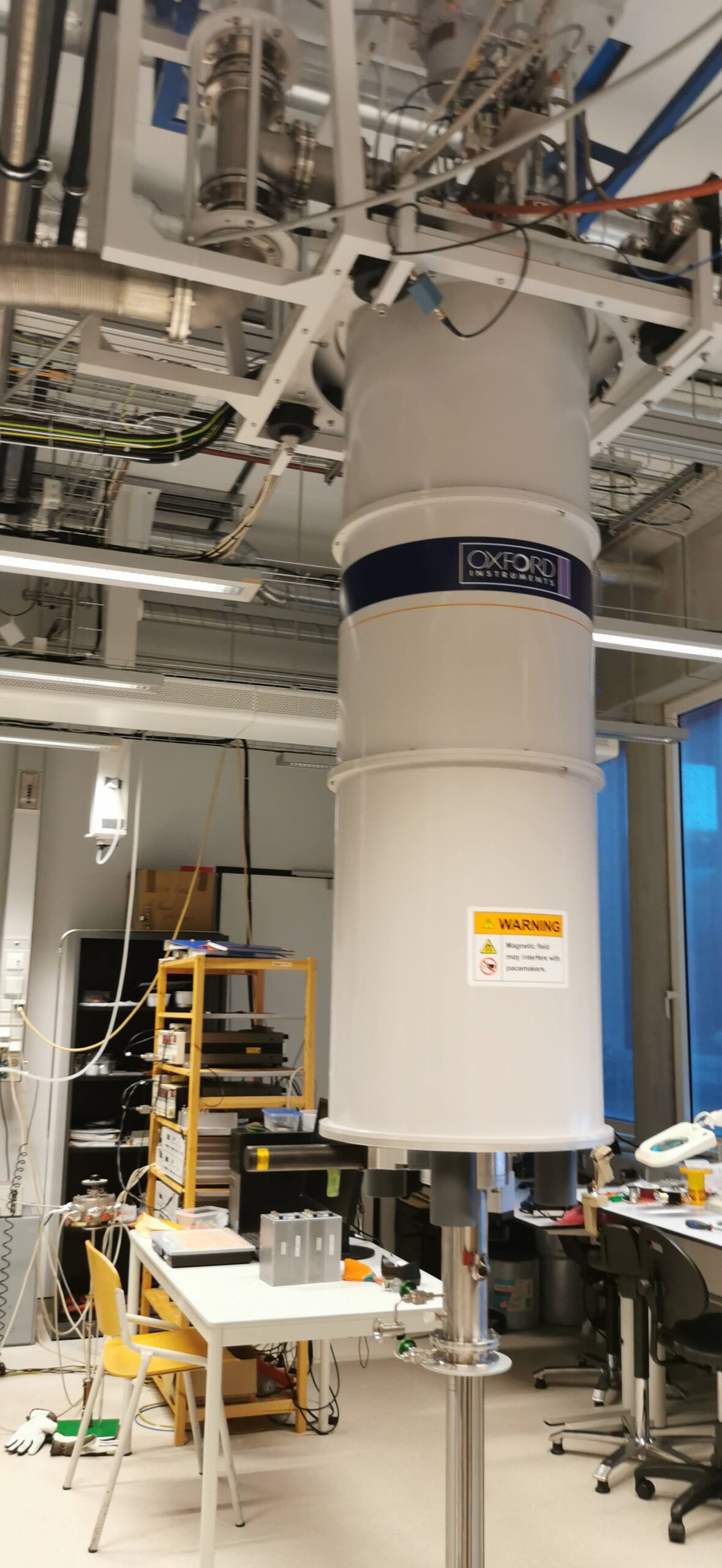
The mission of the UTM delegation is to learn from the expertise of the University of Twente in the fields of microelectronics and nanomaterials, functional and smart materials, and artificial neural networks. The coordinator of the ERASMUS+ visit to the Kingdom of the Netherlands is Dr. Alexander GOLUBOV, Prof. at the Faculty of Science and Technology and member of MESA+ Institute | University of Twente (utwente.nl).
According to the established agenda, the UTM representatives will visit:
- the Center for Brain-Inspired Nano Systems, BRAINS, with a view to initiating a collaboration with Prof. Hans HILGENKAMP and participating in the Horizon Europe project;
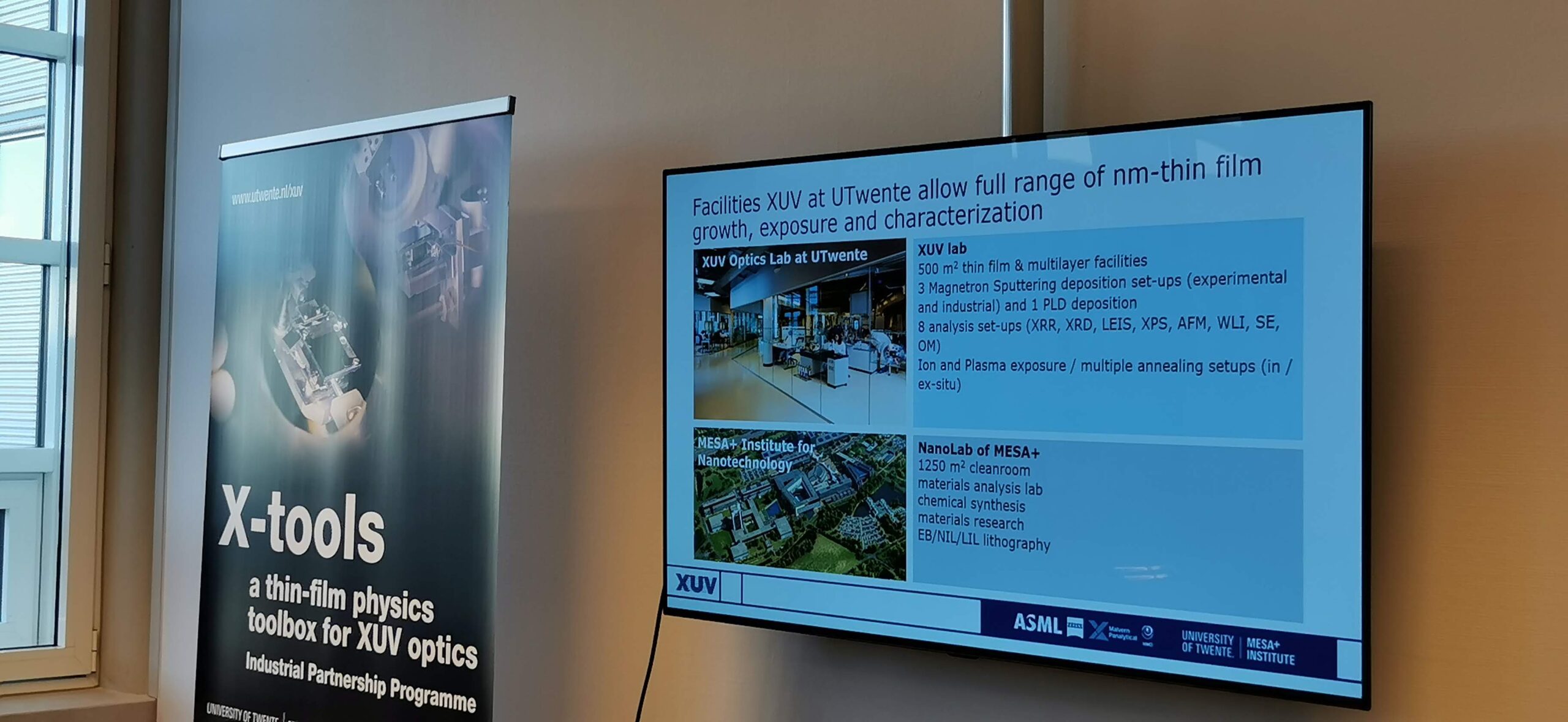
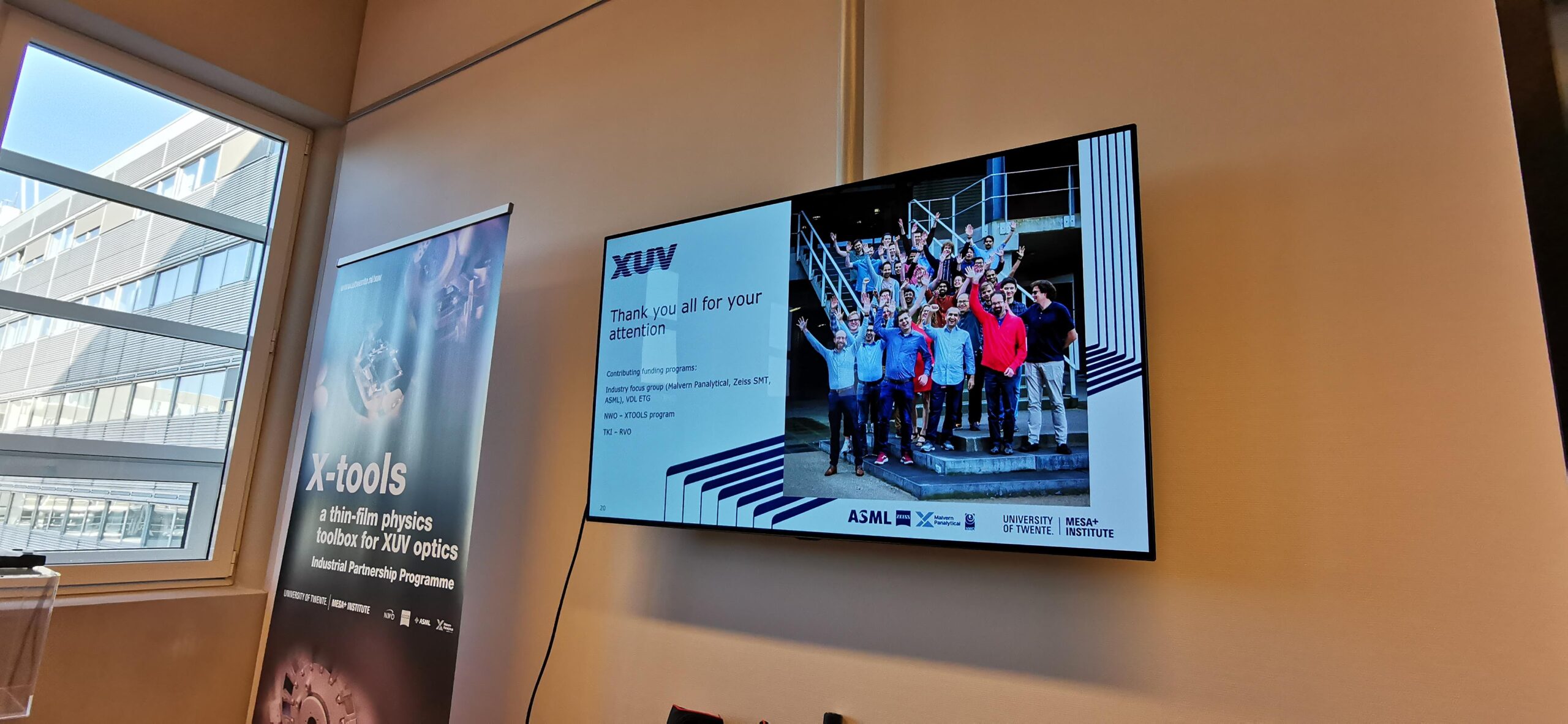
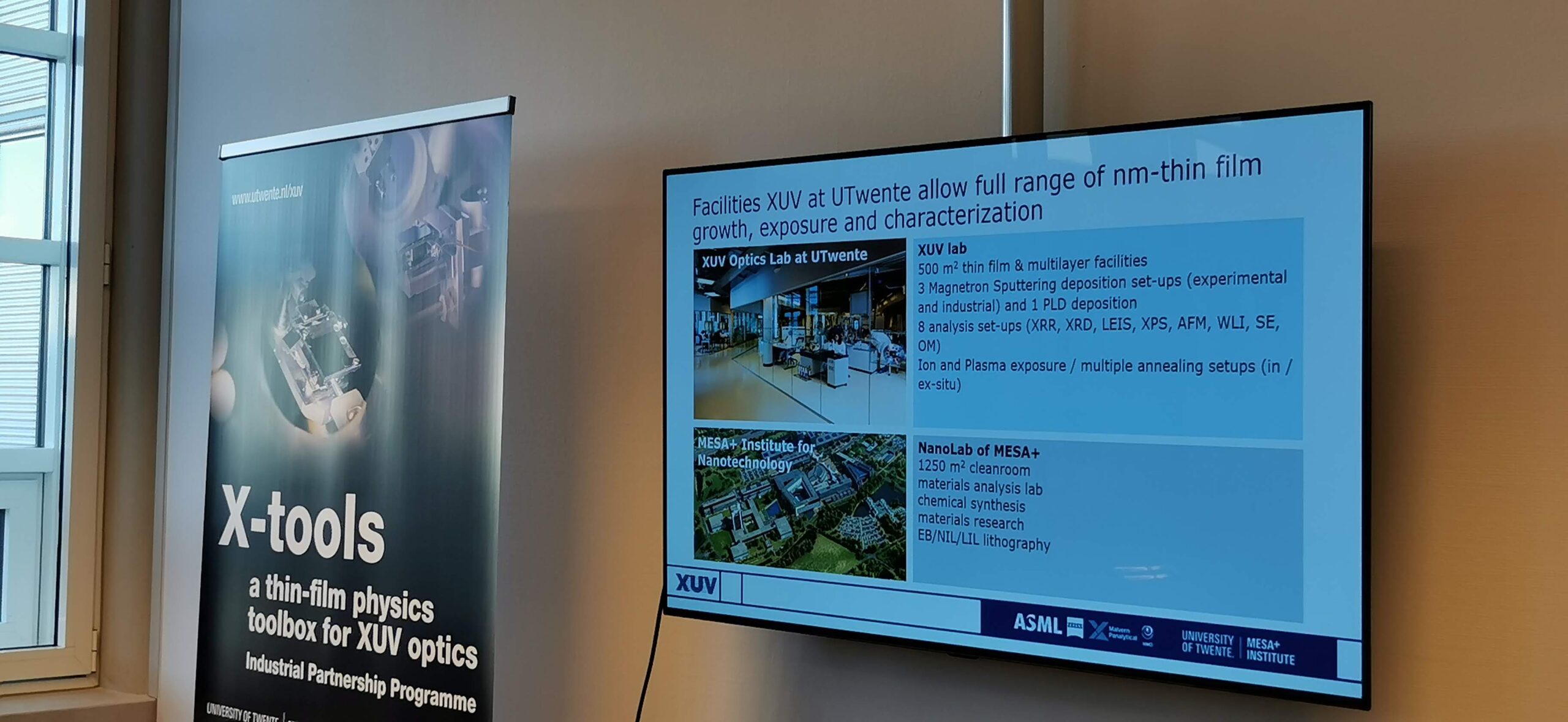
- the TWENTE NEM cluster, in the interest of collaborating with Prof. Marcello ACKERMANN (XUV Optics group);
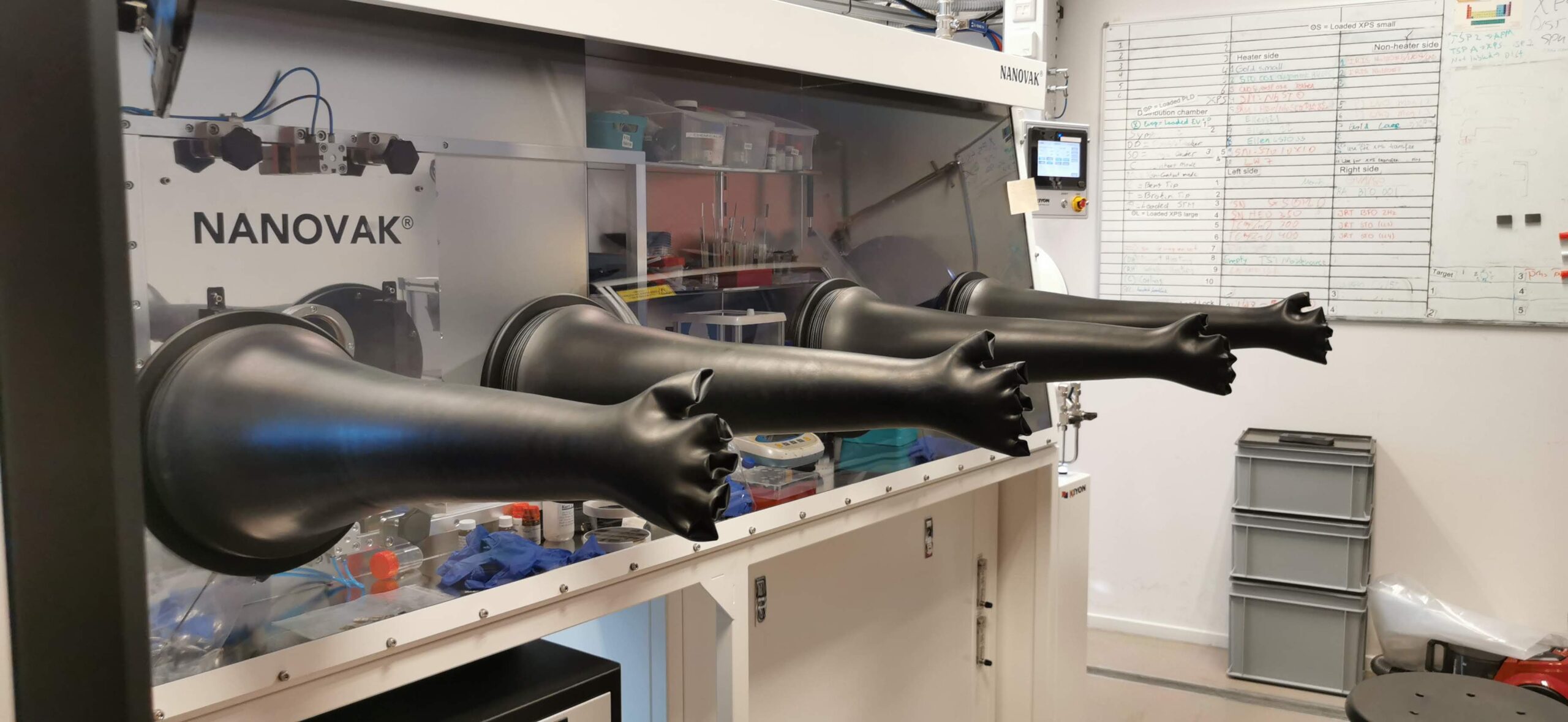
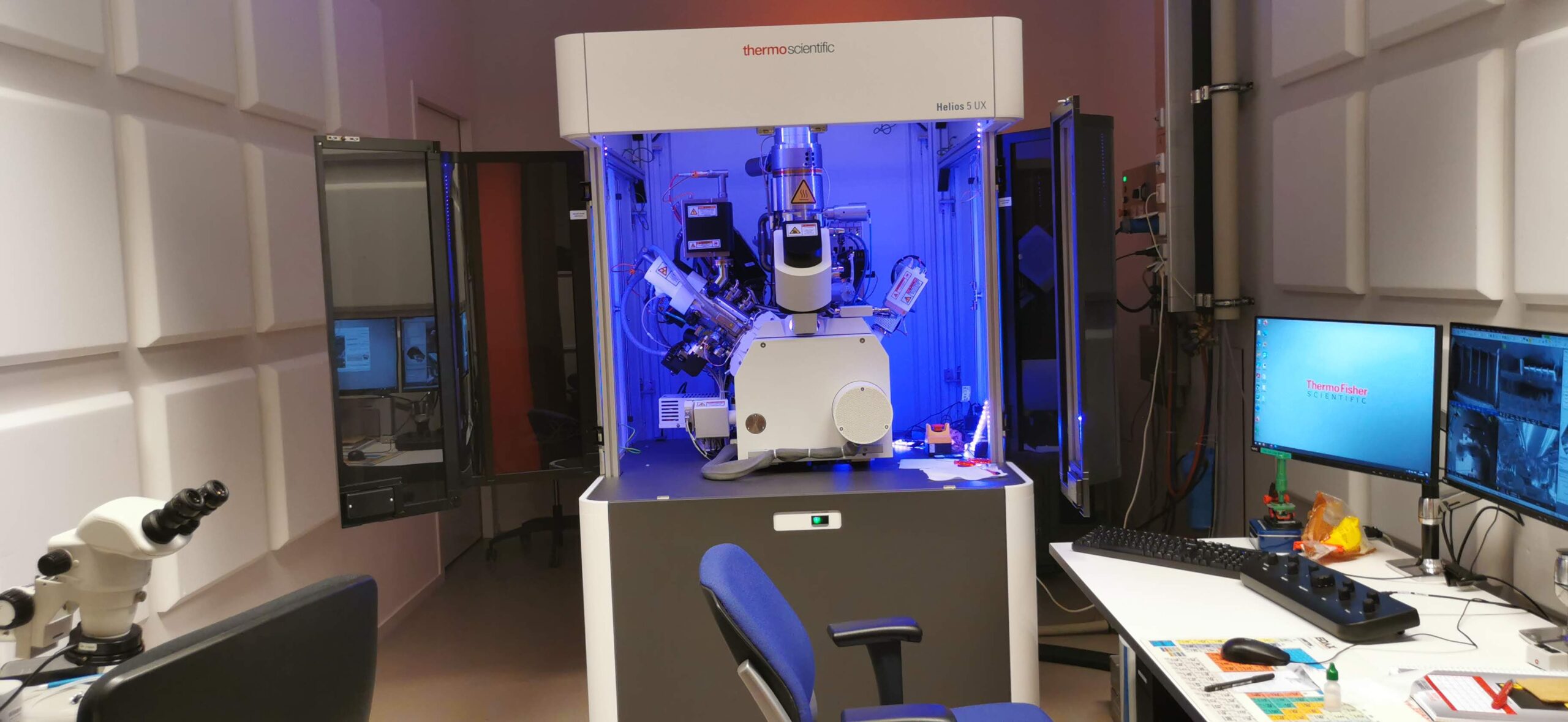
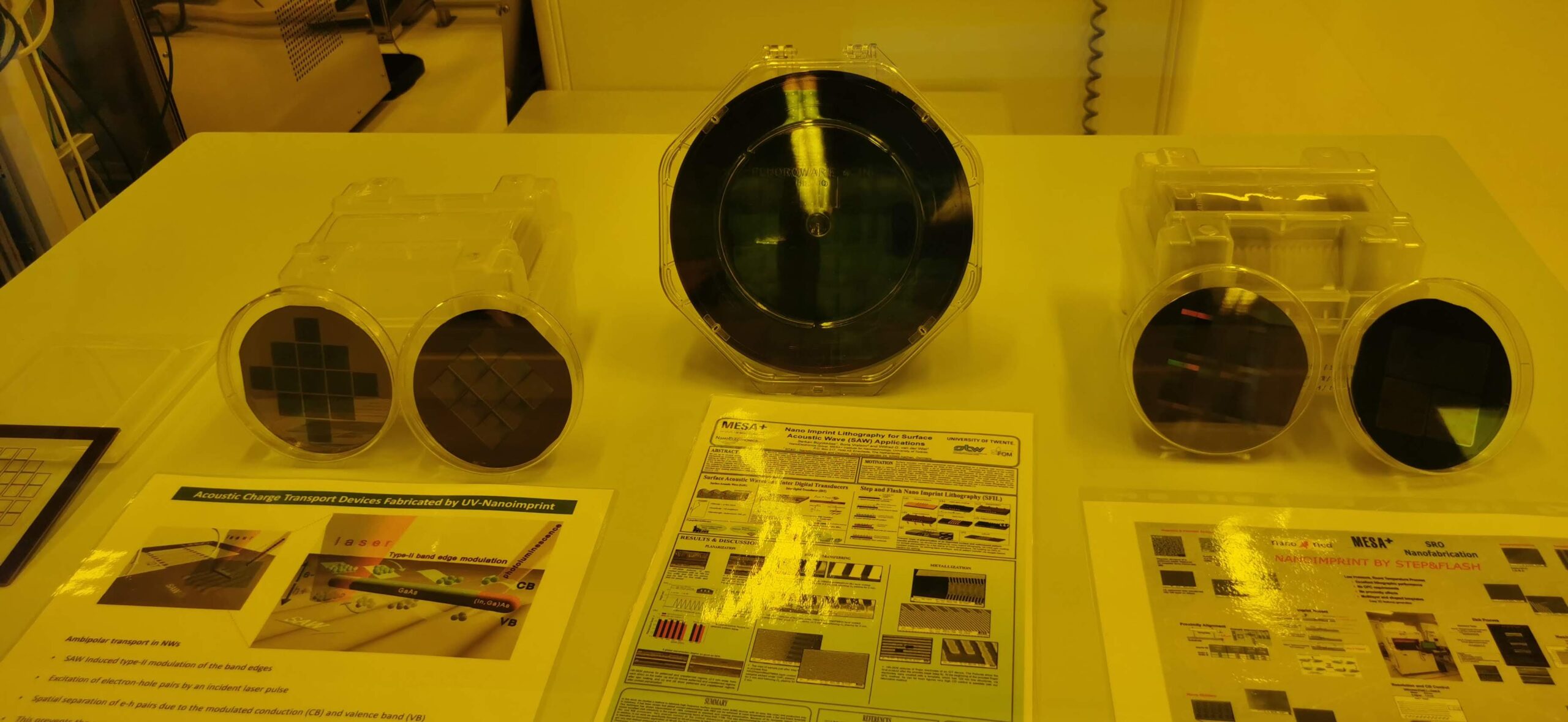
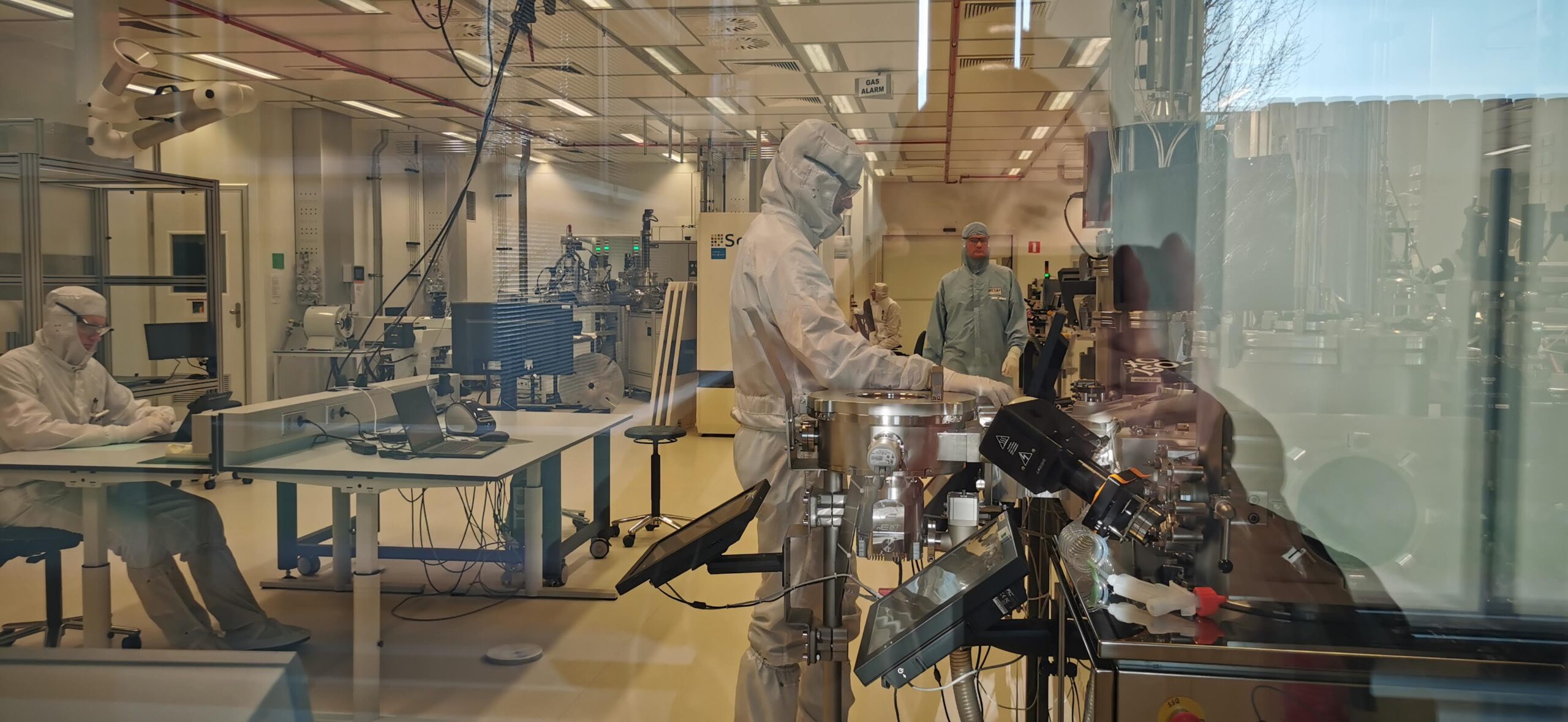
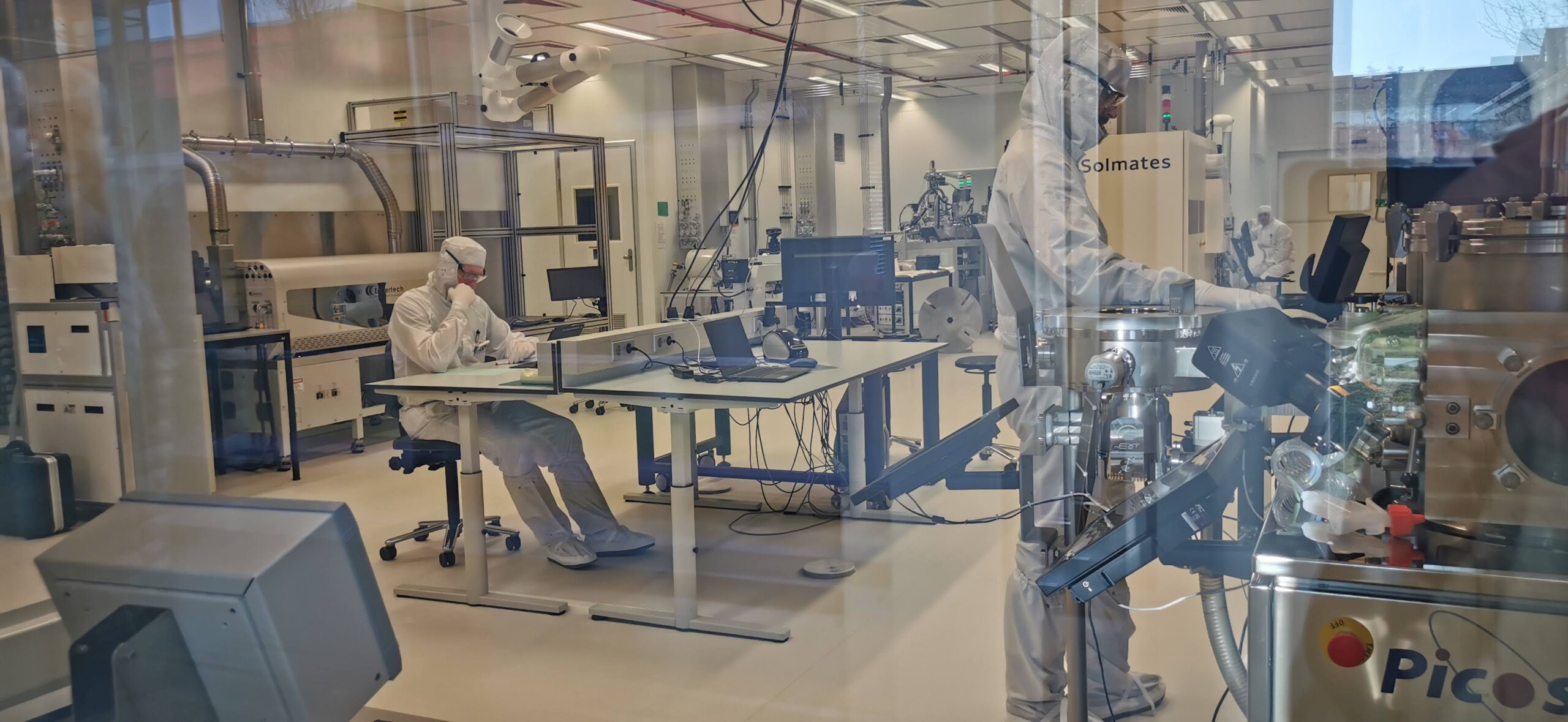
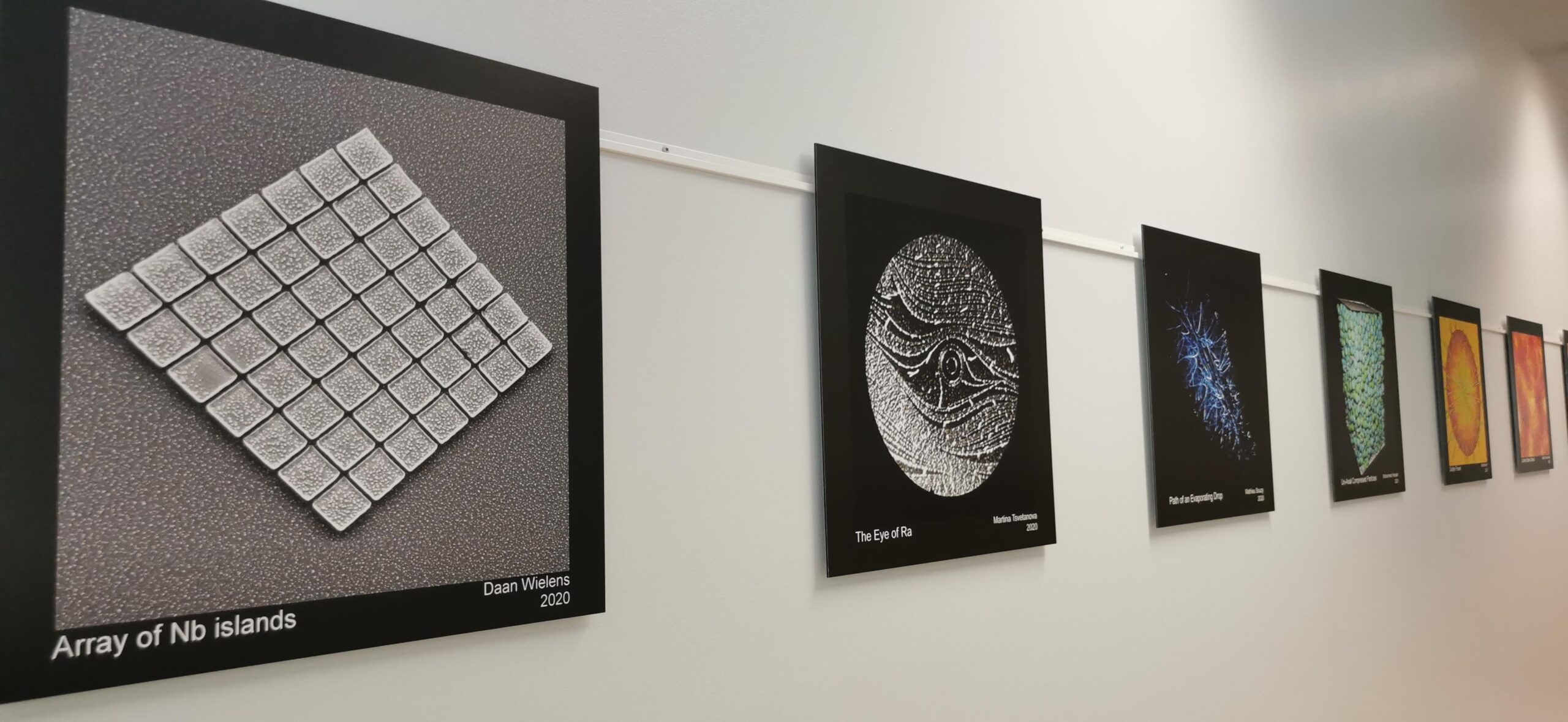
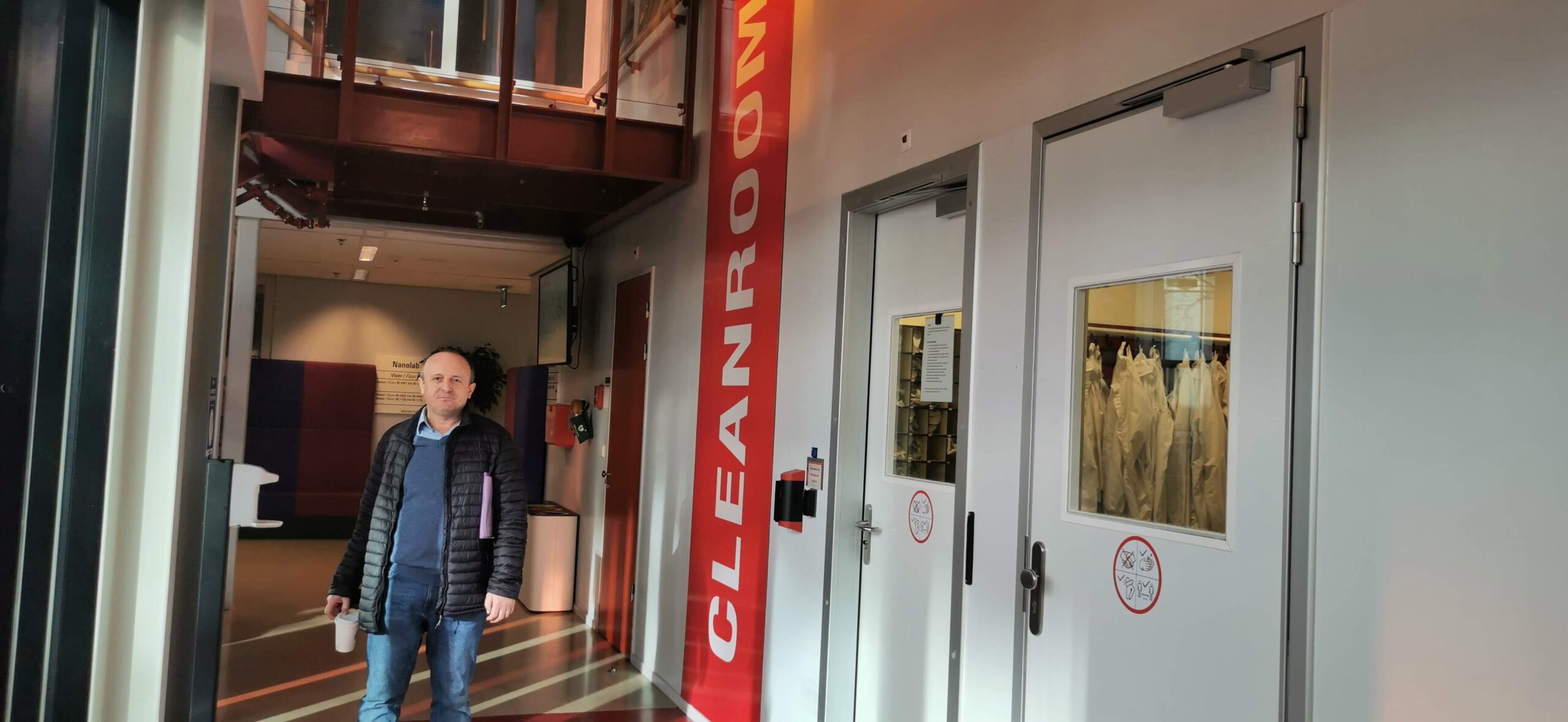
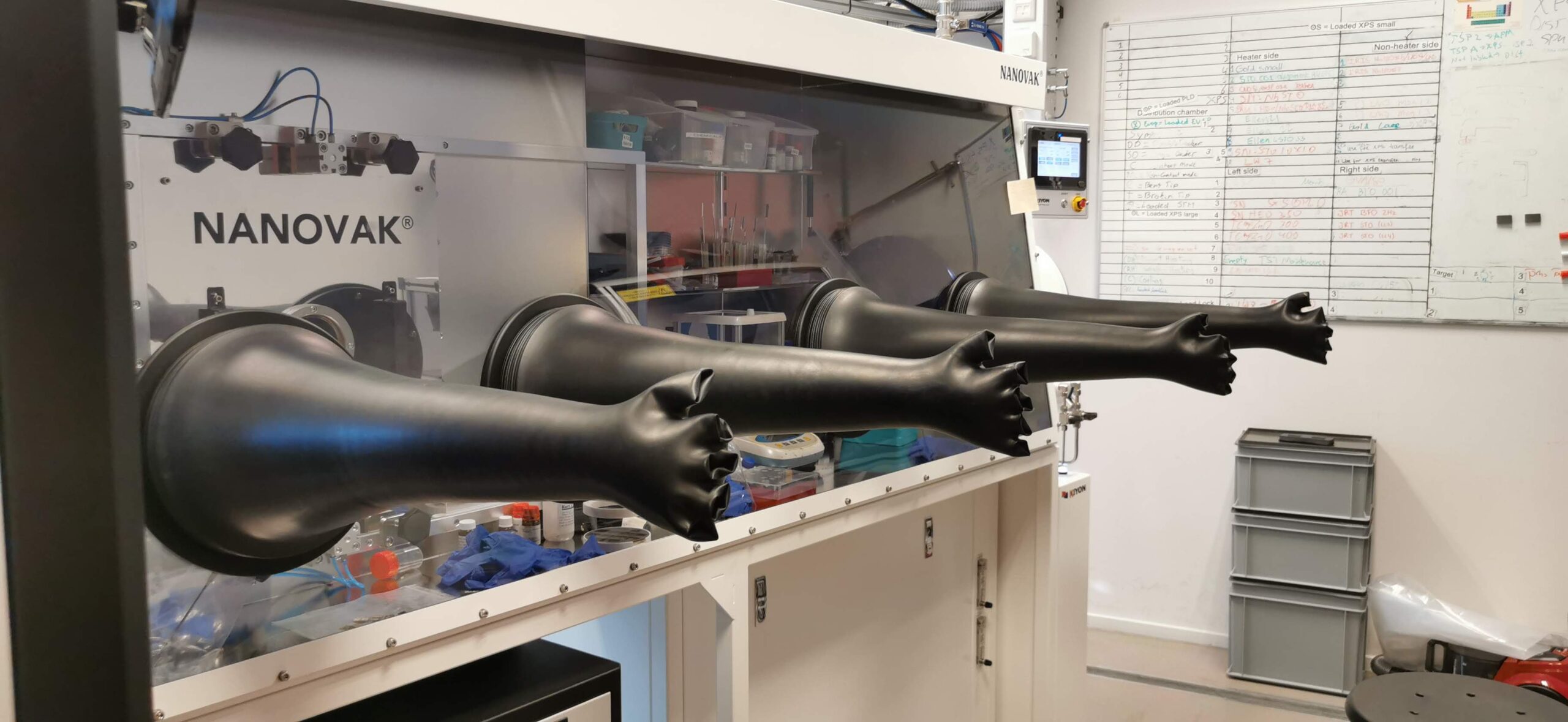
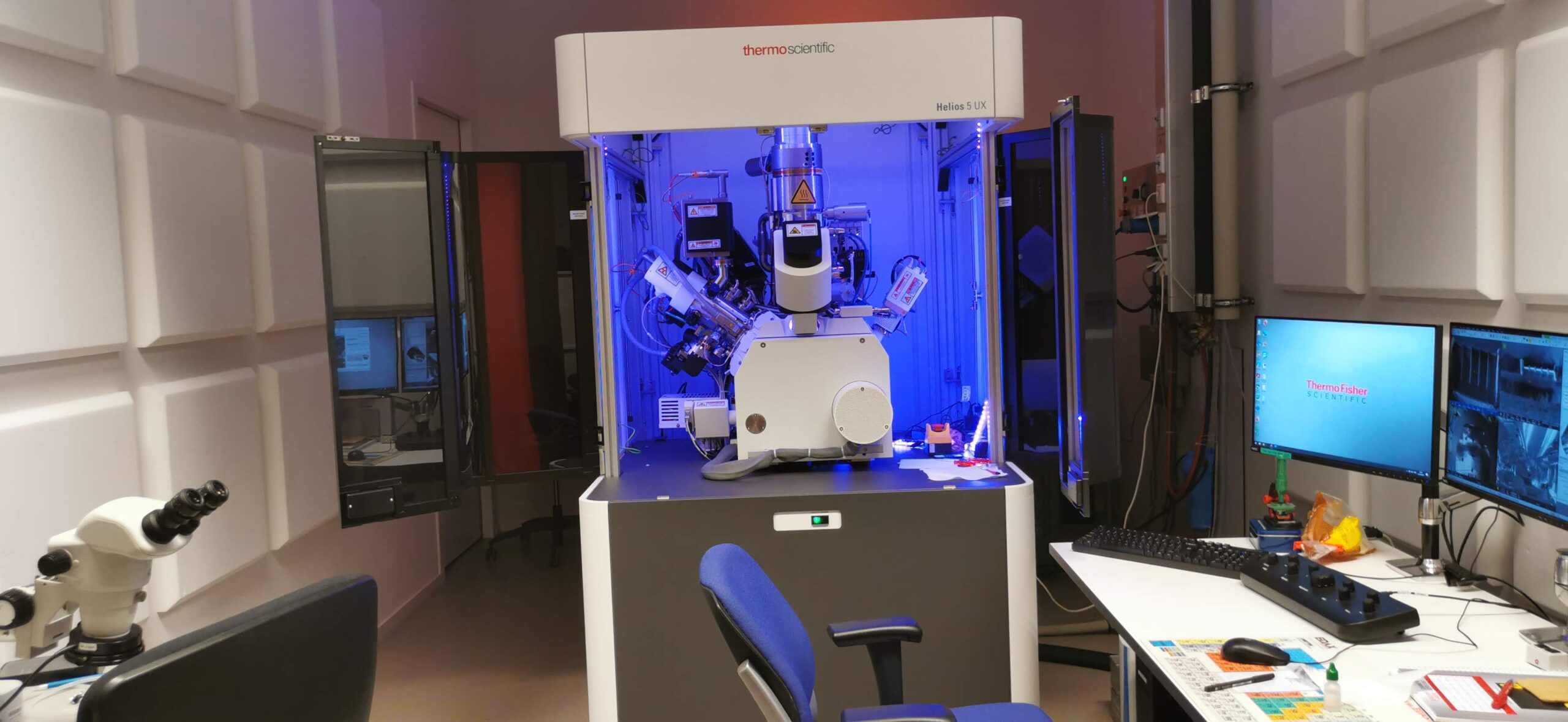
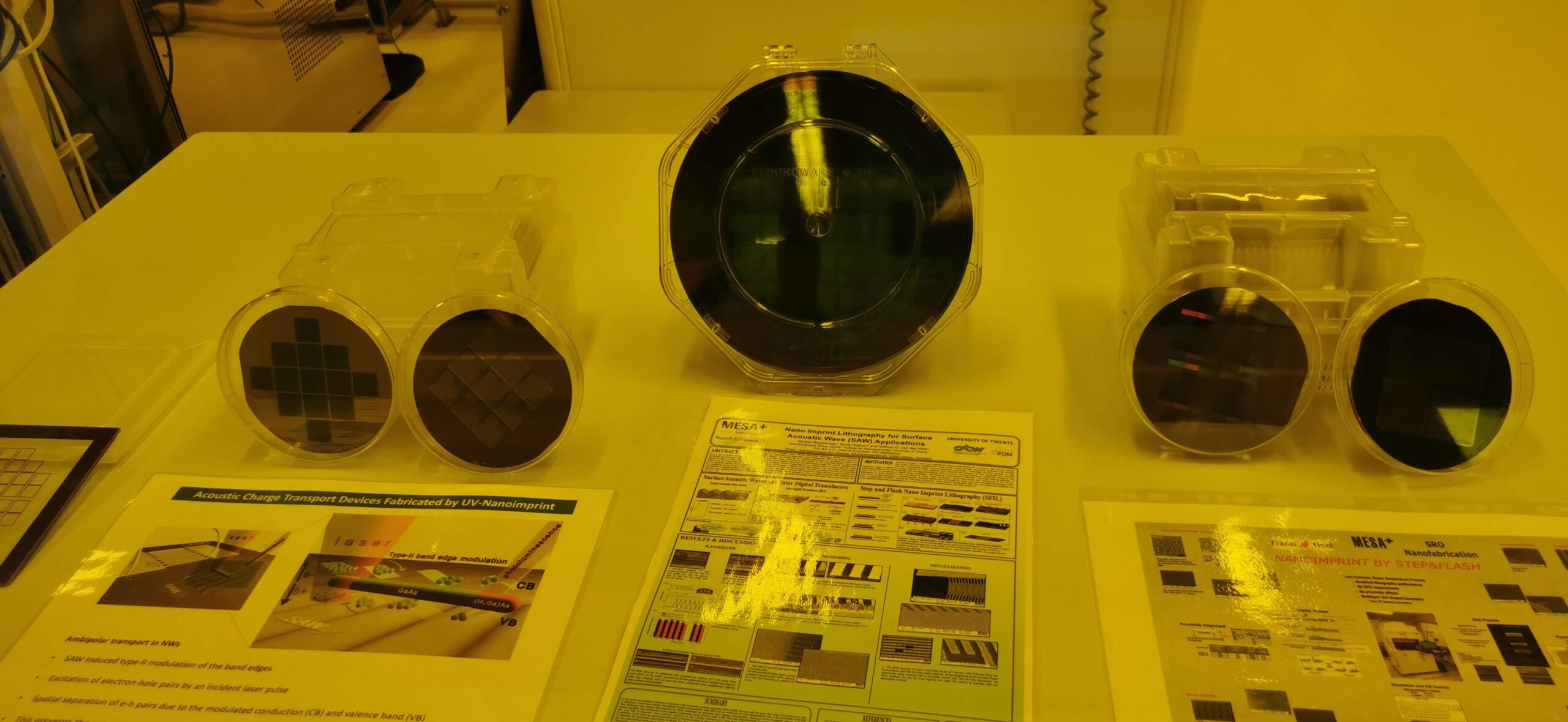
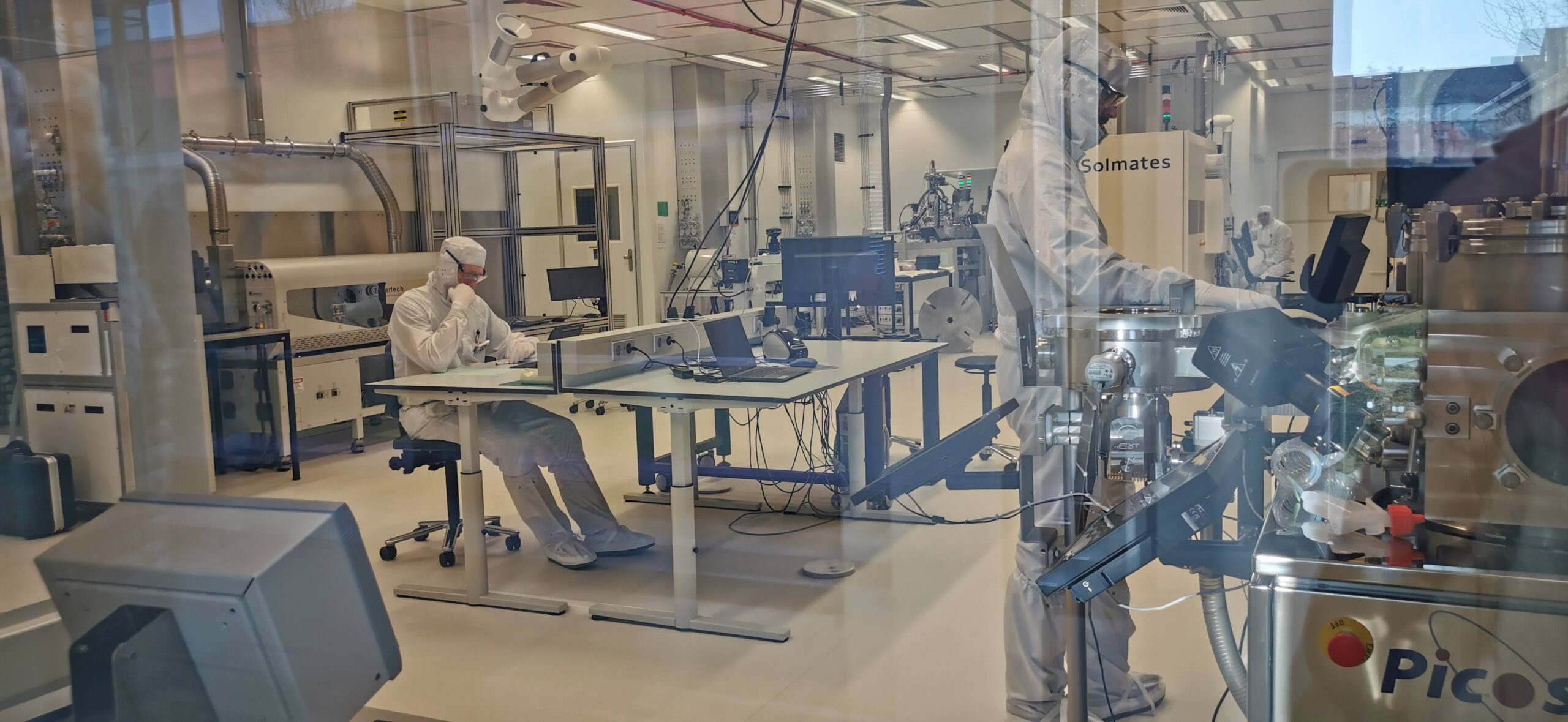
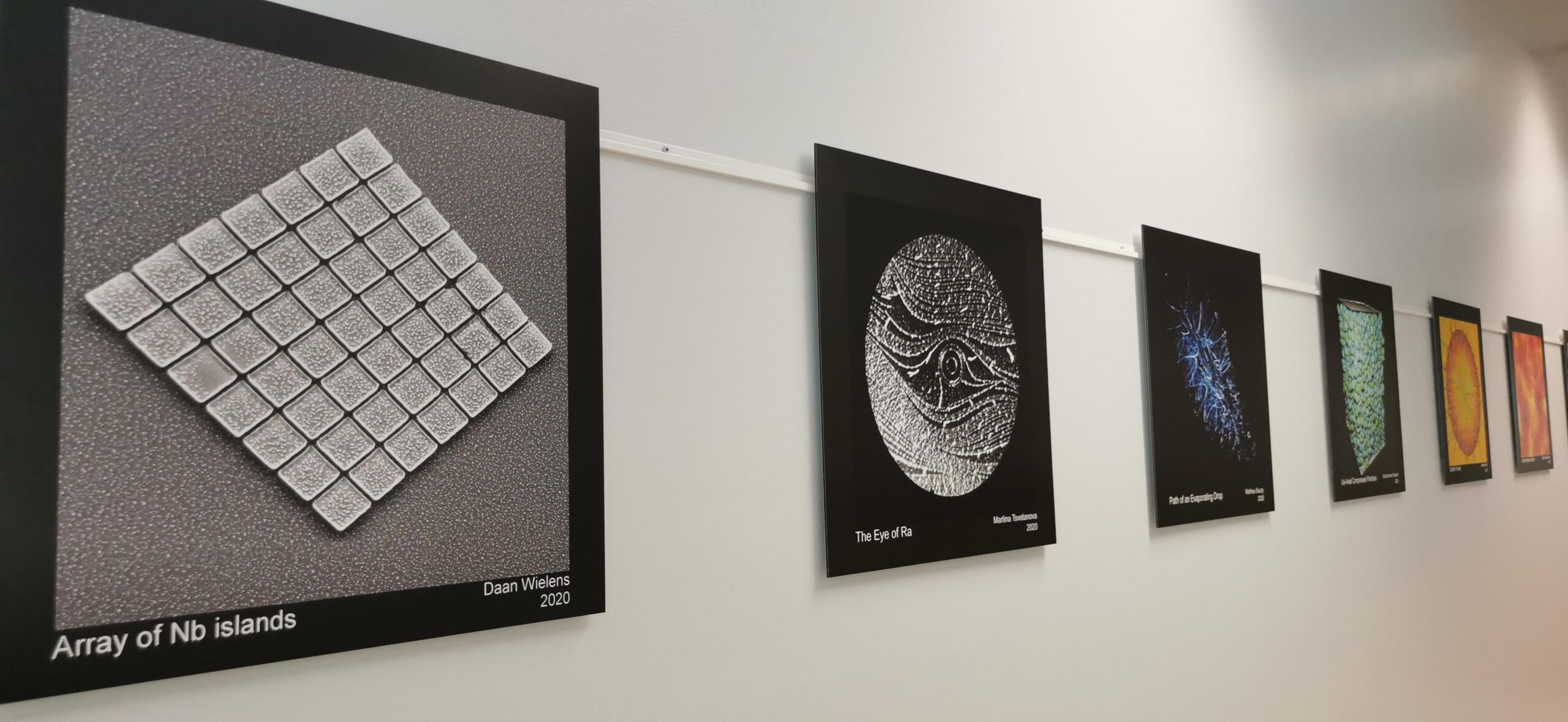
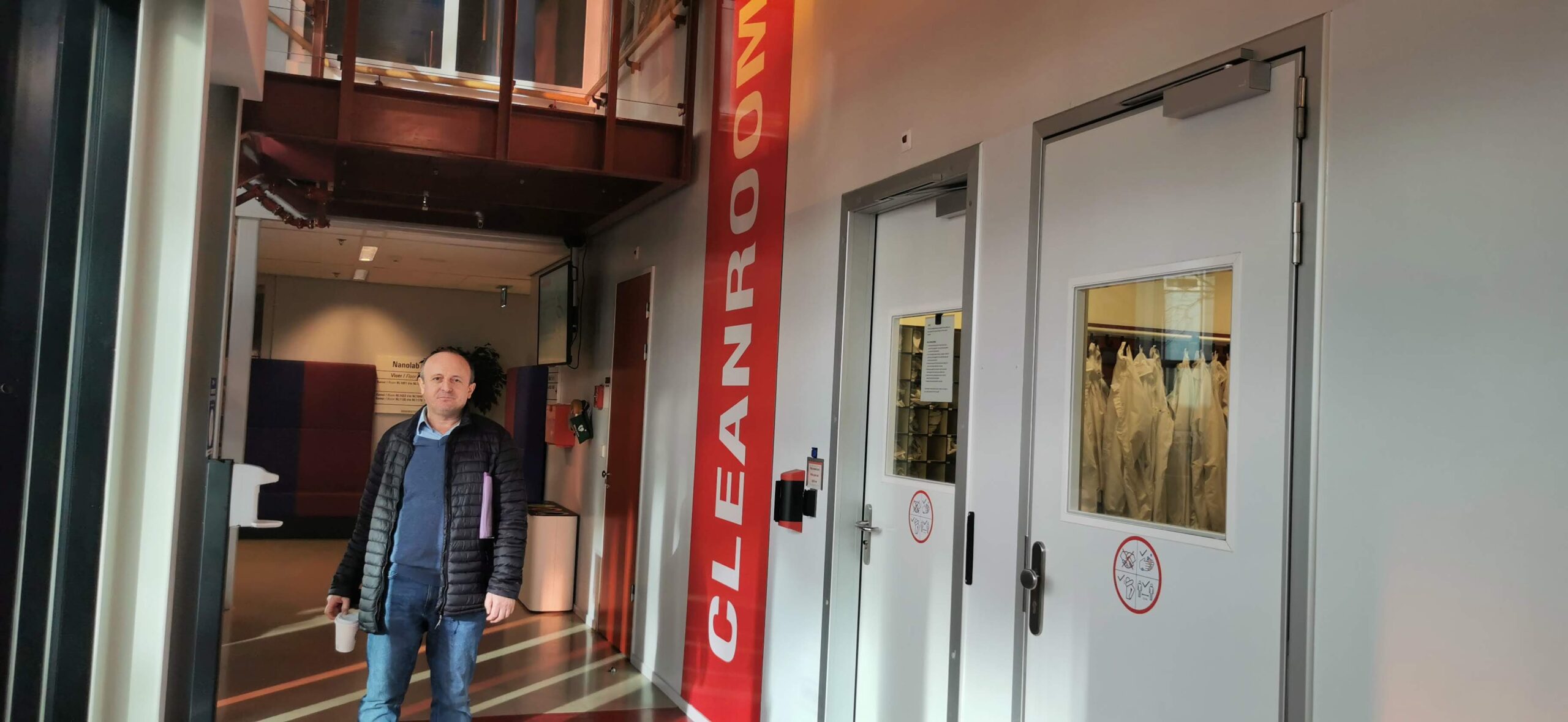
- the laboratories of the MESA+ Institute for Nanotechnology, with the intention of studying the process of organization of teaching and research activities.
The parties will be discussing potential collaborations in the field of quantum electronics and spintronics. In pursuance of technological advancement, the signing of a partnership agreement between the recognized Western and Eastern European research centers is also expected.
Spintronics in Moldova
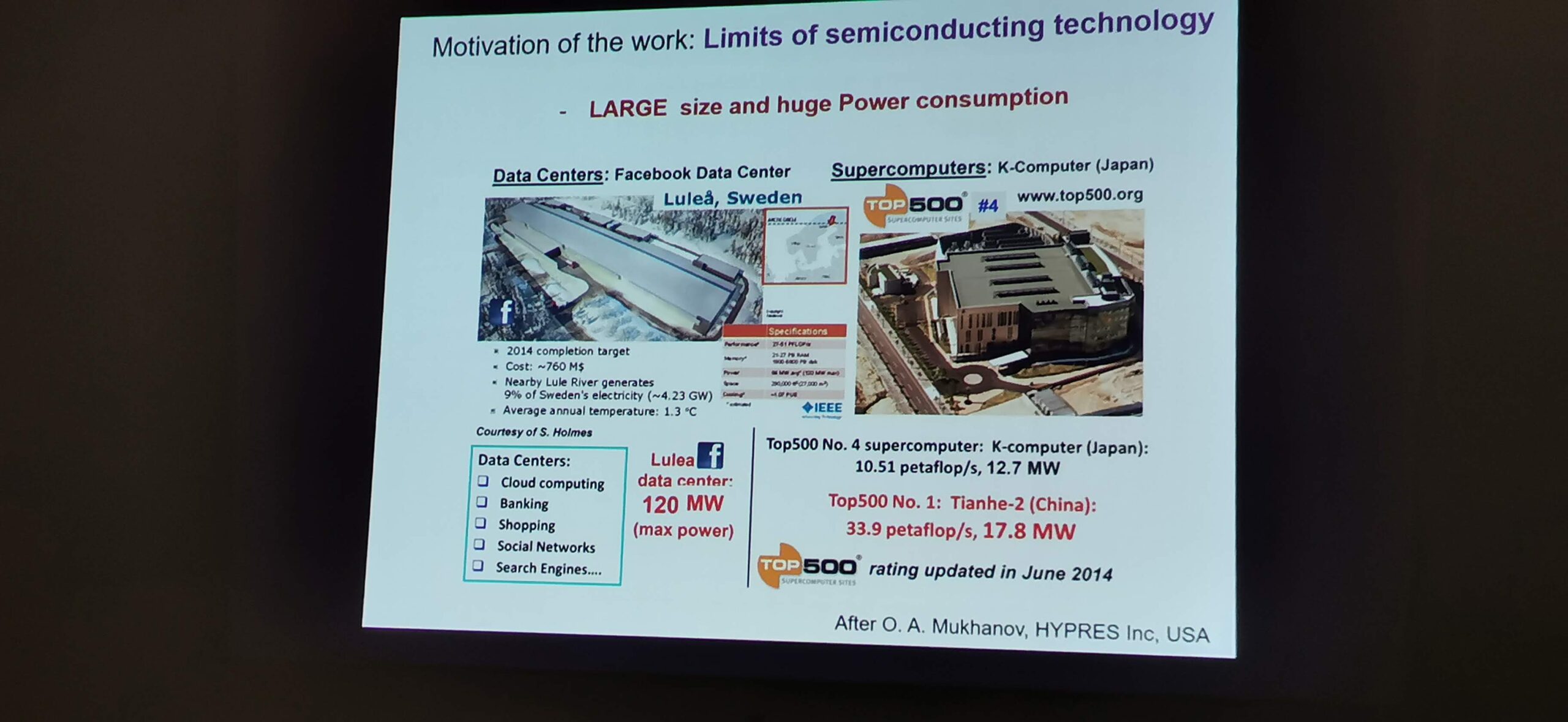
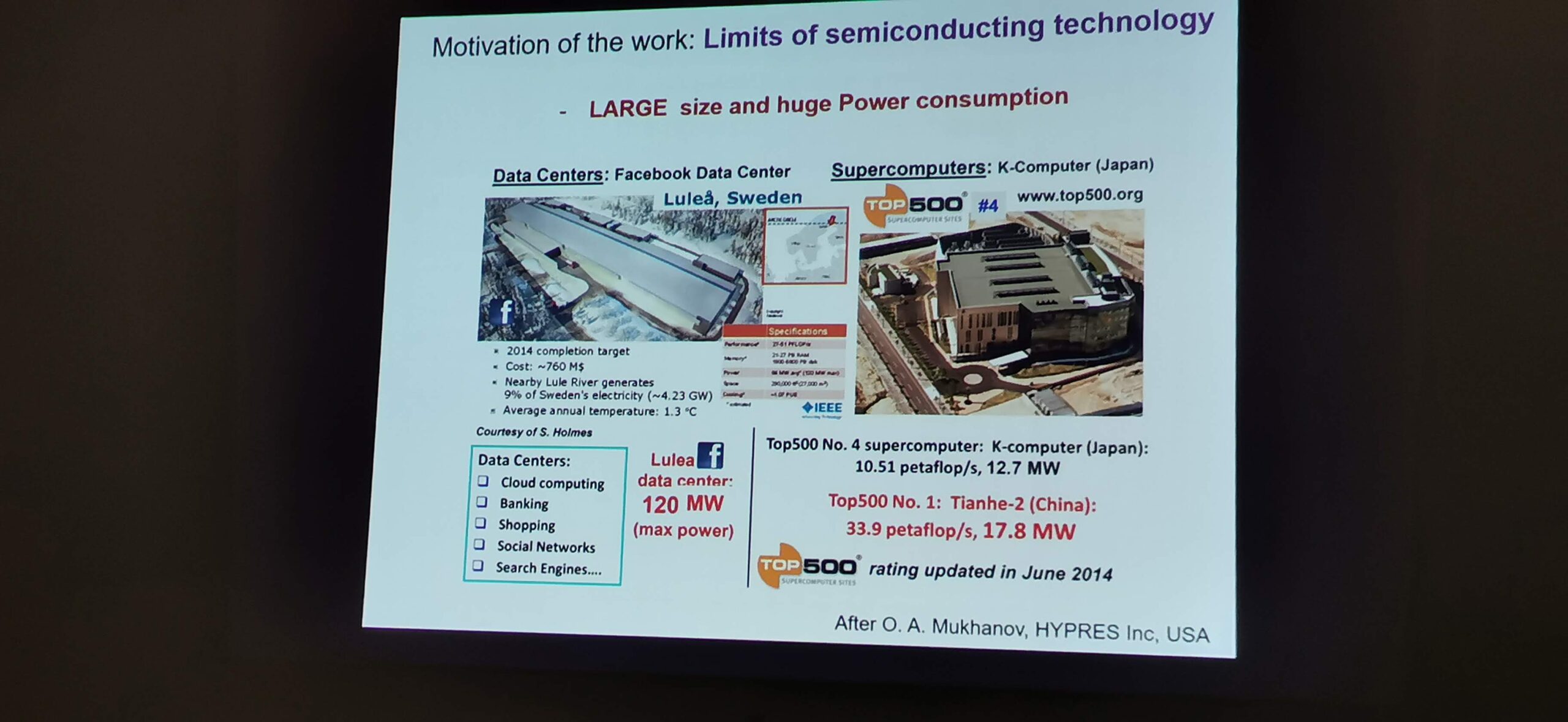
As the world continues to evolve towards a more technologically advanced future, the need for new approaches to computing systems has become increasingly pressing. The limitations and high energy consumption of “traditional” computers have led to the need to look for alternative solutions, one of which is spintronics.
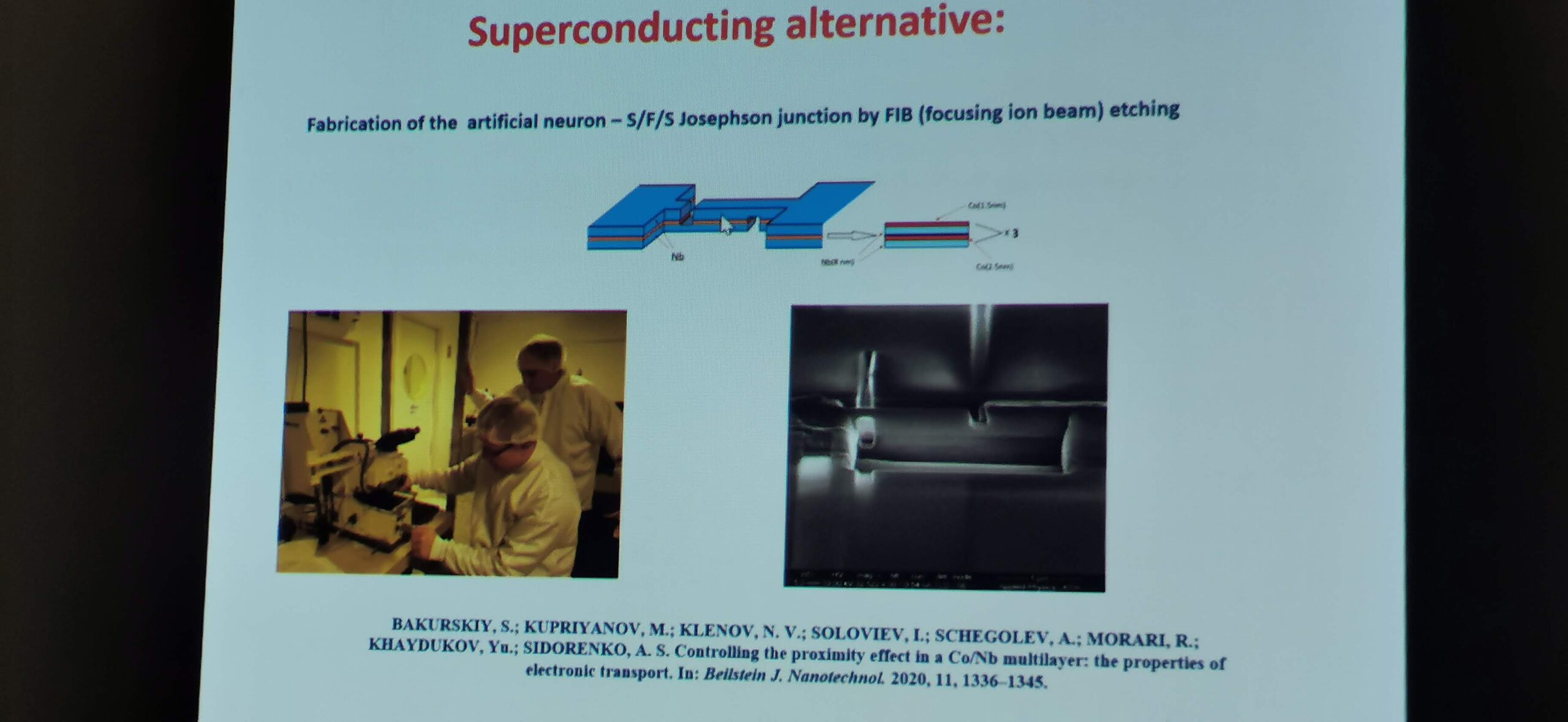
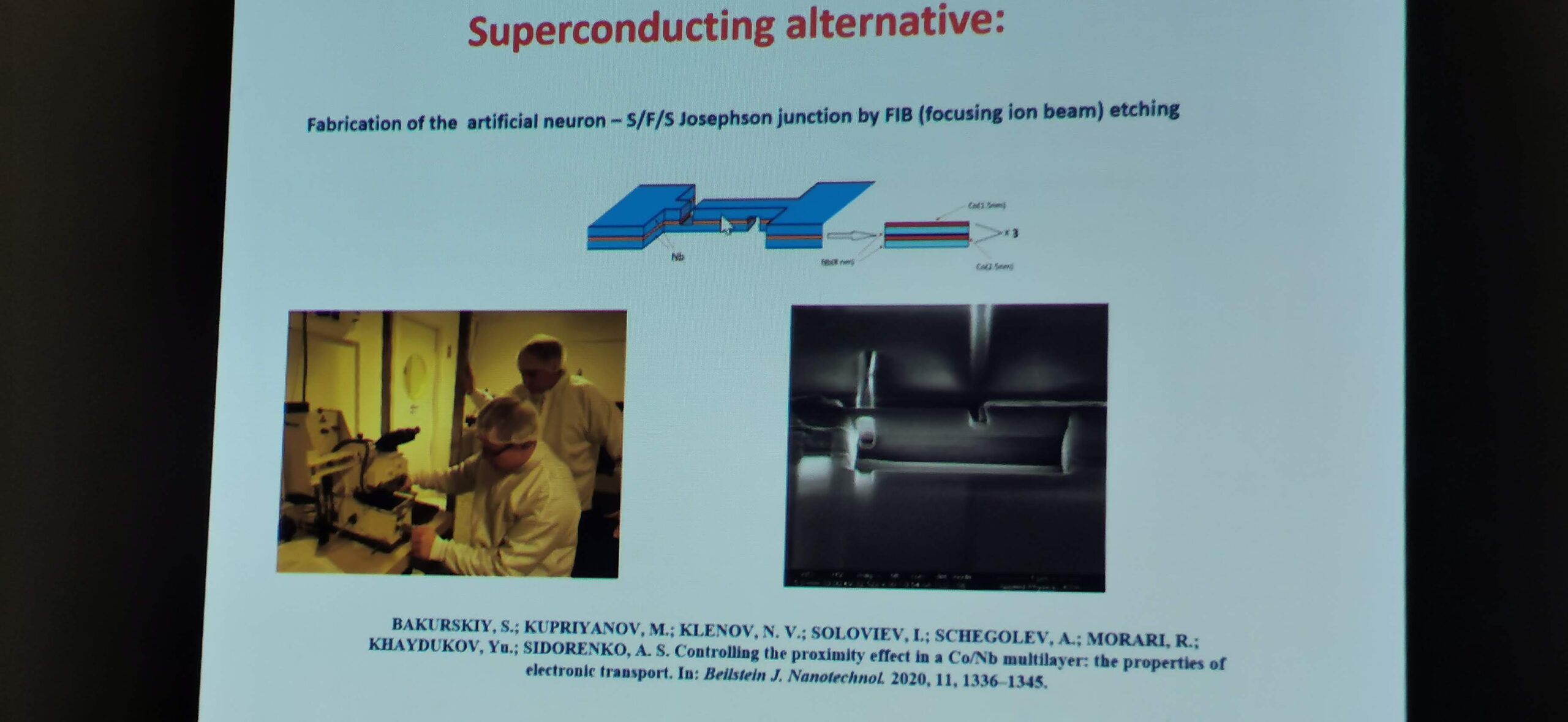
Spintronics, a field that combines the principles of electronics and magnetism, uses the spin of electrons to store and transfer data. This technology has the potential to revolutionize the computing industry by creating more efficient and powerful electronic devices.
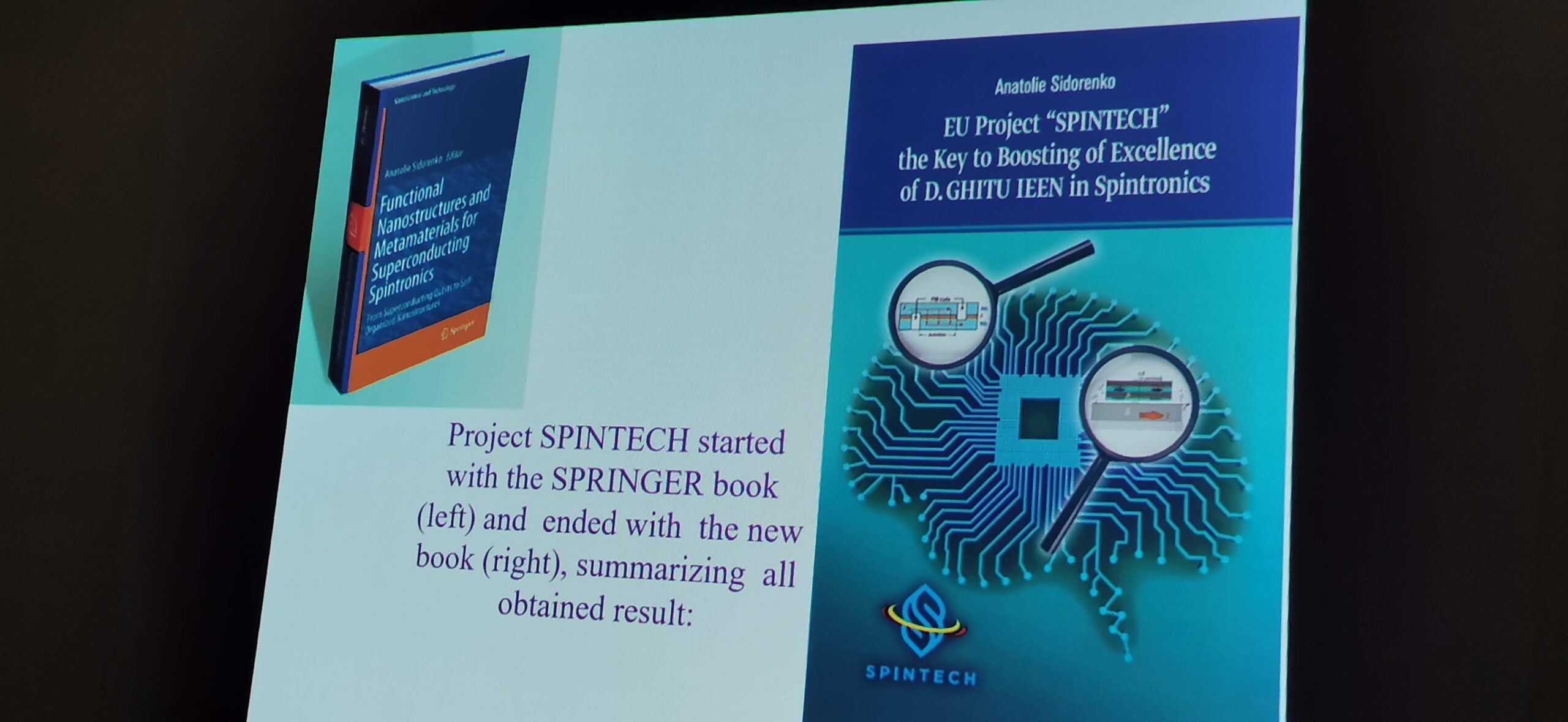
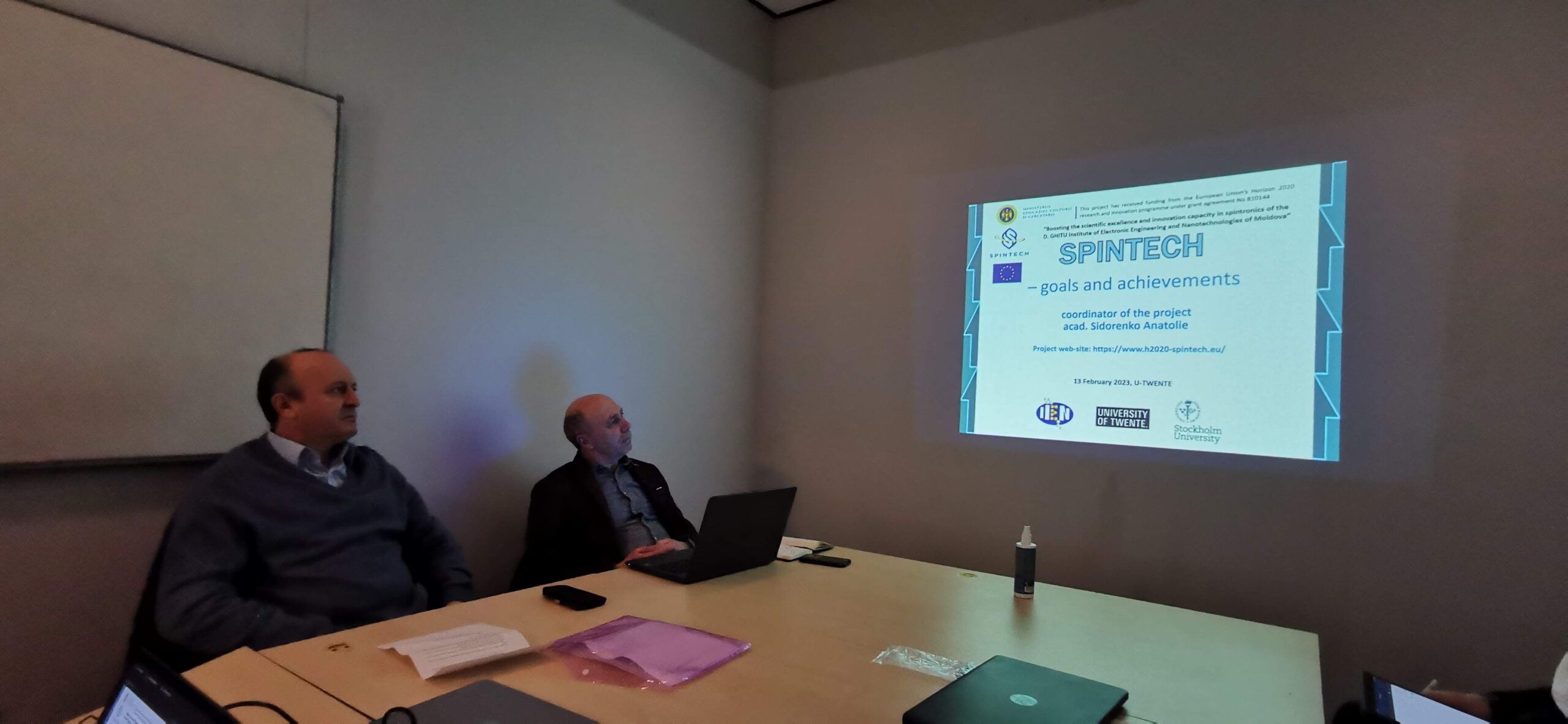
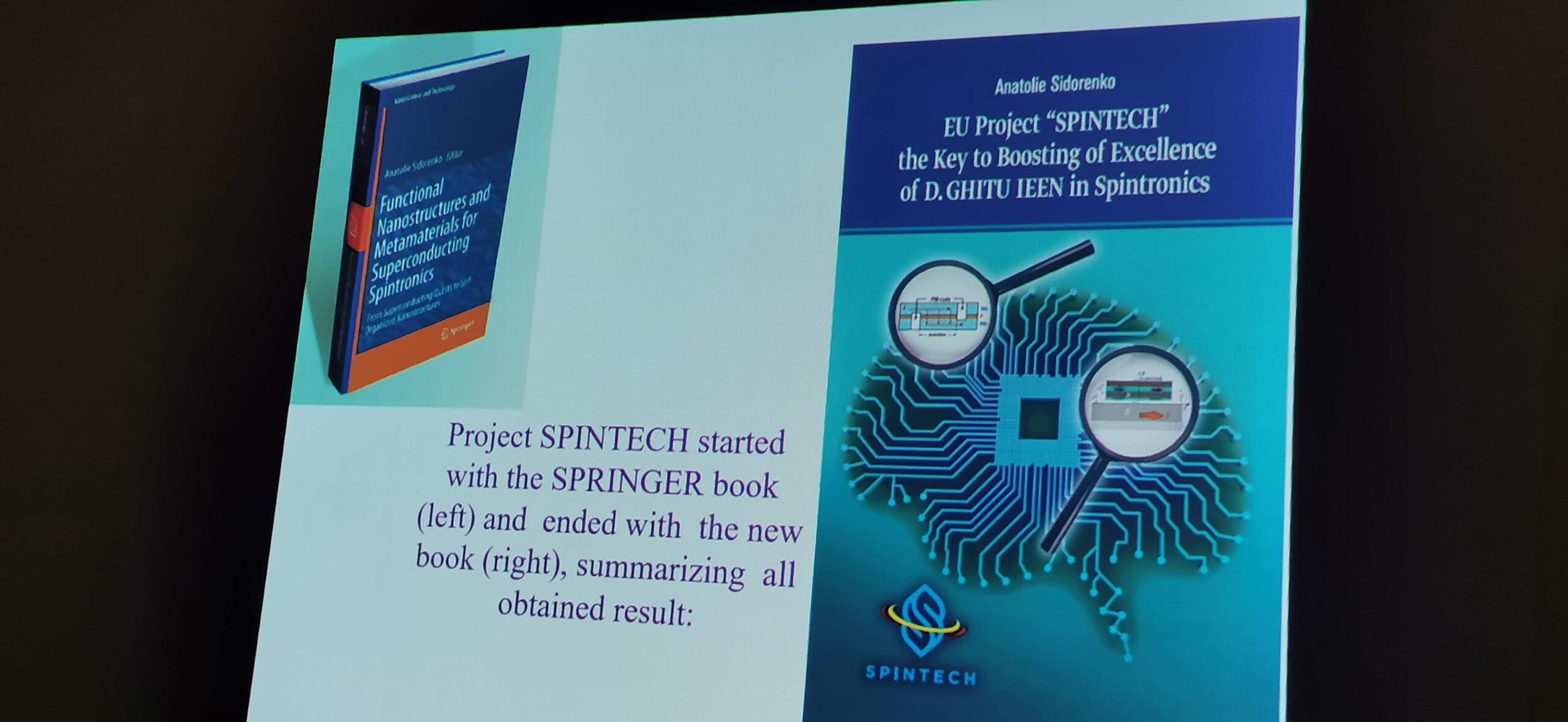
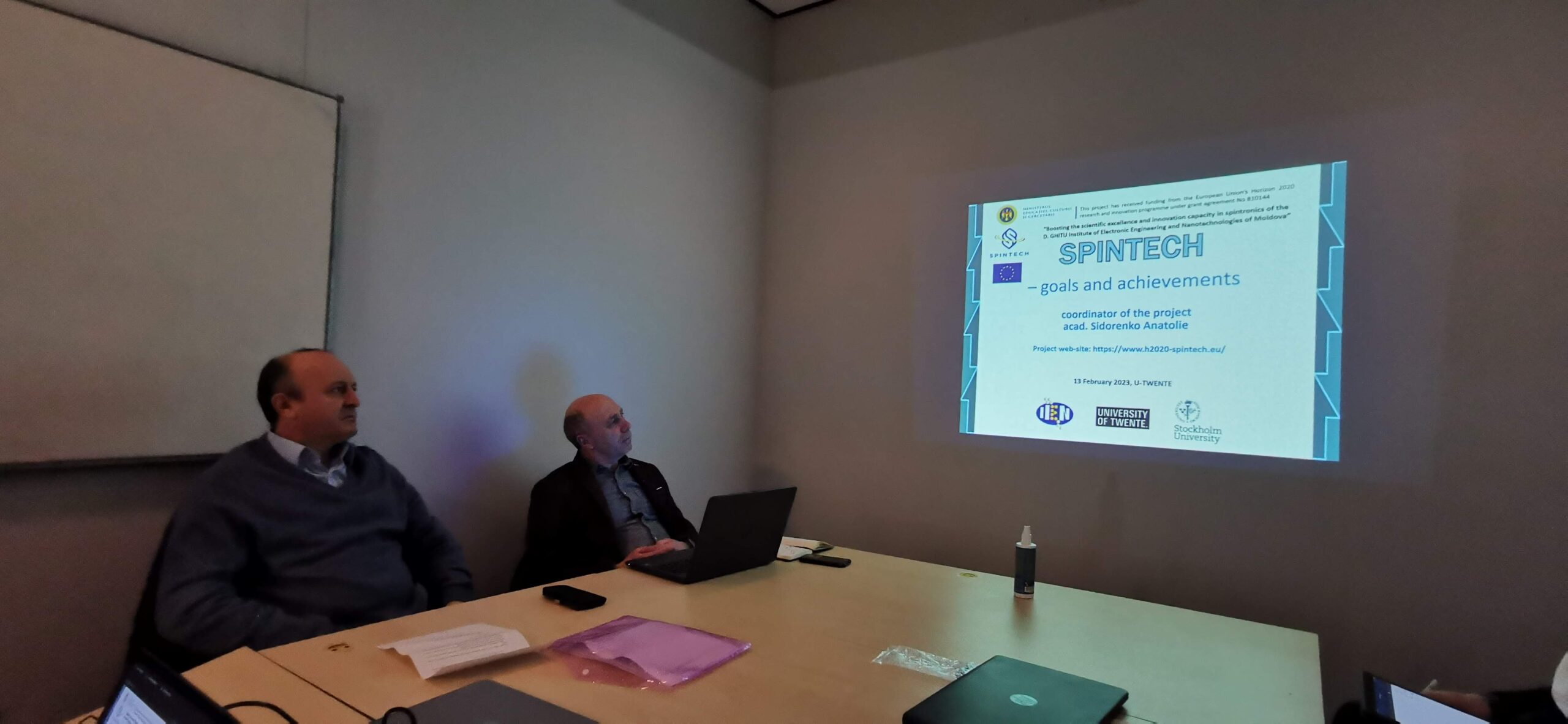
The SPINTECH project helps to advance the field of spin electronics through boosting the scientific excellence and innovation capacity in spintronics of the “D. Ghițu” Institute of Electronic Engineering and Nanotechnologies in Moldova, currently part of the Technical University of Moldova. The project was carried out in collaboration with two valuable and experienced partners: Stockholm University in Sweden and the University of Twente in the Netherlands.
University of Twente
Located in Enschede, the Netherlands, the University of Twente was founded in 1961 and has 5 faculties: the Faculty of Engineering Technology, the Faculty of Electrical Engineering, Mathematics and Computer Science, the Faculty of Behavioural, Management and Social Sciences, the Faculty of Science and Technology, and the Faculty of Geo-information Sciences and Earth Observation.
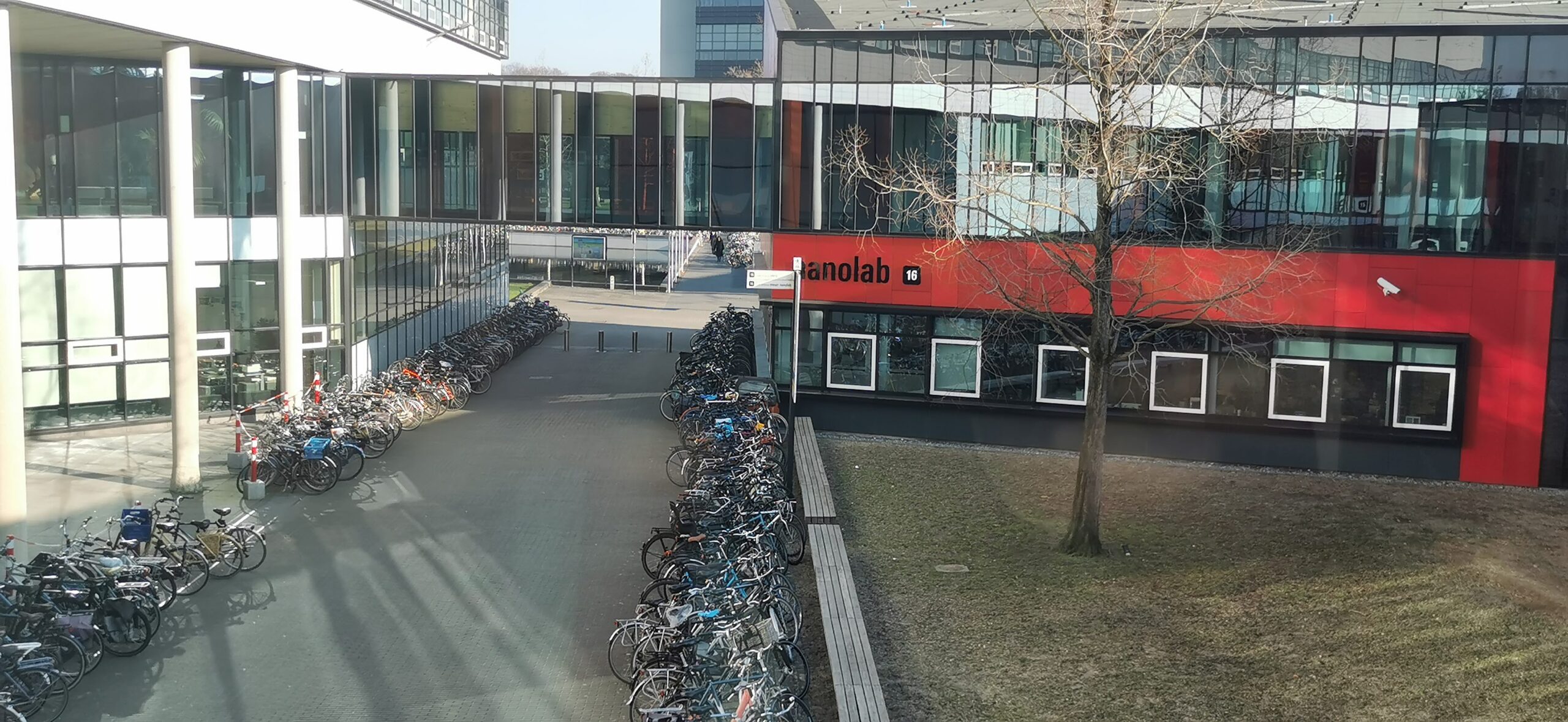
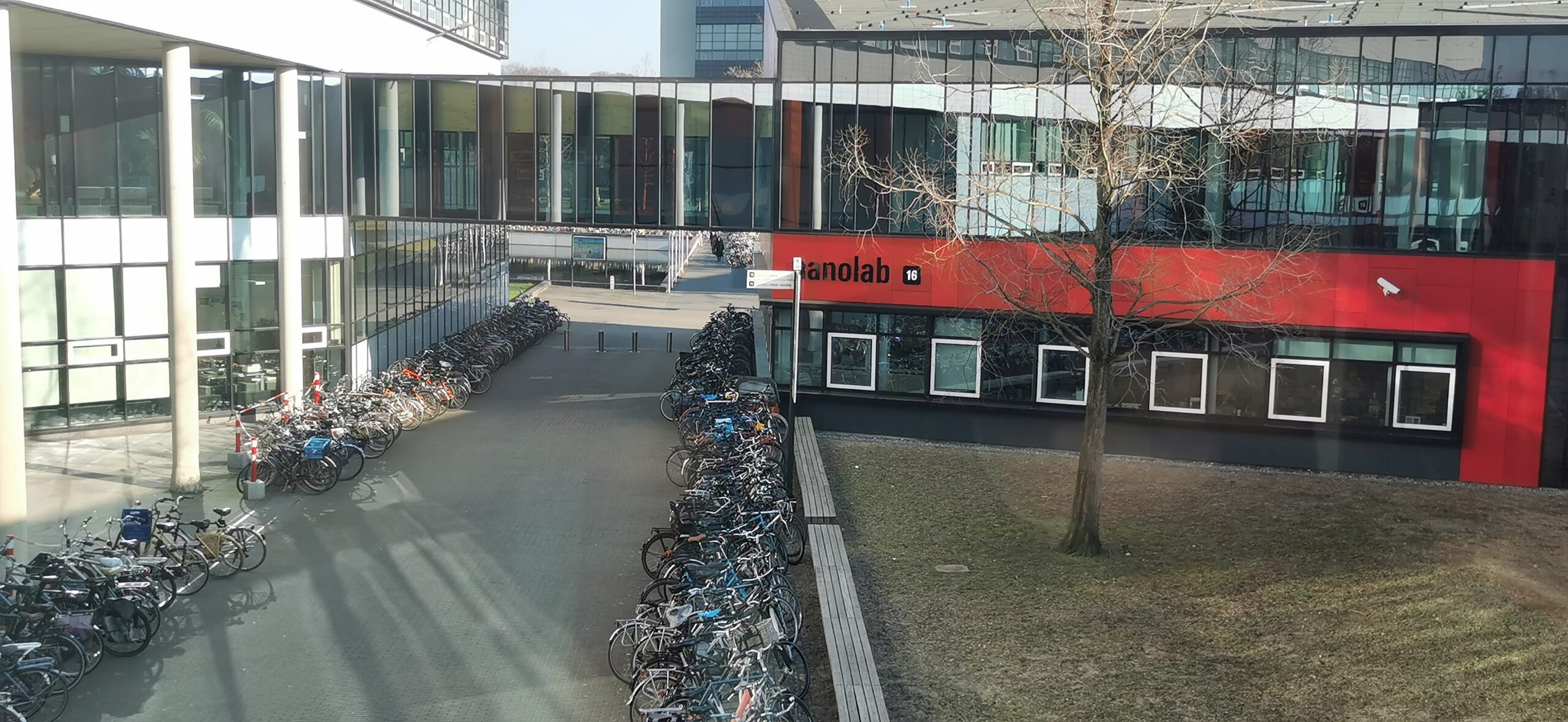
The MESA+ Institute for Nanotechnology is one of the largest in the world, bringing together more than 500 researchers and students, and delivering high quality, frequently ground-breaking research in the field of nanotechnology.
Several spin-off companies were created for the implementation of the research results. An essential role is also played by the close collaborations with industry representatives, which ensure a continuous flow of research requests, and remain a sustainable financial source of the University of Twente. In addition, this collaboration is an excellent employment opportunity for students. Among the private partners of the MESA+ Institute are companies such as ASML, Philips, Thermo Fisher Scientific, FEI Company, Carl Zeiss, which support the Institute’s research activities and contribute to the development of innovative technological solutions.
The research teams from the Technical University of Moldova and the University of Twente aim to strengthen their partnership and develop new projects in theoretical physics, nanotechnologies and informatics. Through their collaboration in the field of quantum electronics and spintronics, the two universities have the potential to deliver significant innovations and tackle complex problems in the world of technology.