

In the digital age, the convenience and opportunities offered by technology come hand in hand with serious challenges. As technology advances, cybercriminals are becoming increasingly sophisticated, and incidents of online fraud and data theft are rising at an alarming rate.
Experts continue to warn about the growing threats posed by cybercriminals. Older adults, who are often less familiar with digital technologies, tend to be the preferred targets for scammers. These criminals exploit their trust, using various tactics to obtain personal and financial information. Constantin Berlinschi, senior officer at the Cybercrime Investigation Center, warns that users who leave personal data on unsecure websites or respond to fraudulent messages are at risk of identity theft and financial fraud.
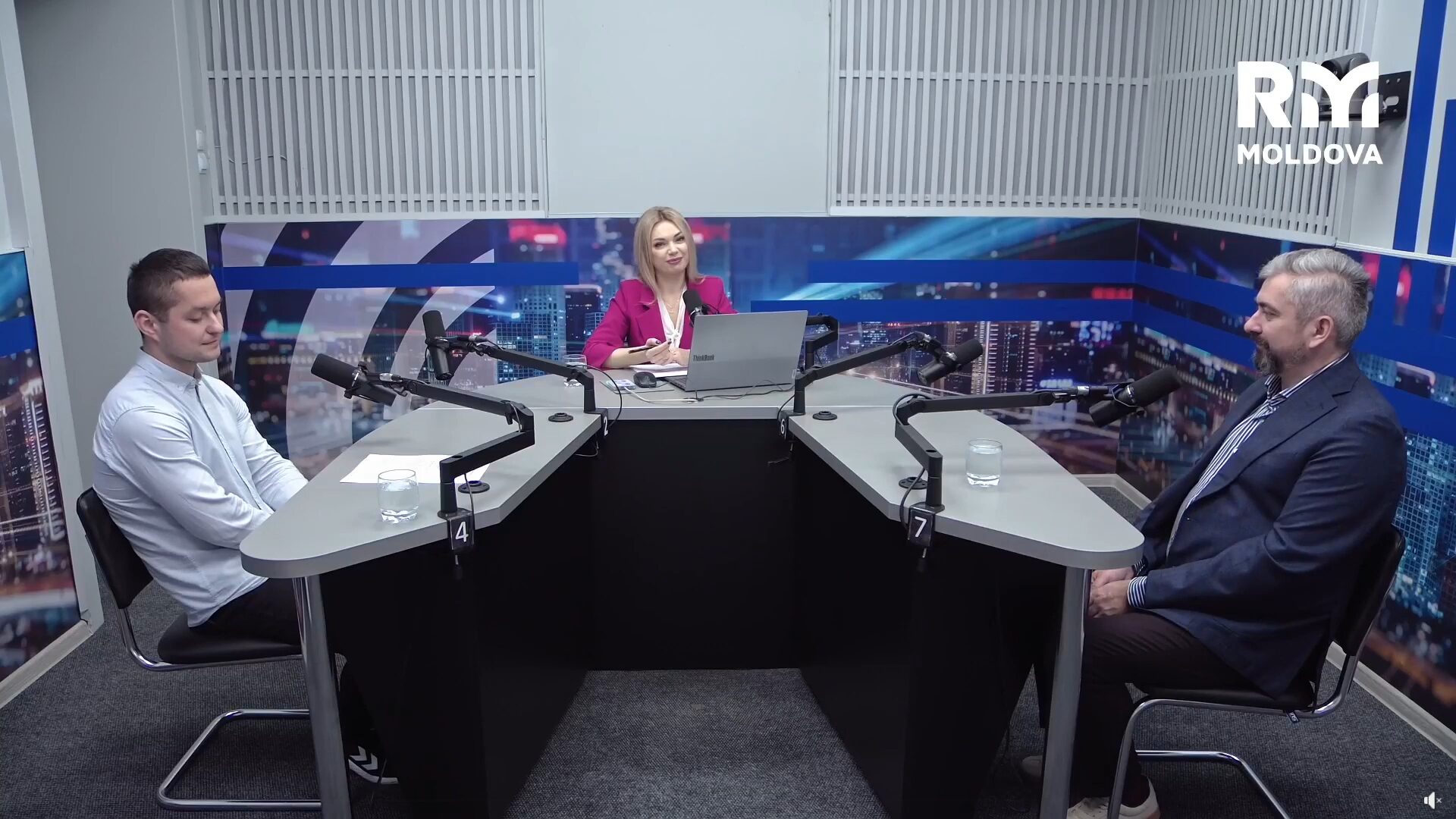
In a digital world, prevention is the most powerful defense against cyberattacks. Dinu Țurcanu, Vice-Rector for Digitalization at the Technical University of Moldova and a cybersecurity trainer, highlights the importance of education and awareness: “In recent years, information technologies have developed very rapidly, and cybersecurity training is now essential.”
He shares several practical tips for protecting ourselves:
- Use strong and unique passwords – Avoid using simple passwords based on names or birthdays. Global reports show that around 34% of passwords are created this way. A strong password should include uppercase and lowercase letters, numbers, and special characters. It’s also crucial to use different passwords for different platforms—never reuse the same password across multiple accounts.
- Enable two-factor authentication – Turning on multi-factor authentication is key to securing your online accounts. International data shows that 71% of user passwords are compromised, and an extra layer of authentication can prevent unauthorized access.
- Avoid suspicious websites – Always verify the authenticity of the websites you visit and avoid entering personal information on unsecured pages.
- Be cautious with suspicious calls and messages – If you receive requests for personal or financial information via phone, email, or messaging apps, double-check the source before responding. Banks and official institutions will never ask for sensitive information this way.
- Keep learning – Engaging in cybersecurity training courses, such as those offered by UTM through the CyberCOR platform, can make the difference between being a vulnerable user and one who is well-equipped to detect online threats.
We must stay vigilant and verify any request before sharing personal or financial data. Scammers use a wide range of tricks, from fake traffic accidents to phone calls pretending to be from banks or government institutions.
The Technical University of Moldova is a leader in cybersecurity education, actively preparing future experts in digital protection through academic programs and initiatives dedicated to online safety. Through the expertise of Dinu Țurcanu and other professionals, UTM supports the development of digital literacy among students and the broader community, offering innovative solutions to fight cyberattacks. The university provides courses and training programs in cybersecurity, shaping the next generation of specialists in this field. With education and vigilance, each of us can become a well-informed user, capable of protecting personal data and avoiding the traps set by digital criminals. Together, we can build a safer digital future.


