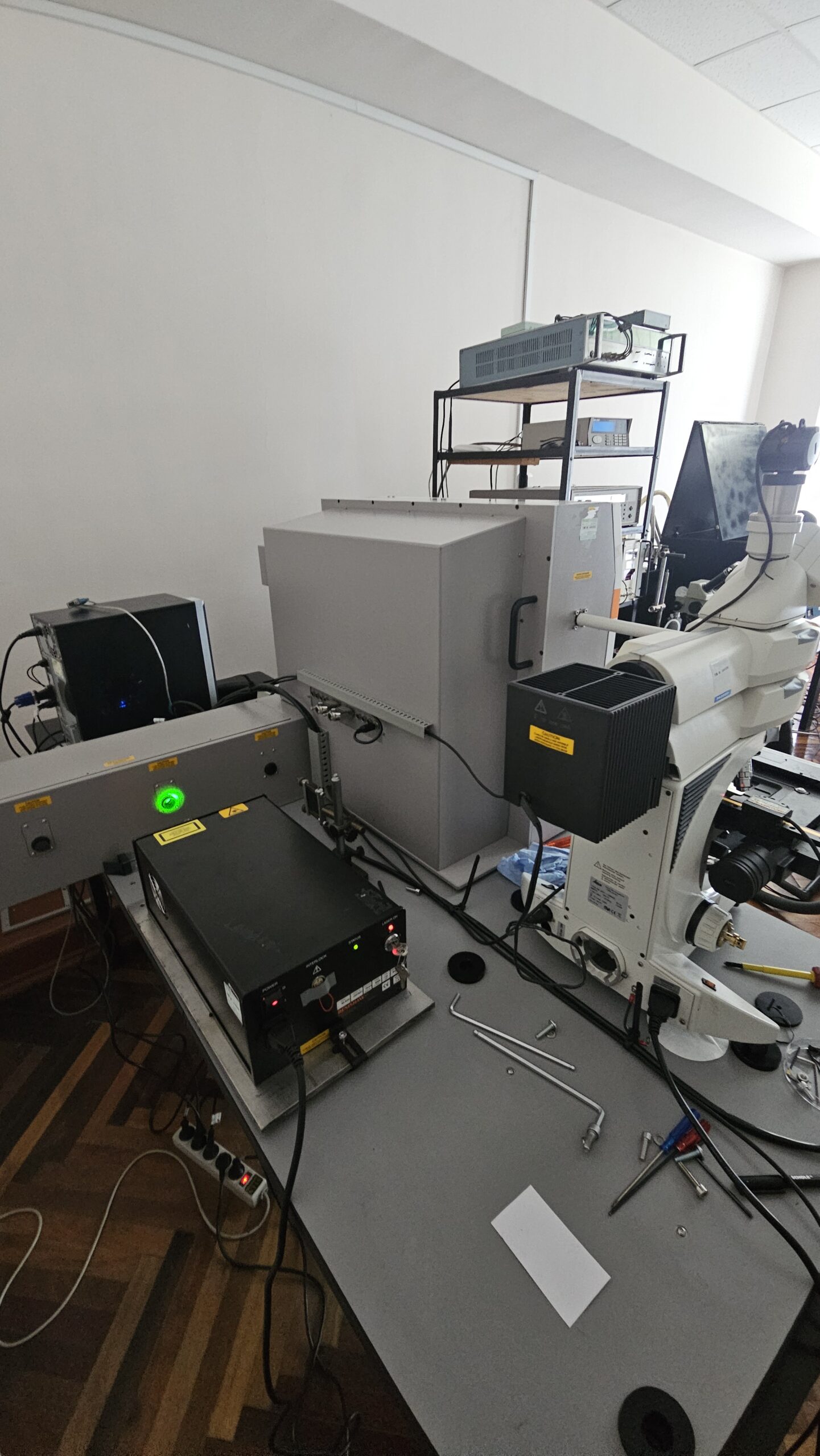
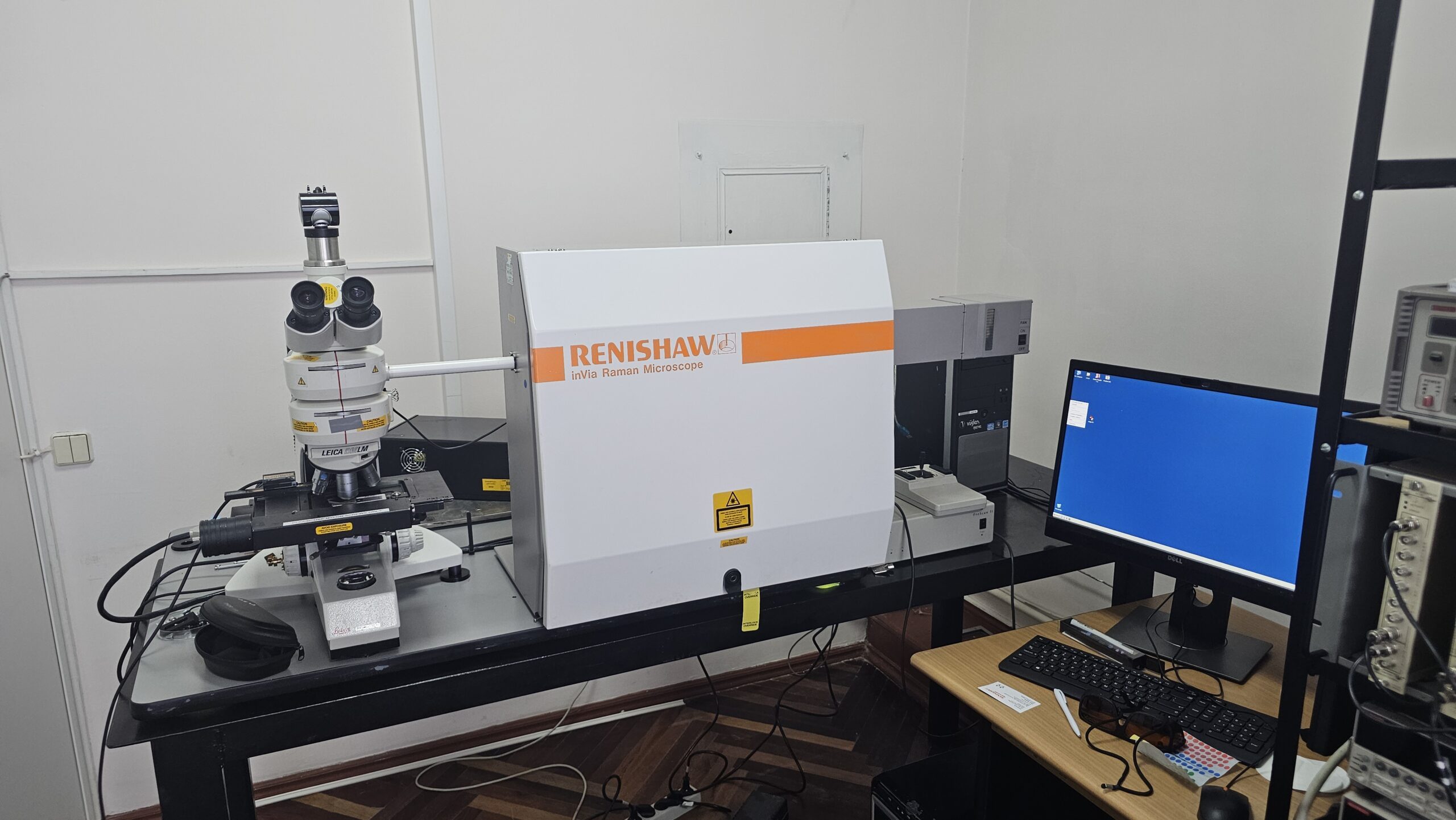
A Raman spectrometer uses a laser beam to reveal the chemical composition of a material without damaging it. As of June 2026, UTM researchers have access to this kind of analysis in their own laboratories, following the integration of a Renishaw InVia Raman spectrometer into the infrastructure of the National Centre for Materials Study and Testing (CNSTM). The equipment was donated by the Center for Device Thermography and Reliability, part of the School of Physics at the University of Bristol.
The donation follows years of collaboration between CNSTM and the University of Bristol. Several CNSTM researchers have completed research stays in Bristol’s laboratories as part of joint work on advanced materials, semiconductors and nanotechnologies.
The spectrometer is equipped with a 532 nm, 100 mW DPSS laser, a Leica DM LM 2000 microscope with x50 (NA 0.75) and x20 (NA 0.4) objectives, a Prior II motorized stage with 0.1 μm resolution on the X/Y axes and 1 μm on the Z axis, a 512×400 pixel Rencam CCD detector, and a 2400 lines/mm diffraction grating. The instrument can analyse a material’s composition, molecular and crystalline structure, degree of crystallinity, structural defects and internal stresses without destroying the sample.
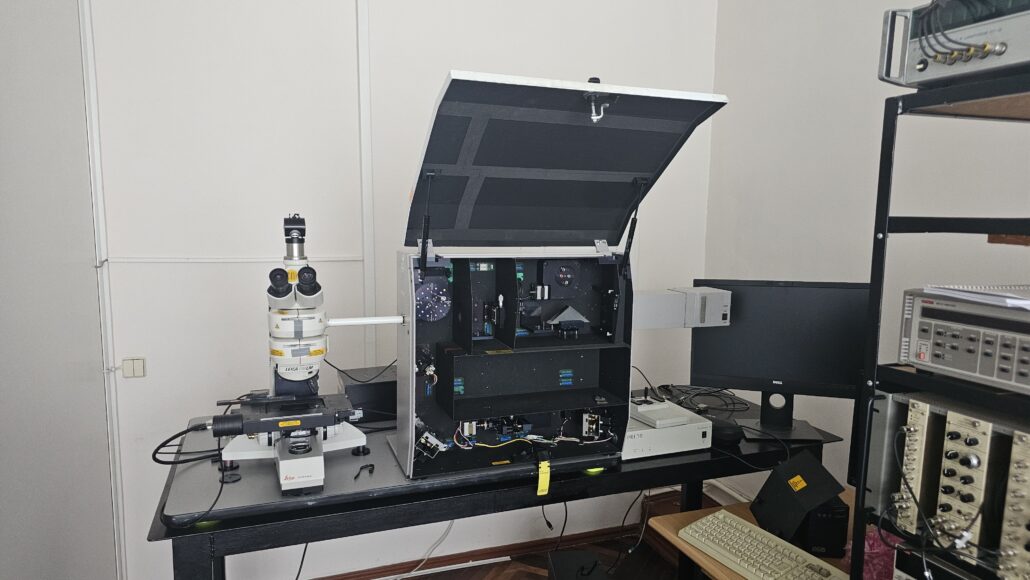
The equipment can be applied to research on semiconductors, nanomaterials, biomaterials, polymers, and energy conversion and storage materials, as well as to the analysis of pharmaceutical and food products. Having the instrument on site reduces the need to send samples to laboratories outside the university and allows more experimental work to be carried out directly at UTM.
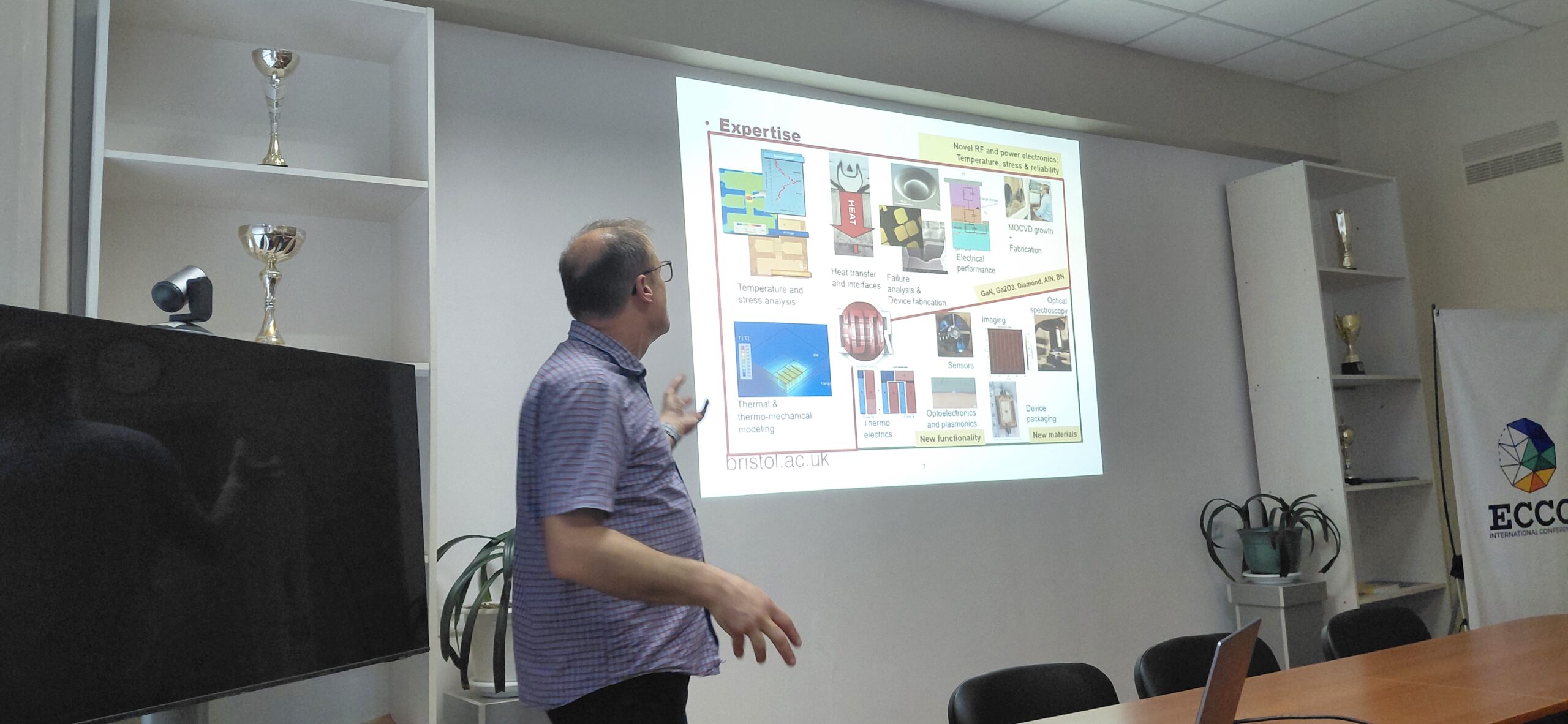
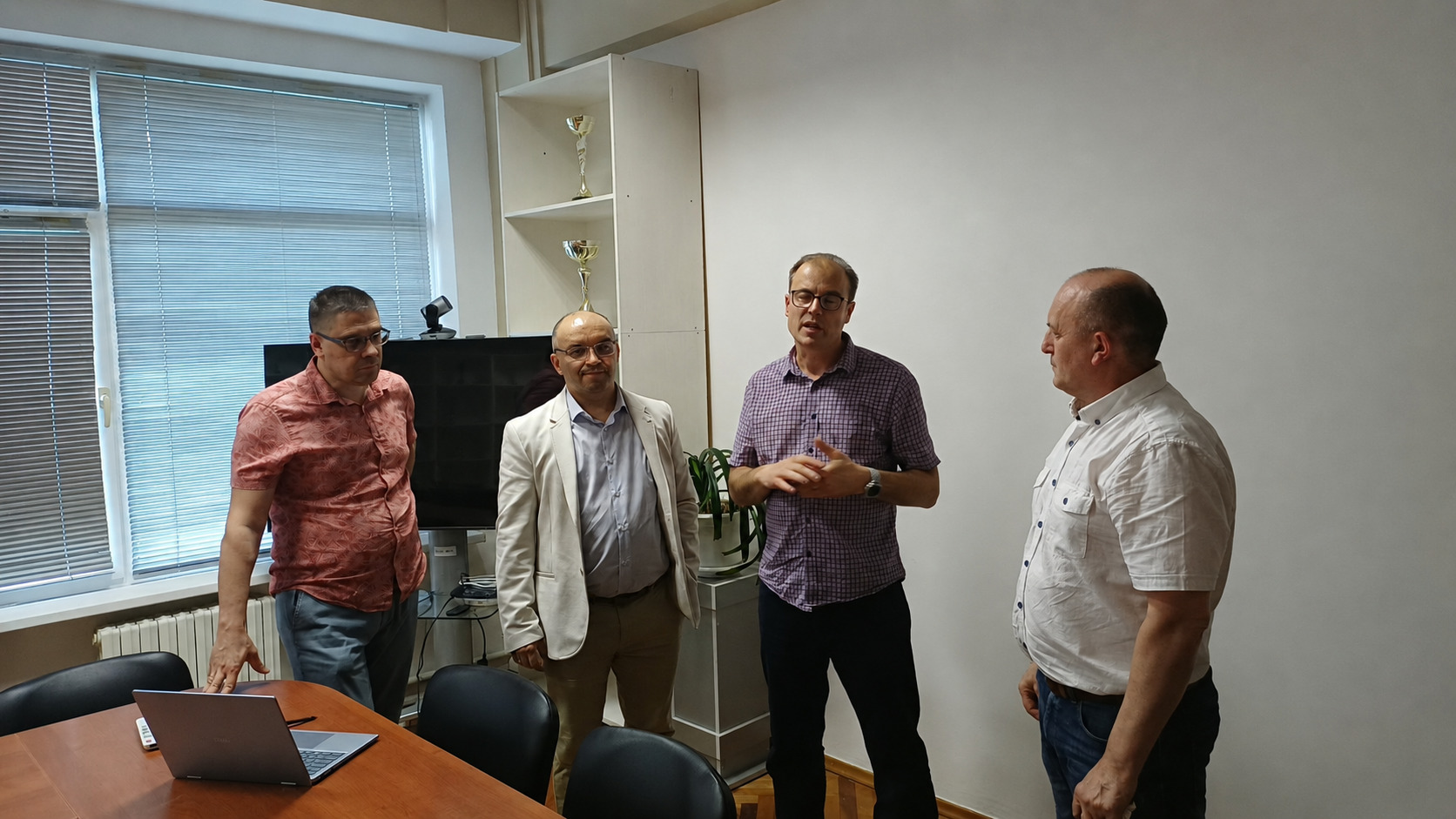
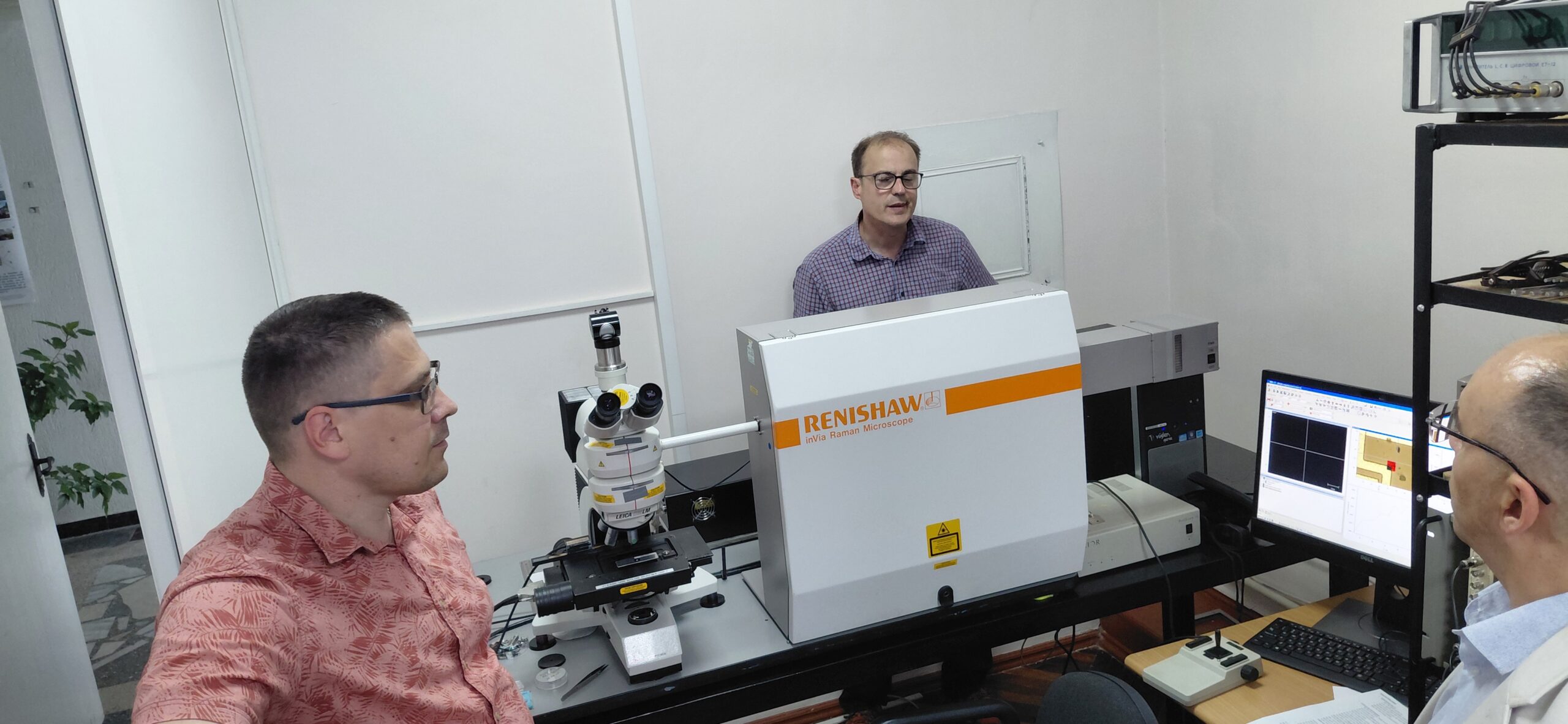
To install the spectrometer, UTM hosted a visit from Dr. Andrei Sarua, researcher at the University of Bristol, who spent several days on site to configure, calibrate and test the instrument. During his visit, Sarua also ran hands-on training sessions for the centre’s research team.
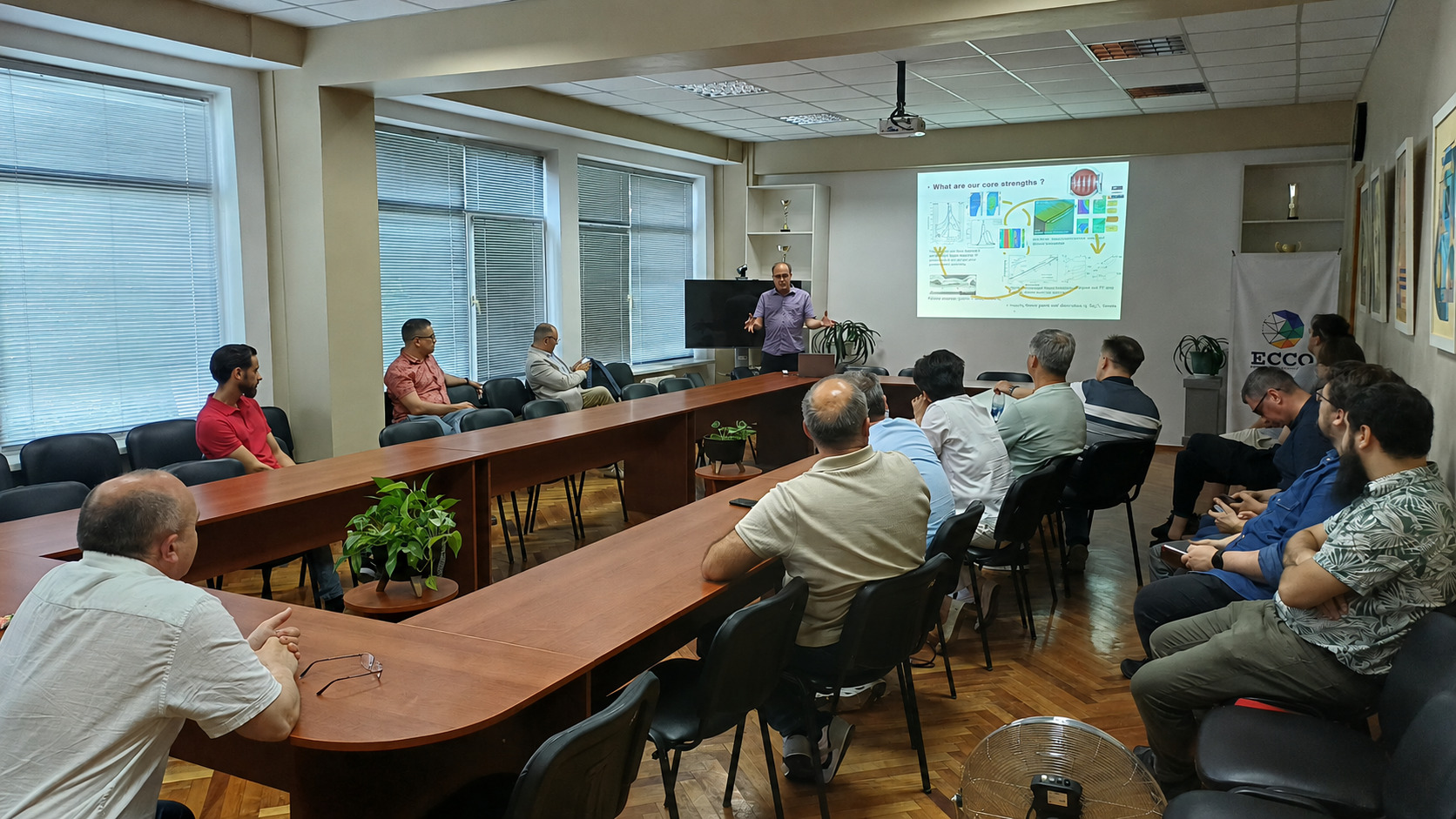
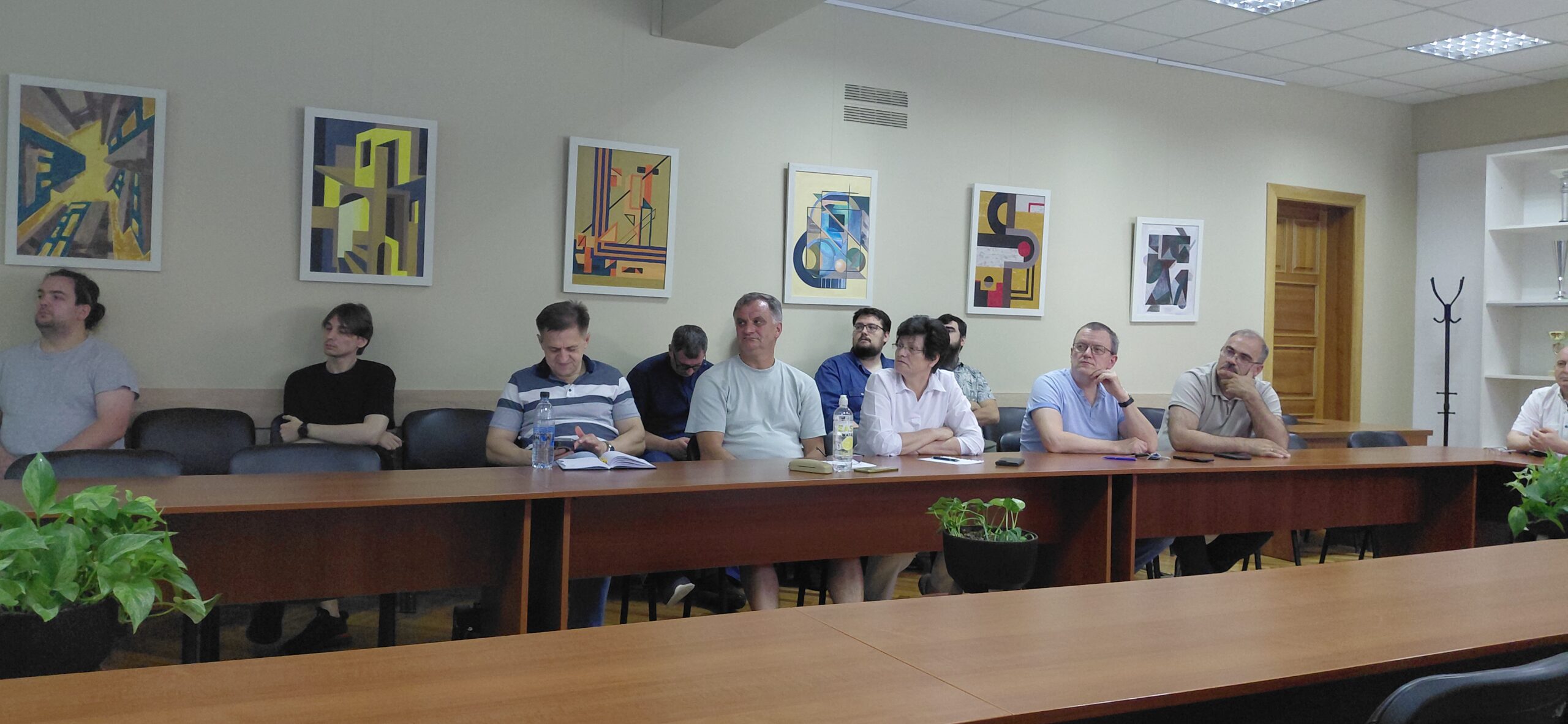
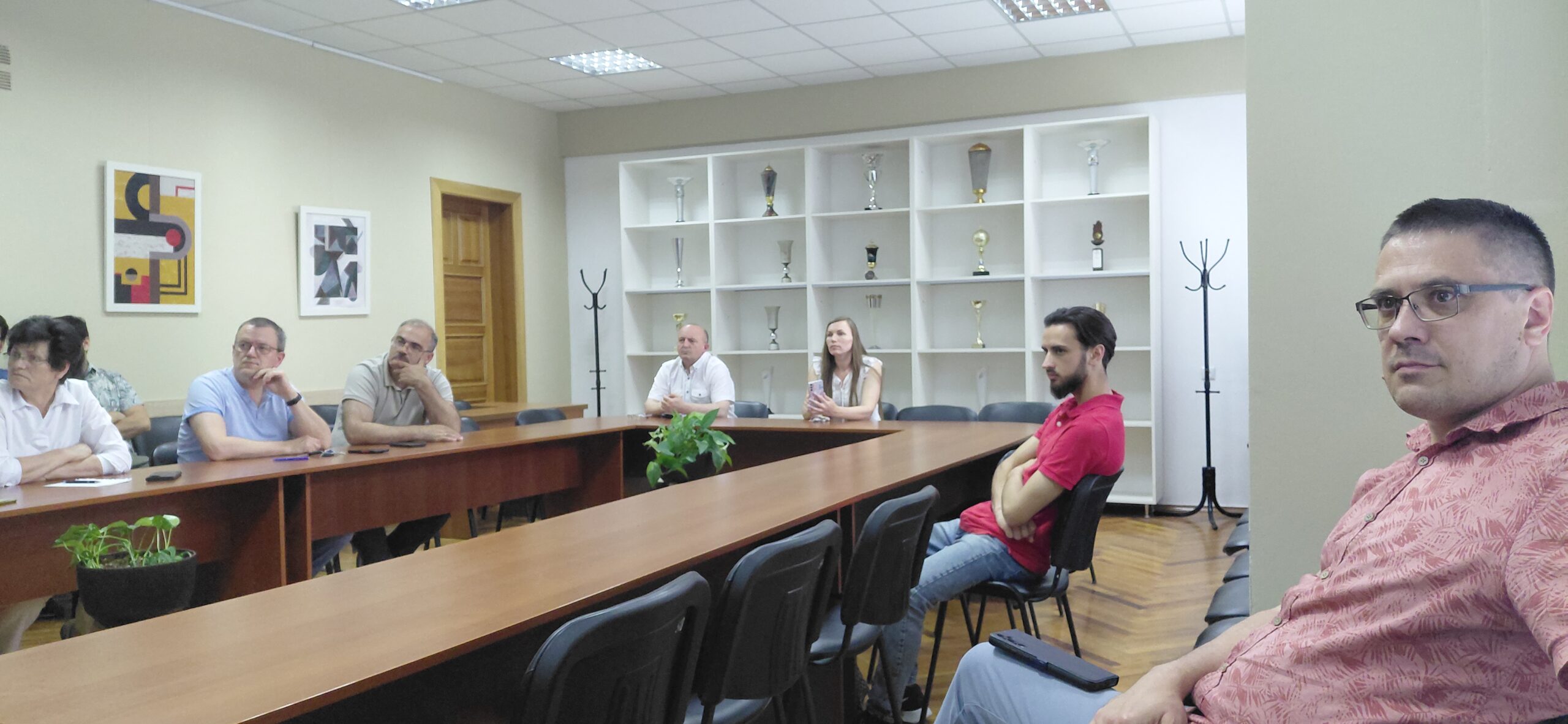
On 22 June, as part of the same visit, he gave a presentation titled “Raman Spectrometer as a Versatile Tool for Science,” covering the principles of Raman spectroscopy and its applications in materials research, microelectronics, nanotechnology and biomedicine. The session drew researchers and academic staff from across UTM, including CNSTM, the Faculty of Computers, Informatics and Microelectronics, the Department of Microelectronics and Biomedical Engineering, the Faculty of Food Technology, and the “D. Ghițu” Institute of Electronic Engineering and Nanotechnologies.
"Every piece of advanced equipment opens new opportunities for researchers, doctoral students and undergraduates, and strengthens our position for more competitive international projects."
- Eduard Monaico, Dr. Habil., Vice-Rector for Research and Doctoral Studies, UTM
The spectrometer will be available to researchers, doctoral candidates and students working on research projects, bachelor’s and master’s theses. It will also support UTM’s collaborations with research institutes, other universities and industry partners who need structural analysis of materials.
"The integration of the Raman spectrometer into CNSTM's infrastructure shows the impact international partnerships can have on a university's scientific capacity."
- Viorel Bostan, Dr. Habil., Rector of UTM
The Technical University of Moldova thanks the Center for Device Thermography and Reliability, School of Physics, University of Bristol, for the donated equipment, and Dr. Andrei Sarua for overseeing its installation.
UTM’s research infrastructure grows not only through national and international project funding, but also through the support of academic and scientific partners. Collaborations like this one expand the university’s research capabilities and open the door to joint projects with institutions in Moldova and abroad.